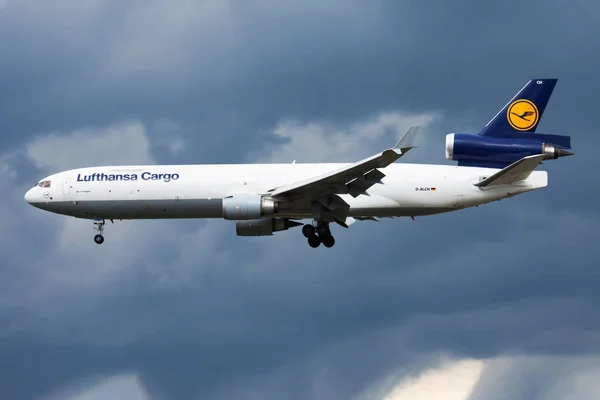
An engine separating from a wing during takeoff remains one of the most severe structural failures in transport aviation. In the MD-11 grounding, the engineering focus quickly narrowed to the pylon system the load path that connects a heavy, high-thrust engine to the wing while also accommodating motion, vibration, and maintenance access.
The immediate event drew attention because it echoed an older vulnerability in the DC-10 family. The MD-11 is a later derivative, but the latest investigation and the regulatory response show how legacy architecture, inspection practice, and fatigue behavior can converge into a fleet-wide concern.

1. The pylon, not just the engine, became the central issue
The critical failure was not described as a routine engine malfunction. Investigators centered on the left engine pylon aft mount, where fatigue cracking on multiple fracture surfaces was identified during the early examination of the wreckage from the Louisville accident. That distinction matters because the pylon is part of the aircraft’s structural attachment system, not merely the propulsion package. In this architecture, the pylon carries engine loads into the wing through fittings, lugs, bearings, and associated hardware. When that chain is compromised, separation can become a structural event with immediate aerodynamic and systems consequences.
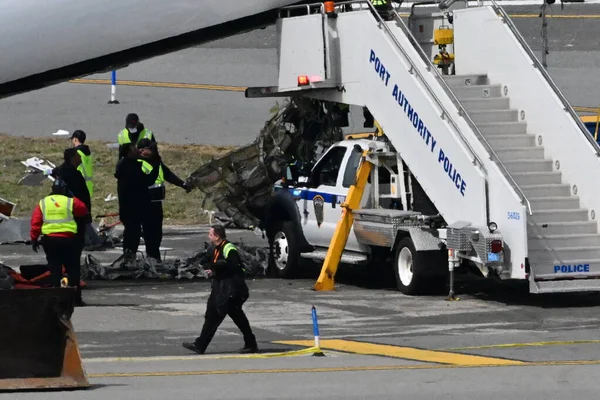
2. A spherical bearing assembly drew renewed scrutiny
The investigation also highlighted the aft-mount spherical bearing assembly. According to the NTSB material summarized by FlightGlobal, Boeing had issued a 2011 service bulletin advising operators to inspect spherical bearing assemblies after several previously reported bearing race failures. That earlier warning did not classify the issue as a direct safety-of-flight condition, and operators were directed toward visual checks during scheduled maintenance intervals. The bearing race features now matter because investigators found fracture features originating near a recessed groove, a detail that links current forensic work to concerns identified years earlier.
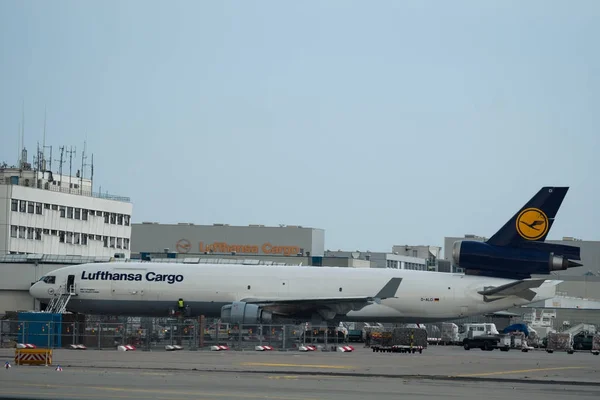
3. Fatigue, not a single overload, appears central to the failure pattern
Early technical findings point to crack growth over time rather than a purely instantaneous break. Investigators described fatigue indications in pylon lugs and in the bearing race, with overstress appearing as the final stage after the structure had already degraded. That is a classic pattern in structural failure analysis: small flaws propagate under repeated loading until the remaining intact section can no longer carry the load. The MD-11 involved had accumulated 92,992 hours and 21,043 cycles, figures that place the airframe firmly in the mature phase of its service life. On aging freighters, that makes the precision of inspection intervals, lubrication tasks, and component-condition assessments especially important.
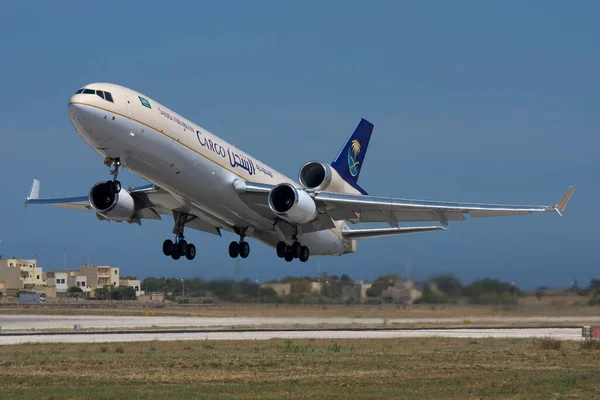
4. The fleet grounding reflected a design-family concern, not one airframe alone
The FAA response was unusually direct. Through emergency airworthiness directive 2025-23-51, the agency required immediate inspection of all MD-11 and MD-11F aircraft before further flight. Boeing had already recommended grounding, and major operators moved quickly. This was not framed as an isolated maintenance discrepancy on one airplane. Regulators treated it as an unsafe condition with the potential to affect continued safe flight and landing across the fleet until inspections and approved corrective actions were completed.

5. The cargo market felt the impact immediately
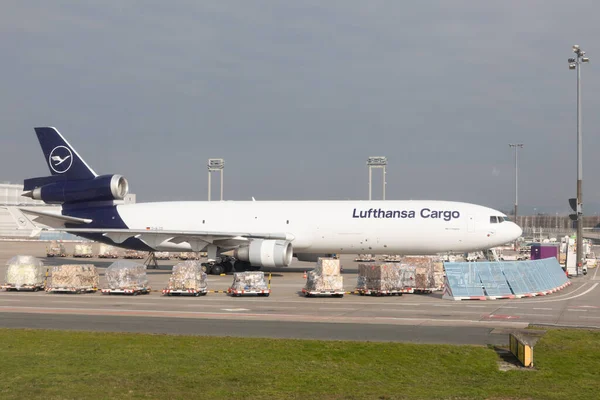
The MD-11 has largely exited passenger service, but it remains important in long-haul freight. UPS, FedEx, and Western Global all operate the type, so a grounding affects network capacity more than public schedules. The operational consequence is less visible to travelers than to shippers, warehouses, and integrator hubs. Even so, the engineering lesson is broader than cargo. Freighters often remain in service long after passenger variants retire, which places greater emphasis on structural aging, parts traceability, and maintenance discipline over decades rather than years.
6. The event revived memories of Flight 191 for technical reasons
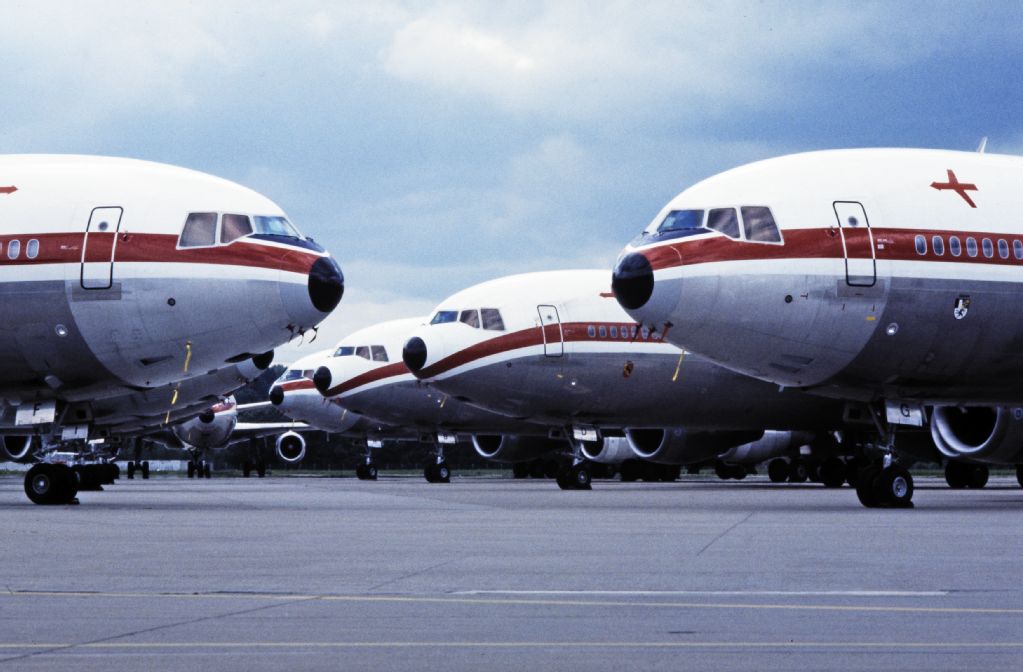
The comparison to American Airlines Flight 191 is not simply historical shorthand. That 1979 DC-10 accident also involved separation of the left engine and pylon during takeoff, followed by loss of critical systems and loss of control. The underlying trigger then was maintenance-induced damage to the pylon structure, later linked to an improper engine-and-pylon removal method using a forklift. The MD-11 case has not been assigned the same cause, but the parallel is technically important because both aircraft belong to the same design lineage. In both cases, a pylon failure threatened more than thrust loss; it affected the structural and systems integrity of the wing-engine interface at the worst possible phase of flight.
7. Pylon failures are dangerous because they can cascade across systems
An engine departing the wing is not equivalent to a contained engine shutdown. On the DC-10, the separation severed hydraulic lines, removed electrical generation from the affected engine, altered the wing’s leading-edge configuration, and contributed to a fatal asymmetric aerodynamic condition. FAA lessons learned from that accident describe how pylon separation led to slat retraction and a stall on the damaged wing. That history explains why regulators react aggressively when a pylon attachment problem appears. The hazard is systemic: structure, aerodynamics, hydraulics, electrical power, and crew cues can all be affected within seconds.
8. Inspection philosophy is now under pressure
The current case raises questions about whether interval-based visual inspection is enough for certain pylon components on older widebody freighters. A bearing race that can crack internally or a lug that develops fatigue at a bore edge may not present the same external evidence as a simpler structural member. That does not establish a final conclusion, but it does establish the engineering direction of travel.
When a fleet is grounded after one failure, the likely outcome is a tighter inspection regime, revised accept/reject criteria, and closer attention to how operators incorporate manufacturer guidance into maintenance programs. The MD-11 grounding is therefore more than a reaction to one accident sequence. It is a reminder that in aging airframes, attachment structures can become the decisive safety boundary. For the broader industry, the lesson is durable: propulsion reliability matters, but attachment integrity matters just as much. When the pylon becomes the weak link, the entire aircraft system is placed at risk.


