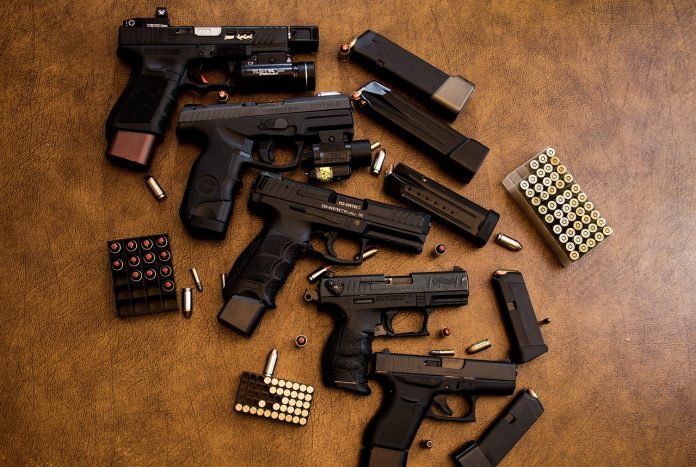
Glock’s commercial lineup is being cut back in a way the pistol market rarely sees from a brand this entrenched. The change is not just about retiring old SKUs. It reflects legal pressure, manufacturing simplification, shifting product architecture, and a redesign aimed at a problem that has followed the company’s most popular pistols for years.
The replacement is the new V Series, positioned as a baseline family rather than another small generational refresh. That makes this transition more significant than a routine catalog cleanup, especially because it touches long-running Gen 3, Gen 4, and Gen 5 patterns that defined the modern striker-fired handgun market.
1. The scale of the discontinuation is unusually large
Glock confirmed a major restructuring of its commercial catalog, with shipments of many legacy models ending by late 2025. Across industry reporting and dealer summaries, the total affected count lands at more than 30 pistols, including familiar duty, carry, competition, and niche-caliber variants. That matters because Glock normally changes generations without wiping out so much of the overlapping lineup at once. The practical effect is a hard reset: fewer variants, fewer overlapping trims, and a more controlled handoff to the next family.
2. The trigger for the overhaul is the auto-sear problem
A central pressure point is the spread of illegal conversion devices commonly called Glock switches. These parts can convert compatible semiautomatic pistols into machine guns, and enforcement data has shown a sharp rise in recoveries. Minnesota’s lawsuit against Glock points to an ATF-reported 570% increase in the recovery of Glock switches and other conversion devices between 2017 and 2021 compared with the previous five years. The broader policy climate is also tightening. According to 29 states have adopted laws prohibiting auto sears or Glock switches, showing that the issue is no longer confined to federal enforcement alone. For a manufacturer built on standardization, that kind of regulatory spread creates pressure to redesign the base pistol rather than manage the issue state by state.

3. Litigation turned a technical vulnerability into a business problem
What had long been treated as criminal misuse has also become a product-liability and public-nuisance issue. Lawsuits from states and cities have argued that Glock-pattern pistols are too easily converted and that design changes should have come sooner. That shift is important. Once courts, attorneys general, and municipal governments start pressing for design remedies instead of only prosecution, the engineering department becomes part of the compliance response. In that environment, discontinuing broad sections of the lineup becomes easier to understand as a structural fix rather than a simple product decision.

4. California helped force the timetable
The timing of the transition lines up with new legal constraints in a crucial firearms market. Reference material on the transition points to California’s Assembly Bill 1127, signed October 12, 2025, which targets semiautomatic pistols using cruciform trigger-bar geometry associated with current Glock designs. Even without a public admission tying every discontinuation directly to that law, the sequence is difficult to ignore. A company can absorb bad press for a while. It has a much harder time absorbing a major state rule that threatens future sales of the core platform.
5. Glock also had too many overlapping models
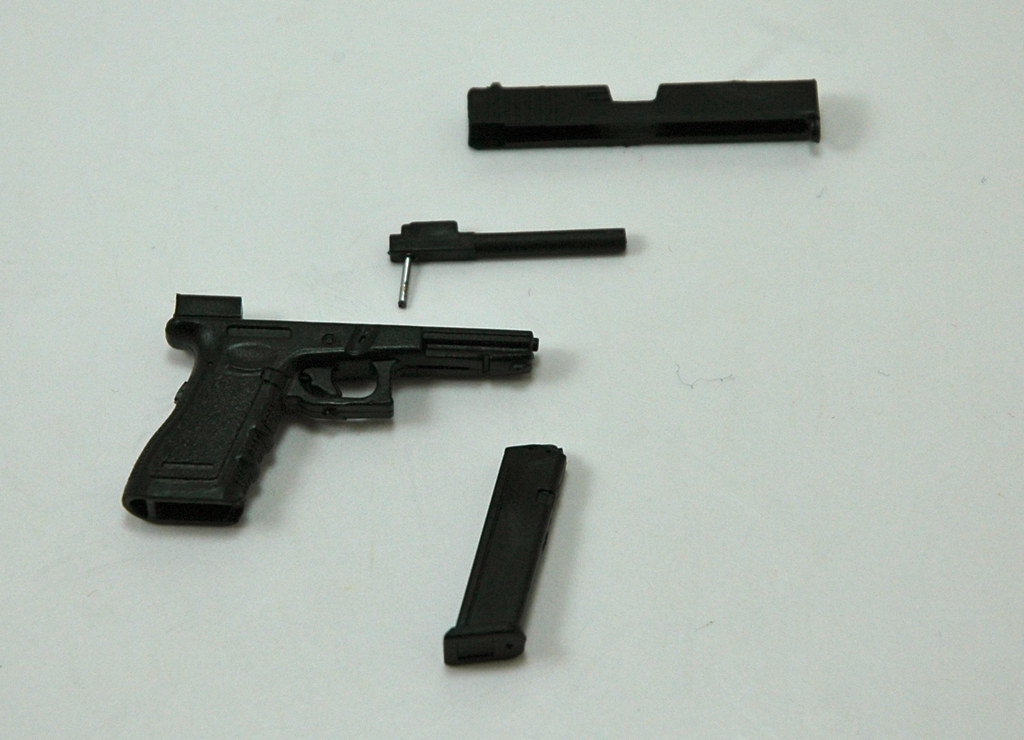
Legal pressure explains why the redesign matters, but it does not fully explain why so many models had to go. Glock had accumulated a sprawling catalog: multiple generations, MOS and non-MOS versions, slimline guns, long-slides, competition models, and chamberings that served narrower audiences. That product spread created inventory, tooling, and forecasting complexity across the supply chain. Glock’s own statement framed the V Series as a way to “establish a baseline of products while simplifying our processes.” In plain industrial terms, that points to SKU reduction. Fewer combinations mean cleaner production planning, less parts overlap confusion, and a simpler distribution pipeline. For a company known for uniformity, the old catalog had become unusually fragmented.
6. The V Series is meant to replace, not merely supplement, the old guns
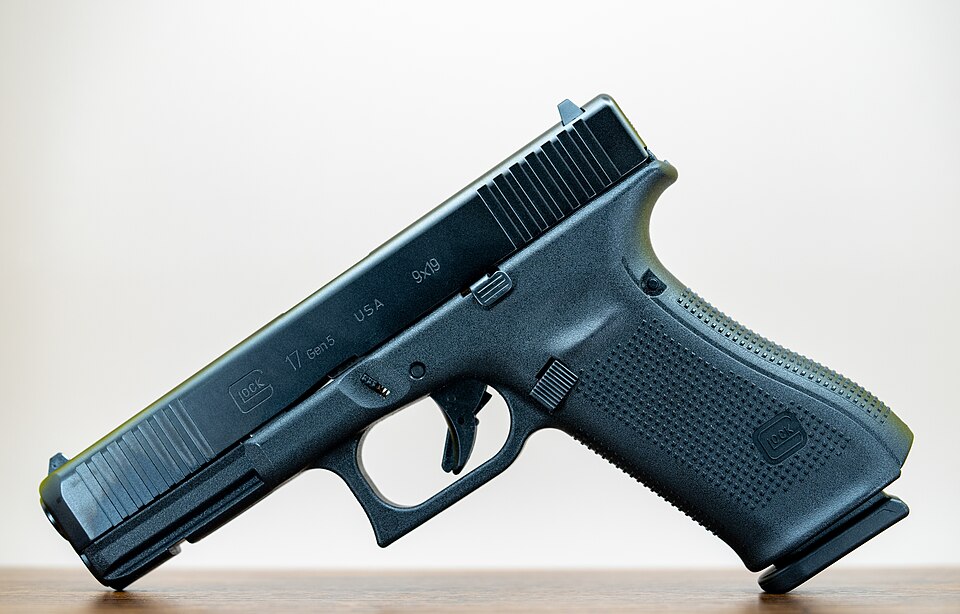
The new family appears designed as a direct successor line. Reference reporting indicates models such as the V17 and V19 are intended to stand in for the most important full-size and compact legacy pistols, while slimline guns like the 43, 43X, and 48 remain part of the picture. This is the key distinction. The V Series is not being described as a boutique compliance model or limited-state workaround. It is the bridge from the old Glock catalog to the next baseline commercial standard.
7. The biggest change is inside the gun
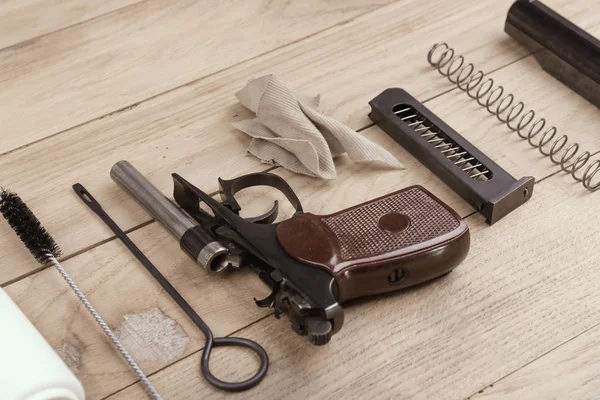
Early descriptions of the V Series consistently center on redesigned internal geometry, especially around the trigger bar and fire-control layout. The stated goal is straightforward: make illegal auto-sear installation far more difficult or physically impossible within the new architecture. That kind of redesign can have ripple effects. Internal compatibility with existing aftermarket trigger parts may narrow, and some accessory makers may need V-specific components. For Glock, that is a manageable trade if the new system reduces legal exposure while preserving the familiar handling, polymer frame format, and Safe Action operating concept that made the platform dominant.

8. Optics-ready versions are not leading the rollout
The launch pattern itself says a lot about priorities. Multiple references indicate the first V Series pistols arrive as standard models, while MOS-style optics-ready variants follow later. That suggests Glock is prioritizing the revised core mechanism before rebuilding every feature branch around it. It is a practical sequence. The company first stabilizes the compliance-oriented base gun, then expands into the optic-cut variants that have become essential in the current handgun market. Glock’s earlier MOS expansion matched the broader rise of slide-mounted pistol optics, a trend visible well beyond one brand.

9. Some legacy niches are likely to shrink permanently
The models most vulnerable in a transition like this are the edge cases: rarer calibers, low-volume competition trims, and variants that survived because Glock historically kept old generations alive alongside new ones. The broad reset gives the company room to keep its highest-demand formats while trimming chamberings and configurations that complicate production. That does not mean every old role disappears. It means the new catalog is likely to be more selective about which roles deserve a permanent slot.
Seen from an engineering and industry standpoint, Glock is not simply discontinuing pistols because they are old. It is replacing a crowded legacy catalog with a cleaner family built around a revised internal design and a narrower manufacturing baseline. The V Series is what fills the void: a successor platform shaped by compliance pressure, product simplification, and the need to keep Glock’s most recognizable handgun format viable in a tougher regulatory environment.


