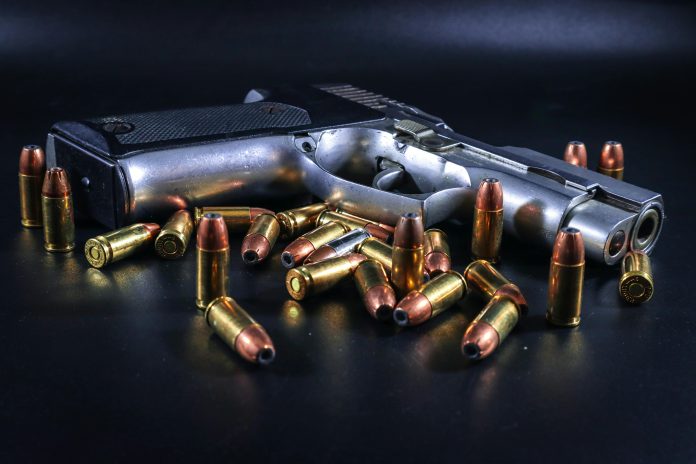
Polymer handguns dominate modern service holsters for obvious reasons: lower weight, simpler maintenance, and broad modularity. Even so, metal-frame pistols have not disappeared from serious use. In the hardest environments, many shooters still value the traits that alloy and steel bring to a sidearm mass that calms recoil, long service life, and a mechanical feel that remains popular long after trends change.
This group is not a nostalgia tour. These pistols earned staying power because they continue to solve practical problems for professionals who need durability, controllability, and confidence when conditions turn ugly.
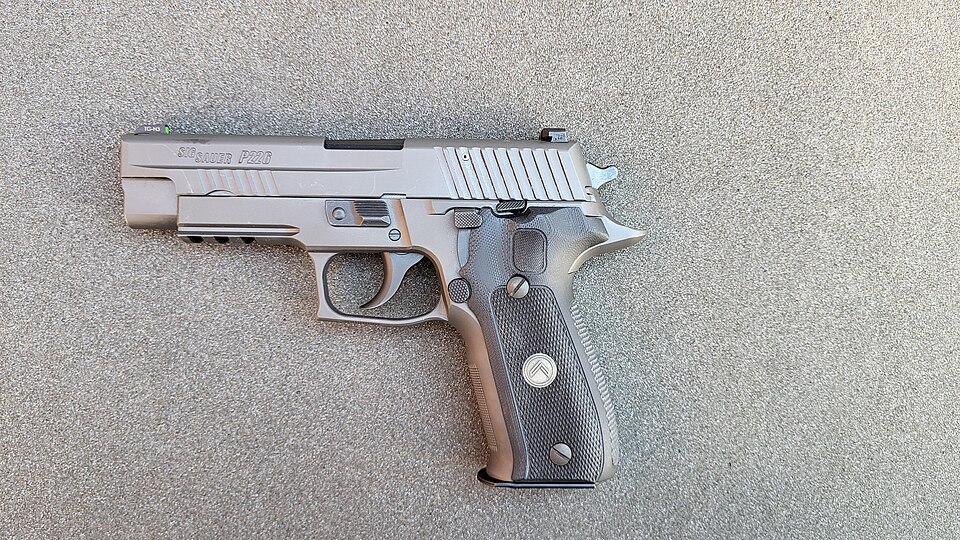
1. SIG Sauer P226 MK25
The P226 MK25 remains one of the clearest examples of a metal-frame service pistol built around harsh-duty expectations. Its lineage runs back to the XM9 era, and the platform’s association with U.S. Navy SEALs gave it a reputation that outlasted many handgun fashions. More important than the reputation is the engineering logic behind it: a full-size 9mm pistol with an aluminum alloy frame, a double-action/single-action trigger system, and internal corrosion protection intended for rough service.
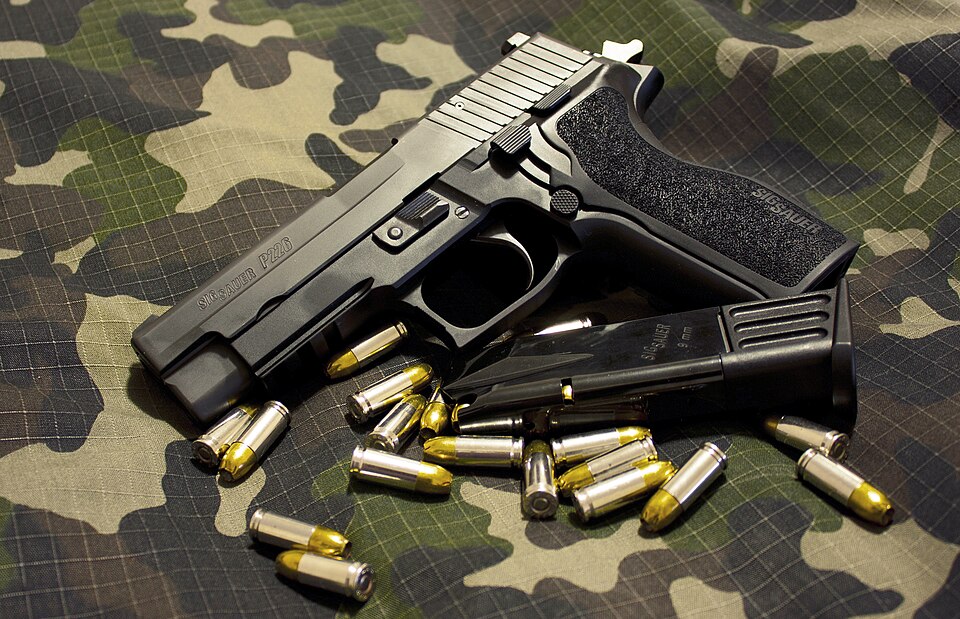
The MK25 variant is especially noted for phosphate-coated internal parts and a build intended to tolerate maritime exposure better than many traditional service pistols. That matters because salt, moisture, and neglect are often what separate acceptable handguns from trusted ones. The platform also benefits from the familiar P226 traits that kept it relevant for decades reliable feeding, manageable recoil, and a crisp single-action follow-up shot once the first round is fired. In an era focused on optics cuts and modular chassis systems, the MK25 still stands out as a purpose-built metal gun that was designed first around reliability in severe use.
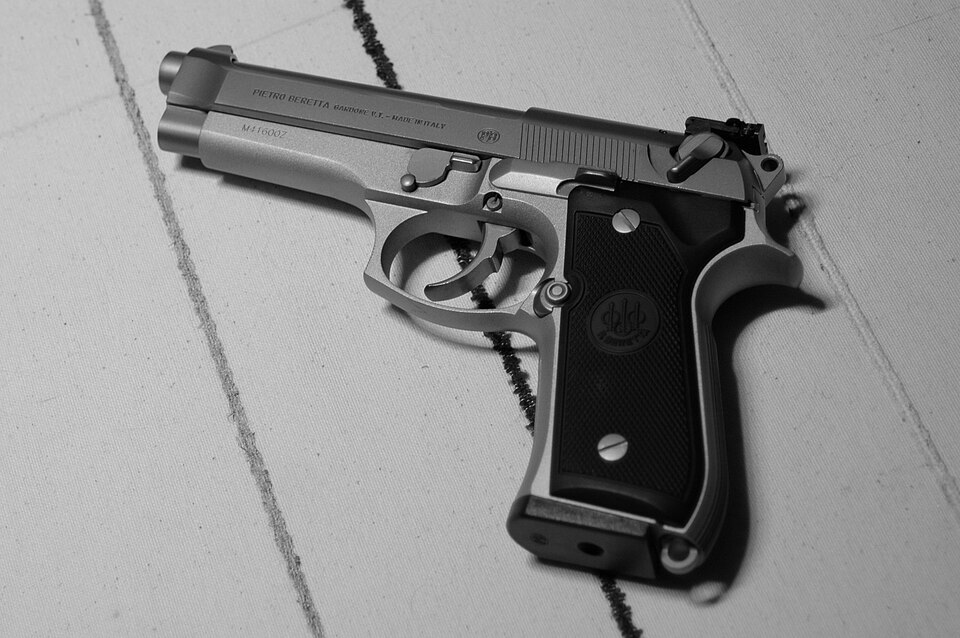
2. Beretta 92FS / M9 Family
The Beretta 92 family secured its place through sheer longevity. When the U.S. military selected the Beretta in the XM9 trials, the decision helped cement the 92-pattern pistol as one of the best-known alloy-frame sidearms in modern service history. Its open-slide design, falling locking block system, and full-size dimensions gave it a very distinct handling character compared with more compact and lighter handguns that followed.

Harsh conditions tend to expose weaknesses in magazines, small parts, and lubrication tolerance, yet the 92 platform endured broad military use for years because its core system was easy to run and easy to shoot well. The locked-breech design and full-size metal frame spread recoil in a way many shooters find forgiving. Its long sight radius and predictable cycling also helped it remain viable in institutional service long after newer striker-fired pistols became the industry norm. The 92’s continuing presence in military and police circles shows that age alone does not push a robust metal-frame design off the field.
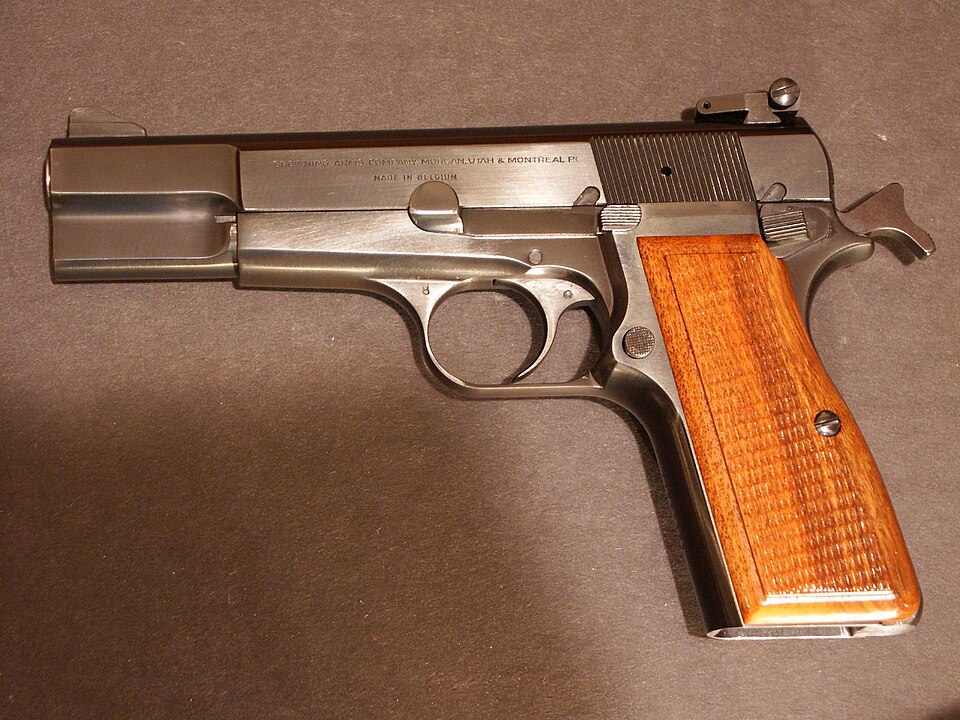
3. Browning Hi-Power
Few sidearms have a longer résumé among military and special-purpose users than the Browning Hi-Power. Built around a steel frame and high-capacity 9mm magazine, it became one of the defining service pistols of the twentieth century. That history matters because elite users often hold onto mature designs when they continue to deliver dependable function with familiar handling. The Hi-Power’s appeal came from a combination of slim ergonomics, solid all-steel construction, and practical shootability.
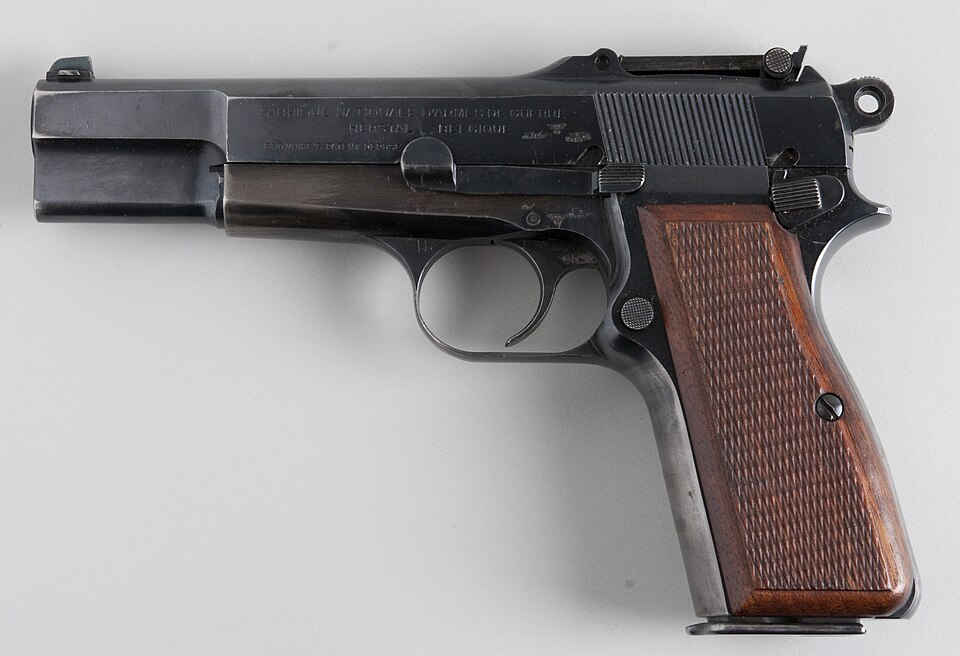
Its weight helped moderate recoil, while its grip profile gave many users a more natural pointing experience than bulkier service pistols. Even as more modern designs replaced it in front-line roles, the Hi-Power continued to appear in specialized and regional service because steel construction, a proven locking system, and a well-understood manual of arms still had value. It is one of the clearest reminders that metal-frame pistols stayed relevant because they worked, not because they were old.
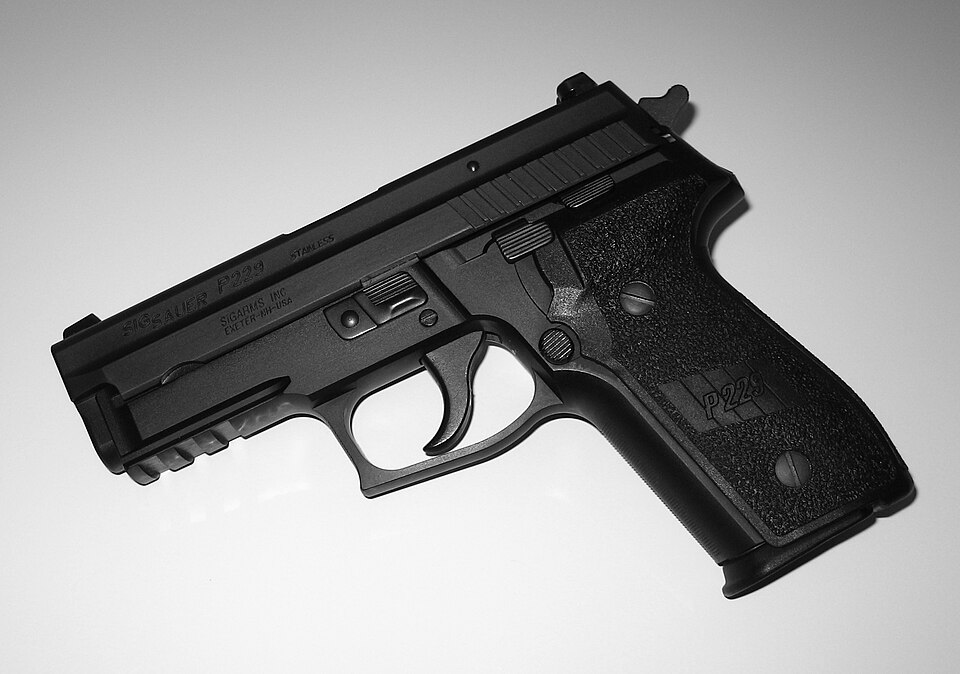
4. SIG Sauer P228 / P229 Series
The larger P226 often gets most of the attention, but the compact alloy-frame P228 and P229 series became trusted working guns in their own right. As noted in broader discussions of metal-framed handguns, the SIG P228 and P229 remained enduring favorites even after the market moved heavily toward polymer. That staying power came from a practical balance of size, controllability, and durability.
These pistols offered much of the SIG classic-series shooting behavior in a more compact envelope. For units needing a sidearm that could bridge overt duty use and more discreet carry, that mattered. The alloy frame kept weight below that of all-steel designs while still preserving the softer recoil impulse and stable feel associated with metal guns. Their double-action/single-action system, robust slides, and long-standing reputation for reliability helped them stay in the conversation long after many contemporaries were retired.
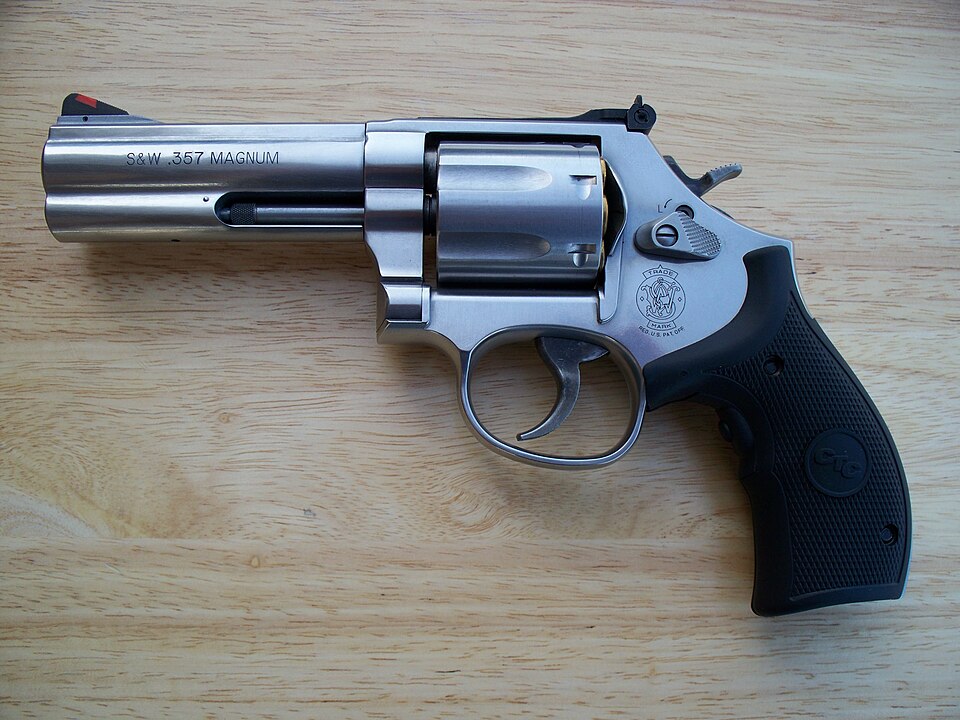
5. Smith & Wesson 686
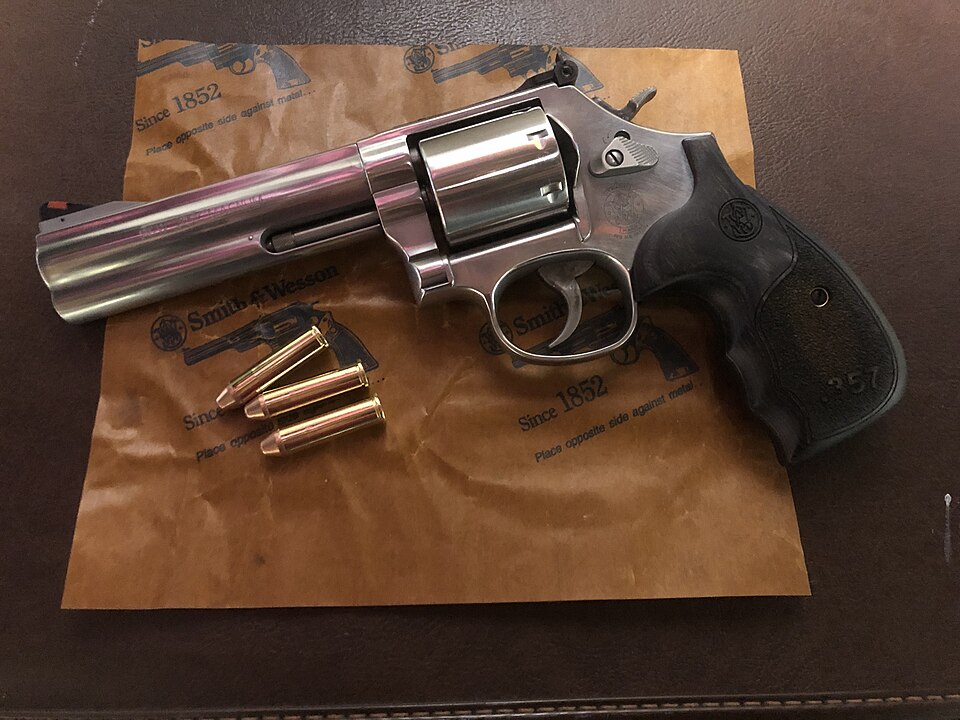
A revolver may seem like an outlier in a discussion centered on elite sidearms, but the Smith & Wesson 686 deserves inclusion because harsh-condition trust is not limited to autoloaders. Built on the L-Frame, the 686 was designed with a thicker top strap and heavier forcing cone to better handle sustained .357 Magnum use. That focus on durability is central to why the platform still carries weight among shooters who prioritize ruggedness above all.
Its stainless construction, substantial mass, and reputation for reliability give it a different kind of harsh-environment credibility. According to RevolverGuy, the 686 is built for hard use with full-power .357 Magnum ammo. The revolver format also avoids some of the magazine-related vulnerabilities that can complicate self-loading pistols in dirty conditions. While it is no longer a mainstream elite-unit sidearm, the 686 remains a benchmark for what a metal-framed fighting handgun can look like when simplicity and strength come first.
Metal-frame pistols persist because their strengths are still tangible. Weight can be a liability on the belt, but it also improves control, especially in full-size service guns. Alloy and steel frames also continue to appeal to users who place a premium on longevity and a settled, predictable shooting cycle. That is why these pistols continue to matter. In difficult environments, trust is usually earned through repetition rather than novelty, and these designs built that trust over years of hard service.


