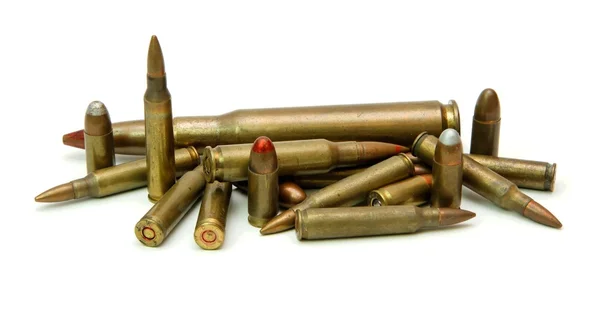
Some hunting cartridges vanish because they were weak ideas. Others get crowded out by louder marketing, newer labels, and the modern habit of treating recoil and velocity like status symbols. The five rounds below fall into the second group. What keeps them relevant is not nostalgia. It is design efficiency: practical case geometry, useful bullet weights, and recoil levels that let hunters shoot well from field positions instead of merely admiring numbers on a box flap.
1. .338 Federal
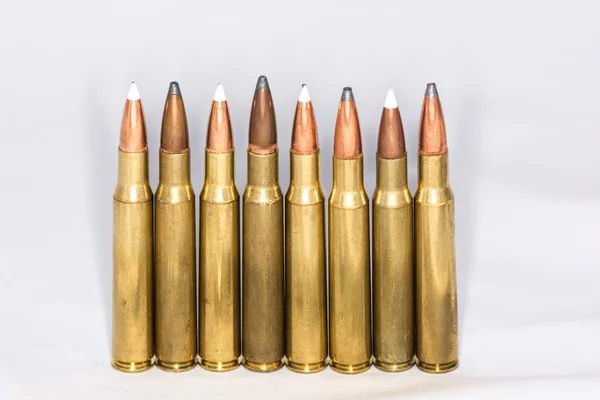
The .338 Federal remains one of the cleanest examples of a smart short-action hunting design. By necking the .308 Winchester case up to .338 caliber, it puts heavier bullets into a compact rifle without dragging the shooter into magnum territory. That formula gives it a very specific identity: a hard-hitting cartridge for close and medium ranges where timber, brush, and uneven shot angles matter more than bragging rights over drop charts.
Its sweet spot is straightforward. Bullets in the roughly 185- to 225-grain class give the cartridge the kind of frontal area and authority many hunters want for larger-bodied game, while the parent .308 case keeps the platform familiar and efficient. Ron Spomer described being “long been kind of peeved” that more hunters have not recognized what the round does well, and that frustration makes sense. The .338 Federal never needed to be exotic; it only needed hunters to notice how much work it could do in a light, handy rifle.
2. 7mm-08 Remington
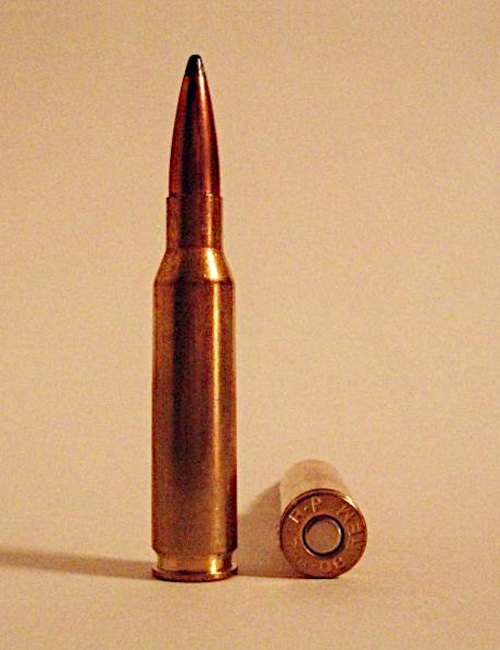
The 7mm-08 is often discussed as if it were merely sensible, but that undersells it. It is one of the best examples of balanced cartridge engineering in the modern deer field: a .308 case necked down to 7mm, enough bullet weight flexibility for varied game, and recoil mild enough to help shooters avoid developing a flinch.
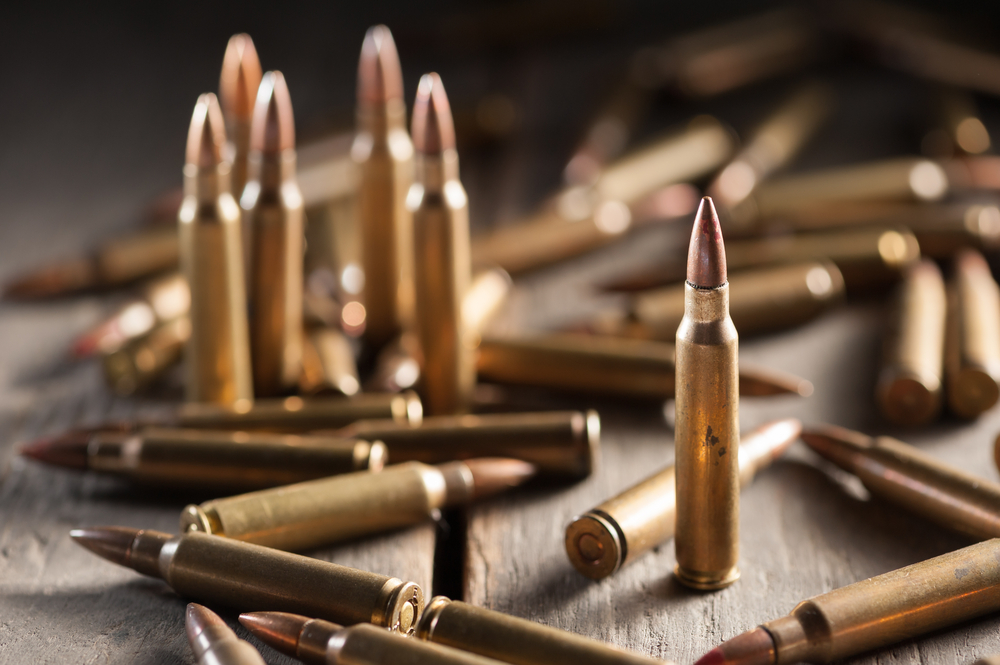
Spomer called it “just about the epitome of the perfect whitetail rifle,” and the phrase fits because the cartridge solves more problems than it creates. It commonly runs well with bullets from about 100 to 175 grains, with many hunters living in the 140- to 150-grain zone for deer. That versatility matters in real rifles, not just on paper. The 7mm-08 carries velocity efficiently, stays manageable in compact actions, and asks very little from the shooter in return. In a market that keeps chasing novelty, the 7mm-08 keeps winning through manners.
3. .35 Whelen
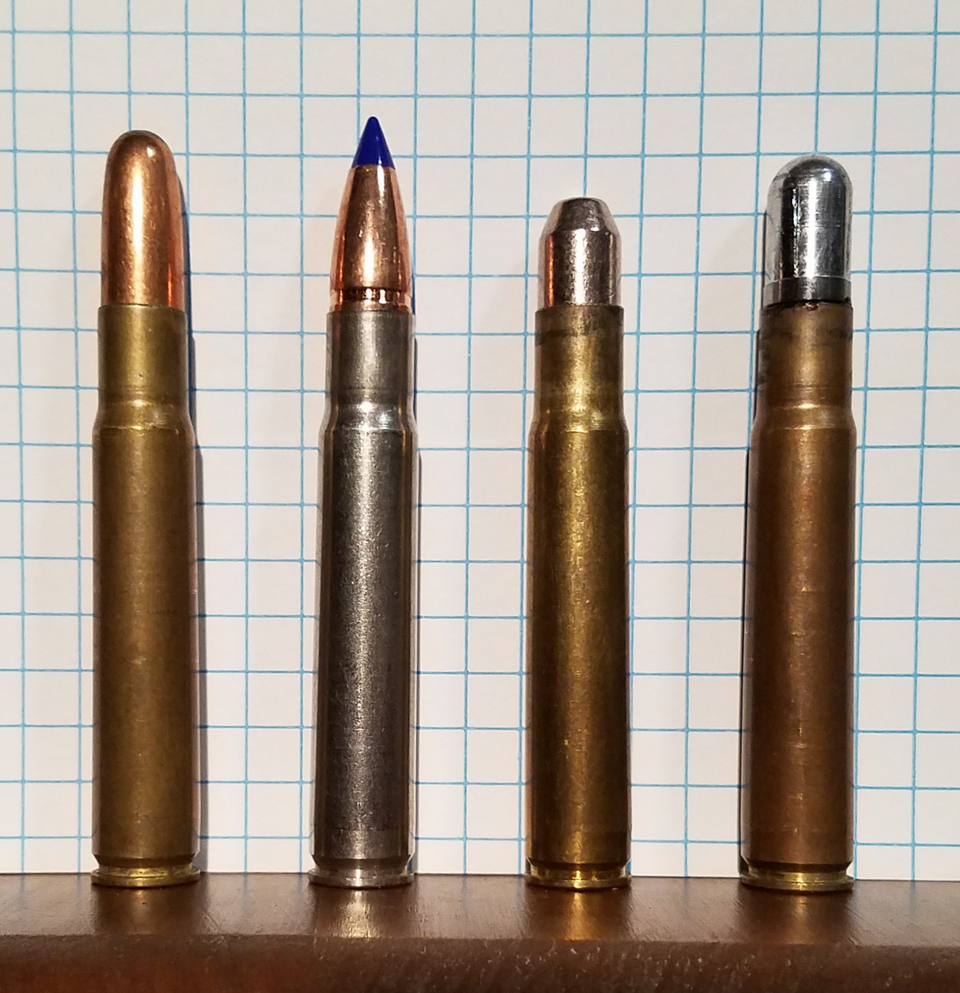
The .35 Whelen has spent decades proving that a standard-length action can carry serious authority. It is essentially the .30-06 necked up to .358, a layout that earned it the old nickname “the poor man’s magnum.” That label stuck because the cartridge offered big-game punch without requiring the cost, bulk, or recoil profile associated with classic magnums.
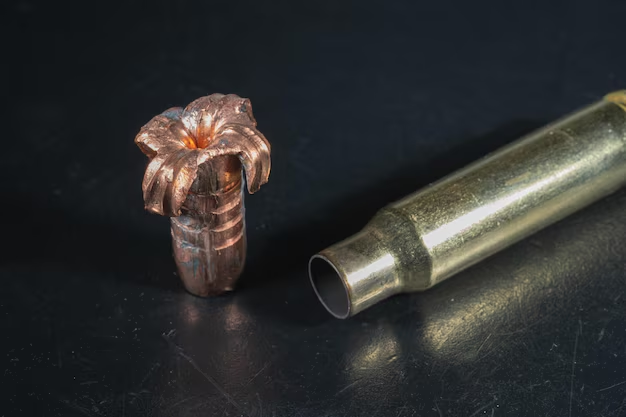
Its reputation is not built on myth alone. Factory standardization arrived in 1987, but the concept reaches back to the 1920s, when the .30-06 case was adapted to carry .35-caliber bullets. More important than the history is the performance window. A typical 200-grain load around 2,675 fps puts the Whelen squarely in the category of cartridges that hit hard without becoming punishing to shoot. American Hunter even noted that with a 200-grain Barnes TTSX, its trajectory runs close to a .30-06 with a 180-grain bullet, which undercuts the old “brush gun only” stereotype. For elk, moose, bear, and woods hunting where penetration matters, the Whelen remains one of the more rational heavy-bullet answers ever built.
4. .280 Remington
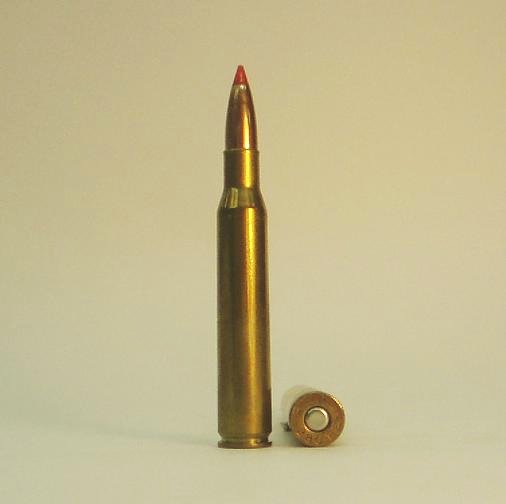
The .280 Remington may be the best-known cartridge on this list, but it is still oddly underappreciated for what it offers. Built on the .30-06 family case and necked to 7mm, it occupies a useful middle ground: more bullet-weight flexibility than the .270 Winchester, less fuss than magnum 7mms, and enough reach for hunters who want one rifle to cover a broad slice of North American game.
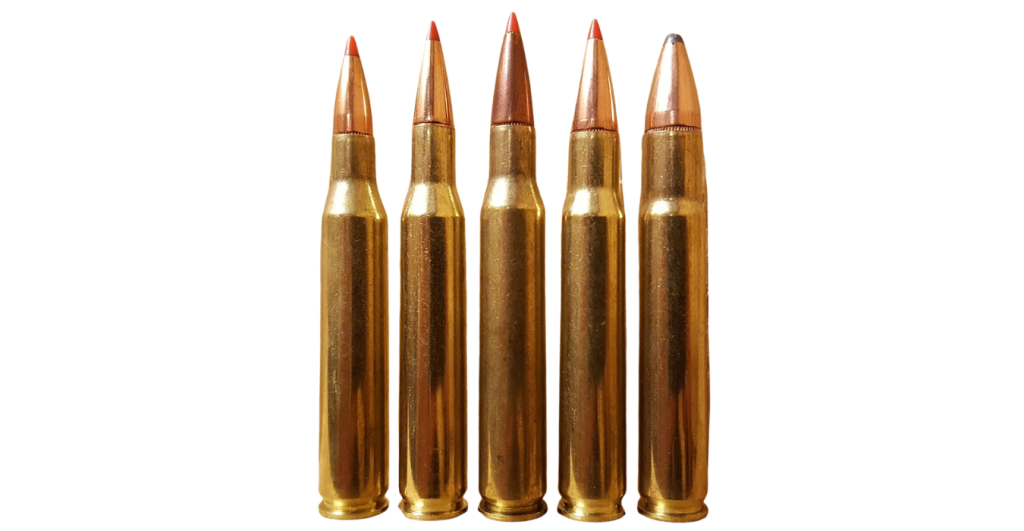
Its biggest weakness was never design. It was timing. The .270 had already captured mindshare, and the .280 arrived looking too similar to trigger mass excitement. Yet the cartridge has always had an engineering edge for hunters who value bullet selection, especially at the heavier end where 7mm projectiles offer excellent sectional density and useful ballistic efficiency. Griffin also pointed out a practical detail that handloaders and experienced hunters appreciate: the .280 Ackley Improved can use standard .280 Remington ammunition in a properly cut chamber, making it a flexible branch of an already flexible cartridge family.
5. .257 Roberts
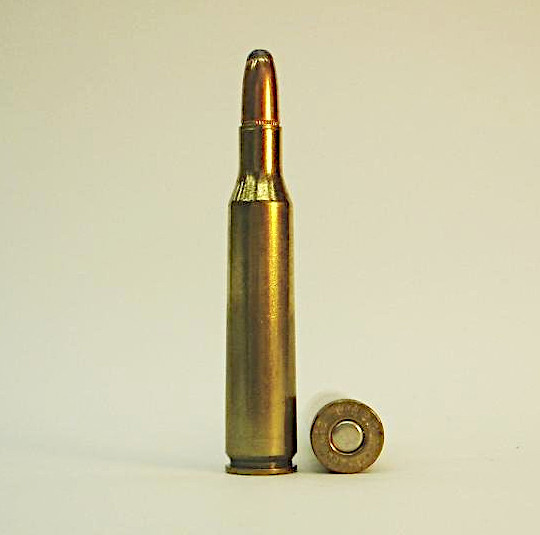
The .257 Roberts survives because it does nearly everything a deer-and-pronghorn rifle needs to do without fuss. Based on the 7×57 Mauser case necked down to .25 caliber, it built its reputation on mild recoil, useful velocity, and field performance that never depended on noise or overkill. That formula still holds. Modern load data includes examples of .25-caliber bullets being limited more by market attention than by capability, which helps explain why the Roberts faded from view while newer 6mm and 6.5mm cartridges took over shelf space.
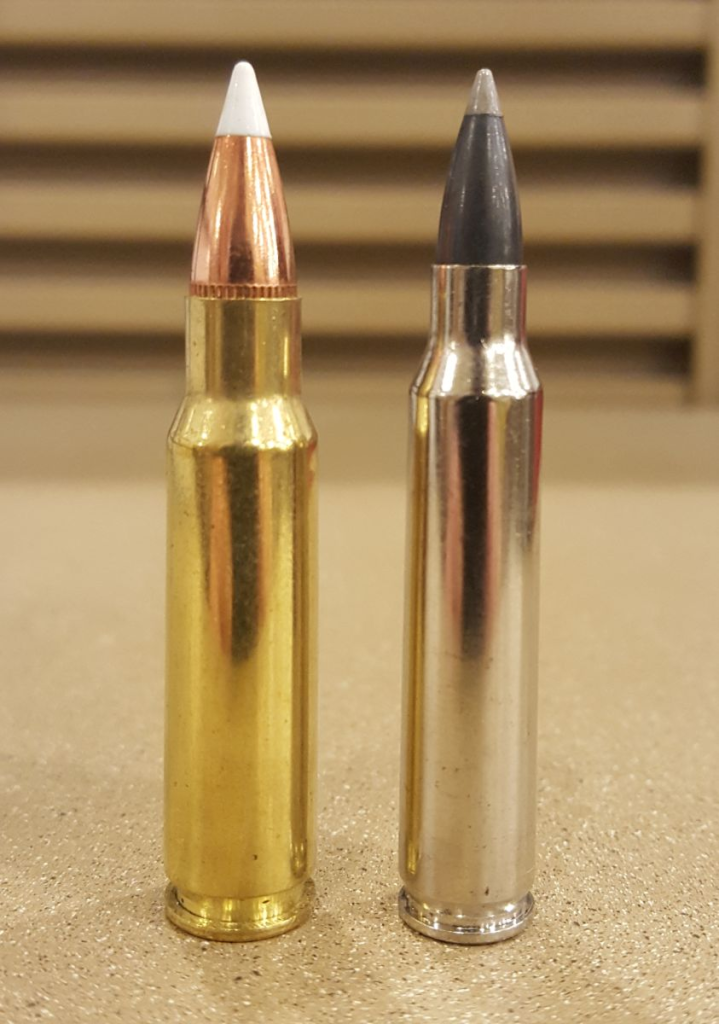
Even so, published reloading figures still show the cartridge running a 100-grain bullet at about 3,000 fps class performance in comparable practical hunting terms. The Roberts also carries an unusual technical distinction: it is one of the few common rifle cartridges with a SAAMI +P specification, reflecting how much performance earlier factory loads left untapped. For hunters who value shootability over fashion, the old Bob remains a very modern idea.
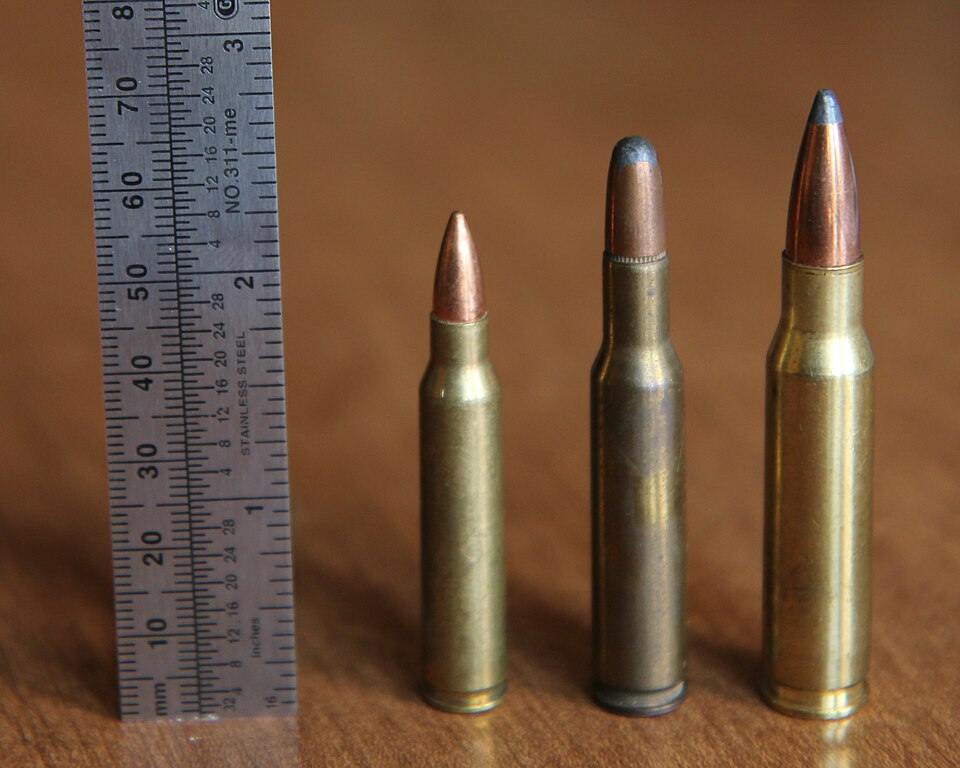
What ties these cartridges together is a refusal to play the current game. None depends on hype, and none needs extreme recoil or oversized cases to justify its place in a deer camp or elk camp. They continue to matter because cartridge design is still about tradeoffs. The rounds that endure are often the ones that launch a good bullet at a sensible speed, fit practical rifles, and help hunters shoot better when the moment is real.


