The modern striker-fired pistol was built around simplicity, parts commonality, and easy maintenance. That formula helped make the format dominant with civilian shooters, law enforcement users, and a large aftermarket ecosystem. It also created a new engineering headache. When one platform becomes the template for slides, frames, trigger components, sights, and internal geometry, every design shortcut starts carrying consequences beyond the original gun.
1. Parts compatibility can become legal exposure
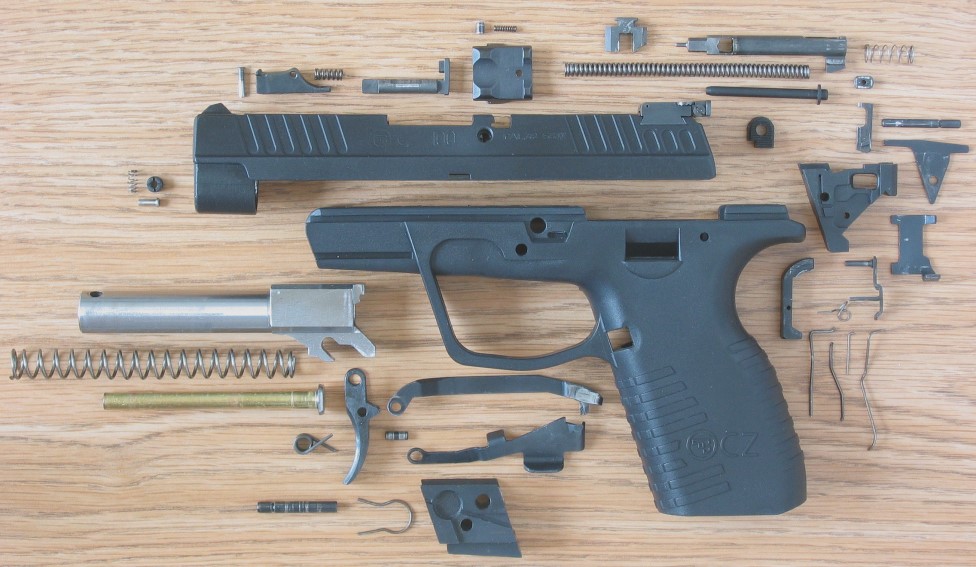
Compatibility has long been treated as a market advantage, especially in the Glock-pattern world where owners expect broad access to holsters, sights, magazines, and internal upgrades. Ruger leaned into that with the RXM, describing maximum flexibility and customization via a removable stainless steel Fire Control Insert inside an interchangeable grip frame. That same design openness is now being scrutinized as a liability issue. The concern is not ordinary customization by itself, but whether broad Gen 3-style interchangeability creates a pathway for illegal conversion parts to fit more easily across brands. In practical terms, a feature once marketed as convenience now sits at the center of an engineering and legal debate.

2. Predictable misuse is changing how handgun design is judged
For decades, product-liability arguments in firearms largely centered on defects, malfunctions, or misuse tied to a specific incident. A more aggressive theory now focuses on whether unlawful modification was foreseeable even before any specific example involving a new model becomes widely documented. That shift matters because it pressures manufacturers to think less like traditional gun designers and more like risk managers. If foreseeable abuse becomes enough to trigger redesign demands, then future pistols may be shaped as much by courtroom exposure as by handling, shootability, or reliability.
3. Striker-fired simplicity cuts both ways
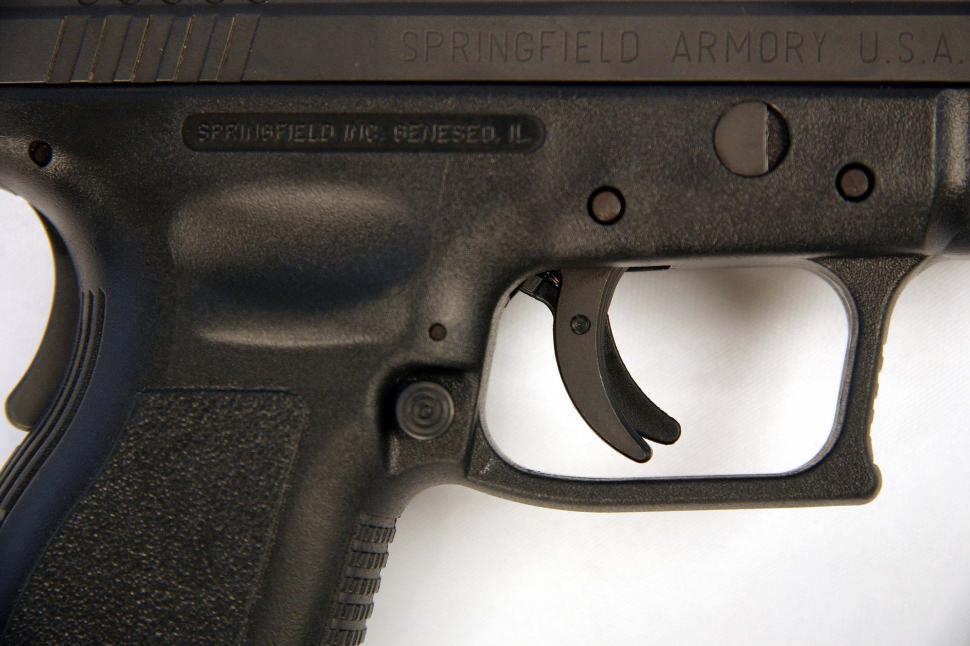
Striker-fired pistols became the industry standard because the system uses fewer parts and offers a consistent trigger pull. A basic overview of the format notes that the striker action requires very few parts, which helps keep maintenance straightforward and manufacturing efficient. But a simpler action also concentrates attention on a few critical interfaces: trigger shoe mass, sear engagement, internal safeties, slide geometry, and frame tolerances. When controversy hits a striker-fired design, the argument is rarely about ornament or styling. It is about whether a minimalist internal system still leaves enough margin against unintended discharge or unlawful modification.
4. Drop safety remains a brand-defining weakness
One of the clearest lessons from the striker-fired era is that a pistol can pass standard expectations and still face serious scrutiny once edge-case testing reaches public view. Independent testing on a SIG P320 found discharges when dropped from approximately four feet onto a hard surface in a very specific orientation. That episode widened the design conversation across the category. It reminded manufacturers that users and critics do not separate “normal test protocol” from “unlikely but repeatable real-world orientation” once a safety question is visible. In engineering terms, passing a baseline standard is no longer enough if the pistol still shows a vulnerability at the margins.
5. Modular fire-control systems bring freedom and scrutiny together
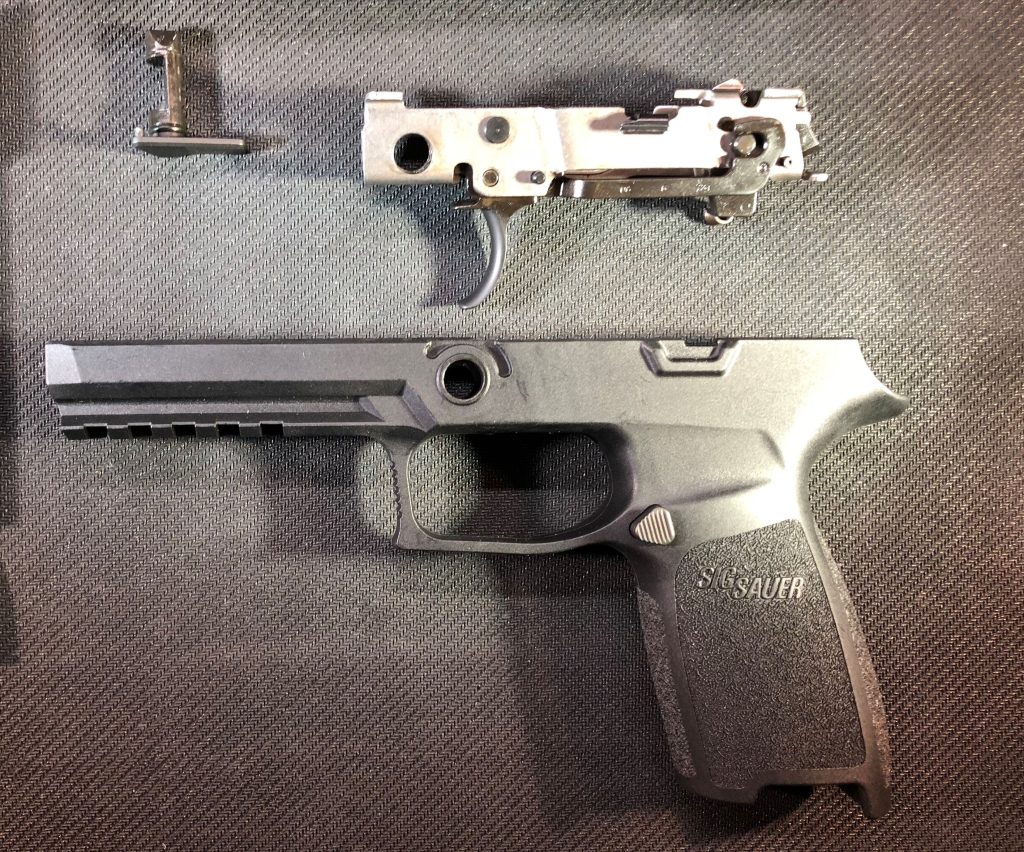
Serialized chassis systems and removable fire-control inserts have obvious appeal. They let one core mechanism live inside different grip modules, reduce production complexity, and make size changes easier without rebuilding the whole pistol. They also attract close attention because the core firing unit becomes the heart of the gun’s identity. If a modular insert can move across frames and configurations, then every dimension around it matters more. The upside is flexibility. The downside is that any disputed weakness can appear scalable across an entire family of compatible products.
6. Aftermarket culture now shapes factory engineering
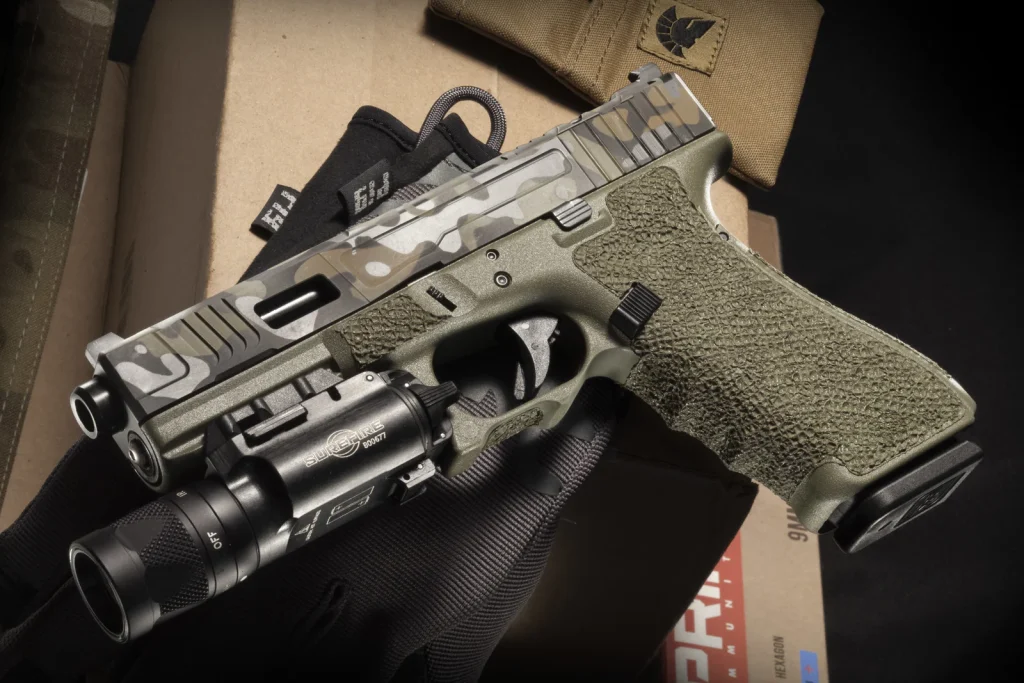
Manufacturers no longer design in isolation. They build for an audience that expects optics cuts, sight swaps, trigger changes, magazine well add-ons, grip modules, and cross-brand experimentation. That demand has helped make pistols more adaptable, but it also means factory engineers are designing around an ecosystem they do not fully control. This is where the pressure intensifies. Once a handgun is known as a clone-friendly or pattern-compatible platform, public commentary, accessory listings, and user modifications can all be pulled into larger arguments about intent, awareness, and design foresight. The pistol is judged not only as a product, but as a hub.
7. 3D printing weakens the redesign argument
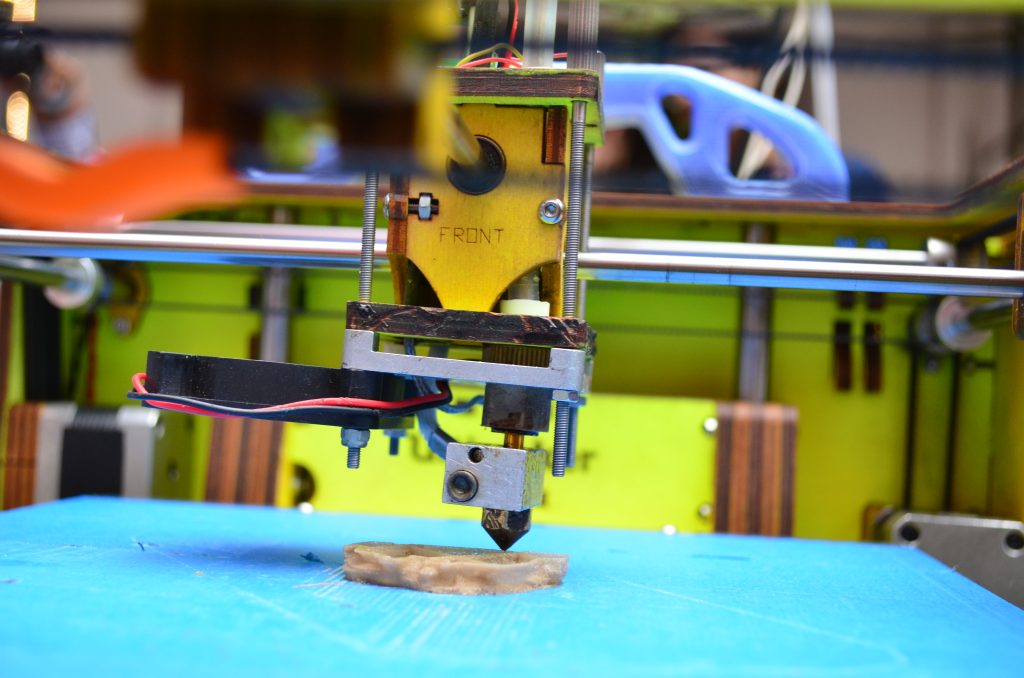
Illegal conversion devices changed the landscape because they no longer depend entirely on traditional machining or established supply chains. Small polymer parts can now be produced with consumer-grade tools, and online file sharing has made the spread of designs much harder to contain. That complicates claims that a manufacturer can solve the entire problem through factory revision alone. Design changes may close one route, but decentralized printing and iterative file sharing can keep opening others. For engineers, this means “fixing the gun” no longer guarantees control over the broader threat.

8. State-level rules are fragmenting the design map
Handgun makers increasingly face a patchwork of state laws that do not treat platform compatibility, conversion risk, and civil liability the same way. A pistol that is commercially ordinary in one market may become strategically problematic in another. That creates a difficult choice: maintain one nationwide configuration, redesign for restrictive jurisdictions, or segment product lines. None of those paths is simple. Each one affects tooling, compliance review, warranty support, and long-term brand consistency.
9. Reputation now turns on what a design seems to invite
The firearm industry has always been sensitive to function, durability, and price class, but modern pressure campaigns often focus on symbolism as much as mechanics. A pistol can be criticized not only for what it does, but for what critics say its architecture makes too easy. That is why the debate around Glock-pattern clones matters well beyond a single model. It reaches into how companies describe compatibility, how they market modularity, and how much preventive engineering they adopt before a defect or misuse claim hardens into a broader narrative.
The larger issue is not whether modular striker-fired pistols are fading. They are not. The issue is that the category’s biggest strengths simple internals, interchangeable parts, and broad aftermarket support are now the same areas receiving the hardest scrutiny. For manufacturers from Glock-pattern specialists to established names like Ruger, the next phase of pistol design looks less like a race for features and more like a race to close vulnerabilities before somebody else defines them first.


