

Handgun caliber arguments often get louder than the data behind them. Ballistic gel does not predict every real-world outcome, but it does something useful: it shows which rounds keep delivering enough penetration and consistency when clothing, short barrels, and imperfect conditions start working against them. For defensive handguns, that matters because the performance window is already narrow, and the farther a cartridge falls from it, the less room remains for anything less than an ideal hit.
The recurring benchmark is the 12 to 18 inches penetration window used in handgun testing. It is not a magic formula, but it remains the standard comparison point because handguns, as one major test project bluntly put it, largely “poke little holes” unless a bullet reaches deep enough to disrupt vital structures. The seven cartridges below are not harmless, obsolete, or useless in every role. They are simply the rounds that sound more practical than their test performance usually supports.
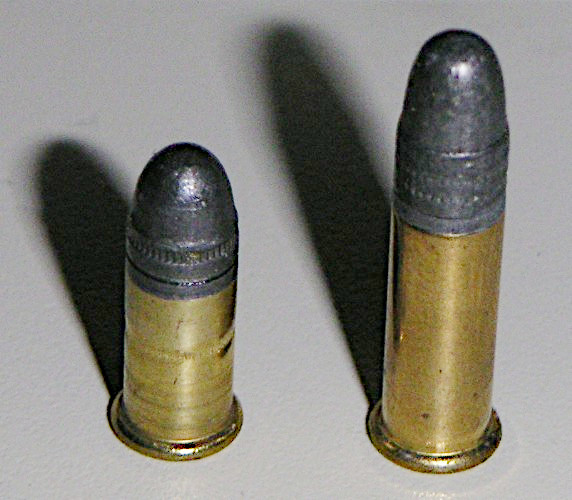
1. .22 Short
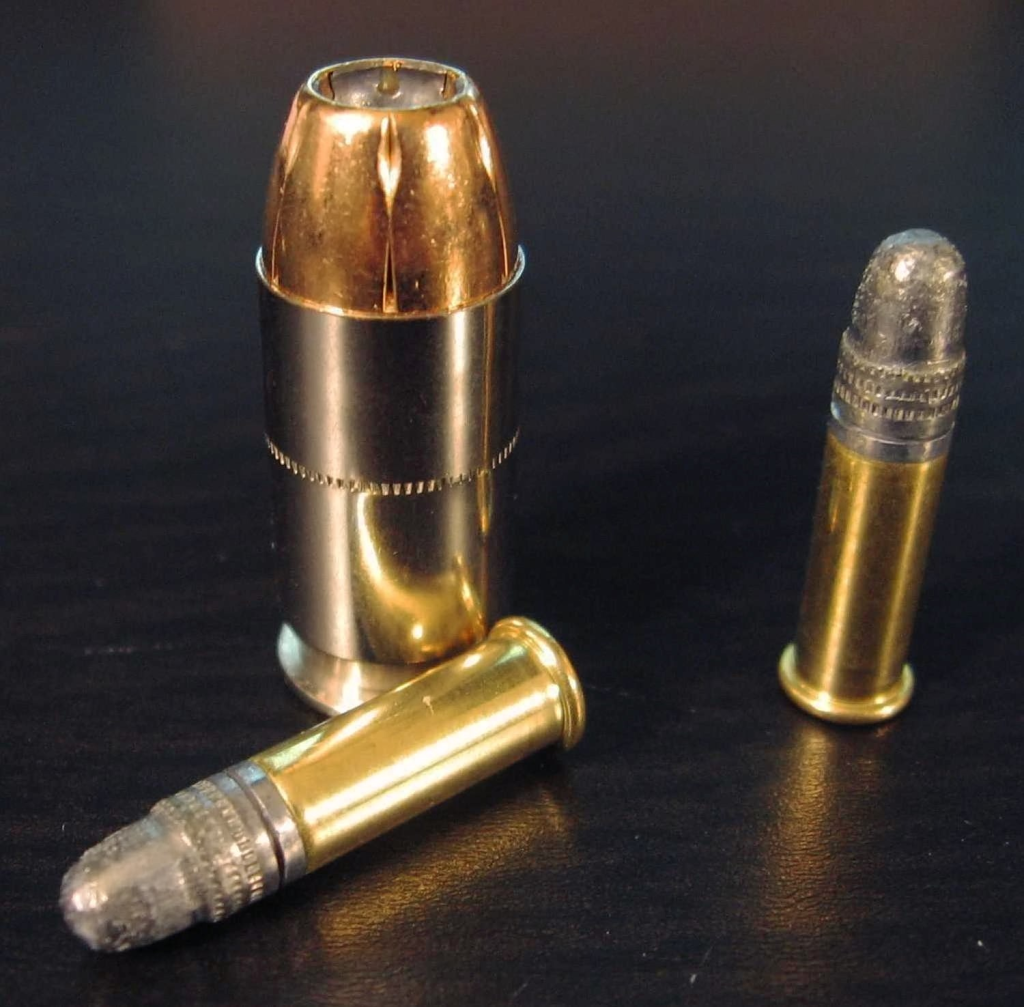
.22 Short survives on charm, tiny recoil, and old-school pocket-gun appeal. It still has a place for informal shooting and very light utility work, but that reputation does not transfer cleanly into defensive use. The problem is basic physics. With a very light bullet and limited velocity, .22 Short offers little reserve once bone, thick clothing, or an off-angle entry starts eating up penetration. Modern handgun testing repeatedly points back to the same lesson: small cartridges can work, but when they start below the baseline, they give up too much margin for error.
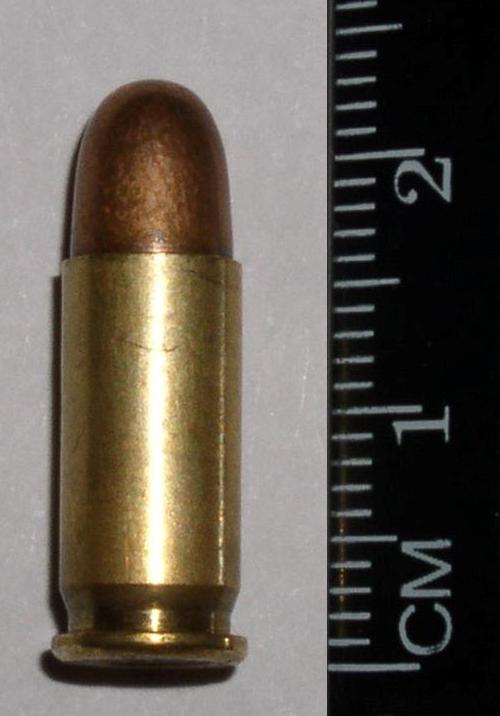
2. .25 ACP
.25 ACP was designed to fix one genuine weakness of tiny rimfire pistols by offering centerfire ignition in true pocket guns. That reliability advantage is real, and it explains why the cartridge still has defenders. Its weakness shows up in tissue simulant. In one pocket-pistol test series, only one load managed to land all five bullets past the 11-inch mark. That is the kind of result that keeps .25 ACP in the “better than nothing, but not much more” category. When a cartridge starts out this small, expansion is rarely a rescue plan because any extra bullet width usually costs the penetration it could least afford to lose.
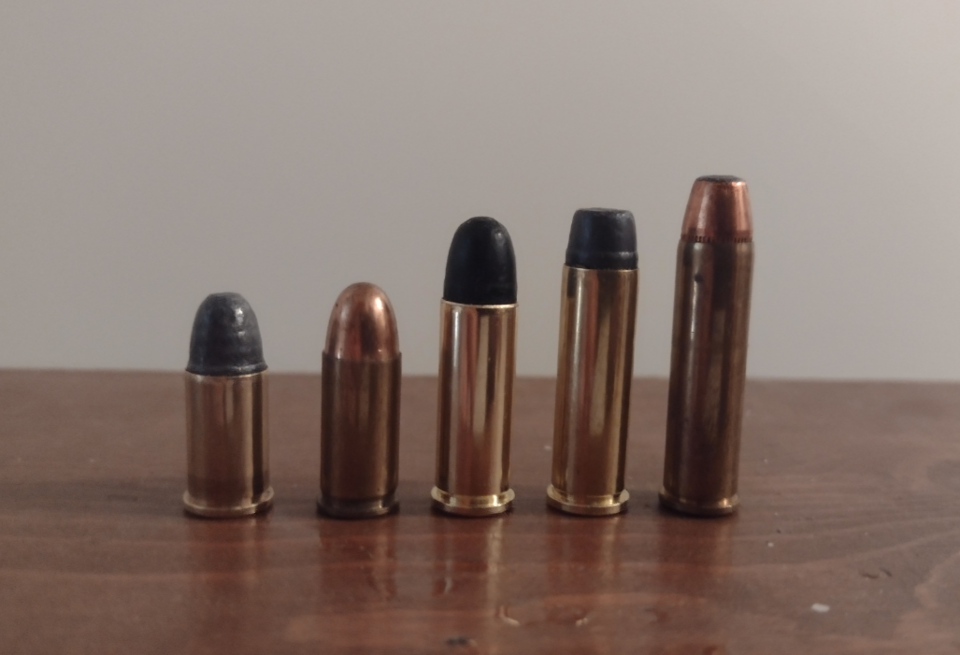
3. .32 S&W
The original .32 S&W belongs to an earlier era of revolver expectations. It is pleasant to shoot, mechanically interesting, and still encountered in older handguns that remain fully functional. It also reflects the limitations of its time. Compared with later .32-family rounds, it lacks the speed and bullet design support needed to stay competitive by modern defensive standards. That gap helps explain why shooters looking for controllable small-bore revolver performance moved toward .32 H&R Magnum and .327 Federal Magnum, both of which deliver a far more credible penetration envelope.
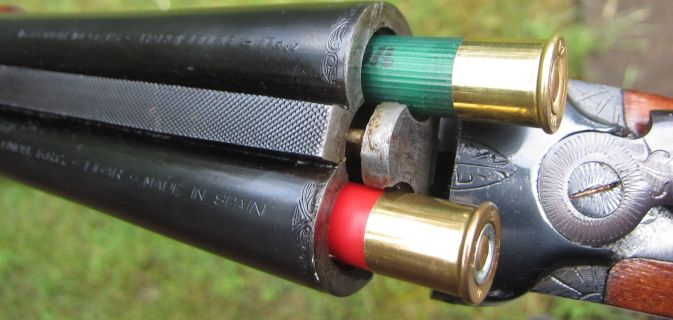
4. .410 Bore From a Handgun
The appeal is obvious: multiple projectiles, broad pattern, simple point-and-shoot logic. In a defensive handgun, that idea sounds persuasive right up until the barrel length and load choice start cutting it apart. Birdshot is the usual trap. Testing has shown about 7 inches of water penetration in one close-range series, far short of what defensive standards are built around, while buckshot and slug loads go much deeper. The handgun format also muddies the neat “spread solves everything” sales pitch. Rifling, low velocity, and inconsistent pellet behavior can produce a wide pattern without producing the depth that actually decides whether the load remains useful.
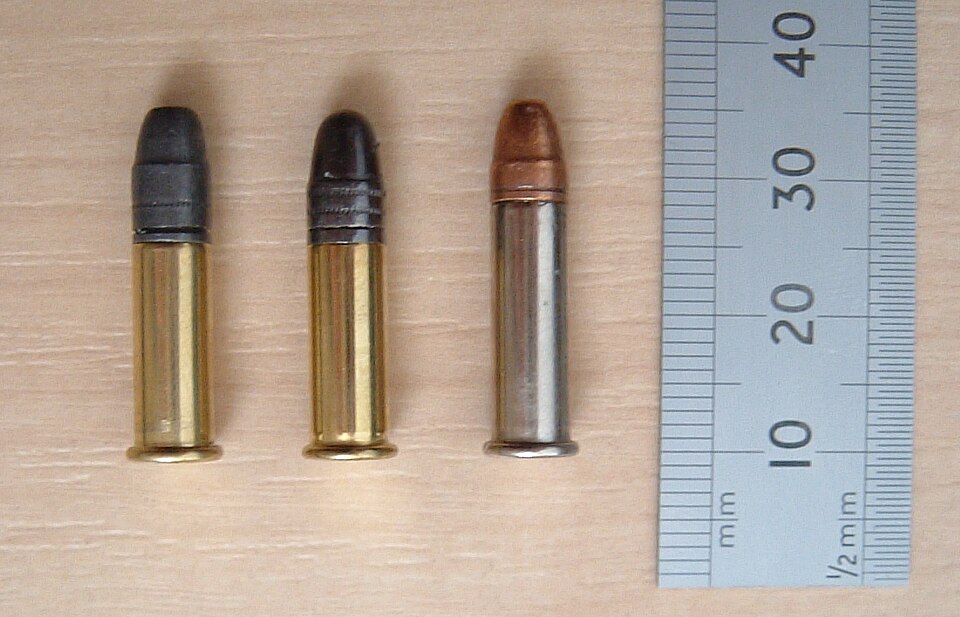
5. .22 LR in a Defensive Handgun
.22 LR is easy to shoot, easy to carry, and easy to find. Those strengths are exactly why it stays in the conversation. Its defensive weaknesses are just as durable. Rimfire ignition remains less robust than centerfire, and short barrels can strip away enough speed to make performance highly load-dependent. In pocket-gun testing, a move from a 1.9-inch barrel to a 4.4-inch barrel produced an average 126 fps increase, which is a major reminder that the same cartridge can behave very differently depending on platform. Even then, the common advice in testing stays consistent: prioritize penetration, because expansion in .22 LR handguns is unreliable and often comes at the wrong tradeoff.
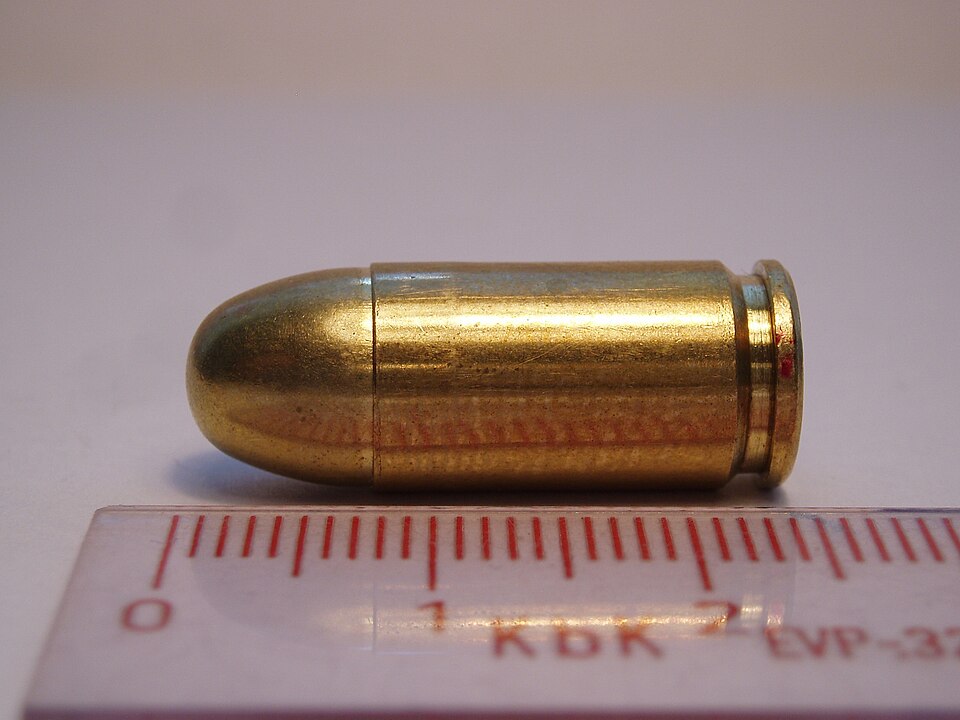
6. .380 ACP With FMJ
.380 ACP sits on the edge of practical defensive performance, which is why ammunition choice matters more here than many shooters want to admit. The caliber itself can work, but it does not have much extra to spare. FMJ is often treated as the easy answer for penetration, yet the wider data set on .380 shows a cartridge that frequently forces a compromise between depth and bullet upset.
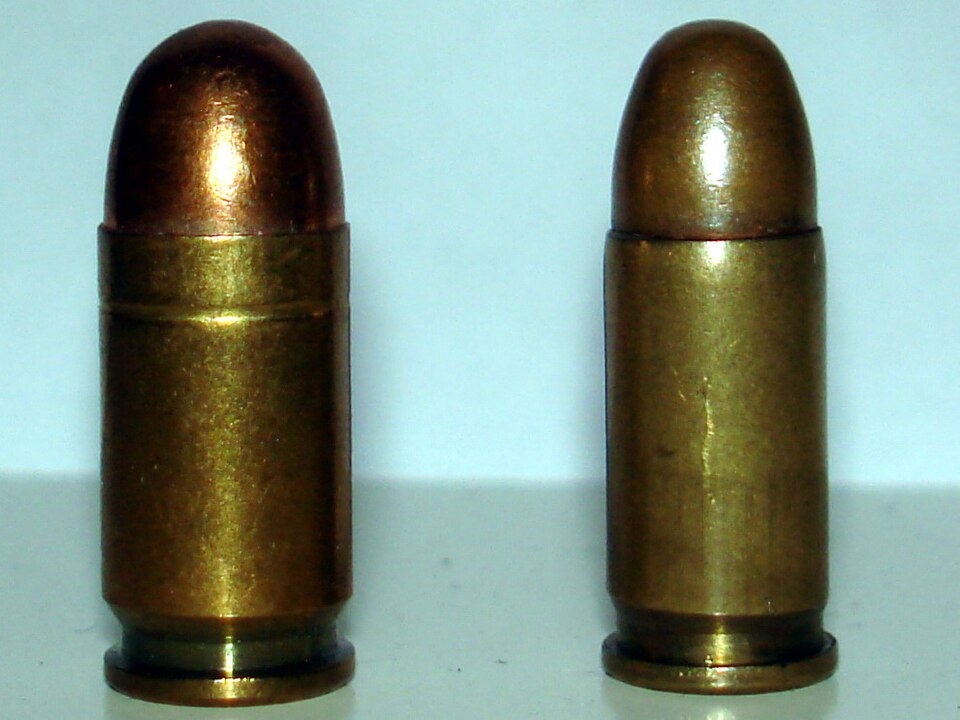
A large gel project that examined dozens of handgun loads found .380 produced the weakest overall performance among the major service-adjacent calibers tested, with many loads showing either good penetration and little expansion or decent expansion with shallow depth. In a caliber already operating near the floor, that kind of tradeoff becomes hard to ignore.
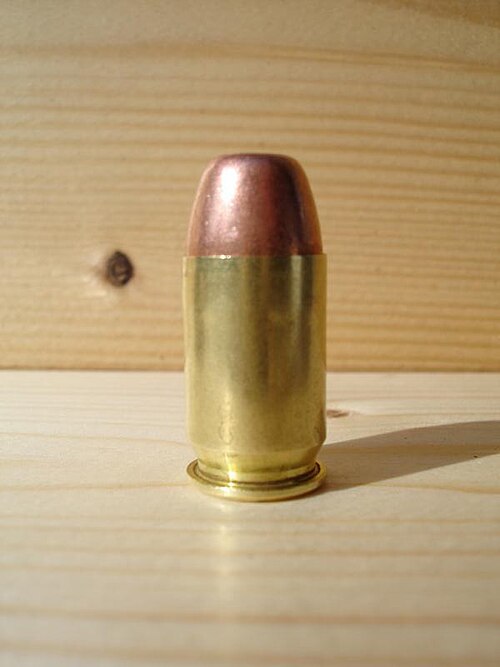
7. .45 GAP
.45 GAP was a technical solution to a packaging problem: deliver .45-class performance from a shorter cartridge in a more compact grip frame. On paper, that was a sensible engineering exercise. Its problem was not raw concept but staying power. The round never built enough long-term platform support, ammunition variety, or practical advantage over .45 ACP to become a durable choice. In ballistic terms it did not open a new capability lane, and in market terms it asked shooters to adopt a niche when the mainstream answer was already sitting on the shelf.
The larger lesson in all seven cases is not that every small or unusual cartridge is automatically disqualified. It is that defensive handguns already operate with slim margins, and cartridges that struggle with penetration, ignition reliability, or repeatability trim those margins even further. That is why gel testing keeps dragging the conversation back to the same unglamorous standards: adequate depth, dependable expansion, and consistency through clothing. When a round cannot deliver those with regularity, nostalgia and clever packaging stop carrying much weight.


