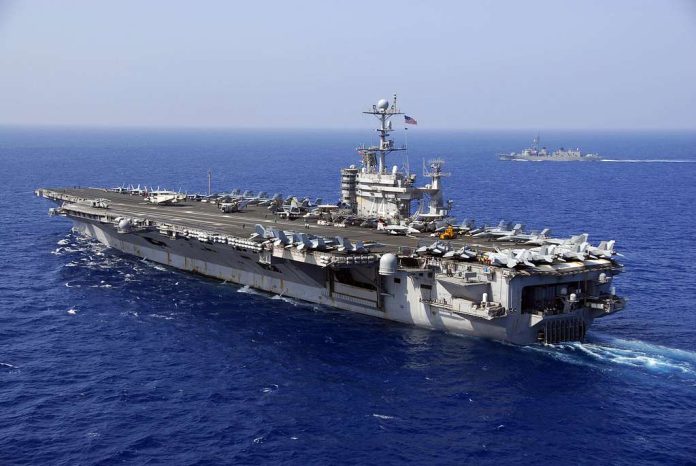
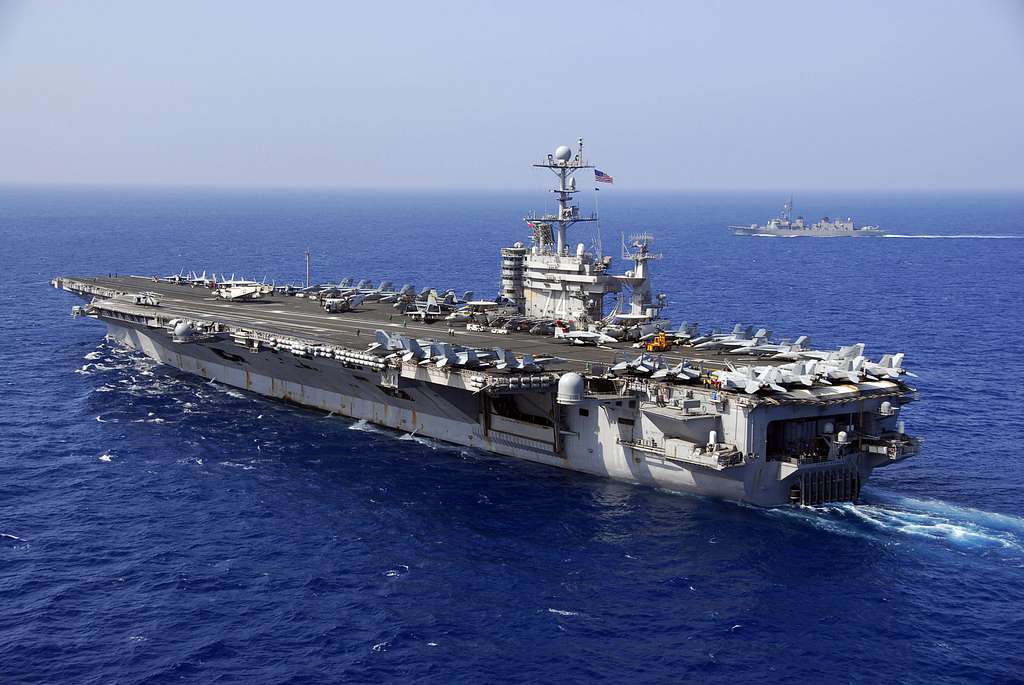
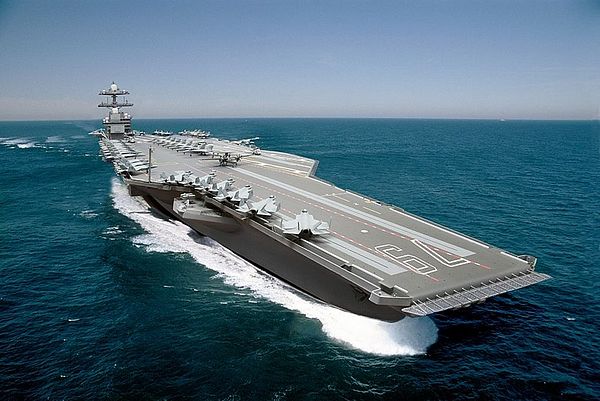
A U.S. supercarrier was built around a simple idea: bring a mobile airfield anywhere on earth and trust movement, escorts, and distance to keep it alive long enough to matter. That logic still explains why carriers remain central to naval power. It no longer explains survivability on its own. The harder problem now is being found. Modern sensors, persistent tracking, electronic surveillance, and long-range weapons have pushed the carrier debate away from deck size and sortie generation toward something less visible but more decisive: whether a fleet can prevent a targeting picture from becoming a firing solution.
1. The ocean is no longer reliably opaque
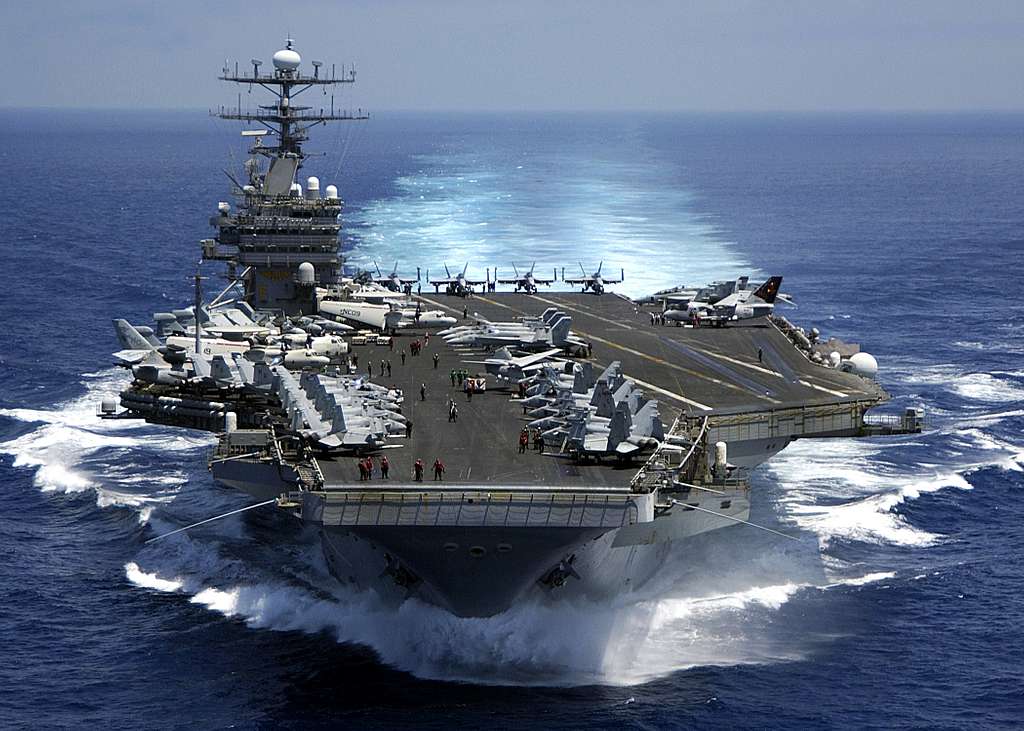
Carriers once benefited from the sheer scale of the sea. Today, that advantage has narrowed as civilian satellites can intermittently track carriers, especially near coastlines and chokepoints. Optical systems, synthetic-aperture radar, and a growing number of commercial constellations have changed what mobility means in practice.
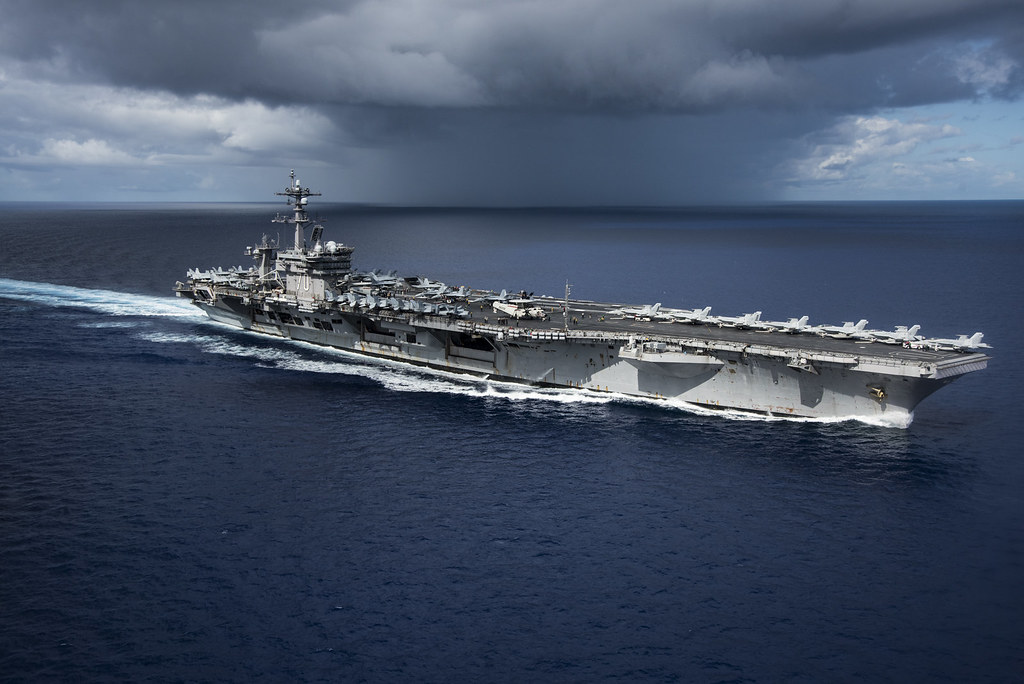
A ship the size of a Nimitz-class carrier still moves, but movement alone no longer guarantees uncertainty. If a location can be refreshed often enough, the contest shifts from sailing away to disrupting the entire chain of detection, identification, handoff, and strike.
2. Emission control has become a weapon, not a procedure
Radar use, communications windows, and even routine electronic activity can betray a force that is trying to remain difficult to map. In a contested environment, emission control is no longer a support discipline. It is part of combat power.
That is why modern fleet operations increasingly treat the electromagnetic spectrum as maneuver space. A carrier strike group that limits signatures, relies on passive sensing, and uses off-board systems more carefully is not simply operating quietly. It is trying to deny the enemy a coherent picture of where the most valuable ship in the formation actually is.
3. Deception is becoming as important as defense
Hiding a carrier does not always mean making it invisible. It can also mean making the enemy wrong. Recent U.S. Army training showed how inflatable decoys paired with false radio signals could lure opposing forces into attacking fake targets and exposing themselves.
At sea, the same logic scales upward. Decoys, false emissions, spoofed signals, and manipulated sensor returns can force an opponent to sort through multiple false tracks instead of a single clean target. For a supercarrier, that confusion is not cosmetic. It buys time, creates hesitation, and can break the precision required for long-range anti-ship weapons.
4. Long-range missiles punish any targeting success
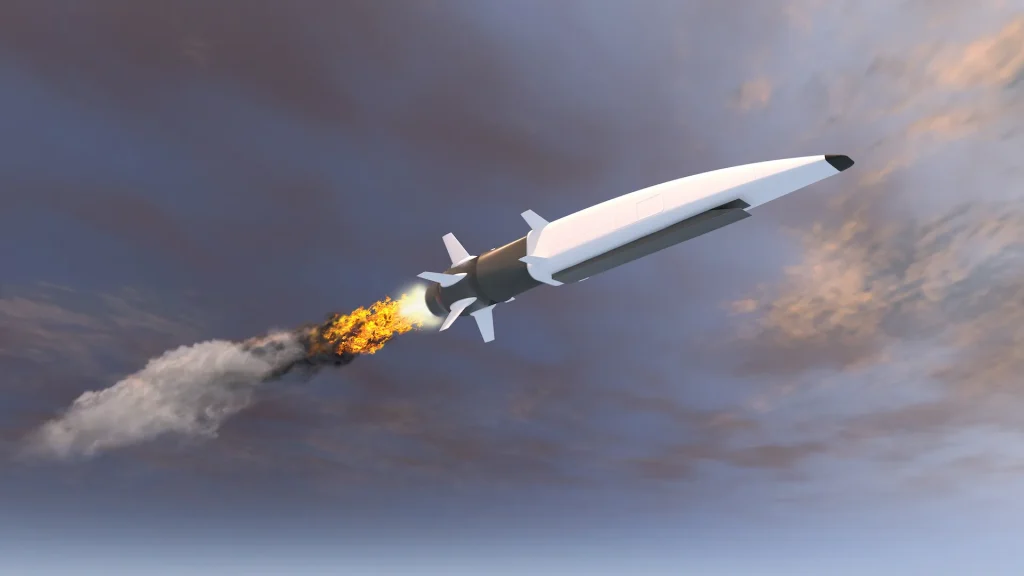
The danger is not only that a carrier can be spotted. It is that modern anti-ship weapons have become faster, more networked, and harder to stop once cued. Analysts have warned for years that maneuvering missiles and hypersonic anti-ship weapons compress defensive timelines and stress even layered naval defenses.
That pressure changes the geometry of carrier operations. The farther offshore a carrier stays to reduce risk, the more strain falls on aircraft range, tanker support, and sustained sortie generation. Carriers still project power, but they increasingly do so under a harsher tradeoff between reach and exposure.
5. Distributed firepower is becoming the Navy’s answer
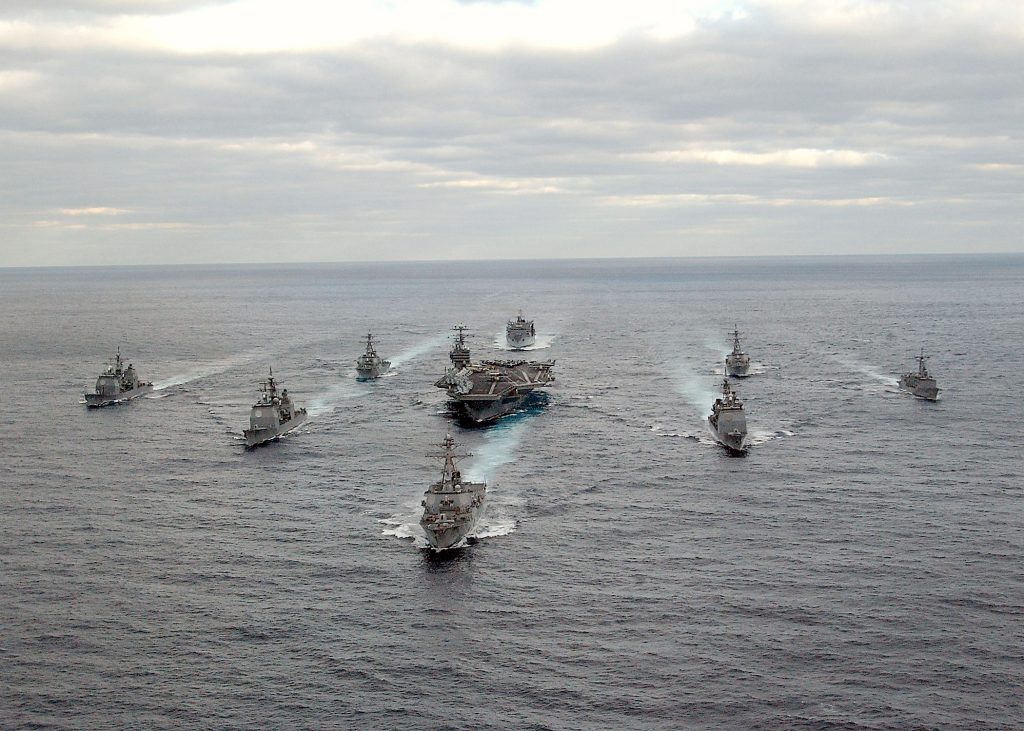
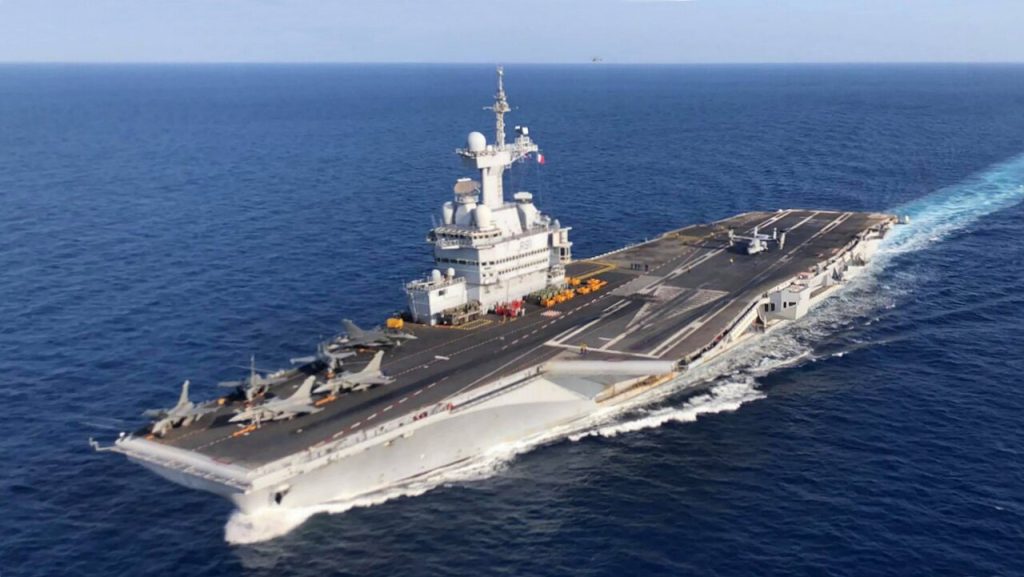
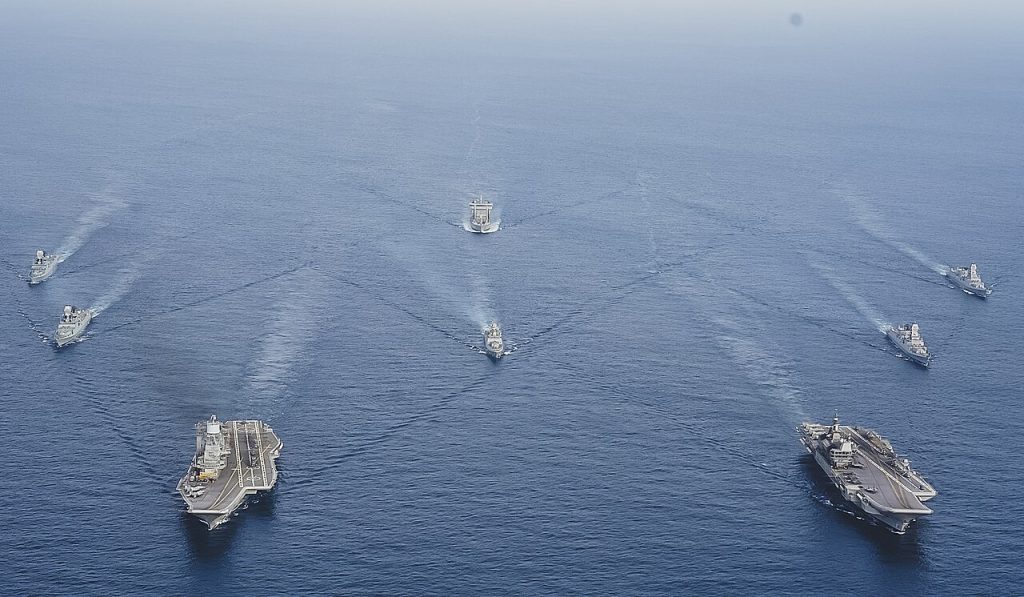
The carrier air wing remains formidable. A large-deck carrier still offers surge capacity, command infrastructure, and sea-based aviation that does not depend on foreign runways. But the fleet is moving toward a model often described as “dispersing the fleet while concentrating effects”.
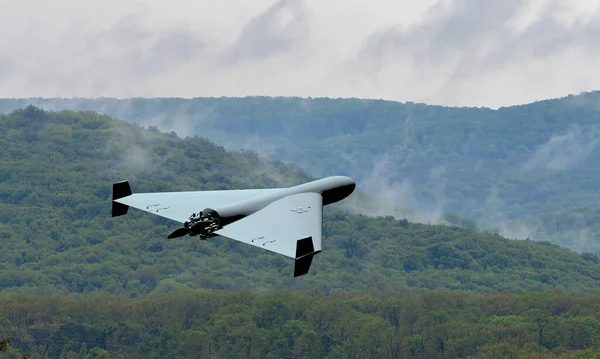
That approach spreads sensors and shooters across more ships, aircraft, and unmanned systems so a single hull does not carry the full operational burden. The Navy’s interest in reusable strike drones with long one-way range reflects the same idea: preserve combat reach while reducing the penalty of having one obvious center of gravity.
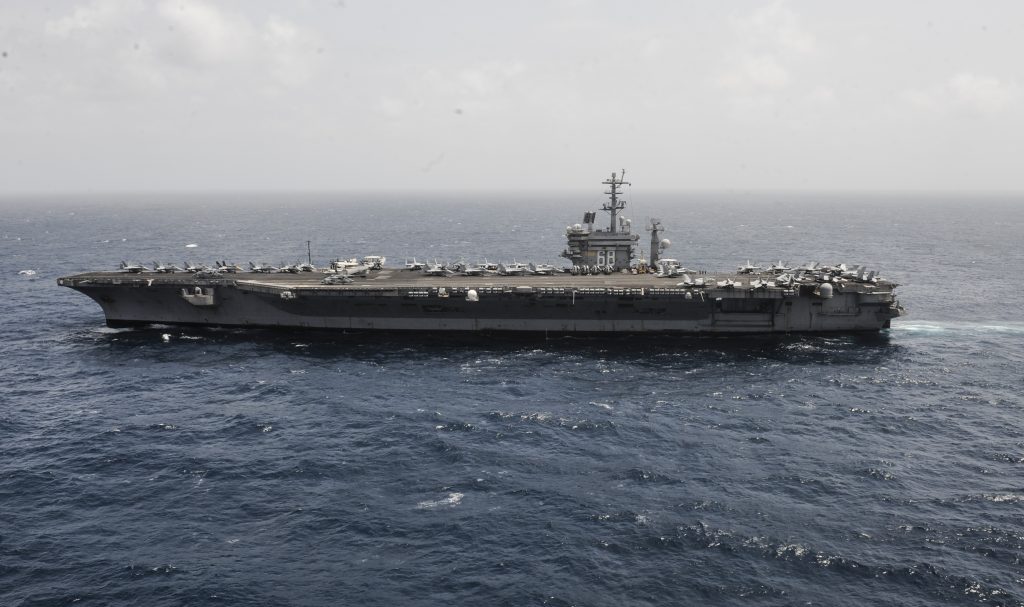
6. USS Nimitz highlights the industrial burden behind strategy
Nimitz is not only a symbol of naval power. It is also a reminder that every carrier is a major manpower and maintenance commitment. The ship’s service life has been extended into 2027 to preserve the legally required 11-carrier force while the next carrier arrives, but the move also underscores the limits imposed by shipyard capacity, reactor work, crew transfers, and fleet timing. A Nimitz-class ship was built for more than 50 years of service and carries roughly 5,000 to 5,200 personnel with its air wing embarked. Keeping such a platform in service longer is never just about tradition.
It affects modernization schedules across the force and sharpens the question of whether future naval power should remain concentrated in a few massive platforms or increasingly distributed across many. That is the harder truth exposed by the carrier debate. The supercarrier still matters because no other naval platform combines aviation, endurance, command capacity, and political presence in the same way. But the first mission of a modern carrier now starts before the first aircraft launch. It begins with remaining uncertain, difficult to track, and costly to target.


