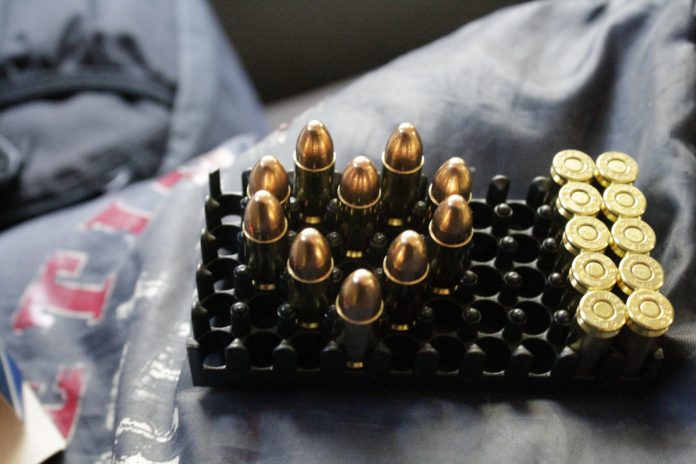
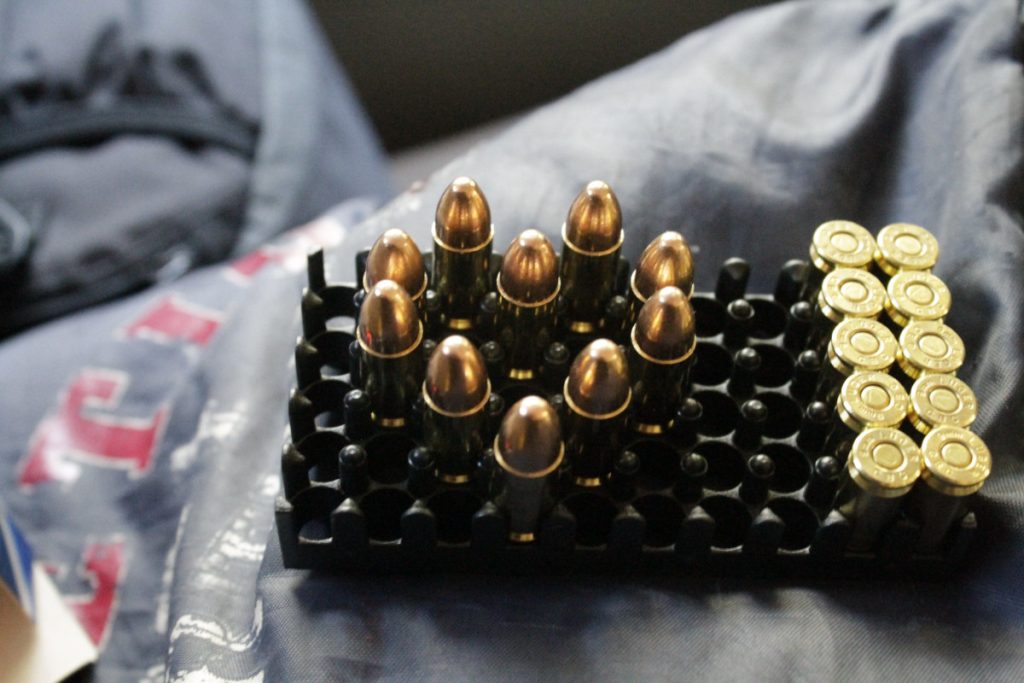
Handgun caliber arguments often get flattened into slogans. In actual defensive ballistics, the more useful question is not which round sounds powerful, but which one can penetrate deeply enough, expand reliably enough, and do both from the short barrels people really carry.
That is why so many experts return to the same baseline: shot placement matters most, but handgun bullets still need enough penetration to reach vital structures. The 12- to 18-inch FBI benchmark remains one of the clearest ways to judge whether a load is giving a pistol round a fair chance to work under less-than-ideal conditions.
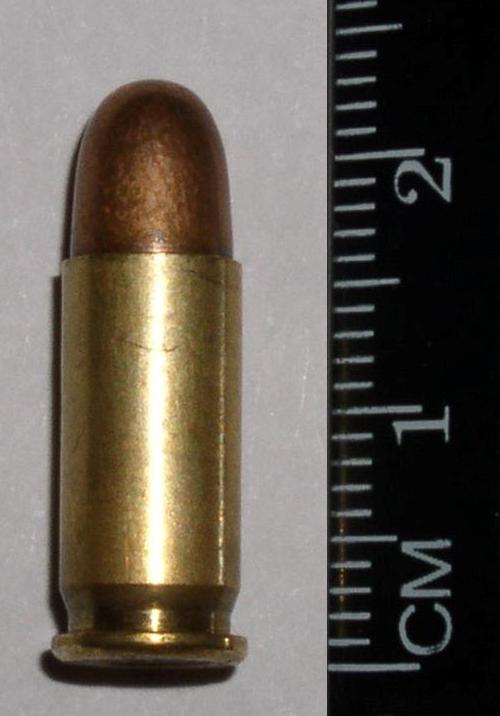
1. .25 ACP
.25 ACP sits near the bottom because it brings very little margin for error. In pocket-gun testing, Lucky Gunner found that this caliber generally delivered modest penetration, and even the loads that looked most promising did not show much consistency when compared with larger cartridges. The problem is simple. A small, slow bullet does not offer much room to trade penetration for expansion, so many .25 ACP loads end up weak in one area or both. Forum-era gel data on expanding .25 loads showed just how quickly performance can collapse, with one Hornady XTP test penetrating only 6.7 inches in gelatin. That leaves .25 ACP heavily dependent on precise hits and favorable angles, which is not the kind of cushion experts want from a defensive round.
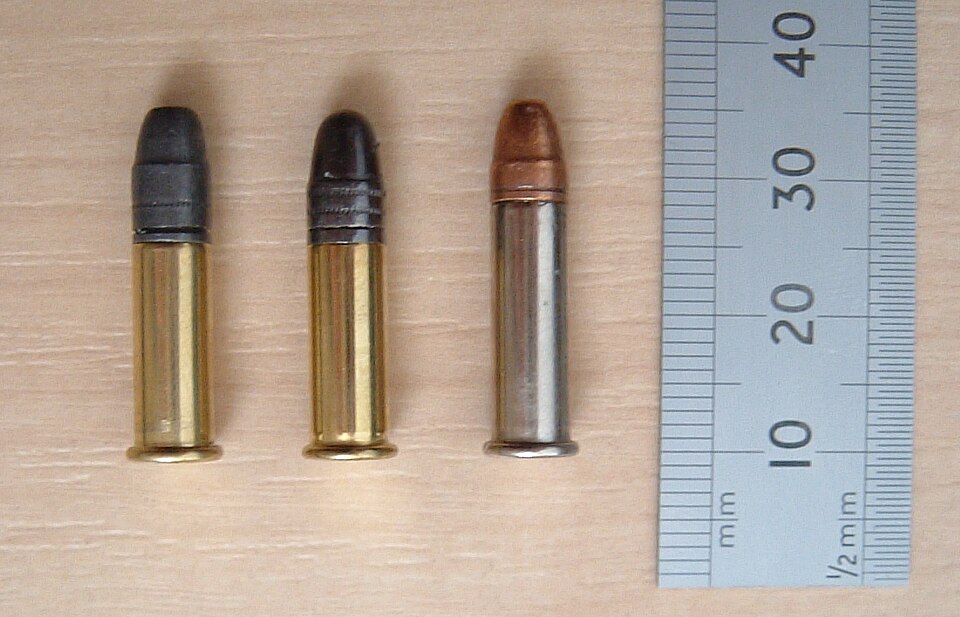
2. .22 LR
.22 LR remains one of the most debated defensive cartridges because it can occasionally meet penetration standards, especially with the right load. But its overall record is still uneven from handguns, particularly very short-barreled revolvers and compact semi-autos. Lucky Gunner’s pocket-pistol testing noted that expansion is unlikely in .22 LR handgun loads and that selection should prioritize penetration. Separate gel work with a 1.875-inch revolver showed one high-velocity load reaching 13 inches while another similar hollow point stopped at 10.5 inches after heavy clothing, a spread that illustrates how narrow the caliber’s performance window can be. On top of that, .22 LR remains a rimfire cartridge, which brings ignition drawbacks centerfire rounds do not share. Experts who discuss .22 seriously usually frame it as workable in some circumstances, not forgiving.

3. .32 ACP
.32 ACP has long had a loyal following because pistols chambered for it can be slim, light, and easy to control. The difficulty is that hollow points in this caliber often fail to penetrate enough, while full metal jacket loads may penetrate better but give up expansion entirely. That tradeoff showed up clearly in pocket-pistol gel tests. Lucky Gunner found that the JHP loads in .32 ACP struggled to penetrate consistently, while FMJ loads often performed better in that one category. For experts looking at real stopping potential, that is a warning sign rather than a strength, because the caliber gives up too much flexibility when clothing, bone, or angled shots enter the picture.
4. .380 ACP
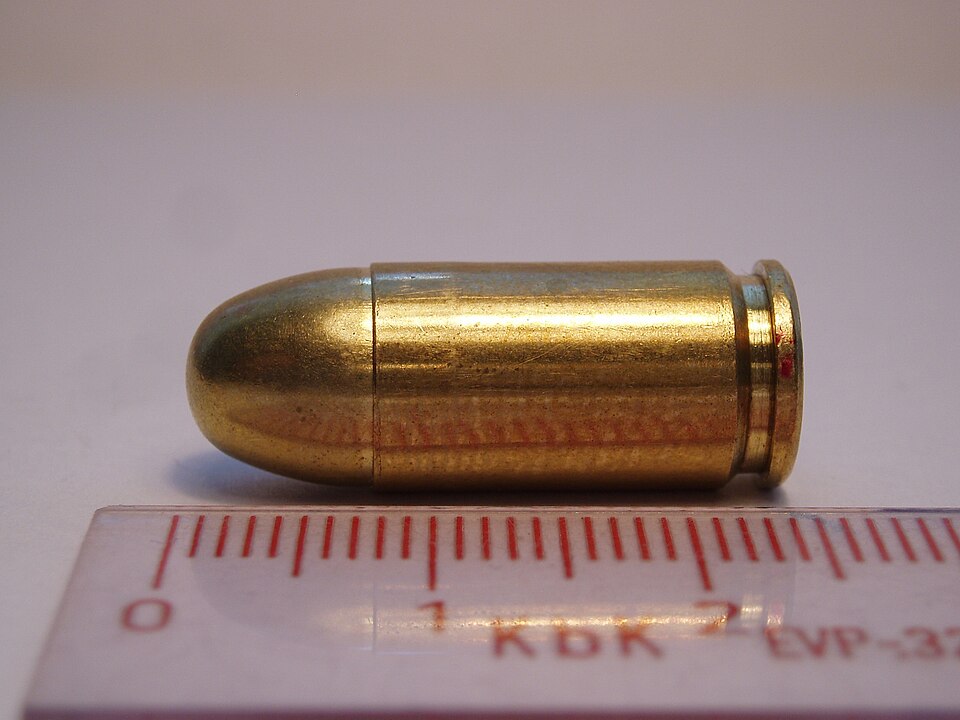
.380 ACP is popular because the guns are easy to conceal, not because the round is easy to optimize. In ballistic testing, it repeatedly showed the same split personality: some loads expanded but came up short on depth, while others penetrated acceptably only by failing to expand. Lucky Gunner’s larger handgun-ammo test summarized the issue bluntly, noting that most .380 ACP loads showed either good penetration with no expansion or decent expansion with sub-par penetration. A few loads did better, but the caliber as a whole gives less consistent terminal performance than service rounds like 9mm, .40 S&W, or .45 ACP. That does not make .380 ACP useless. It makes it demanding.
5. 9x18mm Makarov
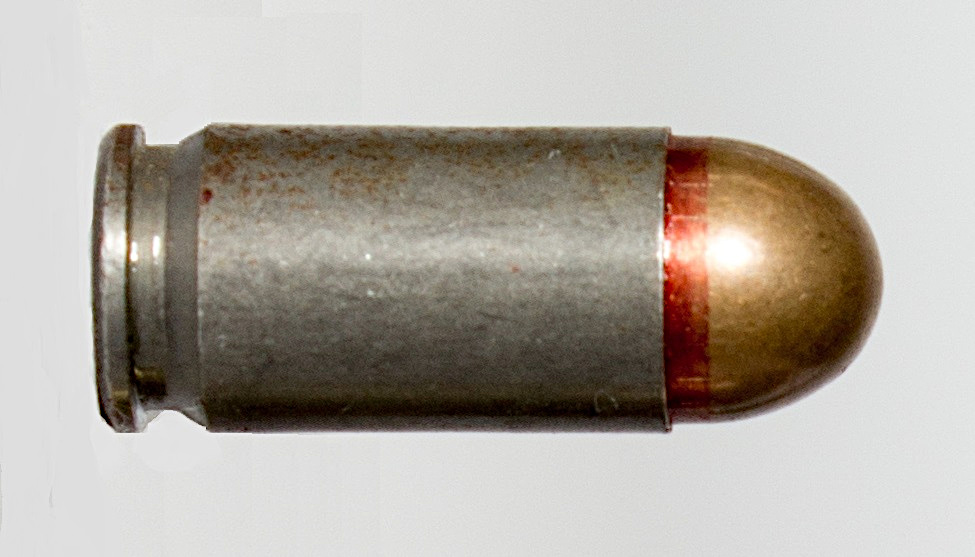
9×18 Mak occupies an awkward middle ground. It can beat the smallest pocket calibers, but modern defensive-load support is thin, and the available ammunition has not shown broad, reliable excellence in gelatin. In Lucky Gunner’s testing, FMJ and basic JHP loads for 9×18 tended to penetrate deeply without offering much meaningful expansion. The one notable modern option performed decently, but it still was not a clear improvement over .380 ACP. For a caliber that already lives outside the mainstream, that limited ceiling is a real drawback.

6. .32 S&W Long
.32 S&W Long is one of those cartridges that can surprise on paper but still falls short of what experts usually want in a defensive handgun round. In testing, it produced respectable penetration, yet hollow-point expansion was effectively absent. That leaves it in a narrow lane.
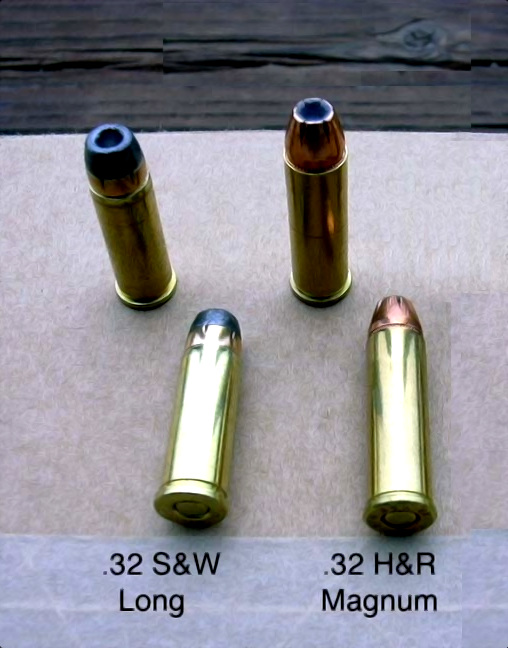
It can poke sufficiently deep holes, but it does not bring the broader terminal performance expected from stronger modern revolver cartridges. Compared with .32 H&R Magnum or .327 Federal Magnum, it looks more like a low-recoil compromise than a robust defensive answer.
7. Some older or poorly matched .40 S&W and .45 ACP hollow points
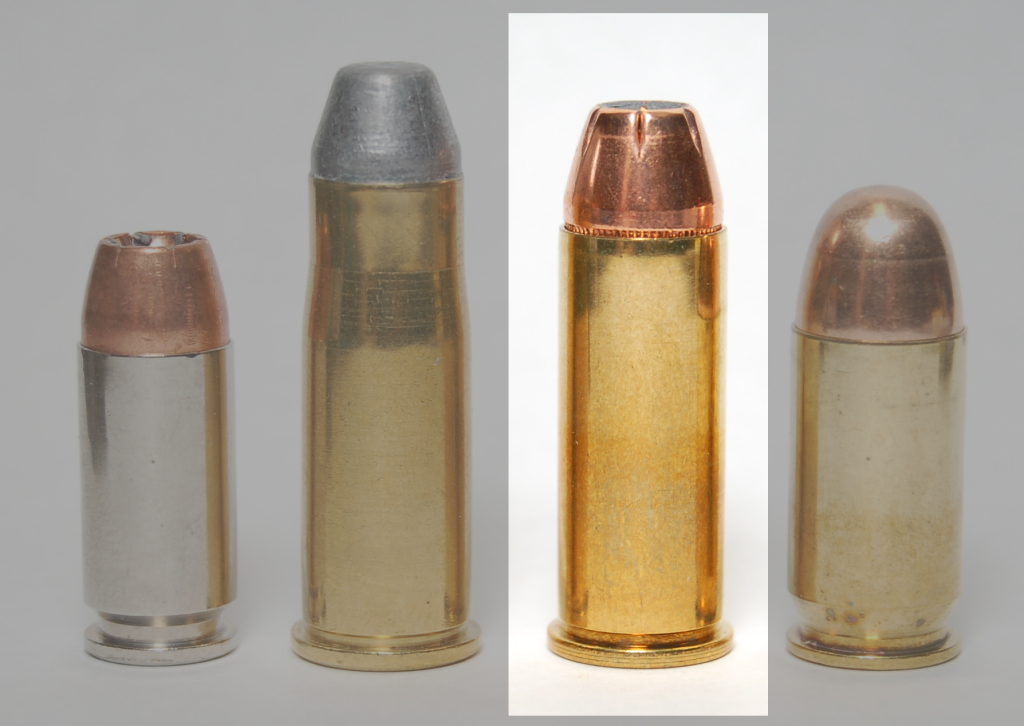
Not every struggling caliber is small. Even major service calibers can underperform when bullet design and velocity do not line up with short carry guns and heavy clothing. Lucky Gunner’s heavy-clothing tests found that some .40 S&W and .45 ACP loads clogged and failed to expand, leading to severe overpenetration. In both calibers, the better-performing loads looked strong, but weaker designs showed how easily a service cartridge can lose effectiveness when the hollow point does not open as intended. Hornady’s outline of the standard FBI test protocol helps explain why this matters: modern duty ammunition is judged not only by diameter, but by penetration, retained weight, and barrier performance across repeatable test events.
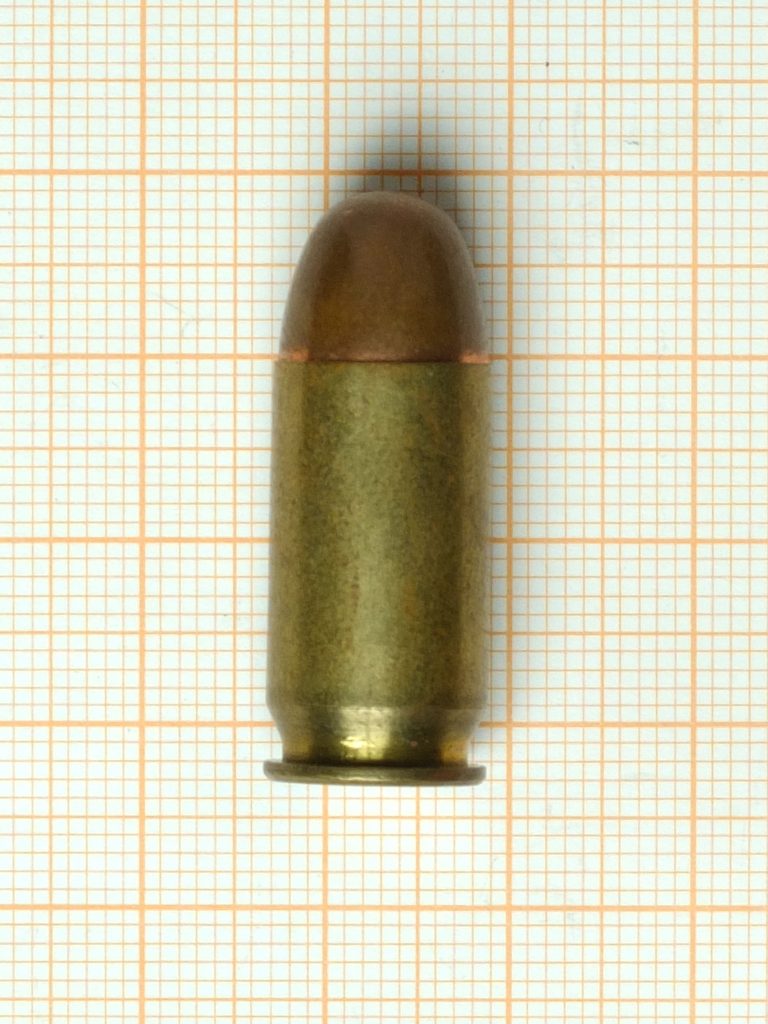
The common thread across these seven entries is not energy on a box flap or caliber reputation. It is lack of margin. Some rounds start too small, some depend on non-expanding loads, and some only struggle when older bullet designs meet short barrels and layered clothing. That is why experts keep circling back to the same standard. Handguns are already limited tools. The calibers that struggle most in real shootings are usually the ones that leave the least room for imperfect angles, heavy clothing, and bullets that fail to behave the way advertising suggests they should.


