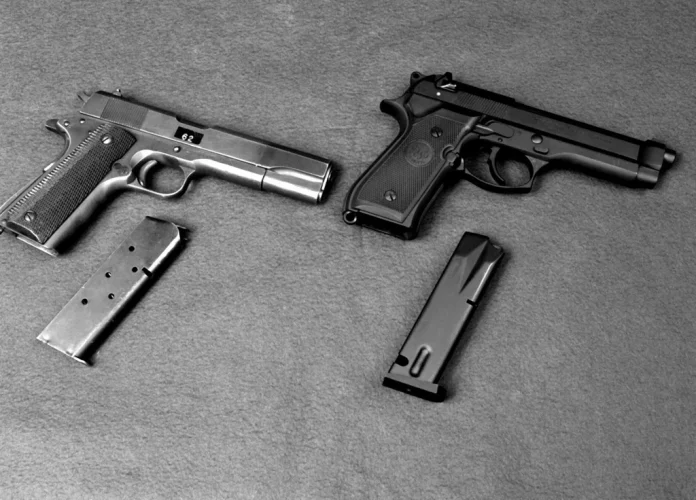
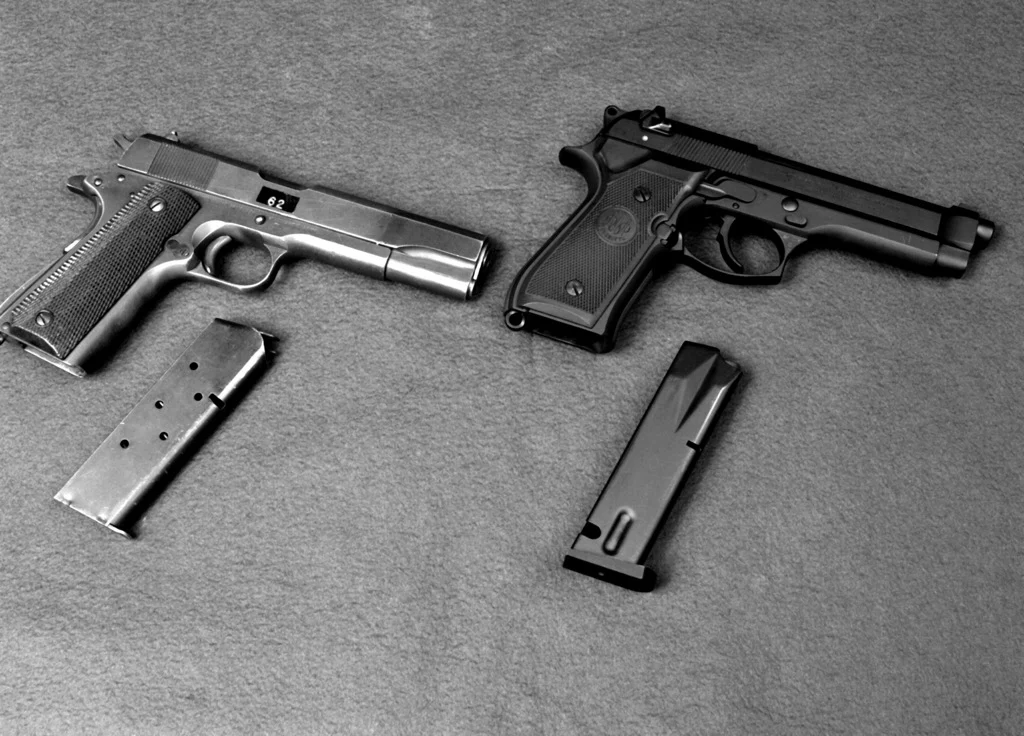
Service pistols change more slowly than rifles, optics, or communications gear. Even after polymer frames and striker-fired triggers reshaped military sidearms, several older all-metal handguns have stayed in circulation with specialist formations that value proven handling, durability, and institutional familiarity.
That helps explain why some classic designs remain visible in armories long after newer handguns have become standard elsewhere. Their continued presence says as much about engineering longevity as it does about doctrine.
1. SIG Sauer P226
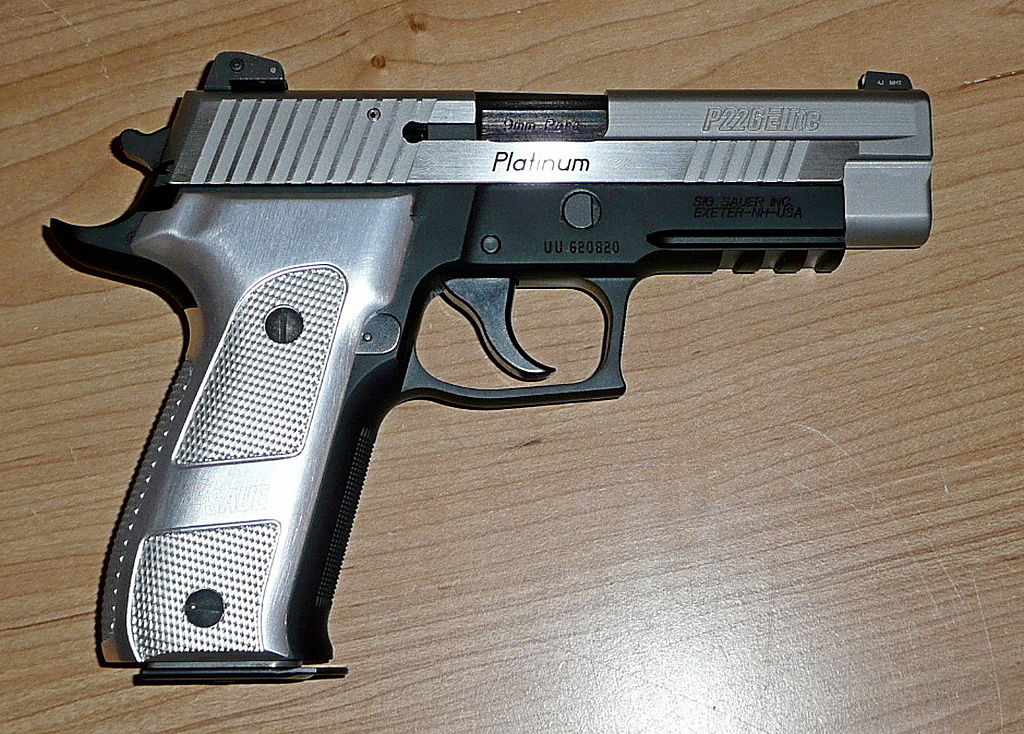
The P226 remains one of the defining combat pistols of the late 20th century, and it still appears with specialist users because its reputation was built on hard service rather than nostalgia. Developed for the U.S. military’s XM9 competition, the pistol was one of only two designs that satisfactorily completed the trials, combining a double-stack 9mm layout with the DA/SA operating system that many Western forces preferred at the time.
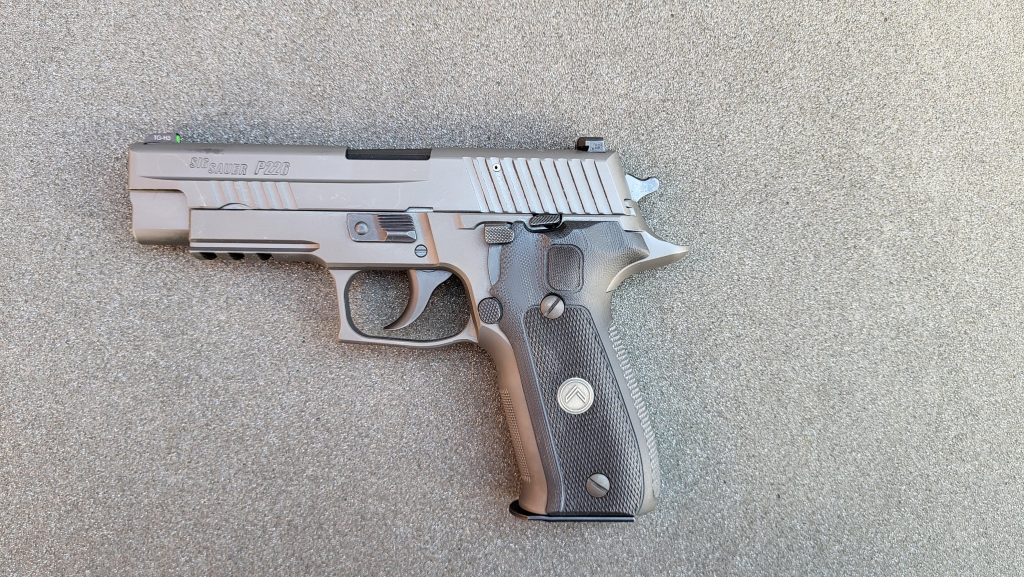
Its long career with maritime and counterterror units gave it unusual staying power. The pistol became closely associated with U.S. Naval Special Warfare, where the Mk25 version added corrosion protection and later updates such as a standard rail and night sights. Even after some high-profile transitions to lighter polymer pistols, the P226 family has remained in service with a wide international spread of elite and specialist organizations, including formations in Britain, France, Canada, Indonesia, and elsewhere listed under special operations and tactical users. Mechanically, the P226 endures because it solved a service problem in a straightforward way: high capacity, strong reliability, controllable recoil, and a full-size grip that works well under stress. That combination made it a reference point for later combat pistols, even as doctrine moved on.
2. Beretta M9
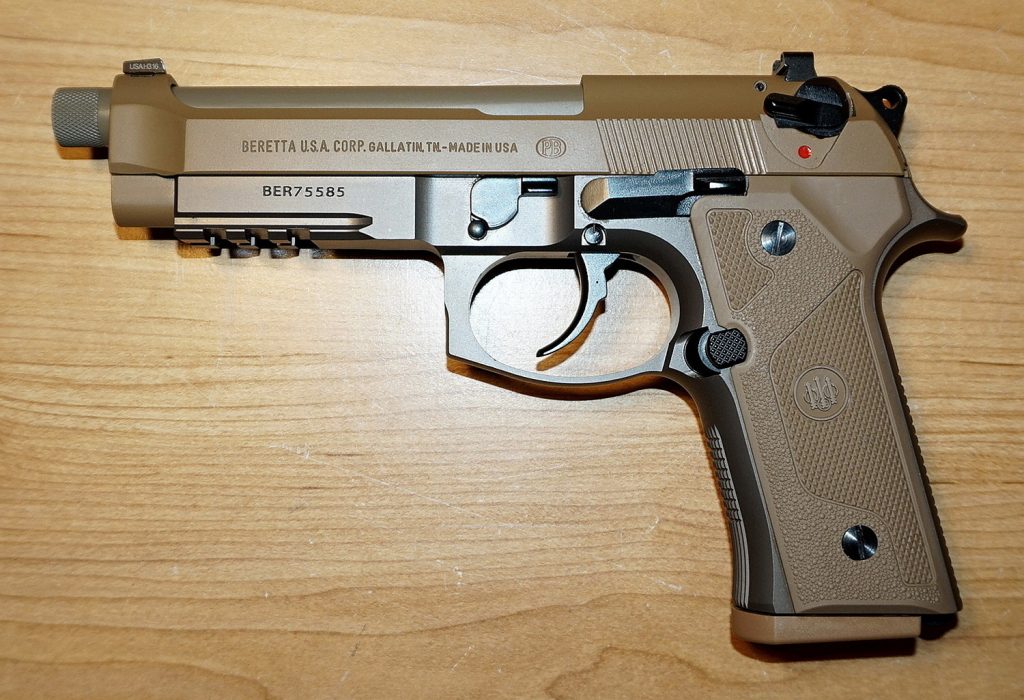
The Beretta M9 stayed in military holsters for decades because it delivered a blend of capacity, shootability, and mature manufacturing that fit large institutions. In U.S. testing before adoption, the Beretta design posted 2,000 mean rounds between failure in Air Force trials, a figure that helped establish its early technical credibility. Its service record became more complicated over time, but the pistol’s longevity is part of its significance. The open-slide design, 15-round magazine, and soft recoil impulse made it easier for a wide range of users to shoot well.
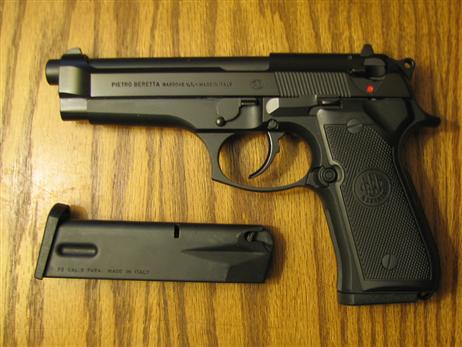
Marine reporting on the platform also noted how later variants such as the M9A1 added a rail and other practical refinements while preserving the familiar operating system. This is not a pistol carried because it is modern. It persists because many units trained on it for years, armorers know it well, and the platform’s strengths remain useful in roles where a sidearm is a last-line weapon rather than a primary fighting tool. In specialist security, police, and military settings, those traits still matter.
3. Browning Hi-Power
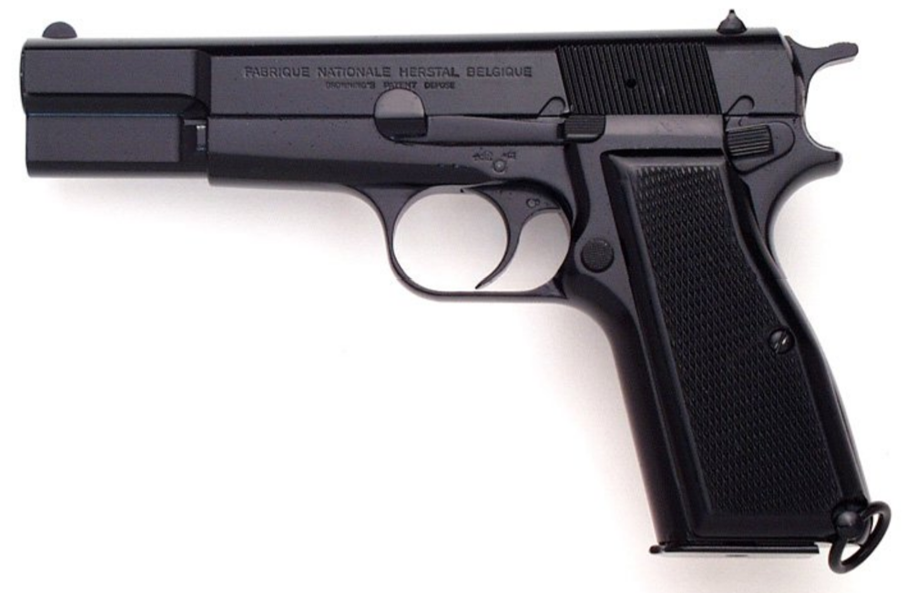
The Browning Hi-Power occupies a rare place in handgun history: it was both genuinely influential and operationally durable enough to outlast generations of newer designs. Its staggered magazine made it one of the earliest successful high-capacity service pistols, and that engineering choice echoed through nearly every major combat handgun that followed. Reference material tied to the P226’s service history notes that the Hi-Power was used by many world militaries into the 2010s. That kind of lifespan is unusual for any sidearm, especially one rooted in prewar design work.
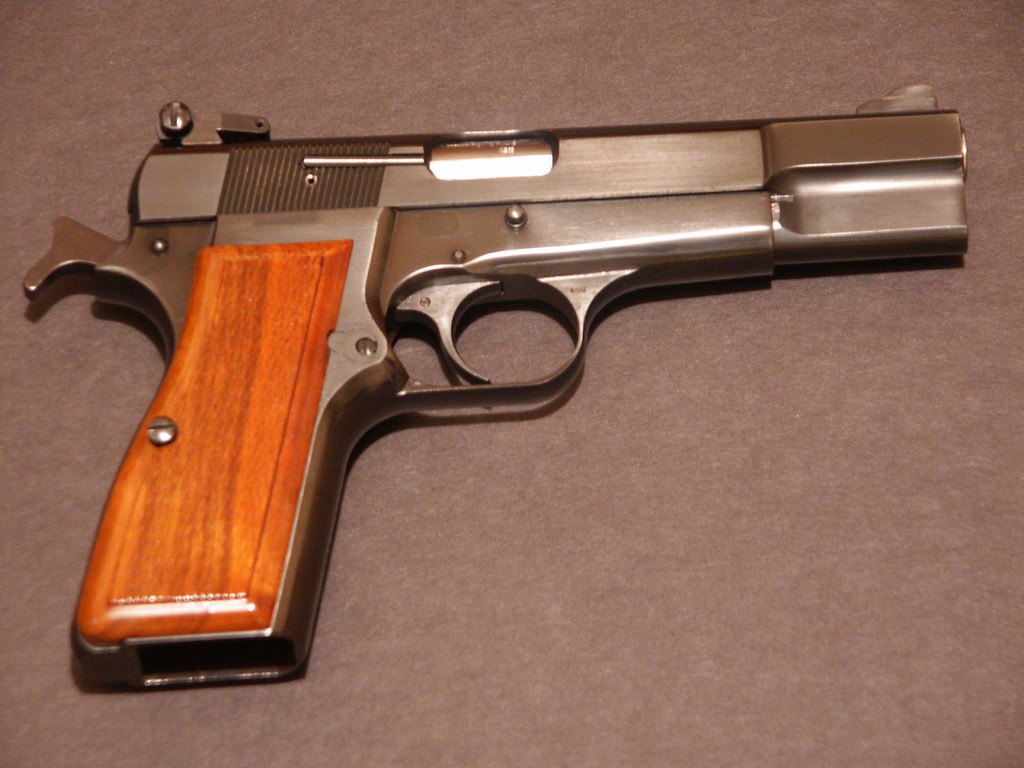
Elite and specialist units kept it around not because it was feature-rich by modern standards, but because it was slim, familiar, accurate enough for duty use, and widely supported in Commonwealth and allied inventories. The Hi-Power also shaped training culture. For many professionals, it represented the bridge between the single-stack .45 era and the high-capacity 9mm age. Even where it has been mostly retired, some special-duty carry roles and ceremonial operational stocks have preserved it far beyond the lifespan many pistols receive.
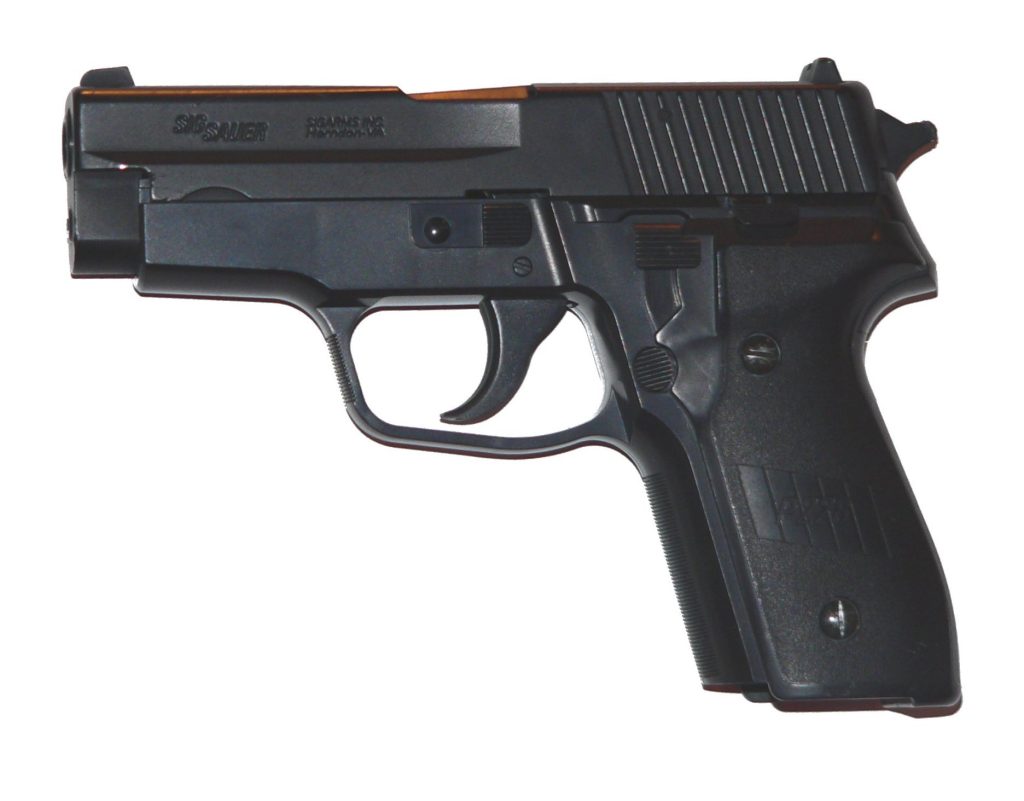
4. SIG Sauer P228
The P228 is often overshadowed by the larger P226, but its compact dimensions gave it a different kind of utility. It delivered the same general operating logic in a shorter package, which made it appealing for personnel who needed a serious duty pistol without the bulk of a full-size sidearm. That practical balance explains why it found a place with military and protective users. In U.S. service, the pistol was designated the M11, and the P226 reference history notes that it served with the United States Army and Air Force as the M11.
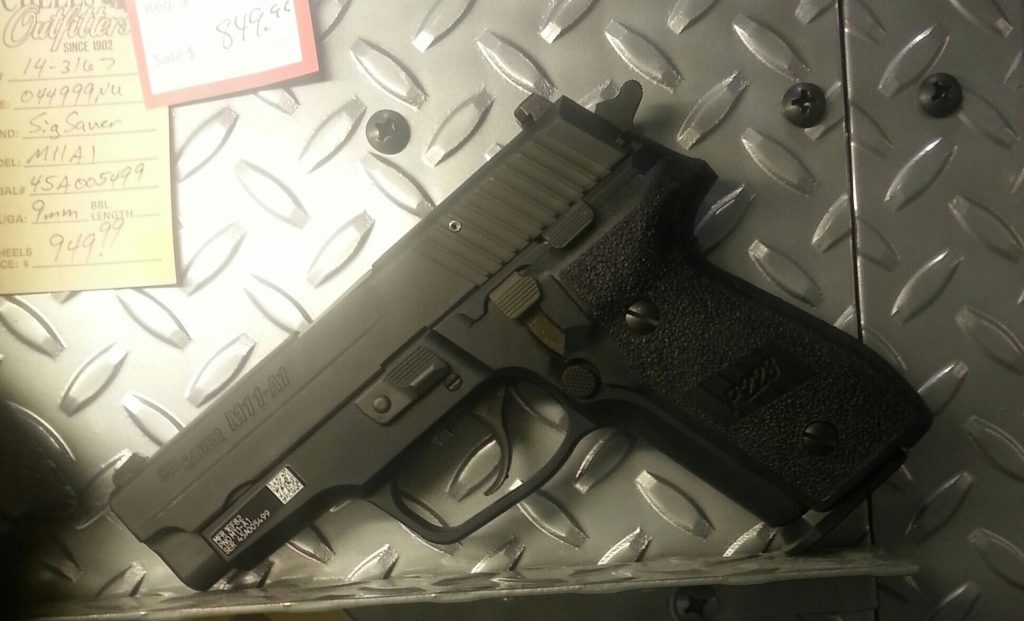
It also appeared with specialist organizations in Europe, the Middle East, and Southeast Asia. The P228’s appeal is easy to trace. Its alloy frame kept weight manageable, its 9mm chambering simplified logistics, and its handling stayed close to the larger P226 family. For plainclothes protection details, aircrew, investigators, and units that needed a more compact sidearm, it became one of the classic answers before compact polymer pistols took over that category.
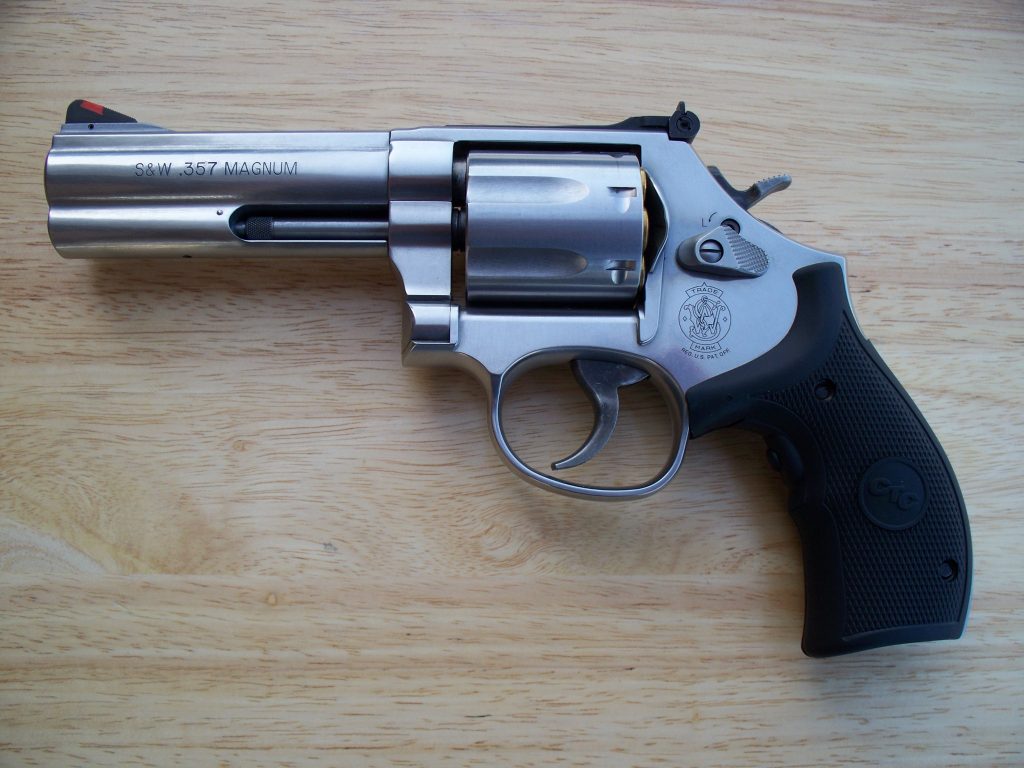
5. Smith & Wesson 686
The 686 is the outlier here because it is a revolver, yet that is also why it remains relevant in limited specialist use. Built on Smith & Wesson’s L-frame, the gun was designed around sustained .357 Magnum use, with a heavier top strap and forcing cone arrangement intended for hard service. In engineering terms, it represents the mature form of the double-action duty revolver. Unlike the semiautomatics on this list, the 686 survives in narrower niches. It still fits roles that prioritize ammunition flexibility, strong mechanical simplicity, and confidence with full-power magnum loads. The revolver reference describes it as built for hard use with full-power .357 Magnum ammo, a point that captures why this platform never disappeared entirely from specialist arsenals.
Its continued presence is less about mainstream military issue and more about certain law-enforcement and mission-specific environments where a powerful, durable sidearm still has a place. That is a smaller lane than it once was, but it remains a real one. Classic combat handguns stay alive in elite inventories for a simple reason: replacement is not always driven by age alone. A pistol that is dependable, familiar to its users, and supported by established training pipelines can remain operationally relevant long after newer designs become standard issue elsewhere. These five handguns reflect that pattern. They are older, metal-framed, and in some cases technically dated, yet their continued service shows how durable engineering can outlast fashion in the world of fighting sidearms.


