Glock’s commercial catalog is being trimmed in a way that stands out even in a market used to constant generational churn. The company has framed the move as a strategic simplification, but the shape of the changes says more than a routine cleanup ever could.
What disappears, what remains, and what replaces it all point to a manufacturer narrowing its lineup around fewer configurations, fewer overlapping SKUs, and a more controlled technical baseline. That matters because Glock has spent decades building its reputation on broad familiarity: the same basic system, spread across a huge matrix of sizes, calibers, generations, and feature sets.

1. The catalog had become too wide to manage efficiently
One obvious reason is scale. Glock had accumulated a commercial lineup that stretched across multiple generations, chamberings, MOS and non-MOS variants, and model-specific exceptions. A broad catalog can serve niche demand, but it also creates production complexity, inventory overlap, and slower decision-making when the company wants to shift to a new baseline. Glock itself described the move as a strategic decision to reduce its current commercial portfolio. That language is corporate, but the engineering logic is straightforward: fewer versions mean fewer unique parts paths, simpler forecasting, and a tighter manufacturing program.
2. The V Series is meant to reset the baseline
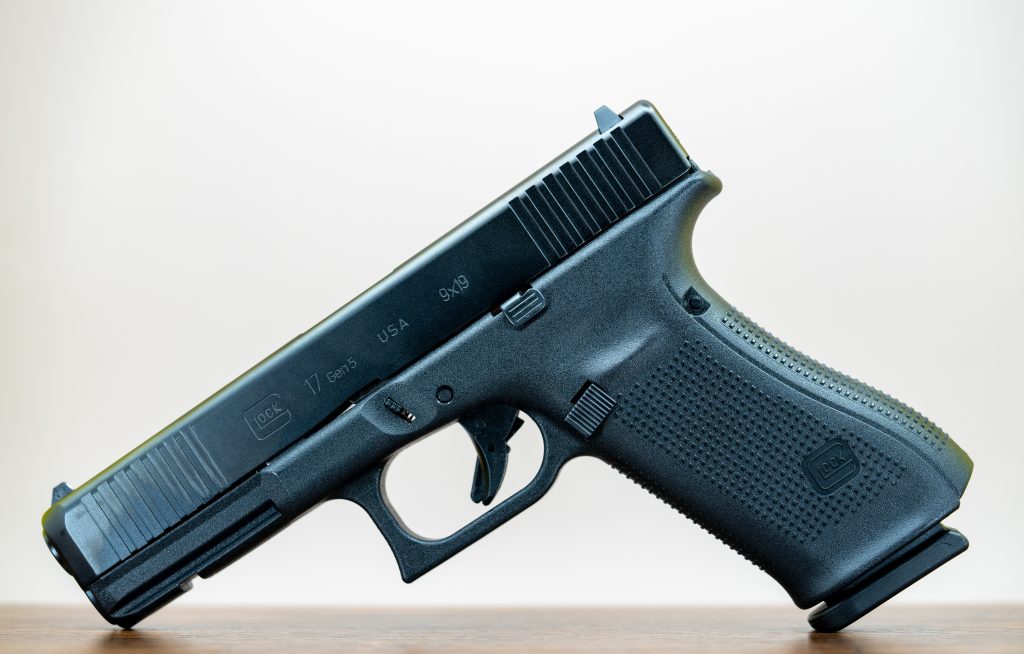
The most telling part of the transition is not the discontinuation list. It is the arrival of the V Series. Glock said the new family is intended to “establish a baseline of products while simplifying our processes,” which suggests the company is not just deleting models but rebuilding the lineup around a more standardized foundation. That kind of reset usually signals a shift from legacy variation toward a platform strategy. Instead of supporting years of accumulated model drift, a baseline series lets a manufacturer define what stays common across the product line and what becomes optional or distributor-specific.

3. Optics-ready design has changed what counts as a core pistol
The handgun market has moved steadily toward slide-mounted optics, and Glock has been part of that shift for years. When the company introduced the G45 MOS in 2019, it openly tied the model to the rising demand for reflex sights and modernized slide configurations. That matters because older non-optics-ready variants increasingly look like legacy products rather than centerline offerings. Once a manufacturer decides optics compatibility is no longer a premium sideline but a standard expectation, many older SKUs become redundant even if they still sell in modest numbers.

4. Glock is cutting overlap between generations
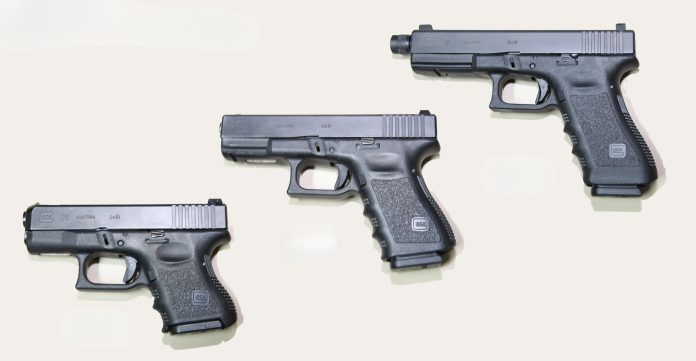
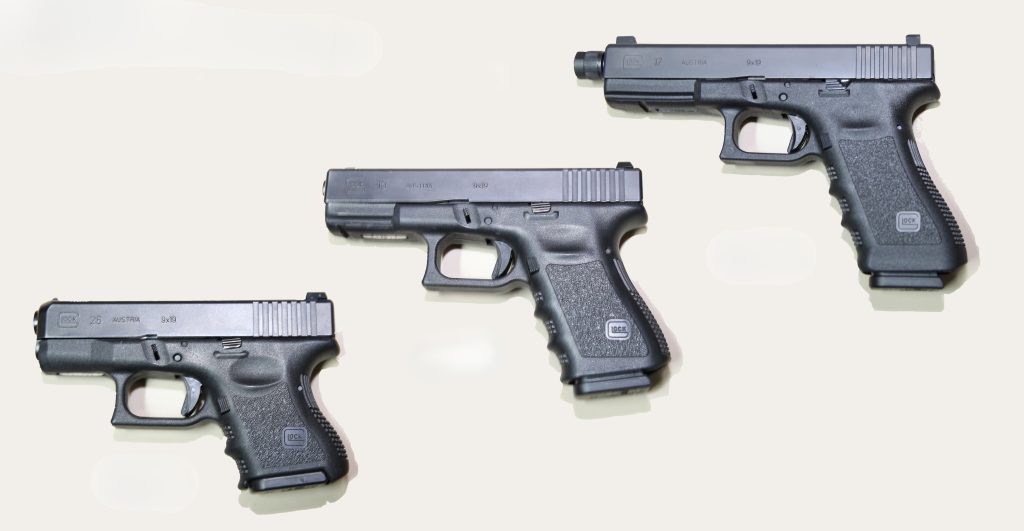
Generational overlap helped Glock serve agencies, longtime owners, and regional markets, but it also left the catalog crowded with pistols that differed in incremental rather than transformative ways. Reports tied the cuts to numerous Gen 3, Gen 4, and some Gen 5 variants, including long-familiar names such as the G17, G19, G22, and G30 in selected forms. For a company trying to modernize, carrying multiple generations at once can become a drag. Training continuity may still favor older formats, but manufacturing discipline usually favors consolidation.
5. Conversion-device pressure is now part of the design equation
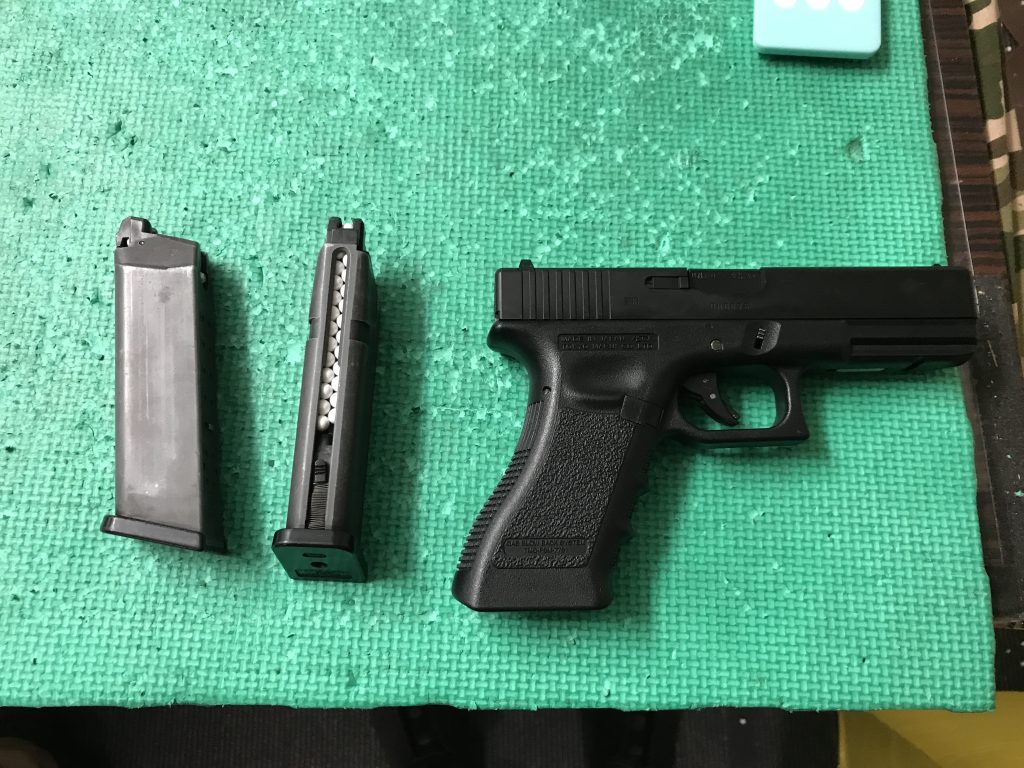
This is the quietest but most consequential factor. Glock’s lineup changes arrived amid intensifying scrutiny over illegal conversion devices commonly called switches, which have pushed the company’s rear-slide geometry and internal architecture into a much harsher spotlight. According to reporting on the redesign, the newer pistols include a short steel rail to block switches from interfering with the firing mechanism. Whether framed as engineering hardening, compliance planning, or product risk reduction, that is not a cosmetic change. It suggests Glock no longer sees anti-conversion measures as a side issue separate from mainstream product planning.

6. Regulatory pressure is influencing product strategy
Manufacturers rarely admit that legal pressure is steering the roadmap, but product timing often reveals the broader environment. California adopted a law targeting pistols that can be converted to automatic fire with household tools, and similar proposals have circulated elsewhere. Large-market regulation does not need to spread nationwide to affect design priorities. A company with Glock’s scale cannot treat state-level compliance as a local annoyance. Once one major jurisdiction forces a technical rethink, carrying older, more vulnerable commercial variants becomes harder to justify.
7. A smaller lineup is easier to support over the long term
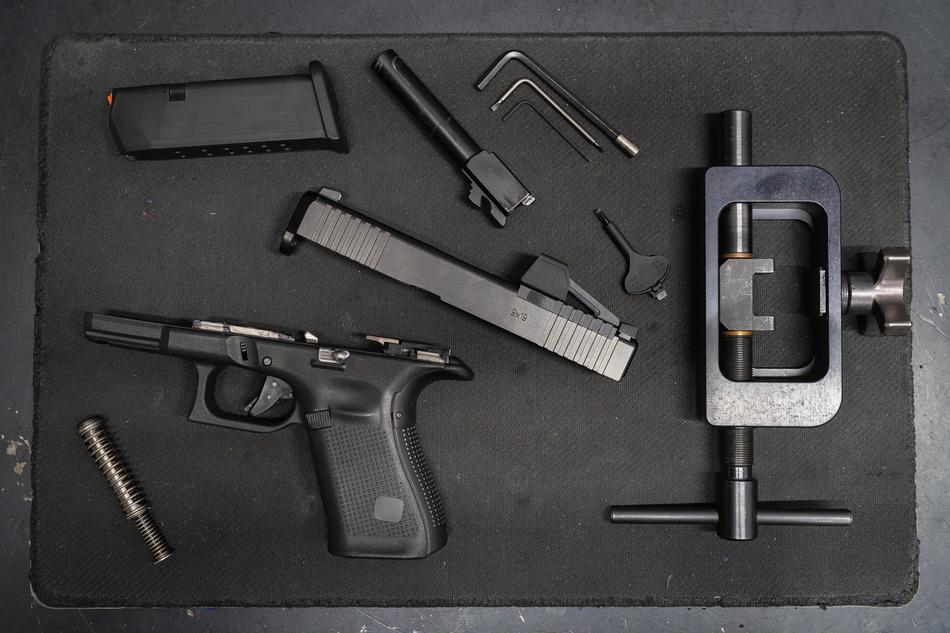
Discontinuation does not mean abandonment. Coverage of the changes noted that owners of older models would continue receiving support, parts, and service channels even after production stops. That is important because Glock’s installed base is enormous, and the company cannot afford to fracture trust with legacy owners. Still, long-term support is easier when new production is concentrated on fewer patterns. Every SKU removed from active manufacture reduces the burden on warehousing, spare-parts planning, and future compatibility decisions.
8. Distributor exclusives suggest the cleanup is selective, not absolute
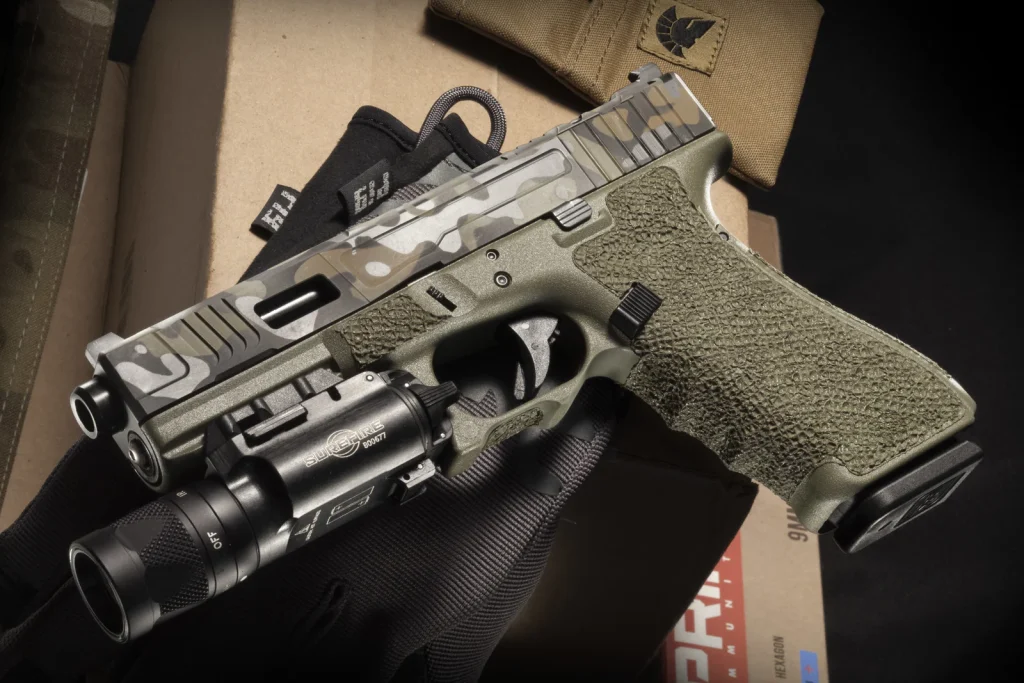
Even while simplifying the main commercial line, Glock has indicated that some distributor-exclusive variants will remain in the picture. That preserves flexibility. It also shows the company is not rejecting variation altogether; it is separating core production from specialized channels. That distinction matters. A leaner standard lineup can coexist with tightly managed off-menu variants, as long as the exceptions do not redefine the factory baseline.

Glock is not merely deleting slow sellers. It is using a large catalog cut to redraw what its standard pistol looks like in the late-2020s market: fewer overlapping generations, stronger alignment with optics-ready formats, and more attention to design changes that answer regulatory and legal pressure. The result is less a retreat than a reset. For owners, the immediate effect is mostly administrative. For the industry, it is a sign that even the most conservative handgun platforms are being pulled toward tighter product architectures and more defensive engineering choices.


