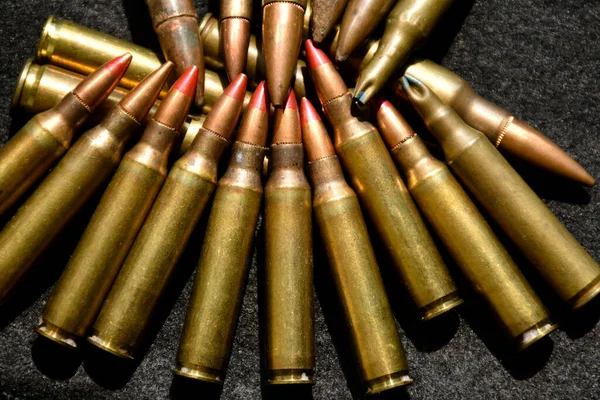
Some cartridges make accuracy easier to find, and easier to repeat. They show up in different rifles, with different barrel lengths and different use cases, yet they keep earning the same reputation: predictable groups, manageable behavior, and broad compatibility. That matters because precision is not only a rifle story. Chamber design, recoil level, bullet shape, twist-rate compatibility, and consistency from shot to shot all influence whether a load stays calm on paper and steel. The cartridges below stand out because they have done that across bolt guns, gas guns, training rigs, and field rifles.
1. .308 Winchester
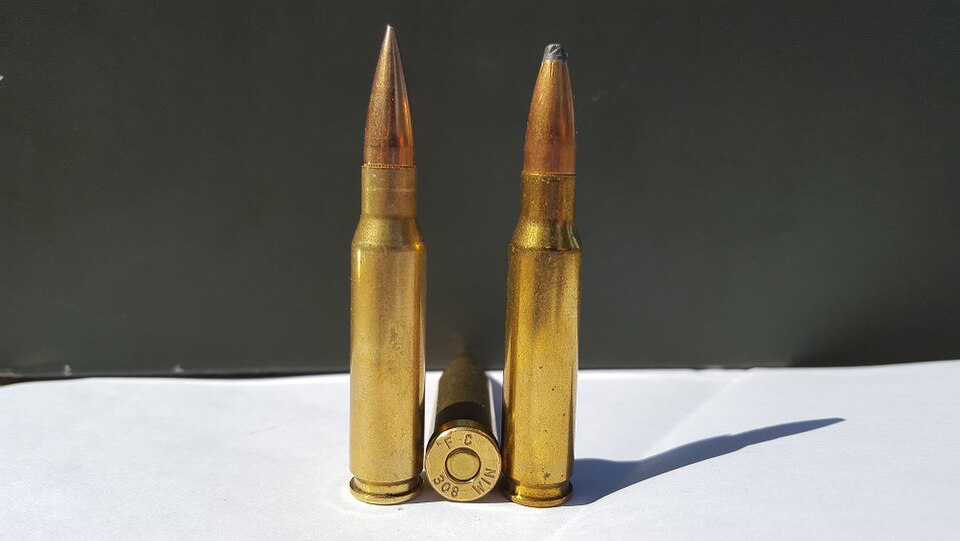
The .308 Winchester remains one of the safest baseline choices for repeatable accuracy. Its recoil is manageable enough for steady shooting, its chambering is common across factory and custom rifles, and its behavior is familiar to nearly everyone who spends time behind a centerfire rifle. Its staying power is not accidental. In recent PRS survey data, .308 Winchester accounted for 5% of top shooters, all in Tactical Division. It also benefits from a reputation for useful barrel life, often around 3,000 rounds or more depending on the load and the shooter’s accuracy standard. That combination makes it one of the most forgiving precision cartridges across many rifles rather than a cartridge that only shines in one narrowly tuned setup.
2. 6.5 Creedmoor
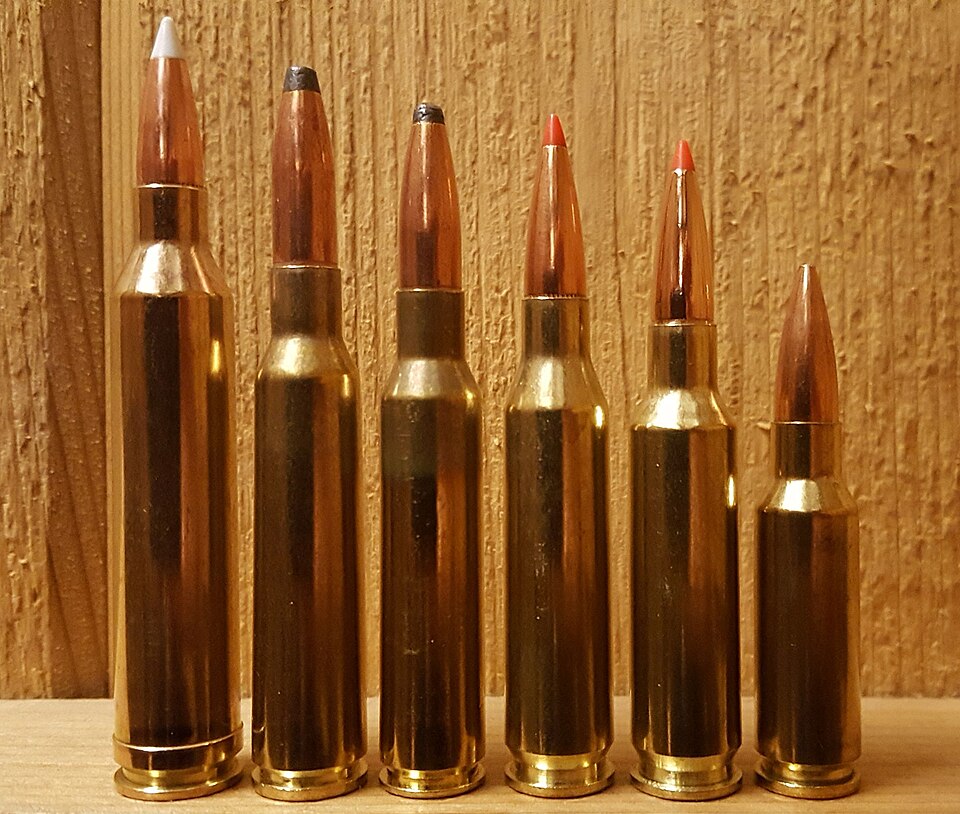
The 6.5 Creedmoor was built around modern long-range priorities, and that design intent still shows. It fits short actions, handles high-ballistic-coefficient bullets efficiently, and keeps recoil low enough for many shooters to stay in the optic and watch impacts. Its dimensions were set up to fit a short action with a maximum cartridge length of 2.82 inches, while using a steeper shoulder to preserve usable powder space for long bullets. Downrange, the cartridge’s efficiency remains a key advantage. One competitor summed up its appeal in simple terms: “Sometimes all you need is a simple, consistent round.” That quote, attributed to Francis Colon, captures why the Creedmoor keeps grouping well in so many rifles without demanding magnum recoil or exotic tuning.
3. .223 Remington / 5.56 NATO
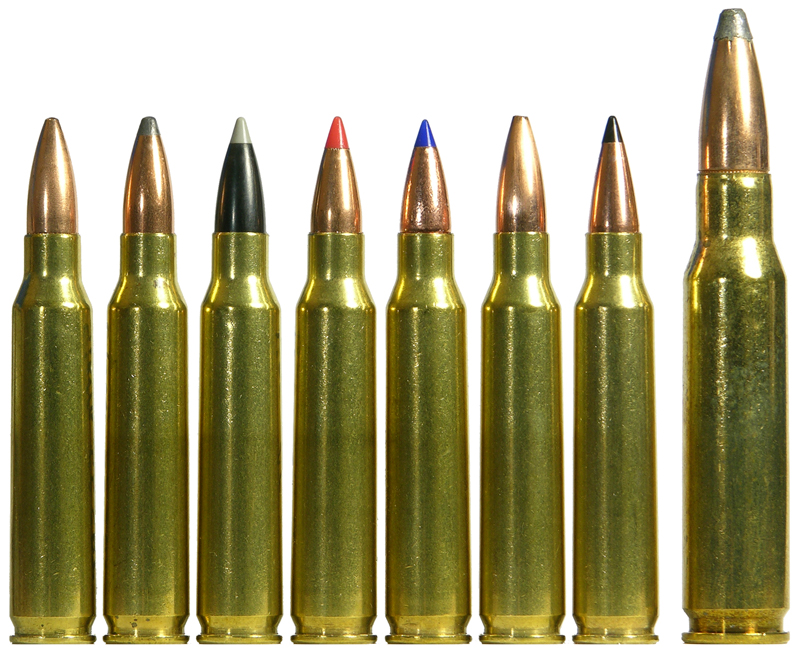
The .223 Remington often gets labeled as a trainer, but that misses the larger point. In a good barrel with the right twist, it can be one of the cleanest ways to build precision fundamentals because recoil is so light and shot feedback is so immediate. Barrel twist matters more here than with some other cartridges. A 1-in-8 twist is about as versatile as it gets for general use, comfortably stabilizing bullets up to 80 grains and handling the common 75- and 77-grain precision loads well. When twist and bullet length are properly matched, .223 becomes much more than a budget practice round. It can print excellent groups, especially in rifles built around heavier match bullets.
4. .243 Winchester
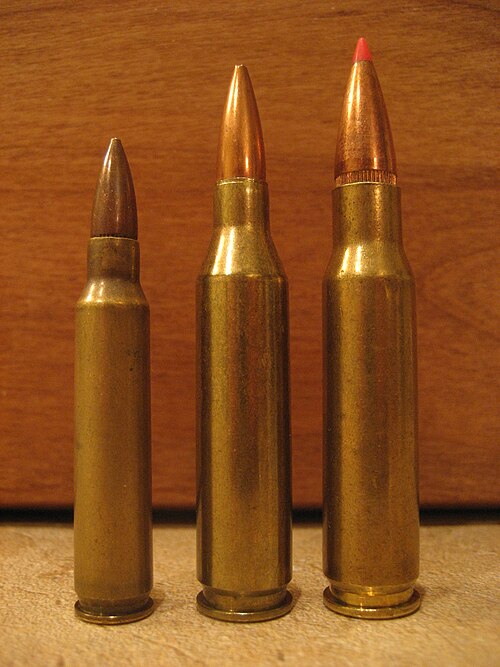
The .243 Winchester has stayed relevant because it is easy to shoot well. Flat trajectory, modest recoil, and brisk velocity give it a broad comfort zone in many hunting and target rifles. That ease matters. A cartridge that does not punish the shooter often produces better practical results, especially across multiple rifles and varying skill levels. The .243 has long been one of those chamberings that can deliver clean groups without forcing a complicated path to get there.
5. 6mm ARC
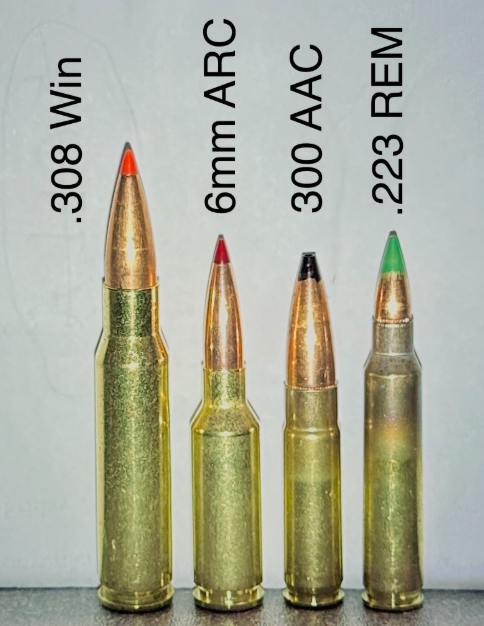
The 6mm ARC is one of the clearest examples of modern cartridge design focused on efficiency. Instead of chasing raw speed, it was built to stretch the AR-15 platform with long, aerodynamic bullets and better wind performance than .223 usually offers. Its design goal was ambitious but clear. Hornady developed it to remain supersonic past 1,000 yards, giving small-frame gas guns more useful reach without moving to a larger receiver set. That helps explain why the cartridge has gained a following among shooters who want tight groups from a compact semiauto platform.
6. .270 Winchester
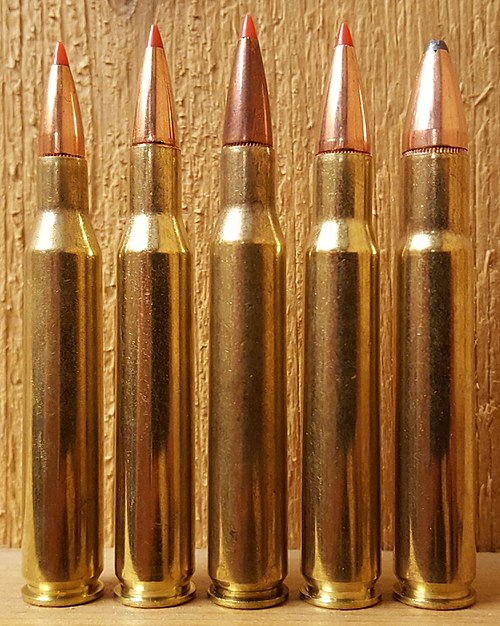
The .270 Winchester came long before the current precision-rifle era, yet it still delivers the kind of uncomplicated accuracy that keeps a cartridge in circulation for generations. It is flat-shooting, widely available in factory rifles, and rarely fussy in ordinary field use. Its strength is straightforwardness. Across many sporting rifles, the .270 tends to perform without the impression that everything must be optimized around it first. That broad practicality is one reason it continues to shoot well across different platforms rather than living only in nostalgia.
7. 6.5 PRC
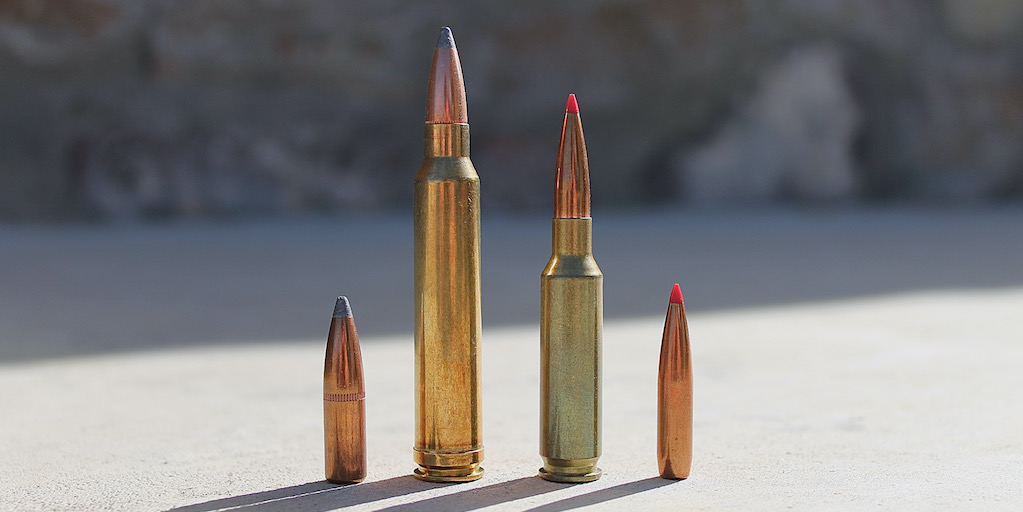
The 6.5 PRC takes the low-drag virtues of the Creedmoor and adds more speed. That extra velocity helps flatten trajectory and reduce wind drift while still avoiding the full recoil jump of larger magnum cartridges. Factory loads commonly push 140- to 147-grain bullets at roughly 2,910 to 2,925 fps, giving the cartridge more margin at distance. The attraction is not speed for its own sake. It is the way added speed works with sleek bullets to keep groups usable farther out, especially in rifles intended for long-range field work.
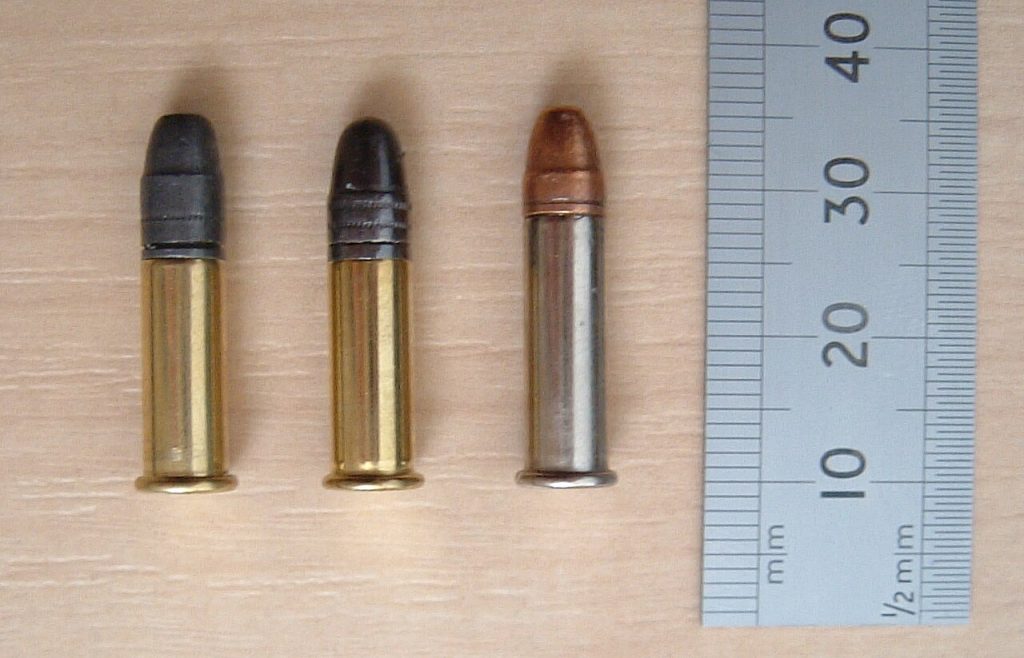
8. .22 LR Match
Match-grade .22 LR belongs on any precision list because it reveals technique with unusual honesty. Small errors in trigger press, wind reading, and follow-through show up quickly, which is exactly why good rimfire rifles remain such valuable training tools. The best loads are typically subsonic. By avoiding the instability that can appear near the transonic zone, quality match ammunition can deliver tiny groups at 50 yards and very useful precision work at 100. Few cartridges produce so much feedback with so little recoil.
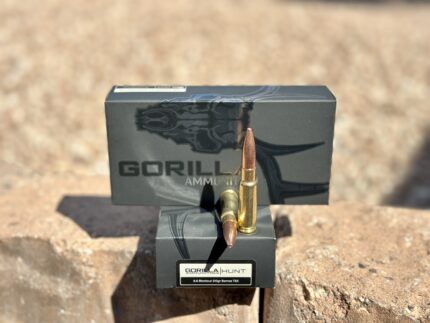
9. 300 PRC
The 300 PRC represents a more modern approach to .30-caliber magnum precision. Instead of adapting an older case design, it was built around long, high-BC bullets from the start. Its beltless case, longer neck, and chamber geometry were intended to support better bullet alignment and more efficient seating for heavy projectiles. That design focus gives it a place on this list even though recoil is far above the mild cartridges mentioned earlier. In rifles built for long-range work, it offers a more purpose-shaped path to precision than older magnum standards.
The common thread across these cartridges is repeatability. Some reduce recoil and make correction easier, some fit a wide range of factory rifles, and some were engineered specifically around modern bullet shapes and tighter geometry. Tight groups rarely come from the chambering alone, but certain cartridges make the job easier in more rifles than others. That is why these nine have kept their place on benches, match lines, and in field rifles long after trends have shifted around them.


