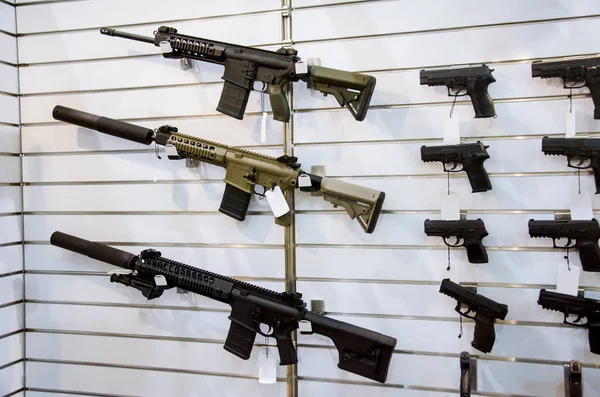
Some firearms look convincing in a catalog or gun-case counter and still lose trust the moment real range time begins. The problem is rarely dramatic failure. More often, confidence disappears a little at a time through rough triggers, weak magazines, awkward handling, or reliability issues that keep showing up when they should not. This list focuses on nine models often criticized for that gap between promise and performance. In each case, the issue was not appearance or concept alone, but the way the gun behaved once rounds started going downrange.
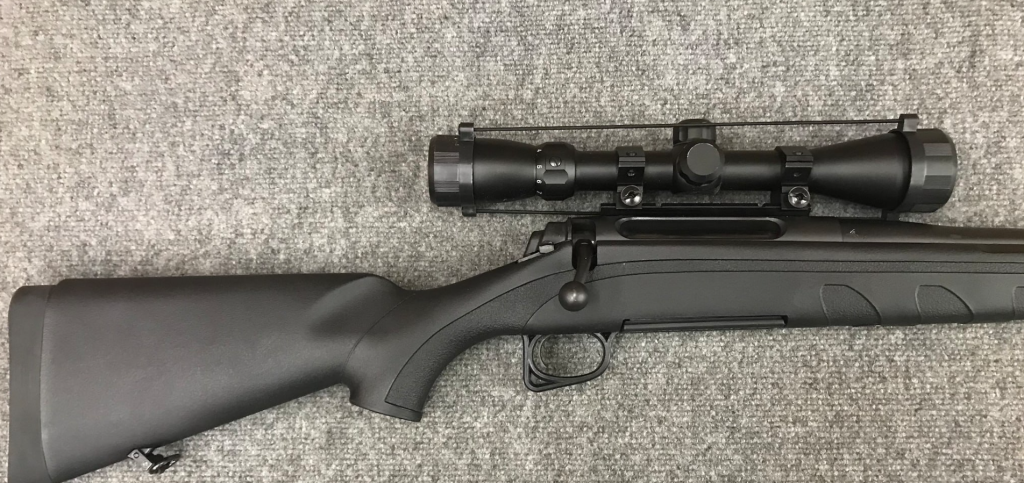
1. Remington 770
The Remington 770 is a reminder that a budget bolt gun still has to feel mechanically sound. Shooters often pointed to a rough, binding bolt stroke and a stock that lacked the stability expected from a hunting rifle meant to be carried and fired in the field. More troubling were complaints tied to the magazine system and chamber dimensions. Reports described magazines detaching during shooting, and some examples were criticized for chambers that were too tight for factory ammunition. That combination turned a basic working rifle into a platform many owners felt needed more patience than it deserved.
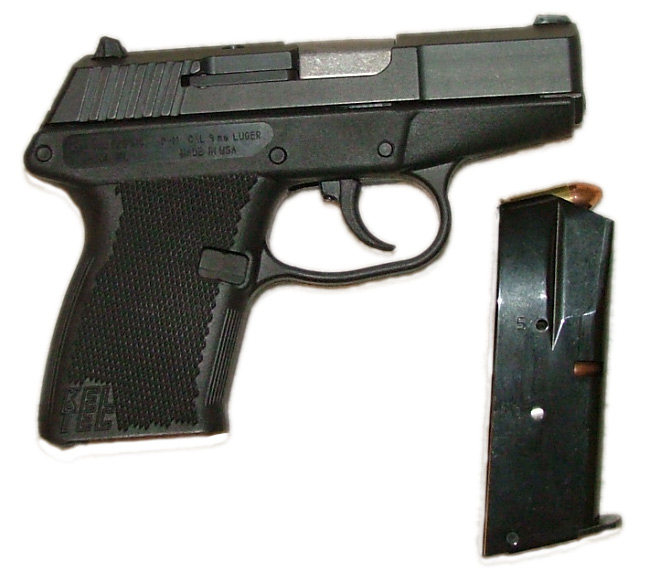
2. KelTec P11
The P11 built its reputation around compact size and easy concealment, but range use exposed the tradeoffs quickly. Its trigger was regularly described as long, heavy, and difficult to run cleanly, which made precise shooting harder than many owners expected. A very small frame added to that frustration. Recoil felt sharper, grip comfort was limited, and confidence could fade fast when a carry pistol did not reward practice. One forum post describing an early outing with a used example mentioned many jams and frustration with the first 50 rounds, a complaint that matched the broader criticism of the design.
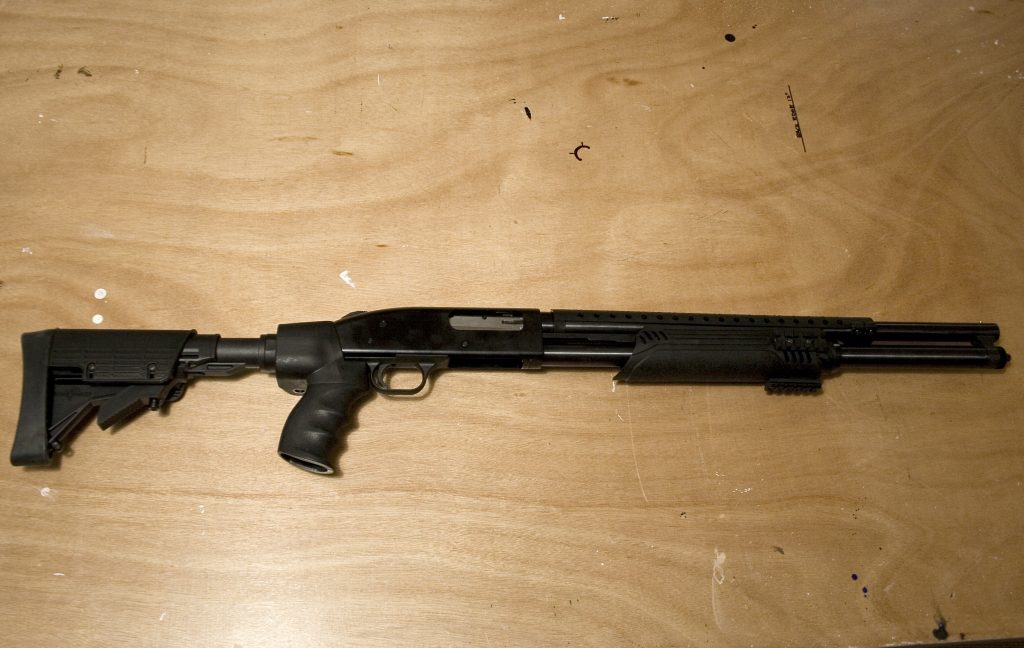
3. Mossberg Blaze
The Blaze stood out for being extremely light, and that alone made it appealing as a casual rimfire. Once handled and shot more seriously, though, many owners felt the design leaned too heavily on plastic components, especially in places where a .22 rifle benefits from a more solid feel. Feed issues and an uninspiring trigger also undercut its role as a fun plinker. A lightweight semiauto can still earn loyalty, but this one was often judged against more durable and better-supported rimfires and came up short.
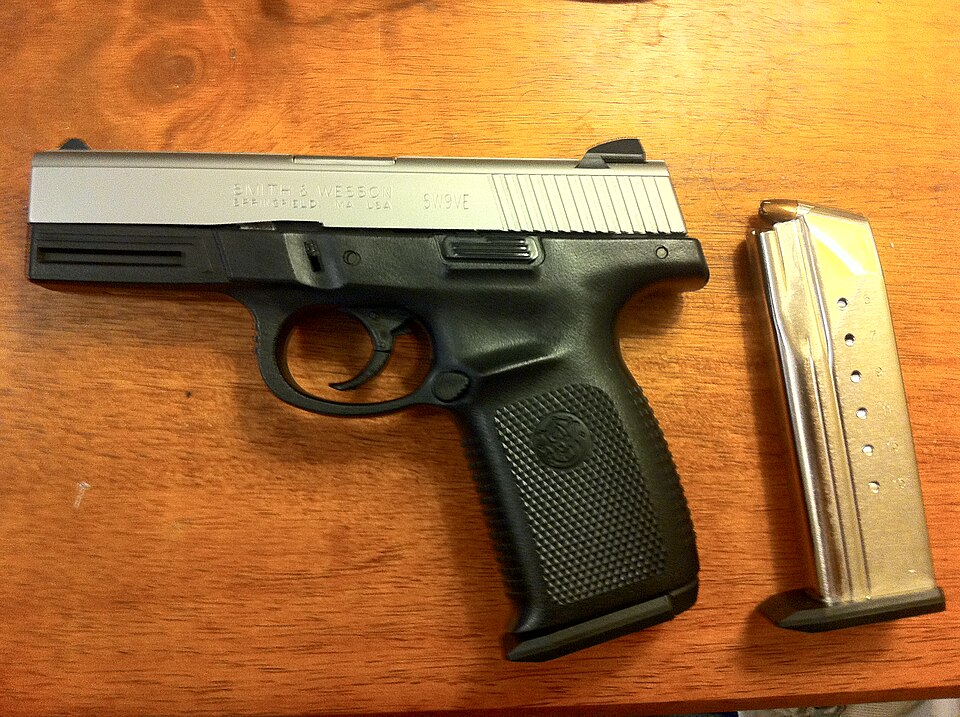
4. Smith & Wesson Sigma 9VE
The Sigma 9VE looked like a modern striker-fired service pistol, yet the trigger became the detail owners remembered most. It was widely criticized for being heavy and gritty, and that mattered because a defensive-style handgun lives or dies by how well the shooter can manage repeated shots. The weak reset did not help. Instead of promoting speed and consistency, the pistol often forced shooters to work around the trigger rather than with it, which is rarely a formula for long-term satisfaction.
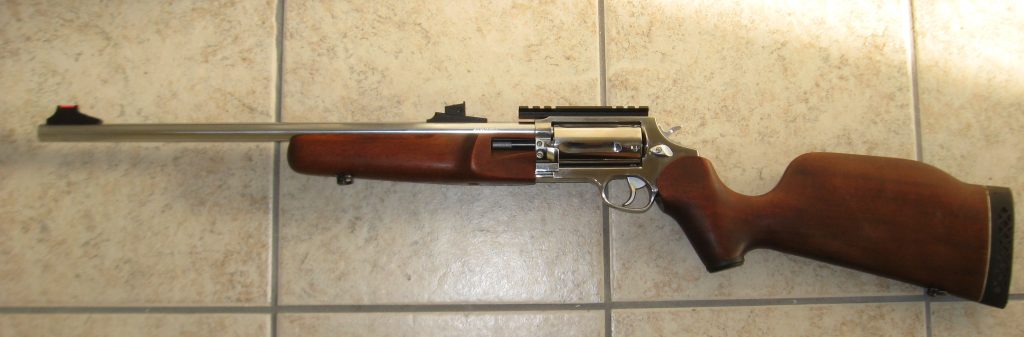
5. Rossi Circuit Judge
The Circuit Judge had one of the most interesting concepts in the group. A shoulder-fired platform chambered for both .45 Colt and .410 shotshells sounded versatile on paper and unusual enough to draw immediate attention at the range. That novelty did not erase the drawbacks. Shooters criticized the support-hand concerns created by cylinder gap blast, and the platform never fully escaped the compromises of trying to do two different jobs with one layout. Bullet accuracy was often described as average, shotshell performance as underwhelming, and the trigger as less refined than the concept deserved. The result was a firearm that attracted curiosity more easily than repeat use.
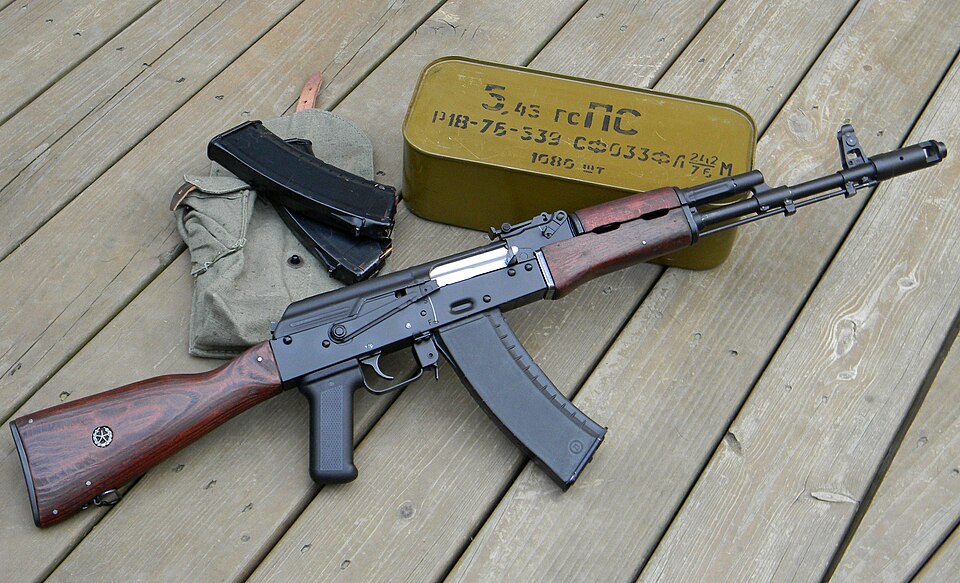
6. Century Arms C39v2
The C39v2 tried to offer an American-made AK-pattern rifle with a milled receiver and some welcome features. On paper, that sounds like a solid formula, especially for shooters who want AK character without chasing imported rifles. Range impressions were much less uniform. Some examples shot acceptably, but others were criticized for front-heavy handling, uneven accuracy, and premature wear on bolt components. In a platform known for durability, that kind of inconsistency tends to overshadow every other feature.
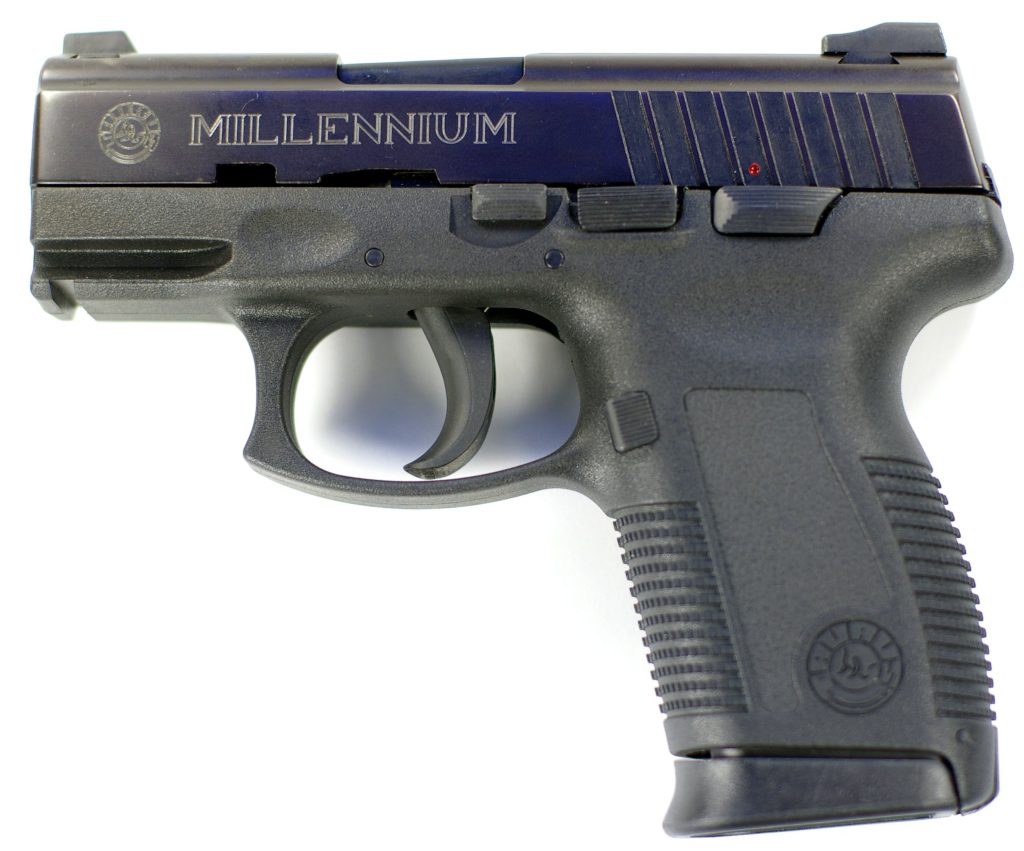
7. Taurus PT145 Millennium Pro
A compact pistol chambered in .45 ACP always promises a lot in a small package. The PT145 Millennium Pro delivered the size and chambering, but owners often found the shooting experience harder to live with than expected. The short grip and snappy recoil made control difficult, while complaints about feeding reliability and slide-lock behavior kept the pistol from building trust. When a carry-sized handgun feels unpredictable on the range, its appeal usually fades in a hurry.
8. ATI Omni Hybrid AR
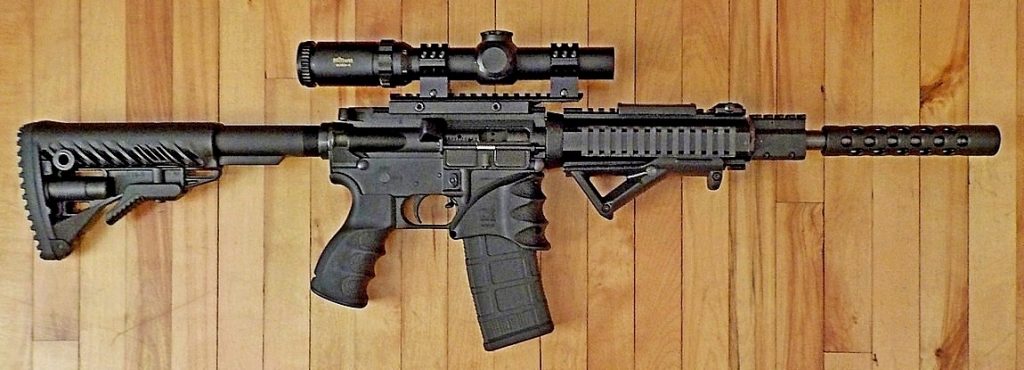
The Omni Hybrid AR aimed to reduce weight by using polymer in major receiver components. That made it notable immediately, because the AR market has long treated receiver rigidity as part of the platform’s baseline strength. Criticism centered on flex near the buffer tube, a mushy trigger feel, and accuracy that did not always feel repeatable. Owners expecting standard AR consistency instead encountered a rifle that many felt lacked the solid structure associated with the pattern.
9. Chiappa M1-22
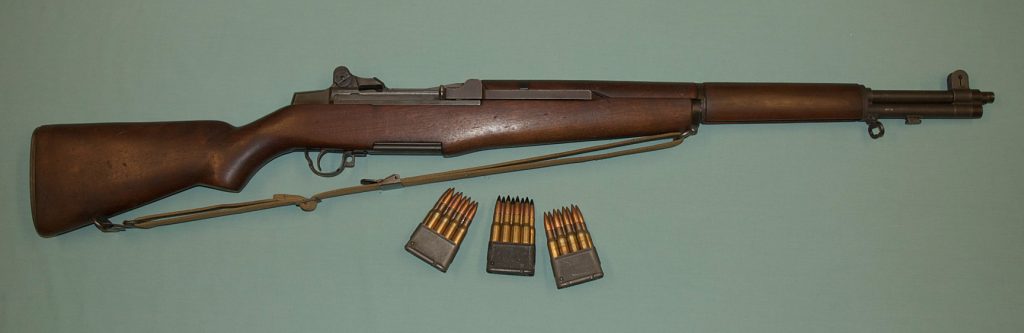
The Chiappa M1-22 succeeded at first glance. Its M1 Carbine styling gave it instant nostalgic appeal, and a rimfire version of a classic military profile has obvious recreational value. What frustrated owners was that the appearance did not translate into dependable shooting. The rifle was frequently faulted for repeated feeding failure and slow cycling, with magazines often singled out as part of the problem. A rimfire trainer or plinker can forgive many things, but constant interruptions are rarely among them.
These nine firearms share a common lesson: disappointment usually begins with small mechanical or ergonomic problems that keep repeating. A rough trigger, poor magazine design, weak materials, or inconsistent cycling can drain confidence faster than any marketing promise can restore it. Range time has a way of revealing what brochures cannot. Once reliability, control, and practical accuracy fall behind expectation, regret tends to follow.


