Range disappointment rarely comes from appearance alone. It usually shows up in the details that matter most once a firearm is actually fired: a trigger that never settles into a predictable break, a design that is tedious to maintain, controls that interrupt rhythm, or reliability expectations that collapse under ordinary use.
The references here point to a familiar divide in firearms ownership. Some guns earn forgiveness because they are light, simple, or purpose-built. Others lose favor because the shooting experience asks too much from the owner. That gap is where buyer’s remorse tends to live.
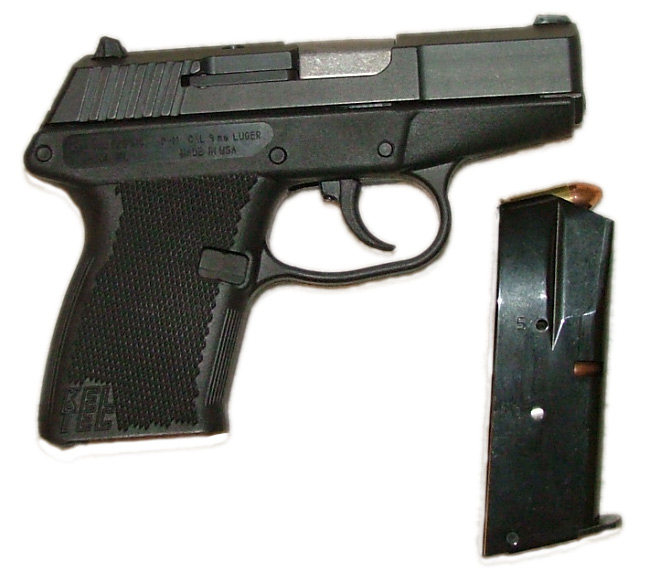
1. Kel-Tec P11
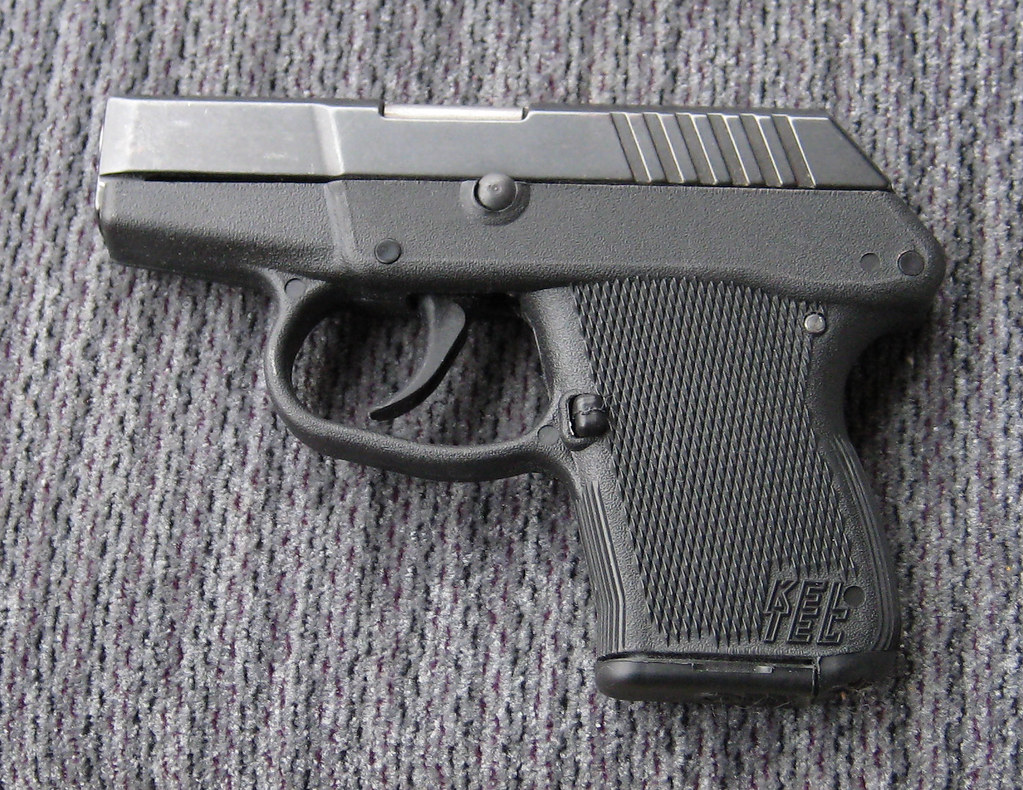
The P11 stands out because the criticism centers on one feature above all others: the trigger. In the forum discussion, owners repeatedly describe it as long and heavy, with some accepting that character as part of a carry-oriented design and others saying it pushed them away from the pistol entirely. One participant wrote that a dealer “bought one and disliked it so much he said he sold his right away.” That divide matters because trigger feel is not a minor complaint at the range. It shapes cadence, confidence, and practical accuracy. While some shooters in the discussion defended the stock setup as an added margin of safety, the recurring complaint was simple: a pistol that can be carried does not automatically become one that is enjoyable to shoot.
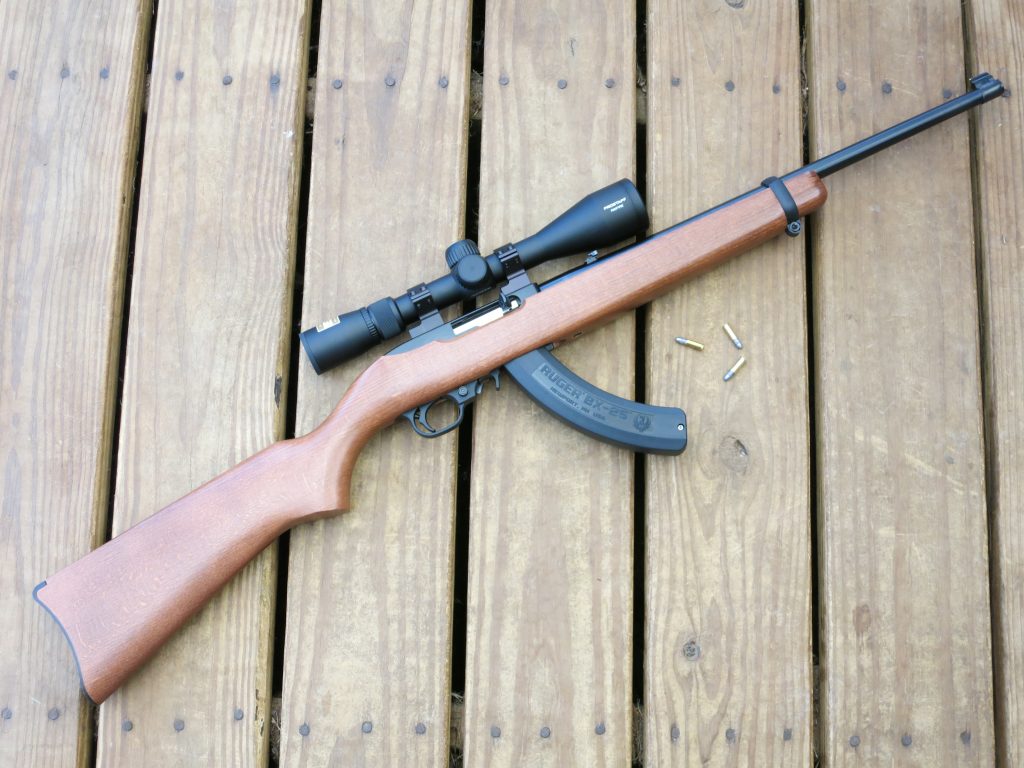
2. Mossberg Blaze .22 LR
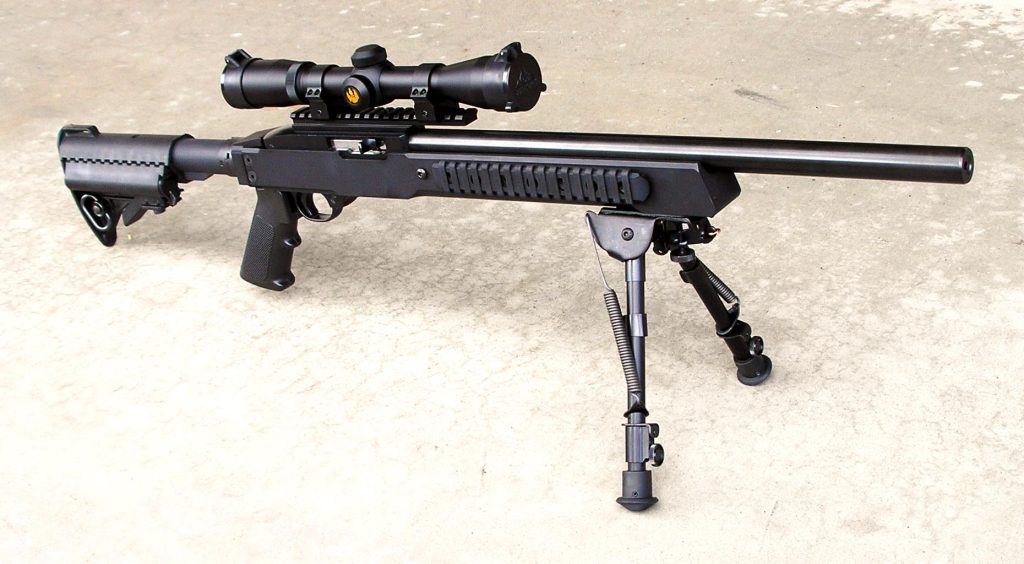
The Blaze is an unusual inclusion because the cited test did not portray it as unreliable. In fact, the evaluation recorded about 400 rounds with no malfunctions, a notable result for a rimfire semi-automatic. Even so, a firearm can disappoint owners without failing outright. The Blaze’s trigger was described as having sluggish takeup and substantial overtravel, characteristics that can make a light, handy rifle feel cheaper at the bench than it looks on paper. For some owners, that kind of range letdown is enough. The same applies to maintenance: the rifle’s teardown involves 16 plastite screws in the stock shells, which turns routine cleaning into a more involved process than many shooters expect from a simple utility rimfire.
3. Ultra-Light Polymer Rimfires
The Blaze also represents a broader category that some owners sour on after purchase: ultra-light polymer-heavy rimfires. At first glance, low weight looks like an advantage. On the range, however, featherweight construction can make a gun feel less settled in the hands, especially when paired with basic triggers and utilitarian sights. That does not make such rifles ineffective. It does explain why some buyers expecting a traditional .22 experience end up underwhelmed by how these guns balance, clean, and handle over a longer session.
4. Firearms With Complex Cleaning Routines
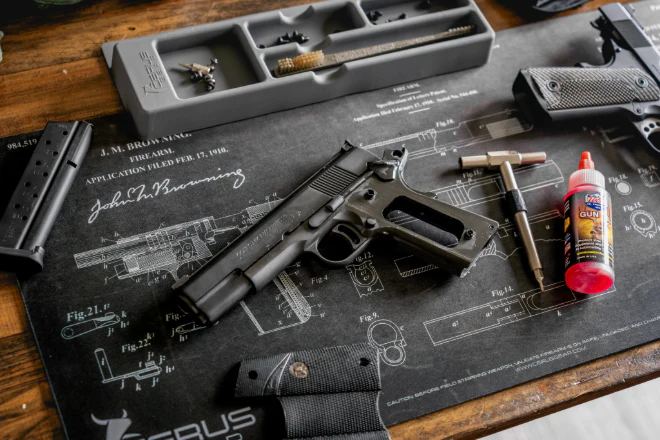
Some buyer regret starts after the shooting ends. A firearm that runs acceptably for a few magazines but becomes annoying on the bench or worktable can lose favor quickly, particularly in rimfire form where fouling accumulates fast. The Blaze example is instructive because the design asks the owner to separate clamshell-style stock halves and work around accessory mounting hardware for a full cleaning. That is manageable, but it is not elegant. Owners who expected a casual plinking rifle may see that extra effort as the moment the purchase stops feeling carefree.
5. Guns That Need Technique More Than Talent
Several comments about the P11 make clear that the pistol can be shot well if the trigger is pulled in one smooth, continuous motion. One owner even reported being surprised by how accurate it was once the trigger was worked correctly. That still leaves room for regret. Firearms that demand adaptation rather than rewarding instinctive shooting often create friction with owners who expected immediate competence. On the range, those guns can feel like homework.
6. Budget Guns With Noticeable Control Compromises
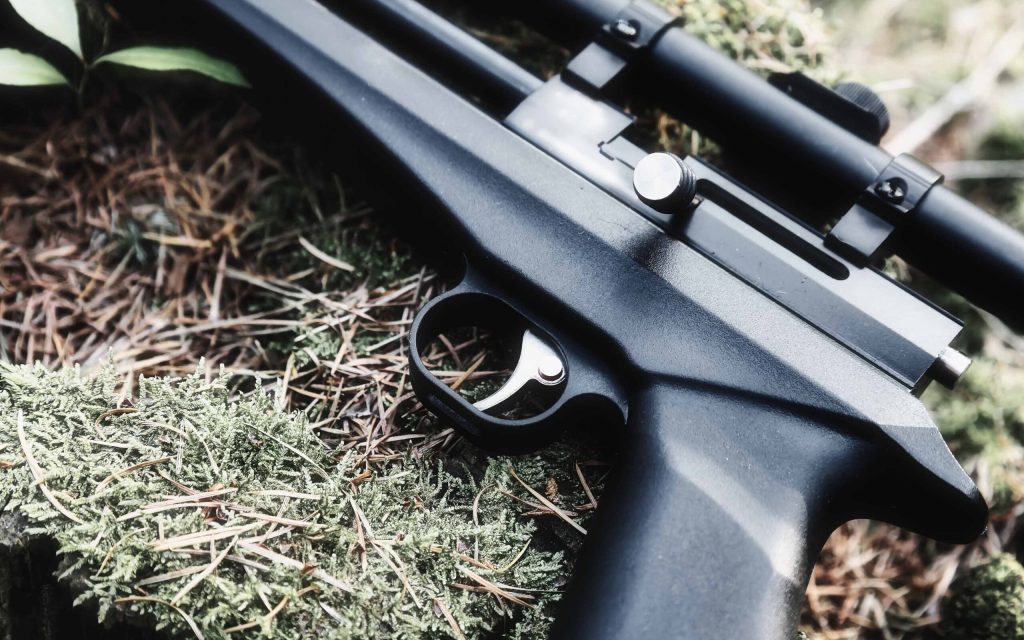
Budget-minded firearms often survive scrutiny until the shooter begins noticing every shortcut. In the Blaze test, the rifle’s low mass and practical accuracy were clear strengths, but the trigger behavior and disassembly process showed the trade-offs behind the concept. This is where many firearms “fail” in owner conversations: not through catastrophic defects, but through the accumulation of small irritants. A control that feels spongy, a bolt hold-open system that is less intuitive than expected, or a magazine insertion method that interrupts familiar handling can all wear down enthusiasm over time.
7. Carry Pistols That Are Poor Range Companions
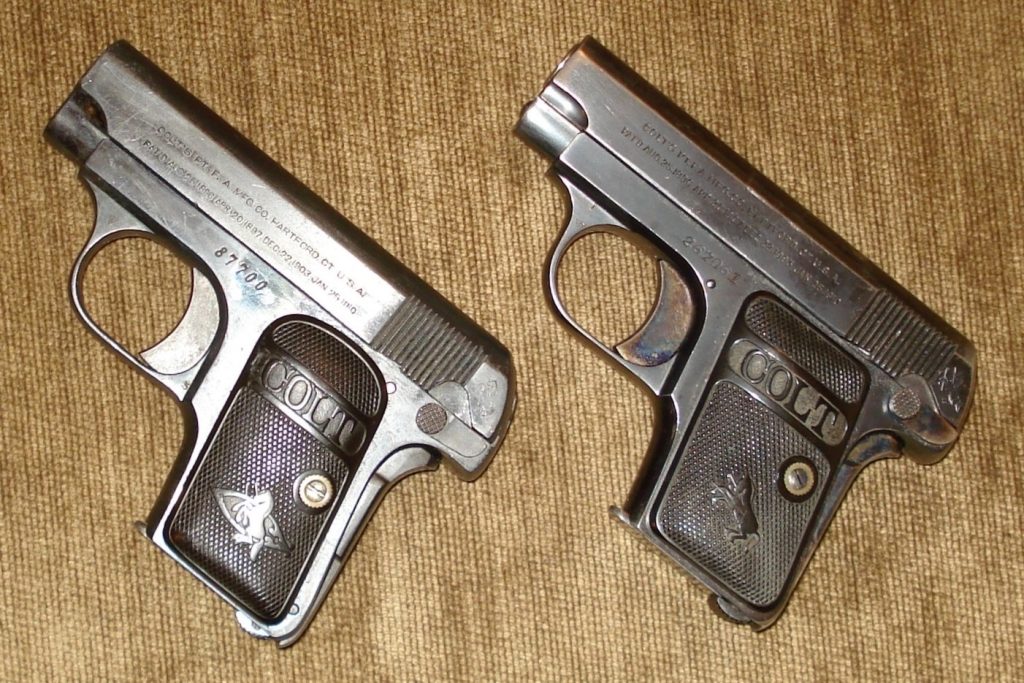
The P11 discussion repeatedly hints at a common ownership mismatch. A pistol acquired for discreet carry may do its basic job, yet still become unpopular because practice sessions are unpleasant. One poster said, “I bought this for a carry gun and seldom carry it.” That sentence captures a familiar pattern: the firearm is neither enjoyable enough to train with often nor compelling enough to remain in regular rotation. For many owners, that is the true definition of a failed purchase.
8. Firearms Overshadowed by Newer Variants
Regret also grows when owners see later models solving the exact issue that bothered them. In the P11 thread, shooters contrasted it with newer Kel-Tec designs and specifically pointed to the PF9 as having a better trigger. Once a manufacturer’s own lineup makes an older gun feel dated, range dissatisfaction can harden into resale intent. A firearm does not need to be broken to be displaced. It only needs a successor that feels easier to shoot well.
9. Guns Bought for a Role Instead of a Shooting Experience
The references point to a broader lesson. The Blaze was presented as a truck gun or utility rifle, while the P11 was discussed mainly as a defensive carry piece. In both cases, the design goal shaped owner expectations before the first shot was fired. That can backfire at the range. Role-driven purchases often look rational in the store, but shooting exposes whether the gun is actually satisfying to use. If the answer is no, owners frequently describe the firearm as a mistake even when it technically performs its intended function.
The most revealing part of range regret is that it rarely depends on one dramatic failure. More often, disappointment grows from friction between purpose and experience. A rifle may be reliable yet awkward to maintain. A pistol may be safe and compact yet burdened by a trigger many shooters never warm to. Those are the firearms owners most often say failed them where it counts: on the firing line.


