

Some firearm designs outlast the eras that introduced them. They stay relevant because the underlying mechanics still solve the same hard problems: how to feed reliably, recover quickly, control recoil, and keep a weapon running when conditions are less than ideal.
That staying power shows up across handguns, revolvers, and rifles. A few platforms became benchmarks for trigger feel, others for modularity, and others for brute reliability. Together, they explain why so much of today’s shooting world still rests on engineering choices made decades ago.
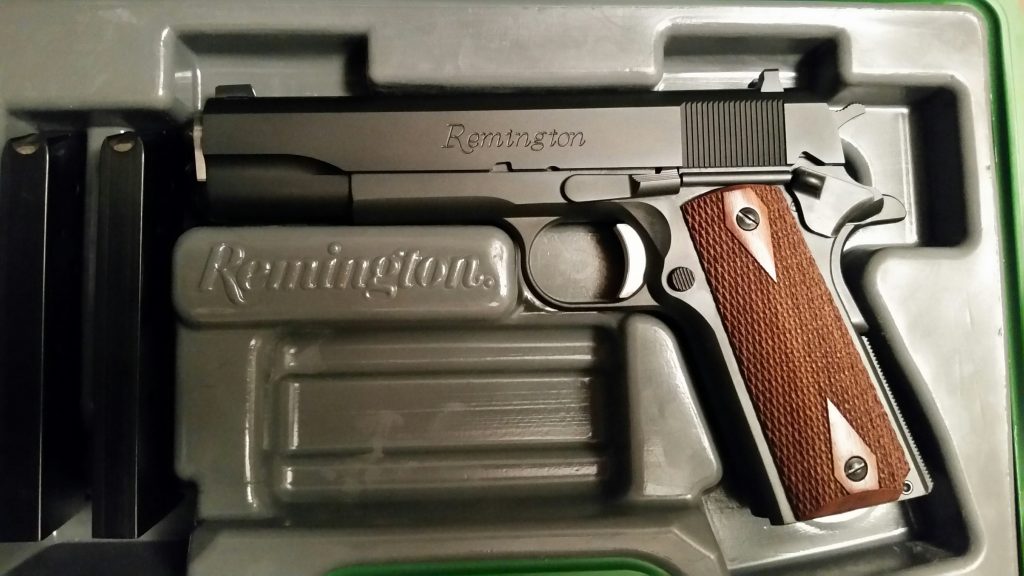
1. The 1911’s single-action blueprint
The Colt 1911 remains one of the clearest examples of how geometry can define shootability. Its straight-to-the-rear trigger movement, slim profile, and grip angle created a feel that still shapes how many shooters judge a service-size pistol. Even after later revisions like the M1911A1, the original Browning layout stayed intact enough to preserve the design’s core strengths. The platform endures because it balances mechanics and interface unusually well. Controls are easy to index, recoil tracking is predictable, and the single-action trigger has long served as a reference point for precision in a fighting handgun. John Browning’s direct role ended after adoption, but the design he handed over became one of the few pistol systems that never stopped being modern in the ways that matter.
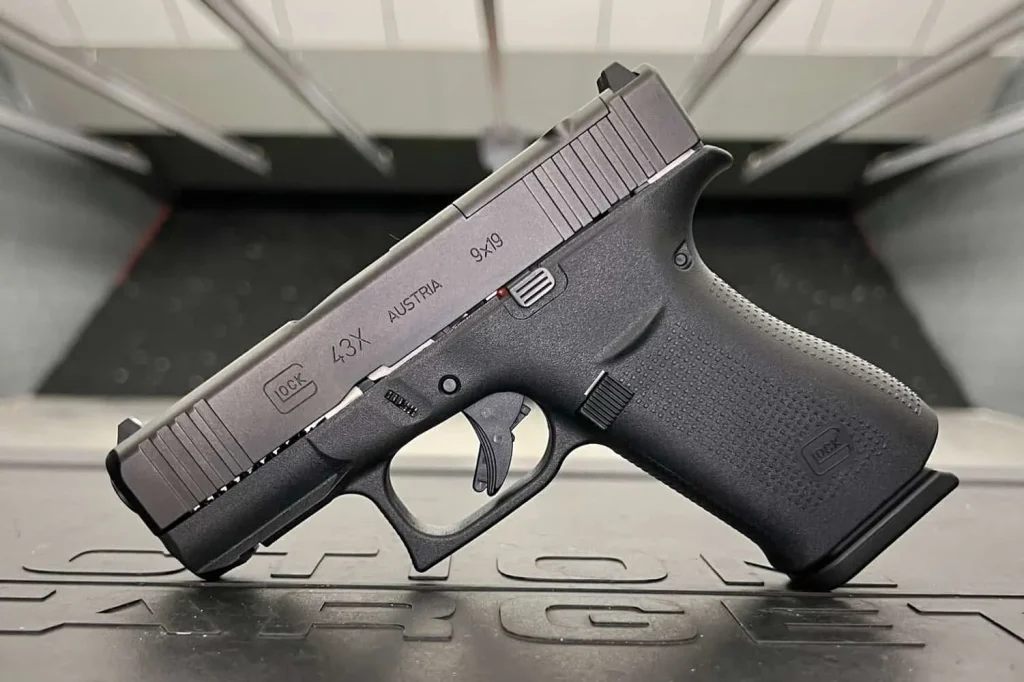
2. Glock’s polymer striker formula
Glock did more than popularize a pistol. It normalized an entire manufacturing philosophy built around low part count, corrosion resistance, and repeatable handling from model to model. The company states the design uses an average of only 35 parts, a number that helps explain why field stripping and armorer service became so straightforward across the line. The technical breakthrough was not polymer alone. It was pairing a lightweight frame with a striker-fired system and three passive internal safeties, creating a pistol that could be carried ready without the user managing external levers under stress. The result was a family of sidearms that proved simple enough for institutional scale and durable enough to become standard issue in an enormous number of agencies. Once that pattern took hold, the modern duty pistol market largely followed it.
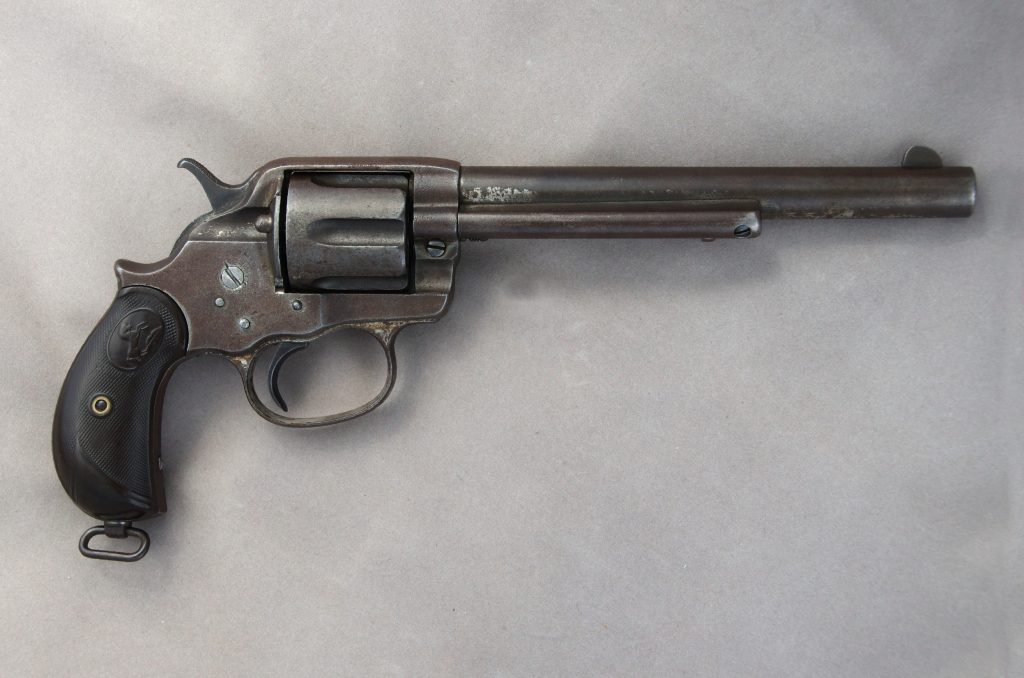
3. The double-action revolver’s timing and feedback
Smith & Wesson and Colt double-action revolvers still matter because they reveal mechanical quality in a way few firearms do. Trigger pull, cylinder rotation, lockup, and break all happen under the shooter’s finger in one long stroke, making timing and fit impossible to fake. That matters beyond nostalgia. A revolver does not depend on magazine geometry, slide velocity, or cycling energy to chamber the next round. Each trigger press advances a fresh chamber into alignment, and that simple promise remains one of the cleanest expressions of reliability in firearms design. Even where semi-autos dominate, the double-action revolver is still the benchmark for craftsmanship, durability, and mechanical honesty.
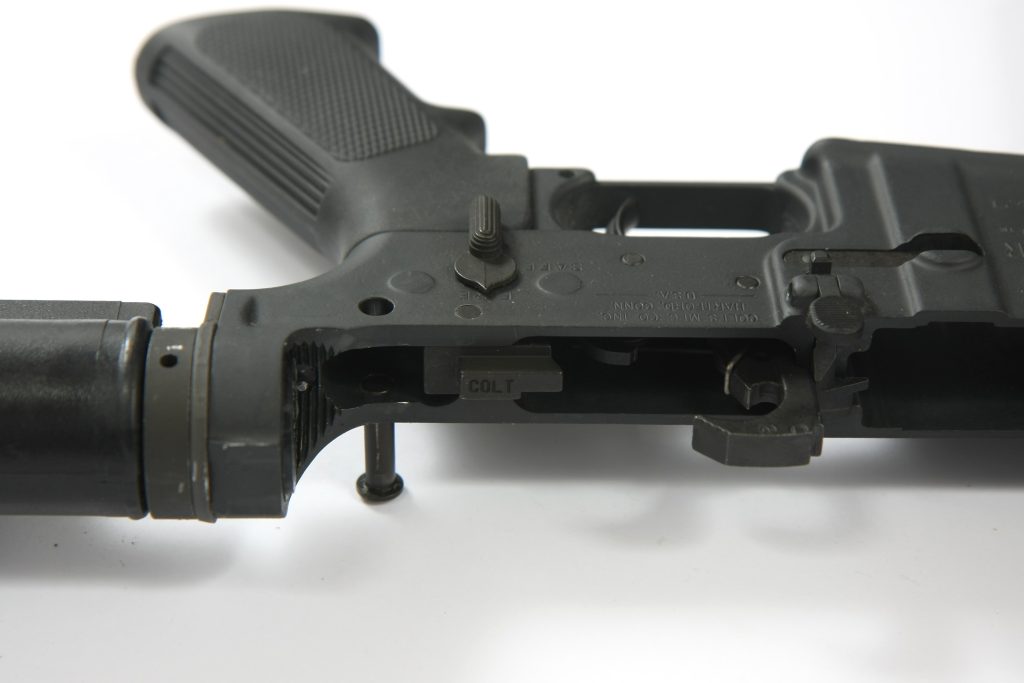
4. The AR-15’s modular receiver system
The AR-15 changed the rifle market by turning the gun into a platform rather than a fixed configuration. Its split upper-and-lower receiver layout made caliber changes, barrel swaps, and accessory upgrades unusually easy without redesigning the entire weapon. That architecture is a major reason the rifle became so adaptable across competition, training, and hunting roles. Just as important, the operating system was more sophisticated than the old “gas impingement” label suggests. In Stoner’s design, the carrier and bolt act as the two parts of a sealed piston, keeping the mechanism in line with the bore and helping reduce weight while preserving controllability. That engineering choice, combined with the rifle’s modular structure, is why the AR still defines what a configurable rifle looks like.

5. The AK’s overbuilt reliability package
The AK became famous for reliability, but the real story is that its dependability is distributed across the whole system. Magazine geometry, feed path, spring energy, chamber design, and control layout all work toward the same goal: keep the rifle functioning when dirt, cold, and rough handling start stacking penalties against everything else. The magazine is a major part of that equation. Long feed lips, a heavily built body, and a rock-in locking method give the rifle strong feeding control and insertion leverage, while the feedway keeps cartridges nearly inline with the chamber. The spring system also reflects the same design philosophy, with generous reserve energy that helps the bolt close even when fouling or drag starts to matter. The end result is a rifle built around forgiveness instead of refinement, and that tradeoff still influences how engineers think about ruggedness.

6. The Mauser 98’s controlled-round feed action
The Mauser 98 remains the reference standard for bolt-action reliability because it controls the cartridge through the feeding cycle instead of merely pushing it forward and hoping everything lines up at the last instant. That extractor-led approach still anchors discussions of dangerous-game rifles, hard extraction, and field use under imperfect handling.
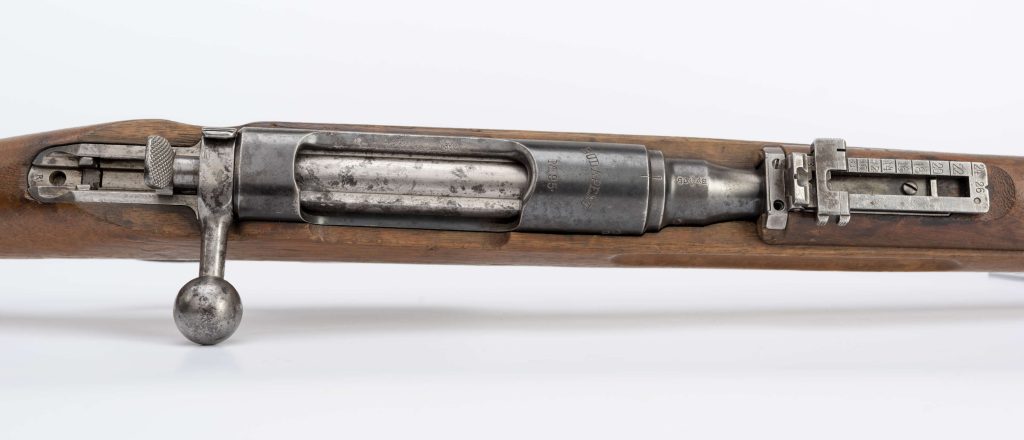
What keeps the action current is that its fundamentals still support precision as well as dependability. A modern rifle built on the pattern was documented producing a 0.685-inch four-shot group, a reminder that old action geometry can still meet modern performance expectations when paired with current barrels and stocks. Few bolt systems have matched that mix of authority and trust.

7. The Winchester 94’s compact lever-gun balance
The Winchester Model 94 solved a practical rifle problem with packaging. It delivered quick follow-up shots in a trim, carry-friendly form that worked especially well in hunting terrain where fast handling mattered more than benchrest posture. Its engineering significance is often hidden behind its cultural familiarity. The rifle was the first commercial American repeating rifle built for smokeless powder, and that placed it at a major transition point in rifle development. More than seven million were eventually produced, but volume alone does not explain its endurance.

The real reason is balance: enough speed, enough power, and a manual of arms simple enough to stay useful for generations. Across all seven, the pattern is clear. The designs that survive are not always the newest or the lightest. They are the ones that got the system right.Some became standards because they made shooting easier. Others endured because they kept working when conditions were poor. Either way, today’s firearms industry still builds around lessons these platforms settled long ago.


