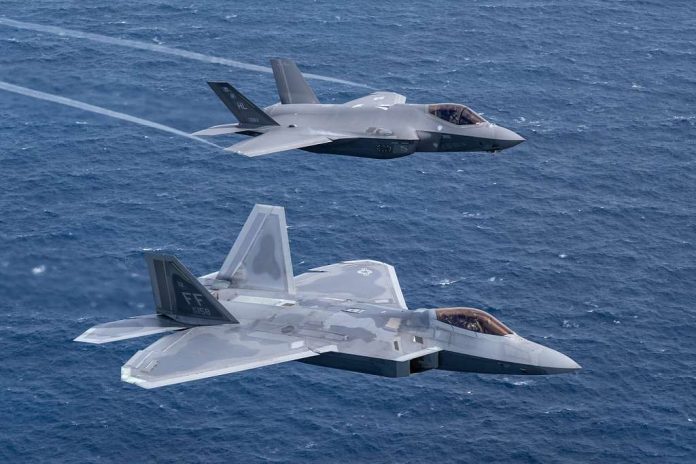
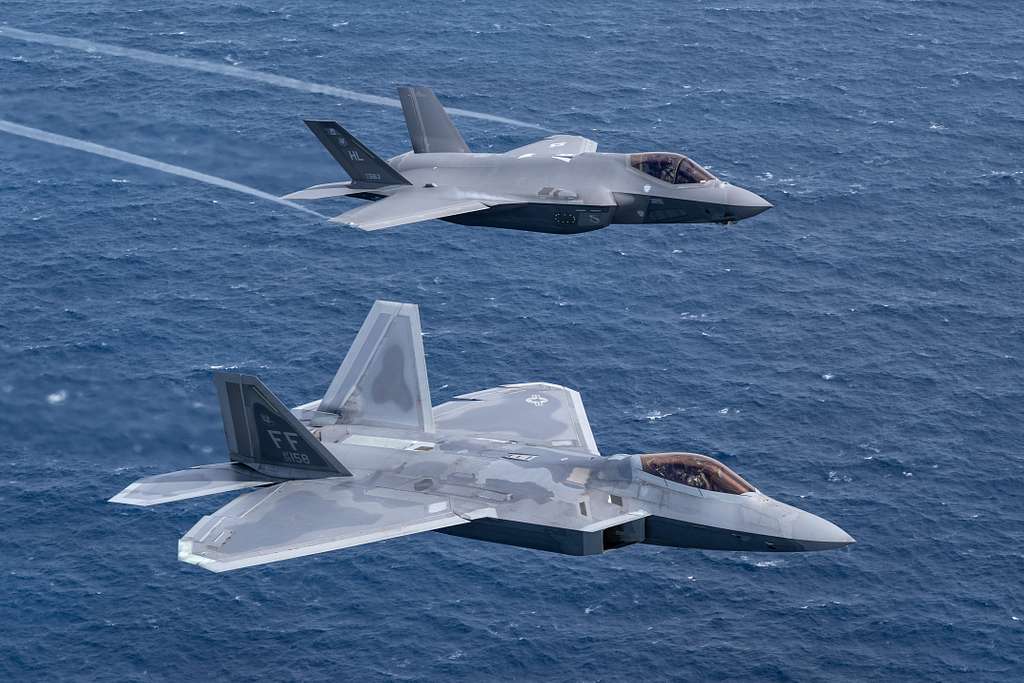
The F-35 and F-22 were built for different moments in airpower, but both are now being reshaped by the same pressure: modern fighters have to process more data, coordinate with more systems, and survive against denser layers of sensing and electronic attack than their original designs were asked to handle.
Instead of waiting for entirely new aircraft to solve that problem, the U.S. fighter enterprise is loading advanced capabilities into existing stealth platforms. The result is not a cosmetic refresh. It is a broad technical push that touches computing, propulsion, infrared sensing, networking, autonomy, weapons integration, and the way a single pilot may command multiple aircraft at once.
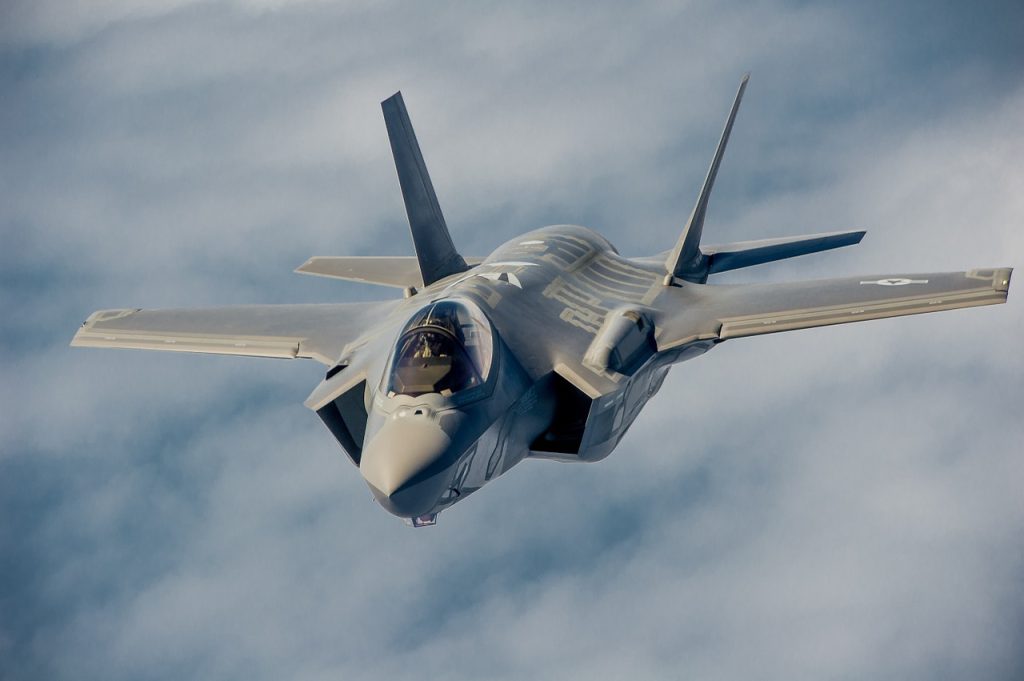
1. TR-3 is becoming the F-35’s real foundation upgrade
Technology Refresh 3 matters because it is the hardware-and-software backbone that makes later improvements practical. Lockheed Martin has described it as adding a new integrated core processor, more memory, and cockpit display improvements, while 25 times the computing power over the previous TR-2 configuration has been cited for the new processor path. That jump is what turns the F-35 from a platform managing sensors into one that can absorb far more software growth over time.
It also matters because Block 4 depends on it. Without more processing headroom, the aircraft cannot comfortably host the extra sensor management, AI-enabled functions, and mission-system growth expected to carry the jet well into later decades.
2. Block 4 is expanding what the F-35 can sense, carry, and coordinate
Block 4 is not one feature. It is a stack of upgrades aimed at better sensors, more weapon options, and stronger interoperability across domains. Lockheed Martin officials have described it as 75 new programs grouped around those core areas, which explains why the package keeps drawing so much attention.
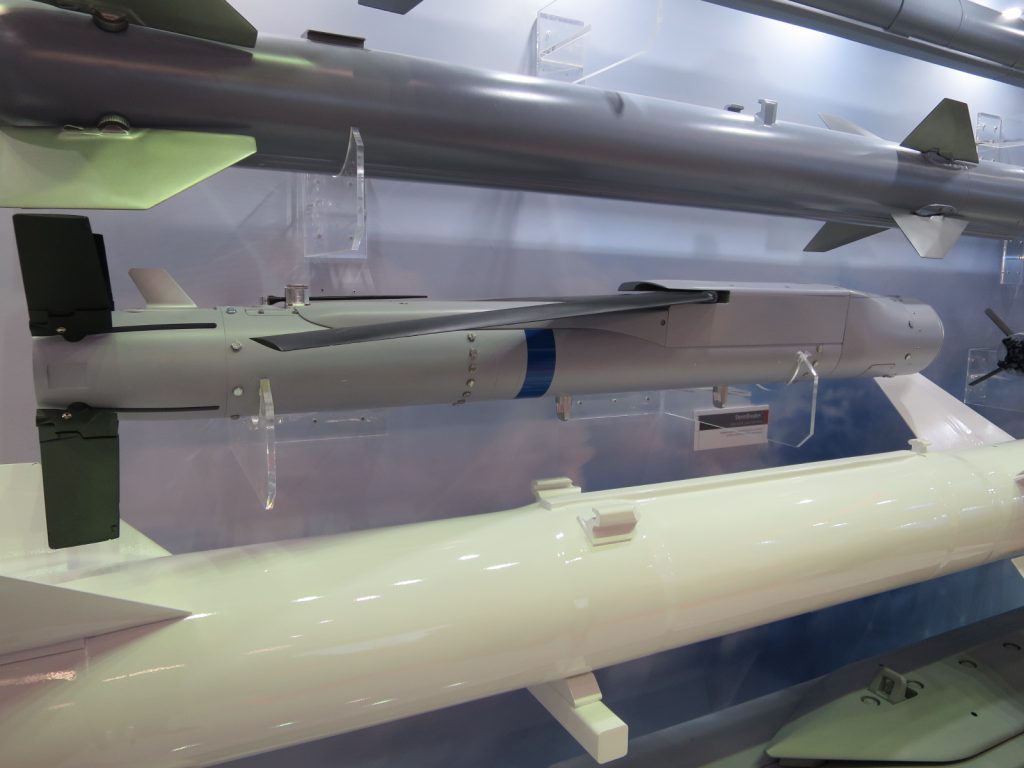
The weapons side is especially consequential. Reference reporting has tied Block 4 to integration for systems including AIM-260, AGM-88G AARGM-ER, and the GBU-53/B StormBreaker, alongside the “Sidekick” internal carriage change that can raise internal missile count on some variants from four to six. That combination affects range management, target flexibility, and sortie usefulness without changing the basic airframe.
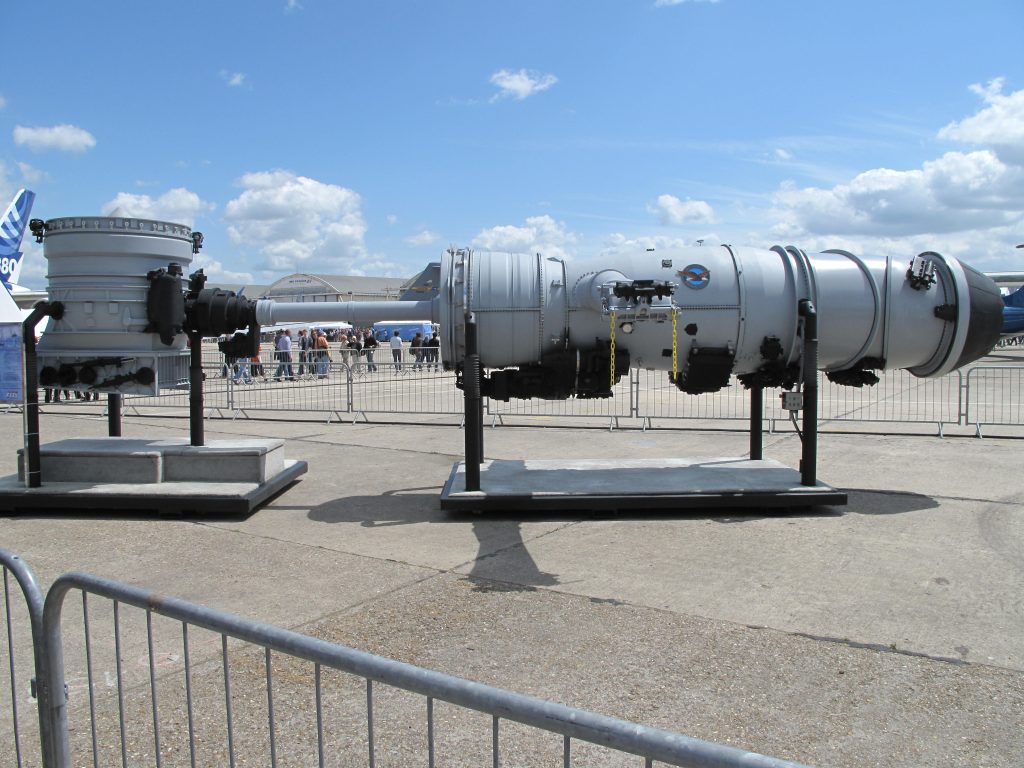
3. The F-35’s engine problem is now also a heat and power problem
Modern mission systems do not just need thrust. They need cooling and electrical margin. The F-35’s propulsion debate has therefore shifted from simple performance gains to whether the aircraft can support the thermal and electrical demands created by newer avionics and software.
One reference article notes the current engine has already been operating at 30 kilowatts of cooling against a 15-kilowatt design target, while future requirements tied to Block 4 are expected to climb further. That is why the engine upgrade discussion remains central even when a more conservative core upgrade is chosen over a clean-sheet adaptive engine. The issue is not abstract; it sits at the intersection of reliability, sensor growth, and how much additional capability the jet can realistically absorb.
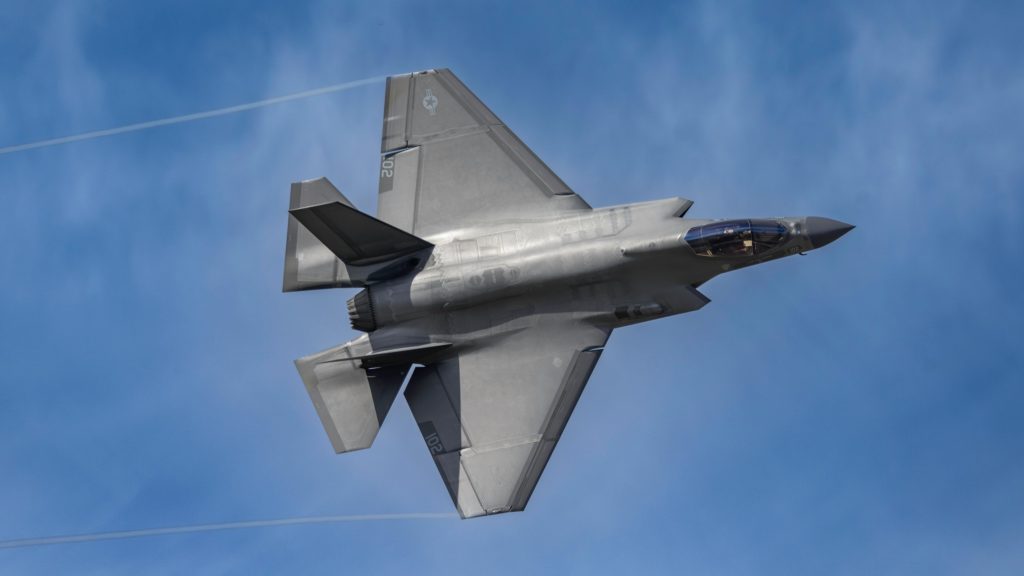
4. Adaptive propulsion concepts still shape the long-range fighter conversation
Even where a full adaptive engine is not immediately entering service, the design logic behind adaptive-cycle propulsion still influences fighter modernization. The attraction is straightforward: more thrust when needed, better fuel efficiency in cruise, and more electrical generation for demanding onboard systems.
For stealth fighters expected to operate across large distances, especially in the Pacific, range is not a secondary feature. It affects tanker dependence, routing flexibility, and how much combat power can be positioned without exposing support aircraft. That is why engine modernization remains one of the most important enablers behind every other upgrade on this list.
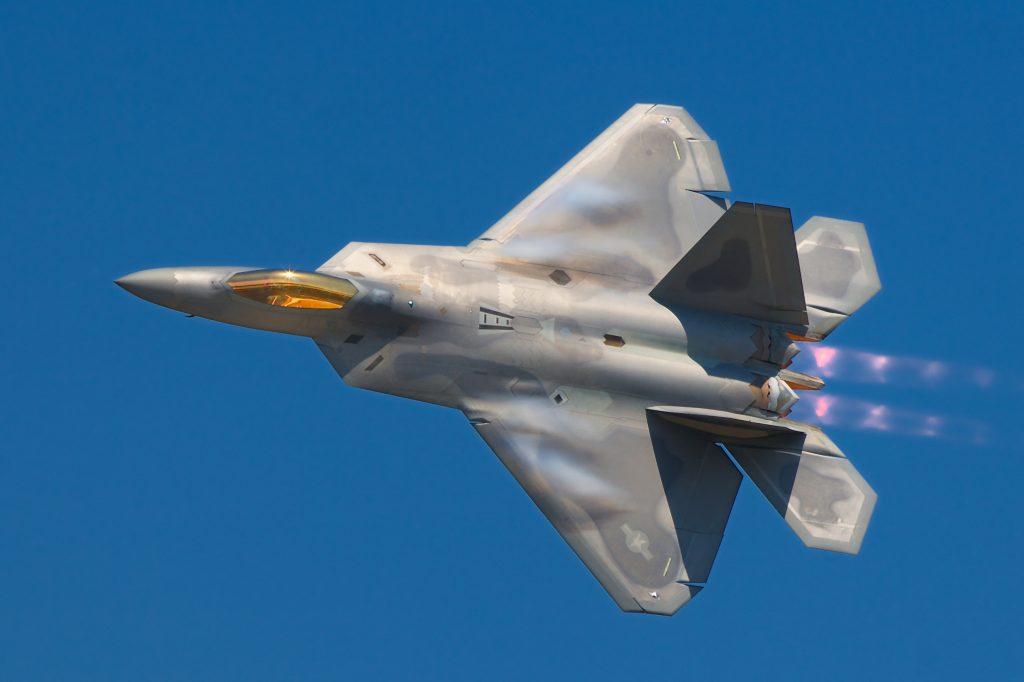
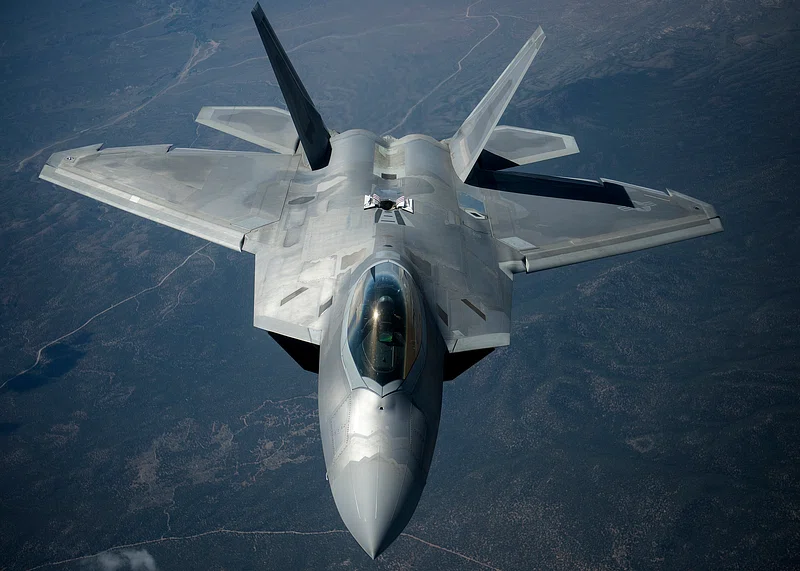
5. The F-22 is gaining new infrared threat-detection hardware
The Raptor’s stealth and kinematic performance remain valuable, but survivability increasingly depends on spotting threats that radar alone may not handle cleanly. That is where the F-22’s infrared modernization effort comes in. Reporting on the program points to a $270 million contract to upgrade the ageing fleet of F-22 Raptors with cutting-edge infrared threat-detection sensors.
Lockheed executive Hank Tucker said, “We understand the need for advanced and versatile infrared systems like [Infrared Defensive System (IRDS) that will make pilots’ missions more survivable and lethal against current and future adversaries.” For an aircraft with limited fleet size and no production restart, sensor renewal is one of the clearest ways to preserve relevance.
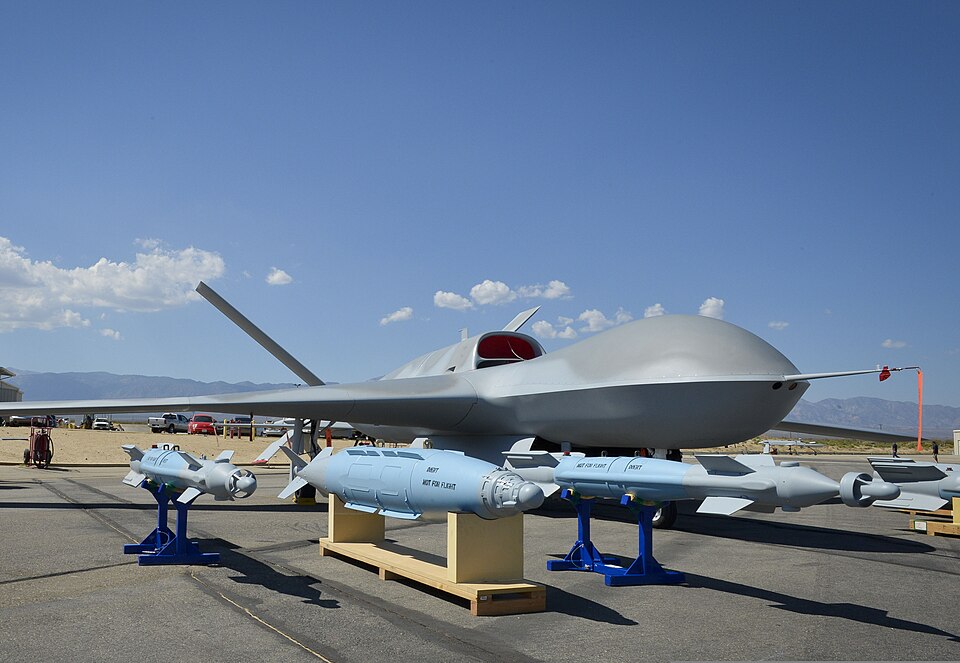
6. Loyal wingman control is moving from concept art to cockpit demos
Manned-unmanned teaming has become one of the most visible signs of where fighter operations are heading. The important shift is not just that drones can accompany fighters, but that a pilot in a stealth jet can command them during flight using interfaces simple enough to fit inside a single-seat cockpit. That transition is already visible in testing. An F-22 and MQ-20 Avenger recently flew together in a demonstration where the pilot passed commands in real time, and an earlier event showed an F-22 pilot using a tablet in the cockpit to control the drone.
General Atomics president David Alexander said, “This demo featured the integration of mission elements and the ability of autonomy to utilize onboard sensors to make independent decisions and execute commands from the F-22.” The technical significance is less about one aircraft pairing than the architecture behind it: autonomy software, tactical datalinks, and pilot interfaces that let one crewed fighter extend its reach through unmanned partners.
7. Open architectures are becoming as important as stealth shaping
One of the biggest changes in modern fighter design is invisible from the outside. Open mission systems, government reference architectures, and software-defined connectivity now determine how quickly a platform can add sensors, autonomy tools, or new radios without rebuilding the aircraft around proprietary bottlenecks.
That is why recent demonstrations have emphasized non-proprietary communications paths and modular integration. A stealth fighter that cannot rapidly accept new software or connect to evolving networks risks aging faster than its airframe. By contrast, a flexible architecture lets the aircraft keep absorbing capability as threats change.
8. Joint networking is turning fighters into combat nodes, not just shooters
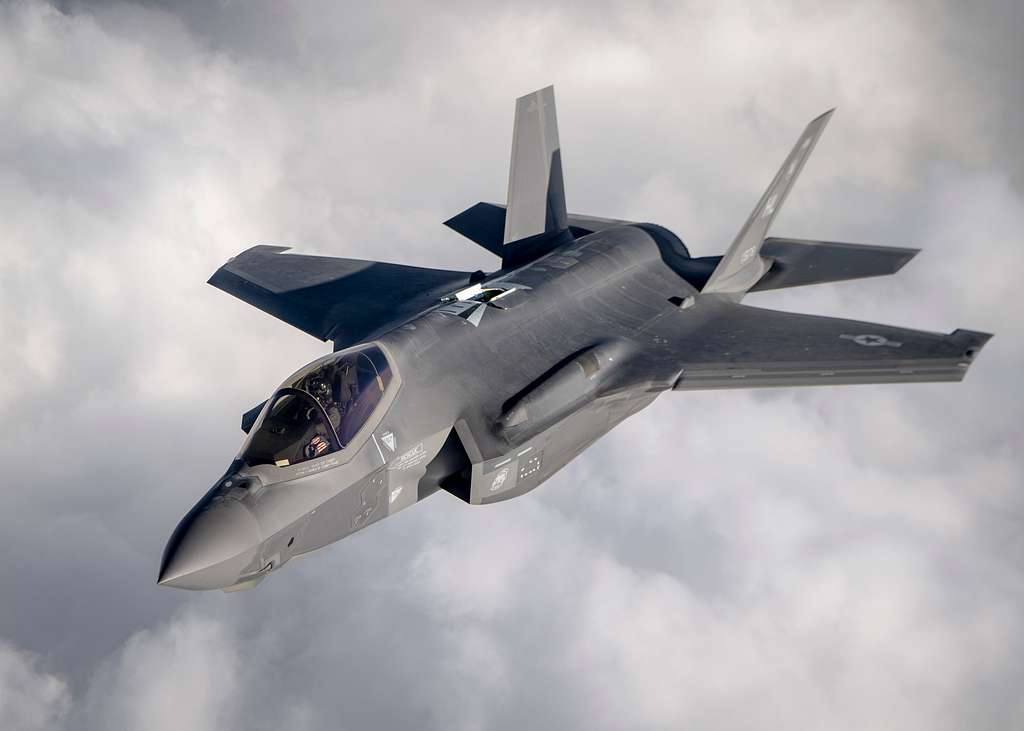
The F-35 in particular is being pushed toward a role that goes beyond finding and attacking targets directly. It is increasingly treated as a sensor-and-data node able to pass information across air, land, and allied command networks.
That role has already been demonstrated in multinational settings. At NATO’s Ramstein Flag exercise, Lockheed Martin described the first live classified data share by a non-U.S. F-35 in flight with Keystone, a Dutch command-and-control environment. The technical point is larger than one exercise. A fighter that can sense, translate, and route data to other systems changes the value of every sortie, especially in coalition operations.
9. Stealth refinement is still evolving long after both jets entered service
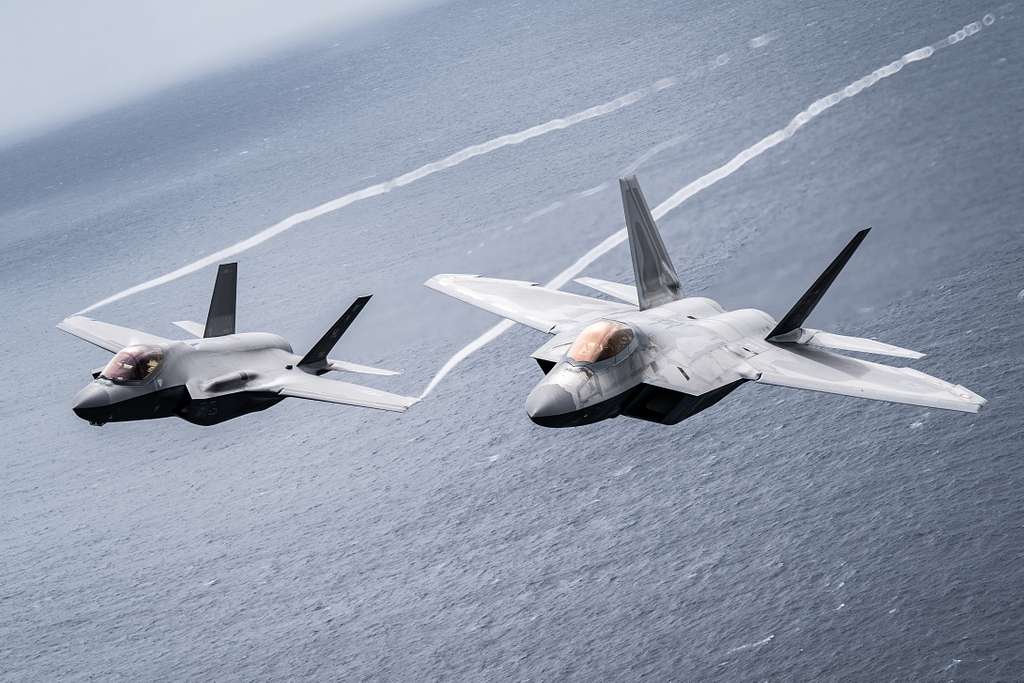
Stealth is not fixed at rollout. Coatings, inlet treatments, edge alignment, infrared management, and maintenance practices all influence how difficult an aircraft is to detect and track. That makes stealth modernization an ongoing engineering process rather than a one-time achievement. For the F-35 and F-22, that means signature management continues to evolve alongside sensors and electronic warfare. As detection systems improve across multiple bands, survivability depends not only on low observability at the front end but also on better mission systems, lower emissions, and smarter ways to operate within a larger network of crewed and uncrewed platforms.
Taken together, these upgrades show how fifth-generation aircraft are being stretched toward sixth-generation expectations without waiting for an all-new fleet. Computing, cooling, autonomy, and networking now matter as much as raw speed or maneuverability. The practical result is a different kind of fighter modernization. Instead of one dramatic redesign, the F-35 and F-22 are being reshaped through layered engineering changes that determine how far today’s stealth jets can carry tomorrow’s combat system.


