Defensive trainers tend to return to the same baseline when carry ammunition is discussed: reliable function in the handgun, enough penetration to reach vital structures, and bullet behavior that stays consistent after clothing or short-barrel velocity loss complicates the shot. That is why caliber names alone rarely settle the question.
Some rounds appear on caution lists not because they are useless, but because they leave very little margin for error. Small cartridges, lightweight hollow points, and novelty bullet designs can all look appealing until they are measured against the FBI’s 12-to-18-inch penetration benchmark and the realities of compact carry guns.
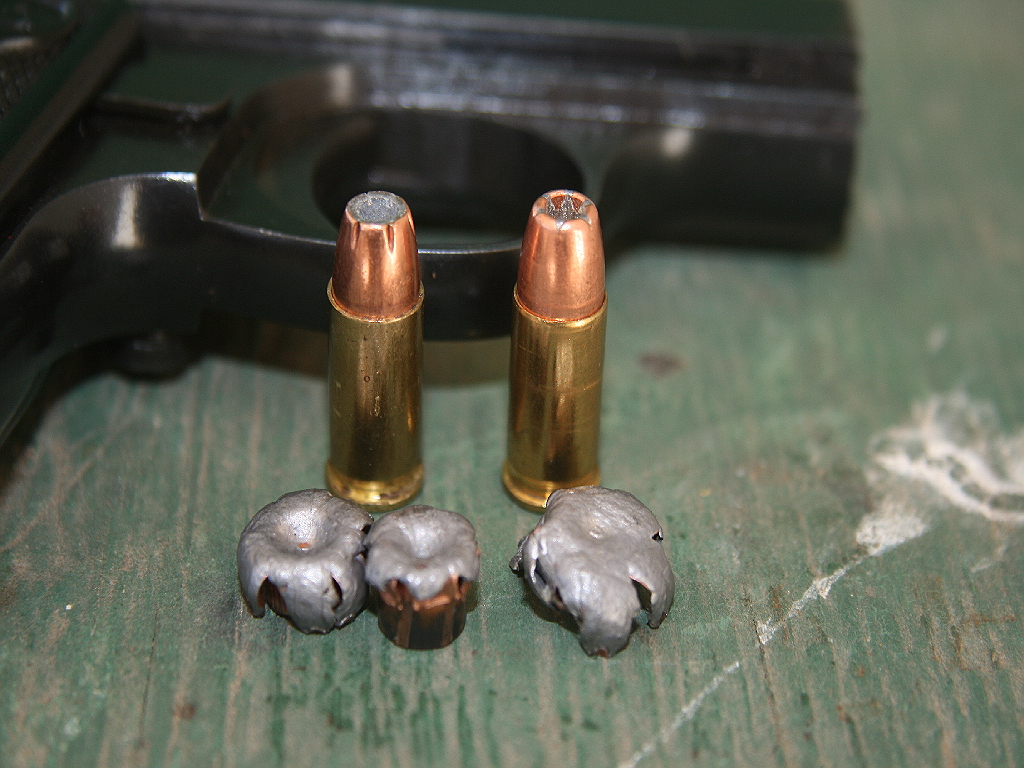
1. .25 ACP
.25 ACP remains one of the clearest examples of a cartridge that struggles to offer useful reserve performance. In pocket-size handguns, its combination of low velocity and light bullet weight gives it little room to recover once clothing or bullet expansion starts stealing momentum.
That is why trainers often view it as a last-ditch option rather than a sound carry choice. Even full metal jacket loads have shown limited depth in gelatin from true pocket pistols, while expanding bullets usually make the problem worse by trading what little penetration the cartridge has for a larger but shallower wound path.
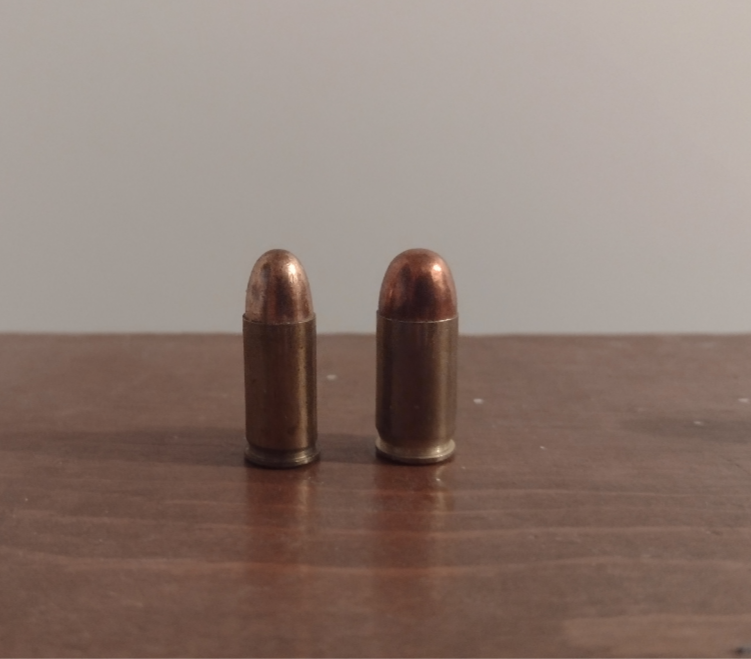
2. .32 ACP Jacketed Hollow Points
.32 ACP is often treated as a meaningful step above .25 ACP, but that advantage narrows fast when hollow-point ammunition enters the discussion. Defensive trainers frequently point out that some .32 ACP JHP loads fail to penetrate deeply enough from the short barrels where the caliber is most often used.
The concern becomes sharper when a hollow point does not fully open and still stops short. In practical terms, that means the load had almost no penetration margin to begin with. This is one reason many long-time pocket-pistol users have historically leaned toward flat-point or FMJ loads in .32 ACP when reliability and straight-line penetration matter most.
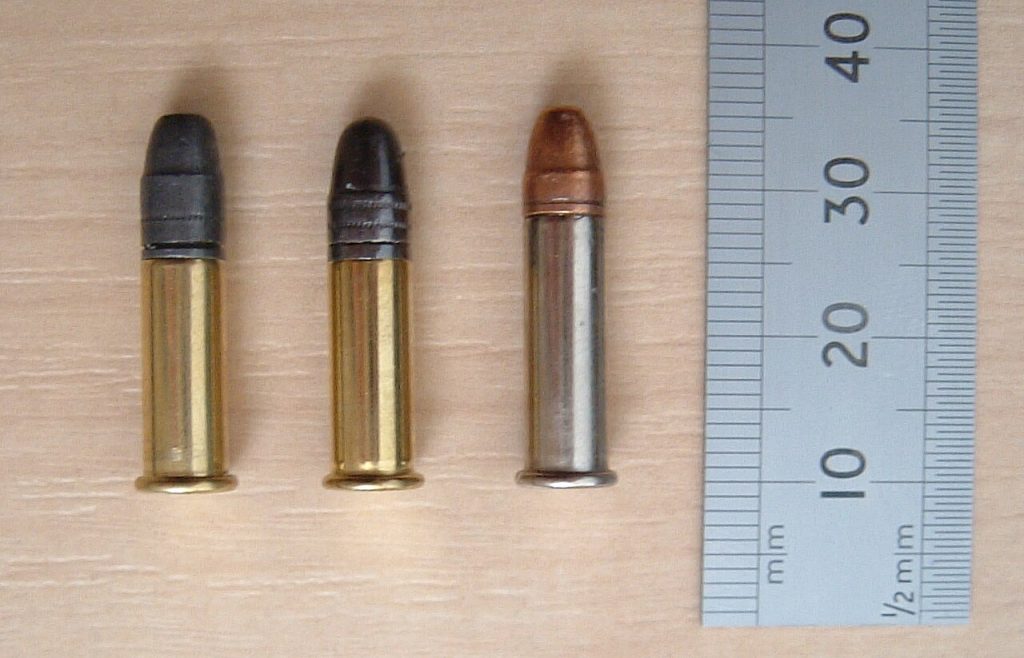
3. .22 LR From Short-Barrel Semi-Autos
.22 LR is easy to shoot well, cheap to practice with, and common in very small handguns. Those advantages are real. Its carry drawbacks are real as well. Short barrels cut velocity sharply, and rimfire ignition still trails centerfire for reliability. In one denim-covered gel test from a 1.875-inch revolver, a Winchester 36-grain hollow point stopped at 10.5 inches, while a hotter CCI Stinger reached 13 inches. That spread explains why trainers hesitate to recommend .22 LR broadly for defense: the cartridge can work, but the acceptable load window is narrow, and semiautomatic pistols add another variable through feeding sensitivity and dud-round clearance.
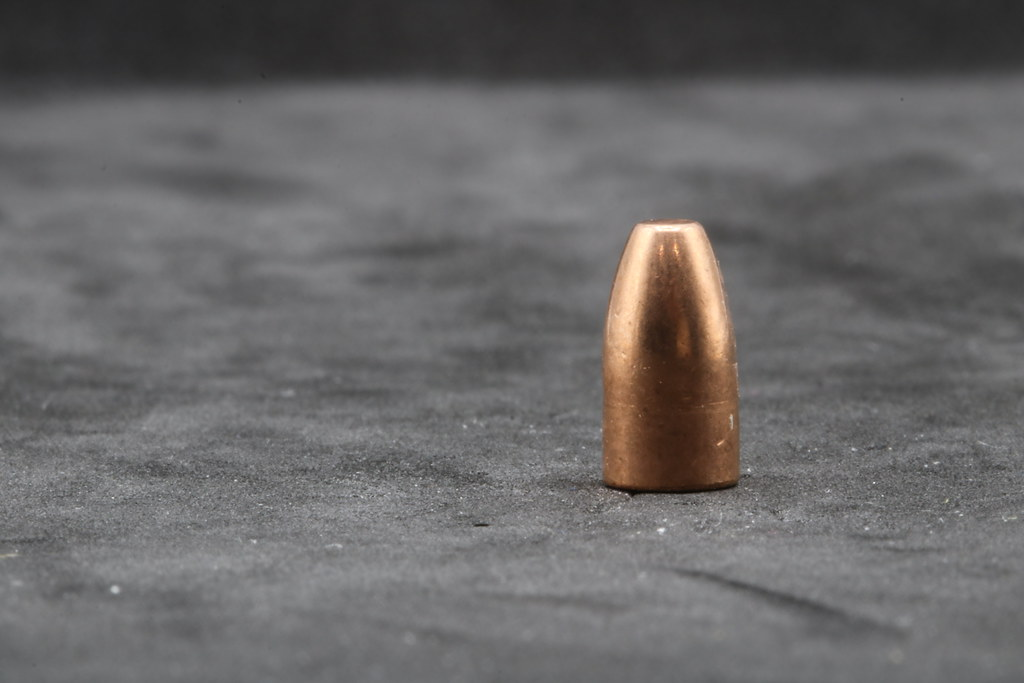
4. .22 WMR Short-Barrel Defensive Hollow Points
.22 WMR offers more speed than .22 LR, especially in handgun designs built around it, but it is not automatically free of the same tradeoffs. Short-barrel defensive hollow points in this caliber are often tuned to expand more readily, and that can shorten penetration enough to concern trainers.
Conventional loads that do not expand as aggressively may reach better depth, but purpose-built defensive variants can give up too much of that advantage. For a cartridge already working with small bullet diameter and light projectile mass, that balance becomes difficult to ignore.
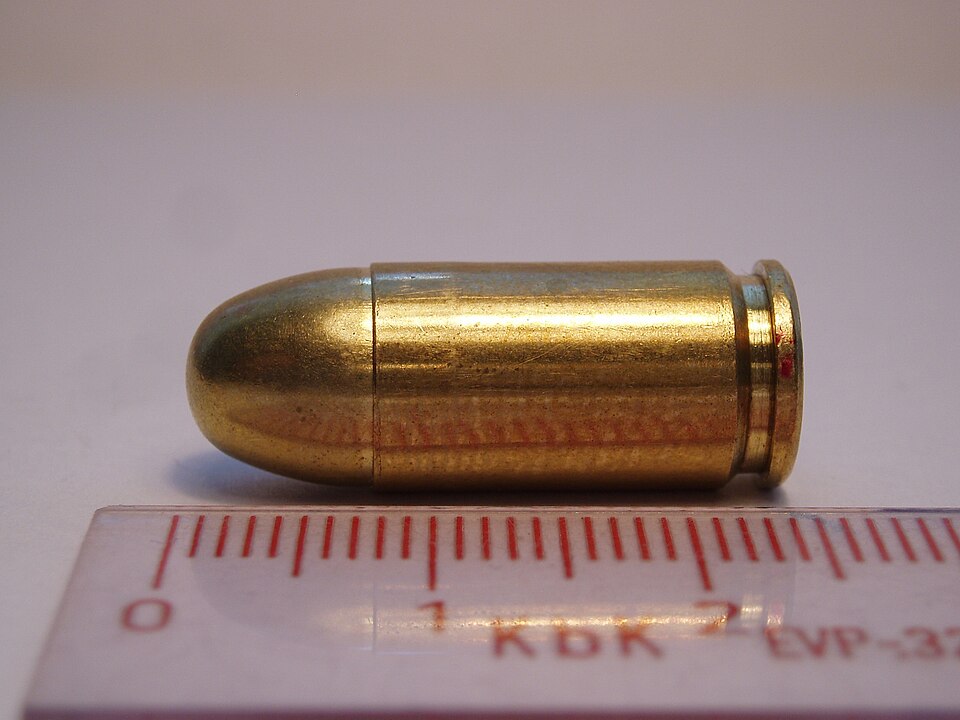
5. Lightweight, Rapid-Expansion .380 ACP Loads
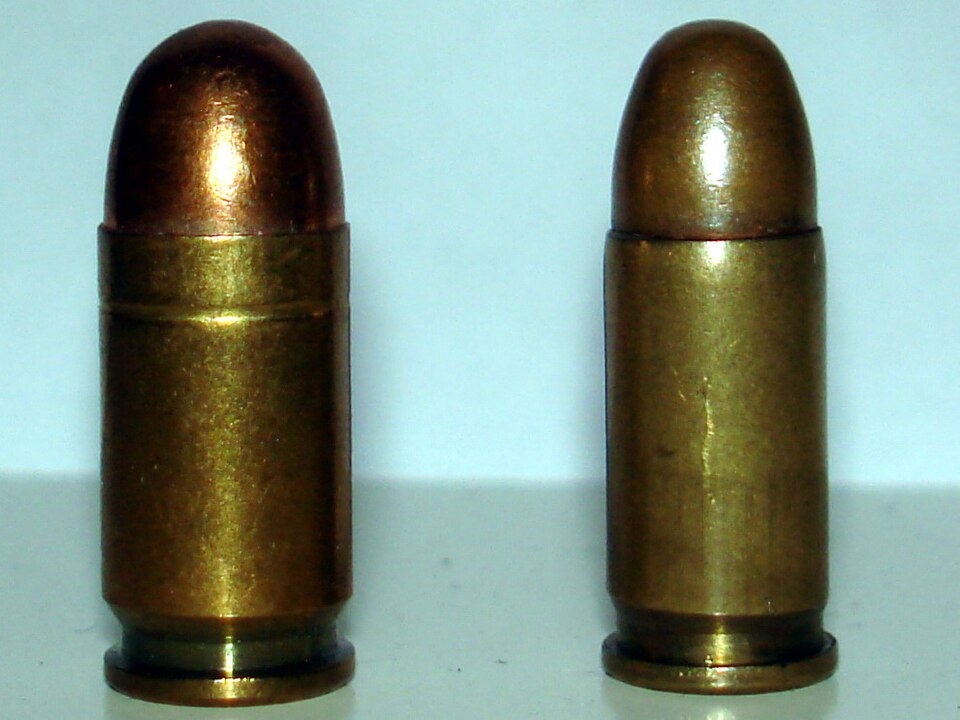
.380 ACP occupies a constant gray zone in defensive training. It can be serviceable, but it is also one of the easiest common carry calibers to load incorrectly for the mission. Trainers are especially wary of lightweight hollow points designed for dramatic upset, because they can produce good-looking expansion and still fall short on depth.
That pattern has shown up repeatedly in gel testing, where some .380 loads stop around or below the lower edge of acceptable penetration once heavy clothing is added. The issue is not that .380 ACP is unusable; it is that the caliber offers less performance headroom than 9mm, so bullet design matters more and bad load choices are punished faster. Even commentary from enthusiast discussions has long treated extremely light and fast bullets as prone to inconsistent penetration.
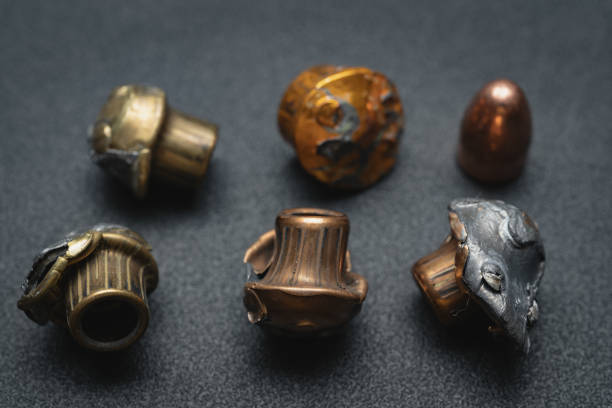
6. Fragmenting Handgun Loads
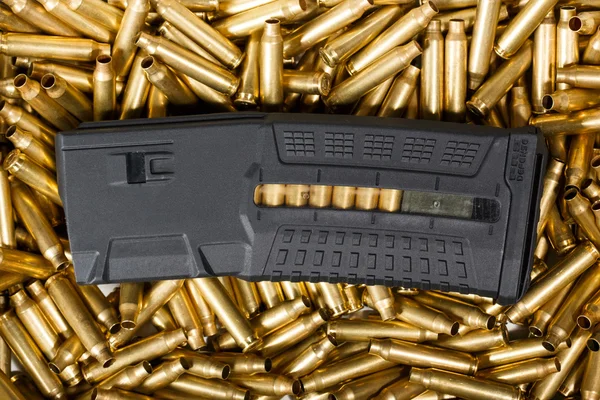
Fragmenting pistol ammunition has long promised dramatic effect, but defensive trainers usually place it in the caution category. Handgun velocities are modest compared with rifle rounds, and when a pistol bullet sheds mass early, the remaining core often loses the momentum needed to continue to meaningful depth. That makes these loads hard to trust for consistent results through clothing and oblique angles. The visual effect in gelatin can look impressive while the main projectile stops sooner than a conventional bullet would have.
7. Civilian-Market Low-Penetration Defense Loads
Some carry ammunition is marketed around reducing overpenetration risk in homes or crowded settings. Trainers understand the appeal, but they also note the tradeoff: a round intentionally engineered to stop early may also fail to reach deep enough when the path is blocked by an arm, heavy clothing, or an angled torso shot. This is a design philosophy issue more than a brand issue. Loads built to stay shallow can make sense for specific preferences, yet they still sit uneasily beside standards that prioritize adequate penetration before expansion.
8. Outdated Hollow-Point Designs in Marginal Calibers
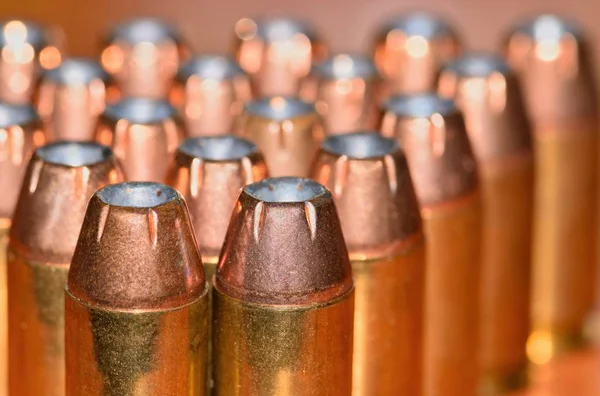
Older hollow-point designs are not automatically ineffective, but trainers are cautious when those bullets are paired with cartridges that already have limited energy. In calibers like .380 ACP, dated bullet geometry can produce uneven results, especially after passing through clothing.
That concern appears even in favorable consumer writeups, where Silvertip bullets are described as using older technology compared with newer designs that penetrate and expand more reliably. In a full-power service caliber, an older bullet may still have enough margin to perform adequately. In a smaller carry round, that margin shrinks.
The common thread across all eight categories is not branding or marketing language. It is lost margin. Trainers tend to distrust carry rounds that depend on ideal conditions, especially when fired from the very short barrels and lightweight pistols that dominate concealed carry. For that reason, the most repeated advice remains simple: carry ammunition should function flawlessly in the handgun, penetrate deeply enough to matter, and avoid bullet designs that spend too much of the cartridge’s limited energy too early.


