In pistol design, reliability is not a bonus feature. It is the line between an interesting mechanism and one that earns long-term trust. Compact dimensions, unusual locking systems, and low-cost manufacturing can all look compelling on paper, but repeated stoppages tend to expose where engineering margins were too thin.
This list looks at ten handguns that developed stubborn reputations for jams, light strikes, ammunition sensitivity, or broader design problems. Some were ambitious concepts released before they were fully sorted out. Others were built to hit a price point so aggressively that function became inconsistent.
1. Remington R51
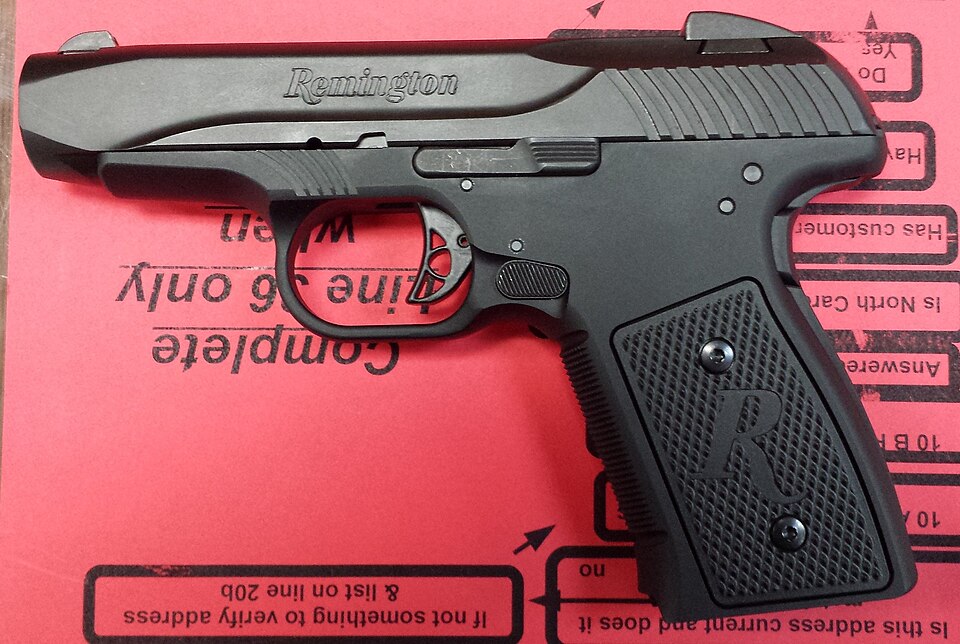
The R51 is one of the clearest examples of a clever concept undermined by execution. Remington revived the old Pedersen hesitation-lock idea in a slim 9mm format, but the pistol quickly became associated with failures to feed, light primer strikes, and out-of-battery firing concerns. That combination pushed the design beyond ordinary range annoyance and into serious confidence problems. Later revisions improved some complaints, but the model never really escaped its first impression. The R51 remains a case study in what can happen when an unconventional action reaches buyers before its tolerances, magazines, and cycling behavior are fully refined.
2. Taurus PT738 TCP
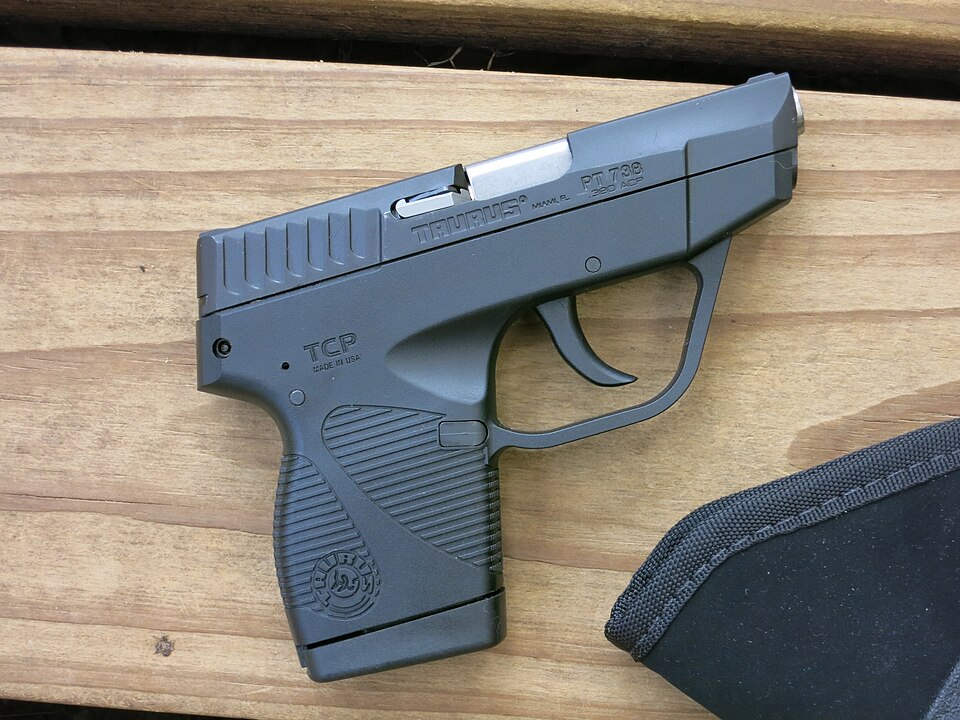
The PT738 TCP was built around deep concealment, and its tiny .380 ACP footprint made that easy to understand. The trouble was consistency. Shooters often tied the gun to light strikes and uneven ejection, especially with weaker ammunition. That pattern matters because ultra-small pistols already operate with limited slide mass and narrow timing windows. When a design starts out with little mechanical cushion, ammunition sensitivity stops being a quirk and becomes part of the platform’s identity.
3. Kimber Solo Carry
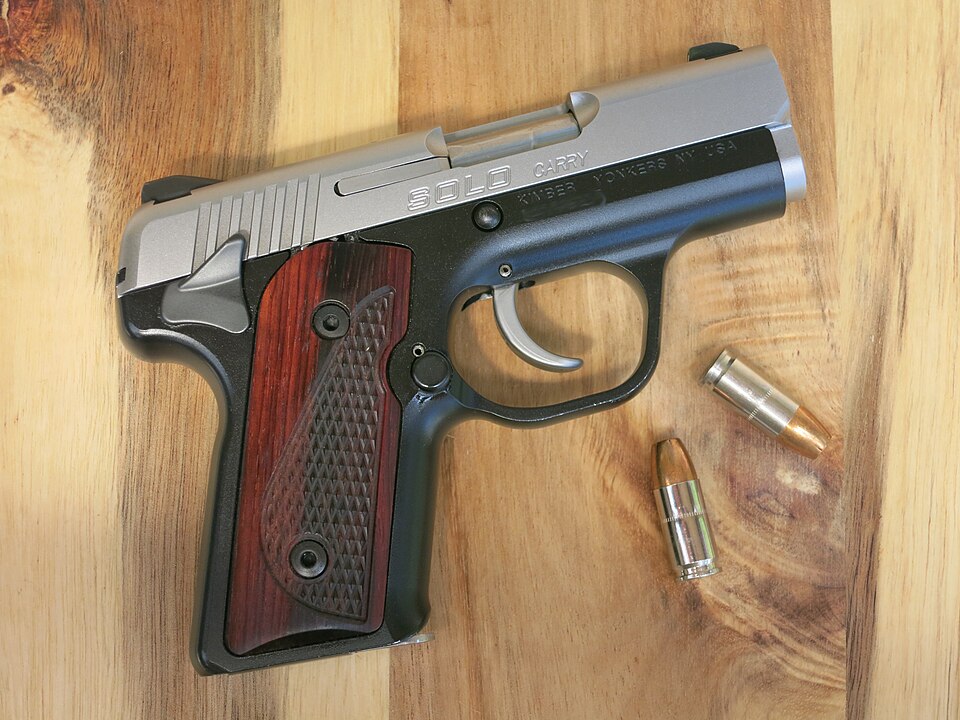
The Solo Carry arrived as a premium micro-9, but it became better known for its narrow operating envelope than for its finish quality. The pistol was widely criticized for running best on hotter loads, while common practice ammunition often brought failures to cycle or misfires. That reputation fits a broader engineering problem with compact pistols: shrinking the system reduces tolerance for variation. The Solo showed how a polished exterior cannot compensate for a design that demands too much from one specific ammunition band.
4. Desert Eagle .50 AE
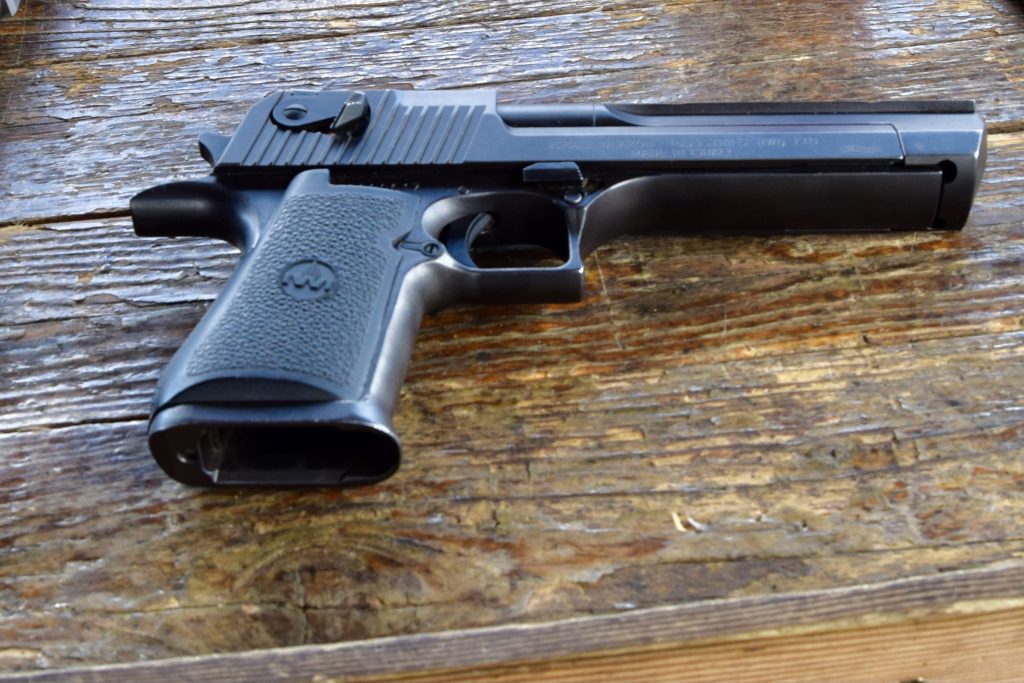
The Desert Eagle’s gas-operated mechanism makes it one of the most distinctive pistols ever sold, but that same mechanical novelty brings conditions. The platform has long been associated with a preference for full-power ammunition and a firm grip, with weak technique often contributing to extraction and ejection stoppages. It is not a simple story of bad design so much as a demanding one. A very large autoloading magnum pistol leaves less room for casual handling errors than many conventional service handguns.
5. Kel-Tec PF-9
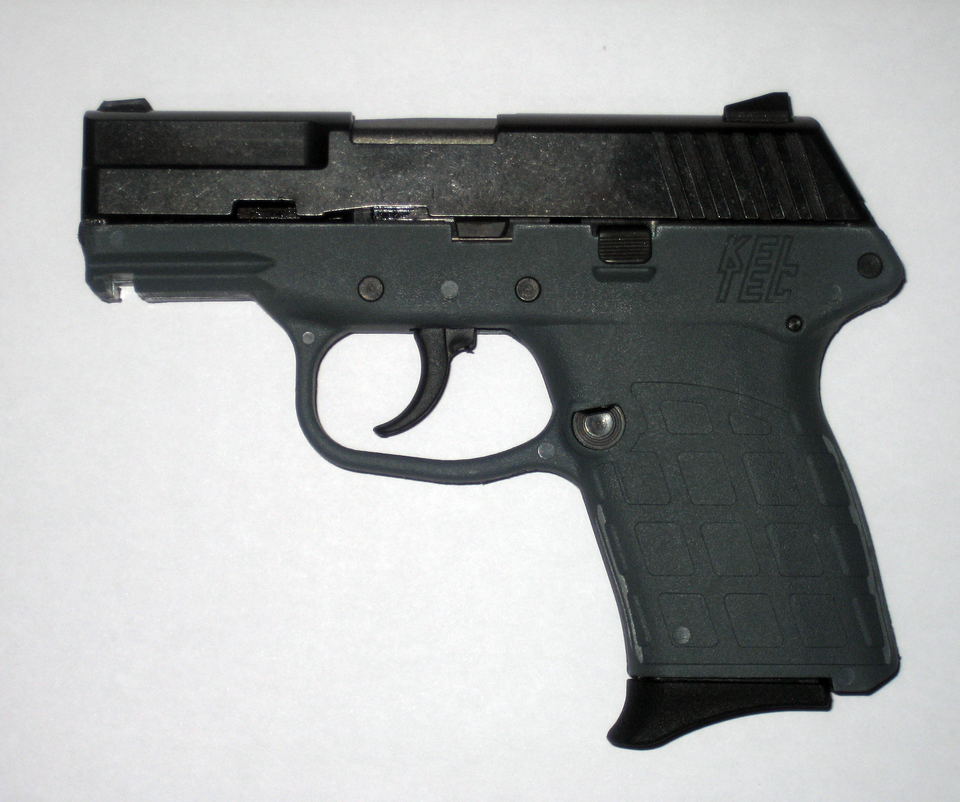
The PF-9 earned attention for being thin and exceptionally light in 9mm, but that achievement came with tradeoffs. Owners frequently reported feeding and extraction trouble, and the pistol’s sharp recoil only made the package more unforgiving. Small carry guns ask a lot from springs, magazines, and shooter input. The PF-9 illustrated how quickly a minimalist design can become touchy when every part is working close to the edge.
6. Smith & Wesson Sigma Series
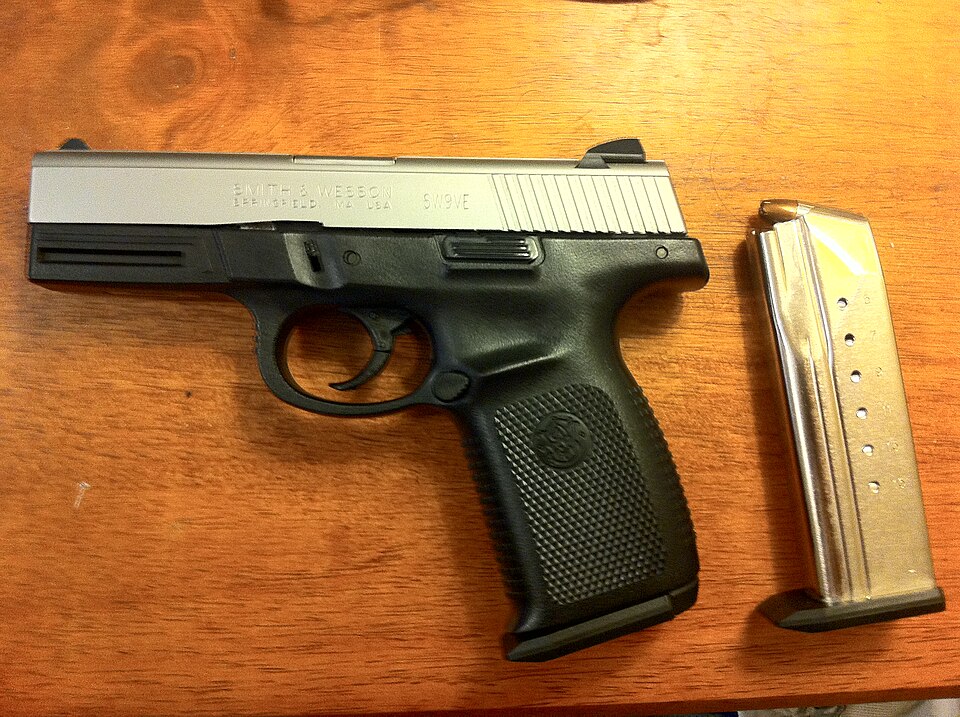
Early Sigma pistols represented Smith & Wesson’s push into polymer-framed handguns, yet the first examples built a stubborn reputation for gritty triggers, uneven internal fit, and reliability complaints that included misfires and feeding issues. Later production improved, but early impressions stayed attached to the line. That is common in firearms history. Once a pistol becomes known for stoppages, the market often remembers the original problem longer than the fix.
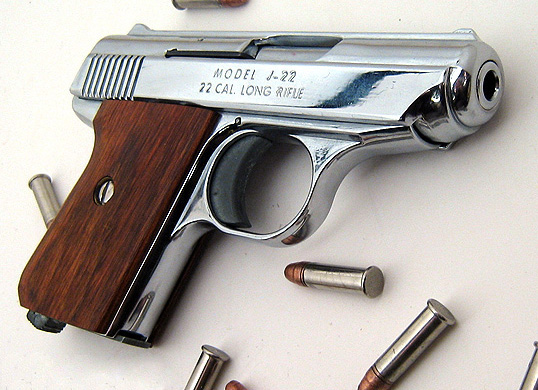
7. Jennings J-22
The Jennings J-22 became notorious for the kind of malfunctions that turn a range session into a clearing drill. Stovepipes, double feeds, and failures to eject were frequent enough to define the pistol, and its small ejection port and weak extractor left little mechanical reserve. The larger issue was that the gun carried more than one flaw at a time. When poor extraction, marginal geometry, and safety concerns stack together, reliability stops being a maintenance issue and starts looking like a design problem.
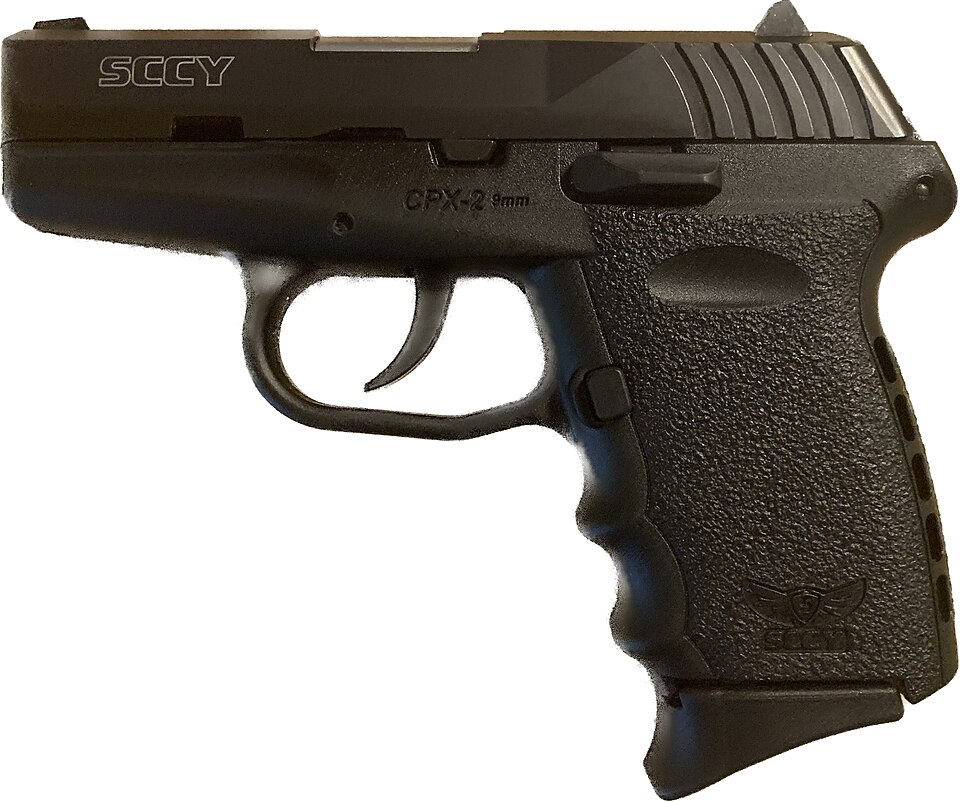
8. SCCY CPX-2
The CPX-2 found an audience by offering a compact format at a lower entry point, but reports of feed issues and light strikes followed it closely. Some owners improved function after break-in or minor polishing, yet that only reinforced the central criticism. A defensive-style pistol should not need trial-and-error tuning before it begins to feel settled. The CPX-2 showed how affordability can draw interest while inconsistency limits trust.
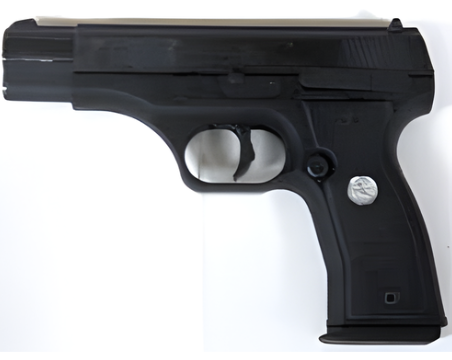
9. Colt All American 2000
The All American 2000 had major design pedigree behind it, with links to Reed Knight and Eugene Stoner, but the finished pistol became one of the more famous stumbles of the polymer era. It drew criticism for poor accuracy, a heavy trigger, reliability problems, and a drop-fire safety concern. Colt historian Rick Sapp described it as “one of the most embarrassing failures in the company’s history”. That verdict still captures the gap between a promising concept and a compromised production gun.
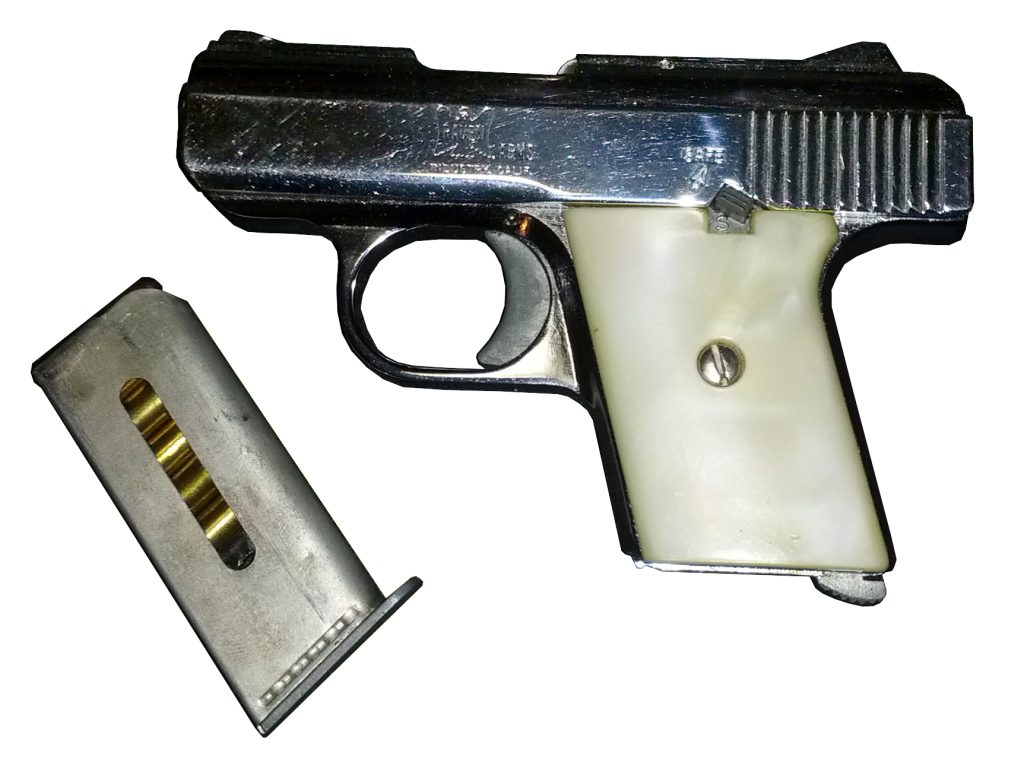
10. Raven MP-25
The Raven MP-25 sold in large numbers because it was simple and inexpensive, but low complexity did not translate into dependable performance. Misfires, rough operation, and minimal refinement became central to its reputation. Its zinc-alloy construction and stripped-down feature set reflected a pistol built to be manufactured cheaply rather than to provide broad functional margin. The Raven remains a reminder that basic blowback operation can still disappoint when the rest of the package is too compromised.
These pistols vary widely in size, purpose, and reputation, but they share a common lesson. Reliability problems rarely come from one cause alone. They tend to appear where ammunition sensitivity, marginal extraction, weak magazines, rough finishing, or tight timing all overlap. That is why some handguns are remembered less for their specifications than for the stoppages that followed them. In firearm engineering, a pistol does not need to be perfect to earn confidence. It does need enough margin to keep working when conditions, ammunition, or handling are less than ideal.


