Accuracy-minded shooters rarely talk about cartridges in isolation. They talk about recoil, barrel life, wind drift, bullet design, magazine length, and whether a round keeps its manners when the distance stretches. The cartridges that build lasting trust are usually the ones that make precision easier to repeat.
That is why certain chamberings continue to stand out across match rifles, practical field rifles, and general-purpose bolt guns. Some are modern designs built around long, efficient bullets. Others are older standards that keep earning a place because they are predictable, widely understood, and capable of excellent results in the right role.
1. 6.5 Creedmoor
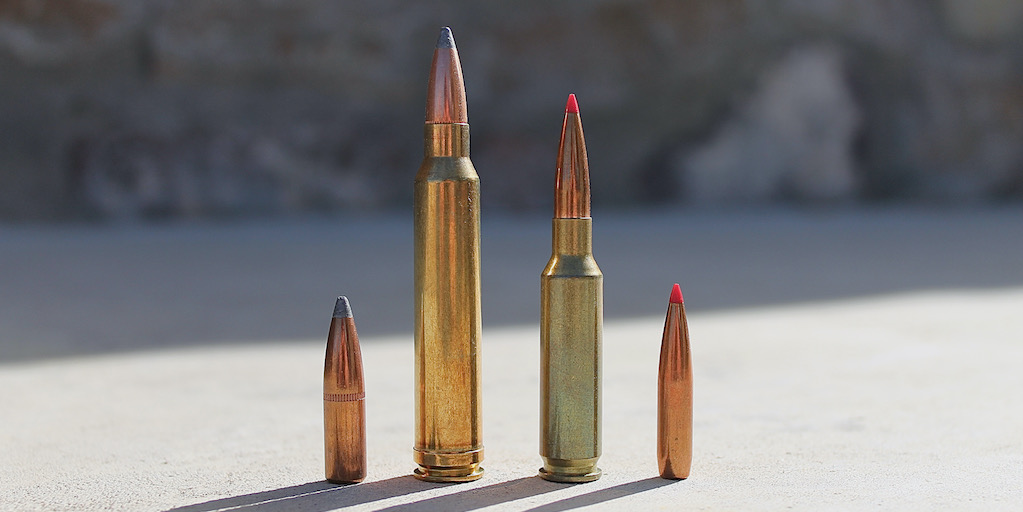
The 6.5 Creedmoor remains one of the clearest examples of a cartridge built around practical precision. It was developed for long-range competition, and its reputation has been reinforced by how often factory rifles and factory match ammunition produce strong groups without extensive tuning. Its core appeal is balance: manageable recoil, efficient 6.5mm bullets, and strong downrange behavior compared to older short-action standards. Detailed testing has shown how much ammunition quality matters in this chambering. In one large-scale evaluation based on 760 rounds of live-fire data, the top loads created meaningfully higher hit probability at long range than weaker performers. That reinforces why the cartridge is so trusted: it offers a deep ecosystem of rifles and ammunition that lets shooters find a combination that truly performs.
2. .308 Winchester
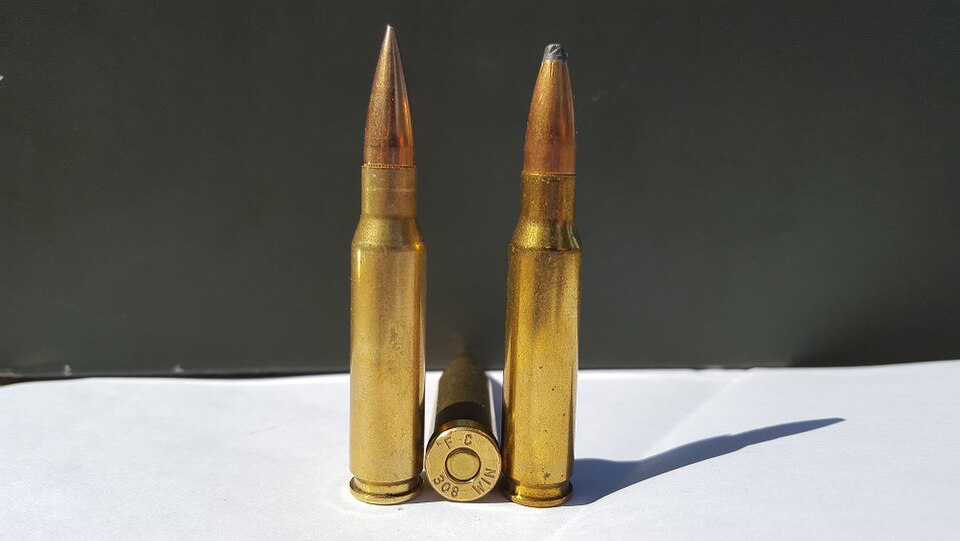
The .308 Winchester still holds a strong place in accuracy conversations because it is mechanically forgiving, efficient, and famously consistent. It has long been known for low maintenance demands, long barrel life, and excellent precision from a wide variety of rifles. For shooters working inside moderate distances, it remains a deeply reliable standard. Its limitations at extended range are just as well known. Compared with newer, sleeker cartridges, it gives up velocity and wind resistance. Even so, it continues to earn trust because it is easy to load for, easy to tune, and often exceptionally honest on paper. That kind of consistency matters.
3. .223 Remington
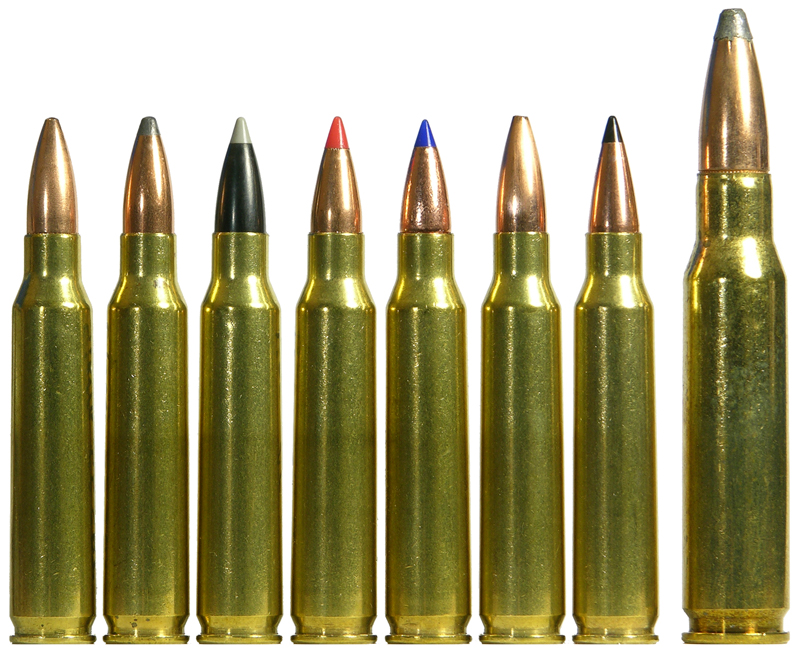
The .223 Remington became far more than a light varmint round once match bullets and precision-chambered rifles showed what the cartridge could really do. Heavy match loads transformed it into a serious accuracy tool, especially for service-rifle competition and practical shooting where recoil control is a major part of the equation. Its biggest asset is shootability. Low recoil helps shooters stay in the optic, spot impacts, and make faster corrections. In the right rifle, heavy .223 loads can reach surprisingly far, but its real strength is the way it rewards fundamentals without punishing the shooter.
4. 6mm ARC
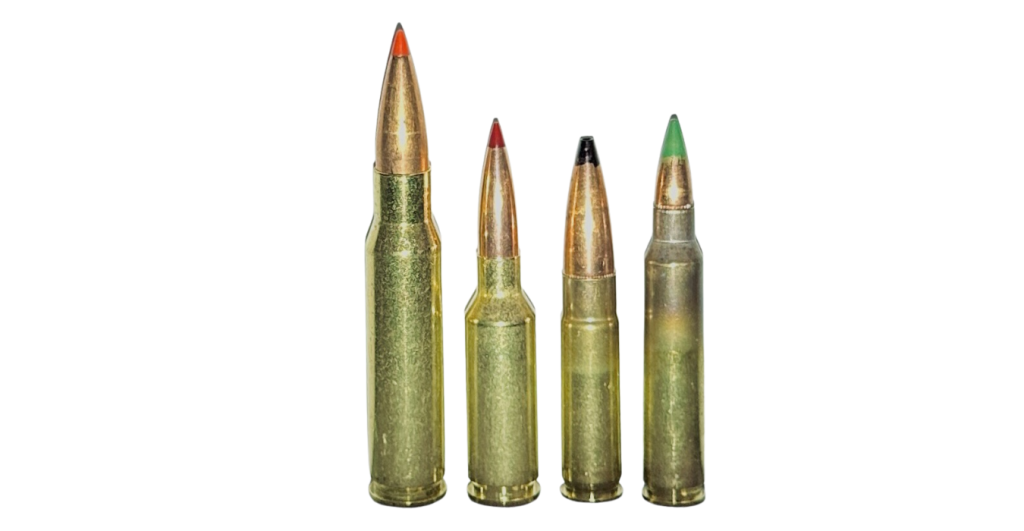
The 6mm ARC was designed to bring better long-range ballistics to the AR-15 platform without moving to a larger receiver. That matters for shooters who want magazine-fed semiauto precision with less recoil and more reach than .223 Remington normally delivers. The cartridge was built around high-BC 6mm bullets, and that design goal shows up clearly on distant targets. According to one technical overview, factory loads can launch 103- to 108-grain bullets at about 2,750 fps from a 22-inch barrel. In practical terms, that gives the platform a more credible answer to wind drift and target impact at mid-to-long distance. For gas-gun shooters chasing precision, it has become one of the most interesting modern options.
5. .243 Winchester
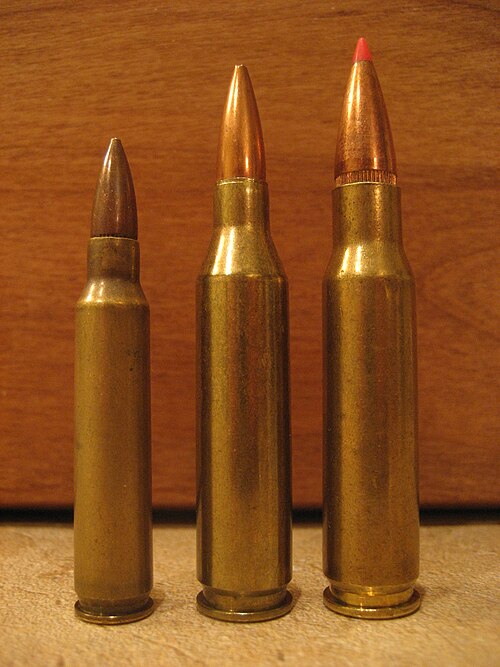
The .243 Winchester has stayed relevant for decades because it pairs flat trajectory with light recoil. That combination has always supported good field accuracy. Shooters who do not fight the rifle tend to shoot it better, and the .243 has long been valued for exactly that reason. Its bullet range is unusually broad, from light varmint projectiles to heavier deer-capable designs. The cartridge does demand careful bullet selection for larger game, but as a pure accuracy-friendly round it still makes enormous sense. Mild recoil, clean ballistics, and wide rifle availability have kept it in circulation since its 1955 introduction.
6. 6.5 PRC
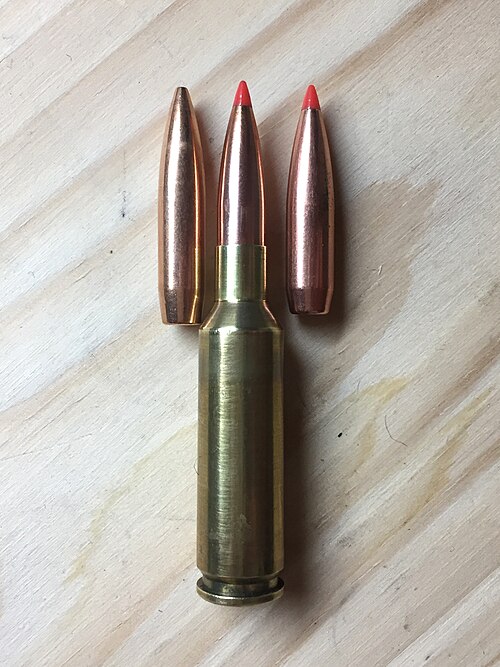
The 6.5 PRC pushes the same basic bullet diameter as the Creedmoor, but with a clear step up in velocity. That extra speed shrinks time of flight, reduces wind deflection, and extends the distance where high-BC bullets remain especially useful. It asks more of the rifle and the shooter than a Creedmoor does, but it offers noticeably more reach. This cartridge has become a favored bridge between dedicated match performance and serious hunting capability. It fits shooters who want modern external ballistics in a short-action package and are willing to accept more recoil to get them.
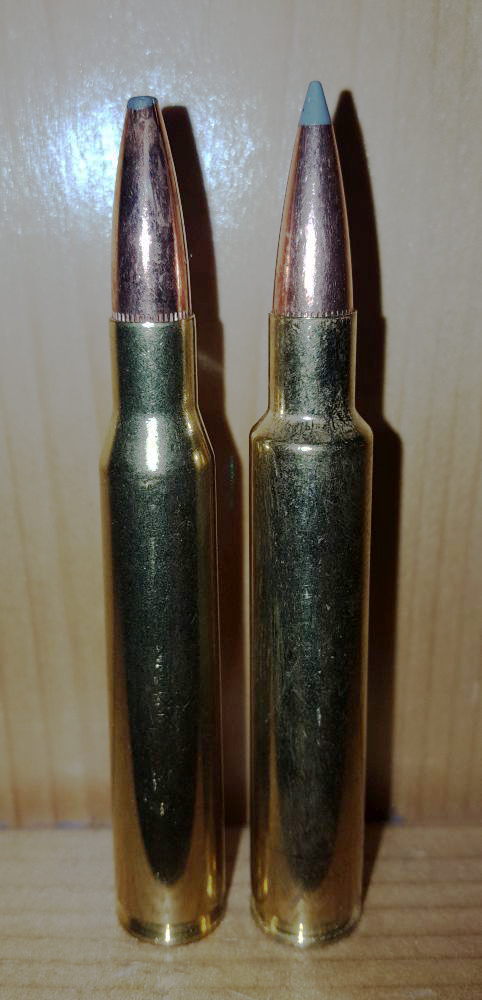
7. .280 Ackley Improved
The .280 Ackley Improved has a reputation for being one of the smoother-shooting routes into high-end long-range performance. By sharpening the shoulder and reducing body taper, it gains useful velocity without the harder recoil character that often comes with larger magnums. That helps shooters preserve precision under field conditions. Its real attraction is versatility. It handles a wide spread of 7mm bullets, and that gives careful shooters room to tune for target use or for extended-range field work. It is not as universal as a .308 or Creedmoor, but among experienced riflemen it has earned deep confidence.
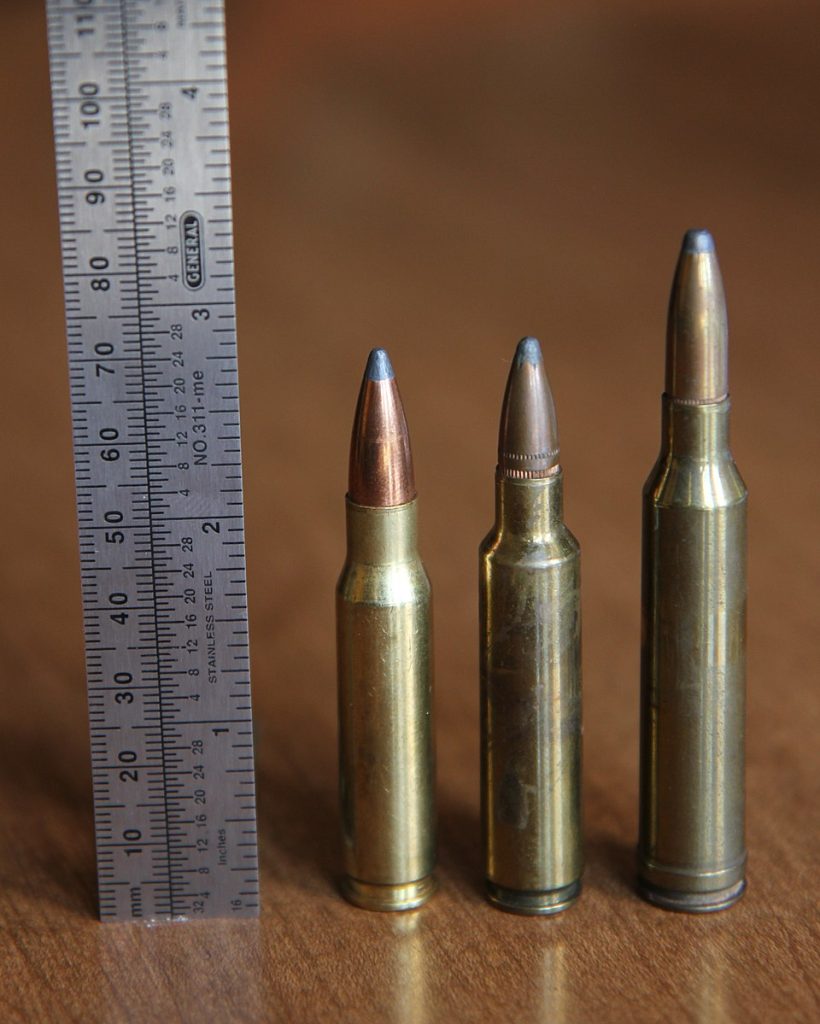
8. 7mm Remington Magnum
The 7mm Remington Magnum became a classic because it combines strong velocity with the inherently helpful shape of 7mm bullets. Those bullets tend to carry velocity well, and that pays off in flatter trajectory and less wind drift than many traditional hunting rounds. It is not a mild cartridge, and recoil management becomes part of the accuracy equation. Still, when rifles are set up properly, it remains one of the enduring answers for shooters who want distance capability without stepping all the way into heavy .30-caliber magnum recoil.
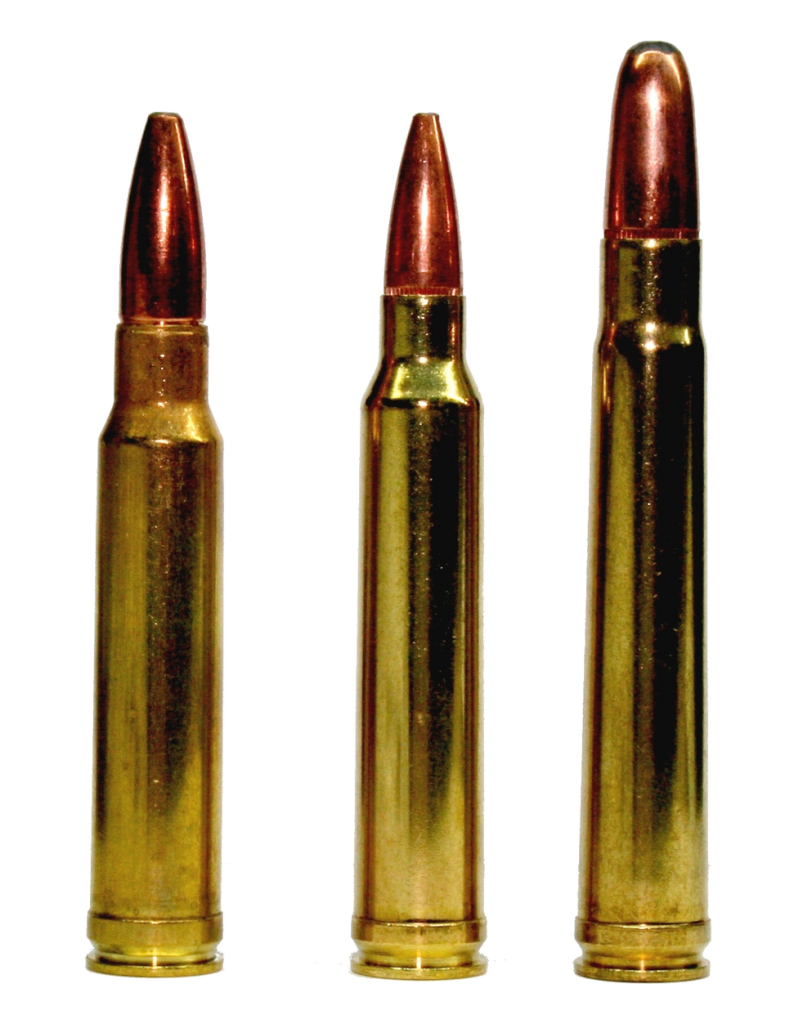
9. .300 Winchester Magnum
The .300 Winchester Magnum is trusted when precision must hold together at longer distances while carrying heavier bullets. It has enough case capacity to drive streamlined .30-caliber projectiles fast enough to matter in the wind, and that has made it a long-standing choice for shooters who need more reach and authority than standard cartridges can provide. Ballistic comparisons continue to show why it remains relevant. Against the .308 Winchester, the .300 Win. Mag. carries clear long-range advantages in drop, drift, and retained velocity, especially with 190-grain high-BC bullets around 2,900 fps.
It is not the easiest round to master, but it stays on this kind of list because experienced shooters know exactly what it can do. No single cartridge owns accuracy by itself. Precision comes from the fit between cartridge, rifle, bullet, optic, and shooter. But these nine rounds have earned trust because they repeatedly reduce one or more of the variables that make precise shooting hard. Some do it with low recoil. Some do it with better aerodynamics. Others do it with consistency that has been proven over decades. That is usually what shooters mean when they say a cartridge can be trusted.


