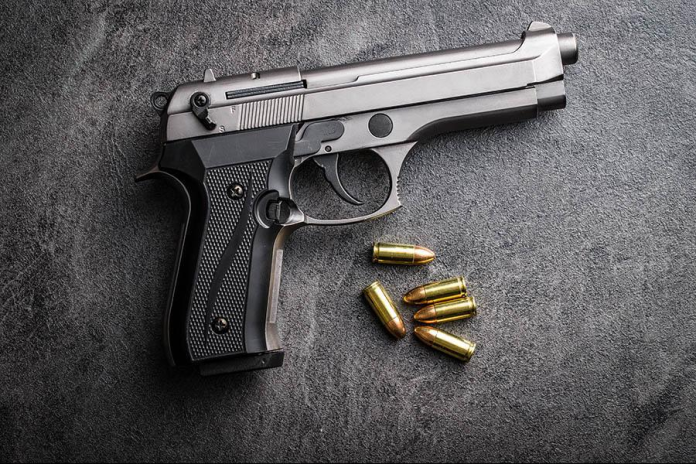
The 9mm vs .45 ACP argument lasts because it is not really one argument. It is a stack of engineering compromises involving bullet design, recoil, magazine geometry, barrel length, wall materials, and the speed at which a shooter can deliver accurate follow-up hits. Modern defensive ammunition has narrowed some old gaps. What remains are the differences that still show up on the range, in gelatin, and in the design limits of the pistol itself.
1. Penetration is far closer than the old debate suggests
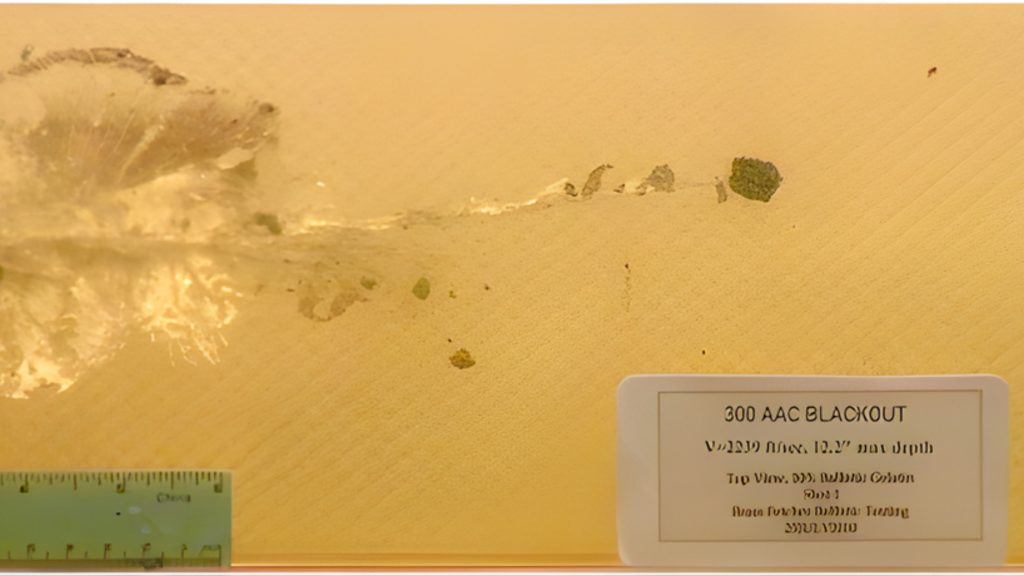
With modern jacketed hollow points, both calibers often land inside the 12–18 inch penetration standard that has shaped defensive-handgun testing for decades. That benchmark grew out of the FBI’s post-1980s emphasis on reaching vital structures from imperfect angles, through clothing, and under less-than-ideal conditions. In practical use, that means neither cartridge holds a monopoly on adequate depth when quality ammunition is used. The more consequential variable is whether a specific load stays consistent through the pistol and barrel length actually being carried.
2. .45 ACP still starts with a geometry advantage
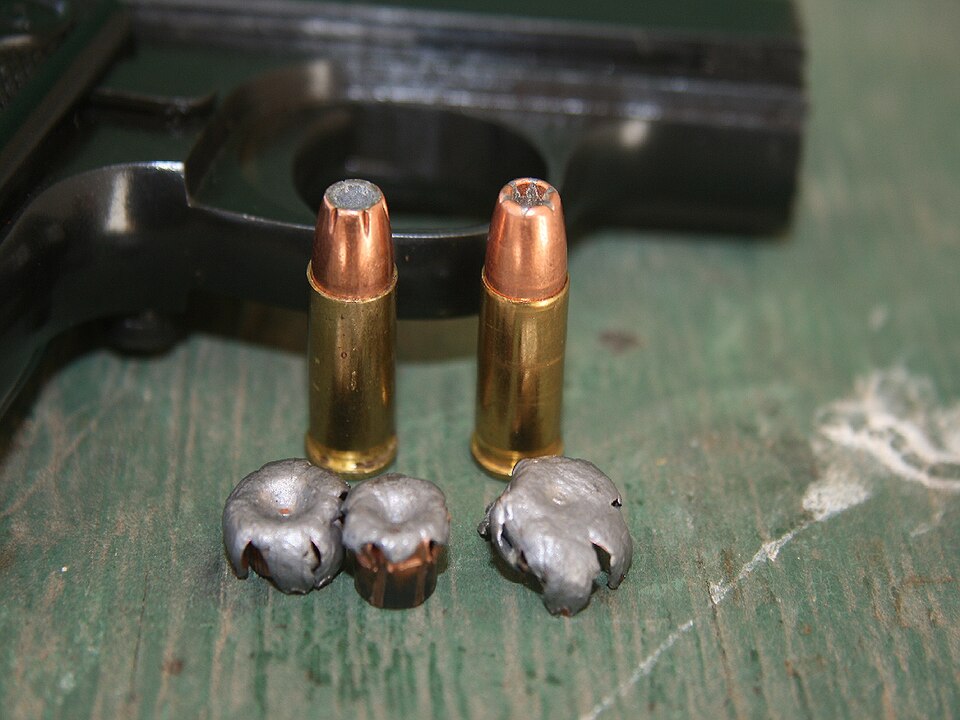
.45 ACP begins wider, and when expansion works as intended it usually finishes wider as well. That larger frontal diameter can produce a broader permanent crush path, which helps explain why the caliber’s reputation never disappeared even as 9mm bullet design improved. At the same time, the modern lesson from decades of testing is that expansion is not guaranteed after barriers, and rigid materials can clog hollow points and reduce that advantage. The engineering reality is simple: .45 ACP offers more diameter to work with, but bullet construction still determines whether that advantage survives contact with real-world obstacles.
3. Recoil changes speed more than caliber fans like to admit
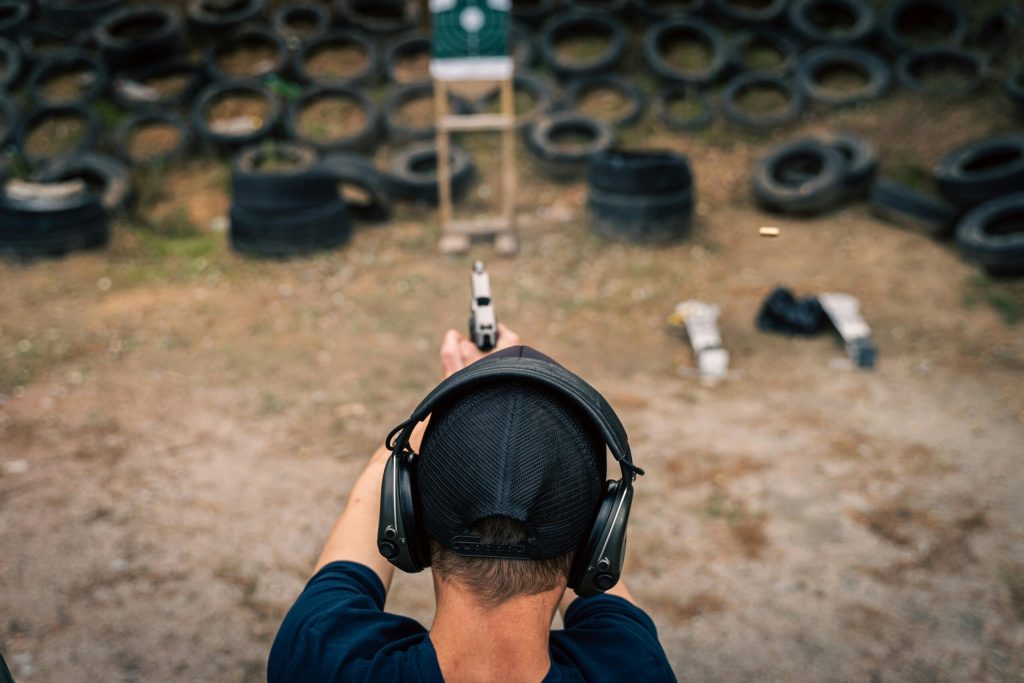
The cleanest separation between these cartridges often appears on the timer, not in the gel block. In controlled drill work, split times were 18 percent faster with the 9mm in one side-by-side comparison using similar pistols, showing how recoil recovery directly affects how quickly accurate hits can stack up. That matters most when drills require multiple shots, target transitions, or a precision hit after rapid fire. A pistol that recoils less does not just feel softer; it usually lets the shooter get back on target sooner. For many shooters, that is the difference that shows up first and keeps showing up every time the pace increases.
4. Gun design can outweigh caliber on felt recoil
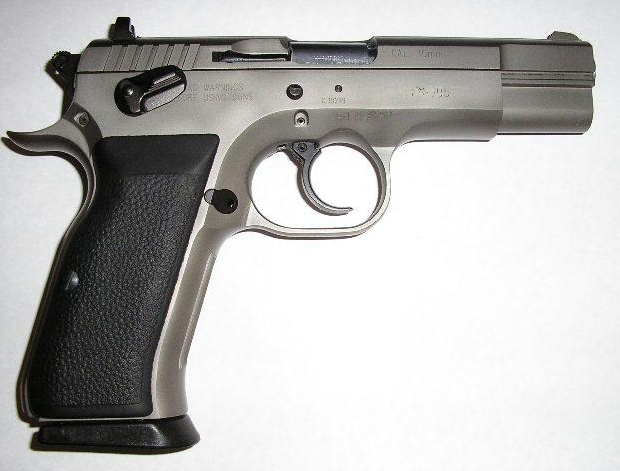
A steel-frame .45 can feel smoother than a lightweight 9mm, while a compact polymer .45 can feel dramatically sharper than its full-size counterpart. Slide mass, spring rate, grip circumference, bore axis, and total weight all shape how recoil impulse is experienced in the hand. That is why broad statements about one cartridge “kicking more” can be true in general but misleading with specific pistols. The cartridge matters, but the platform often decides whether that recoil arrives as a push, a snap, or a drawn-out pulse that slows the next shot.
5. Magazine capacity is a hard physical edge for 9mm
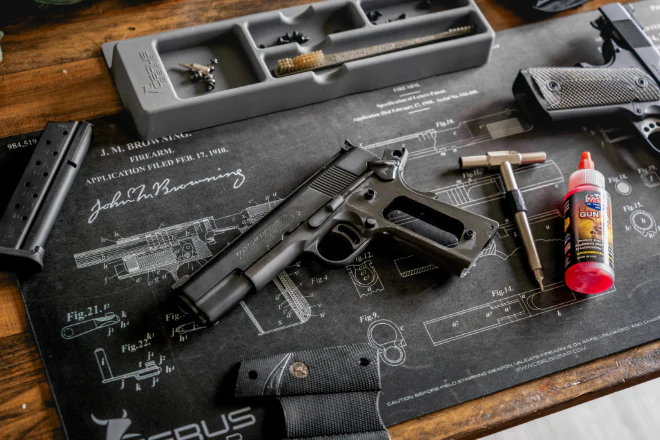
Smaller cartridges stack more efficiently. That is not marketing language; it is math inside the magazine body. Comparable service-size pistols routinely give 9mm a noticeable round-count advantage, and even conservative comparisons often place that gap at 20 to 30 percent more ammo. Whether that matters depends on the role, but the capacity advantage is real in duty-size guns, compact pistols, and many carry models. The wider .45 ACP case simply consumes more space in every dimension that matters.

6. Interior walls do not solve the problem for either caliber
Drywall has a way of stripping mythology out of handgun conversations. In FBI-style wallboard testing using standard 1/2-inch gypsum wallboard spaced 3 1/2 inches apart, handgun bullets often continued with more integrity than many people expect. That aligns with the broader lesson from structured barrier tests: caliber alone does not eliminate the risk of rounds passing through residential materials. Ammunition choice, line of fire, and hit quality remain the real control points. The common claim that one of these cartridges makes interior-wall risk disappear does not survive testing very well.
7. Suppressor use still leans naturally toward .45 ACP
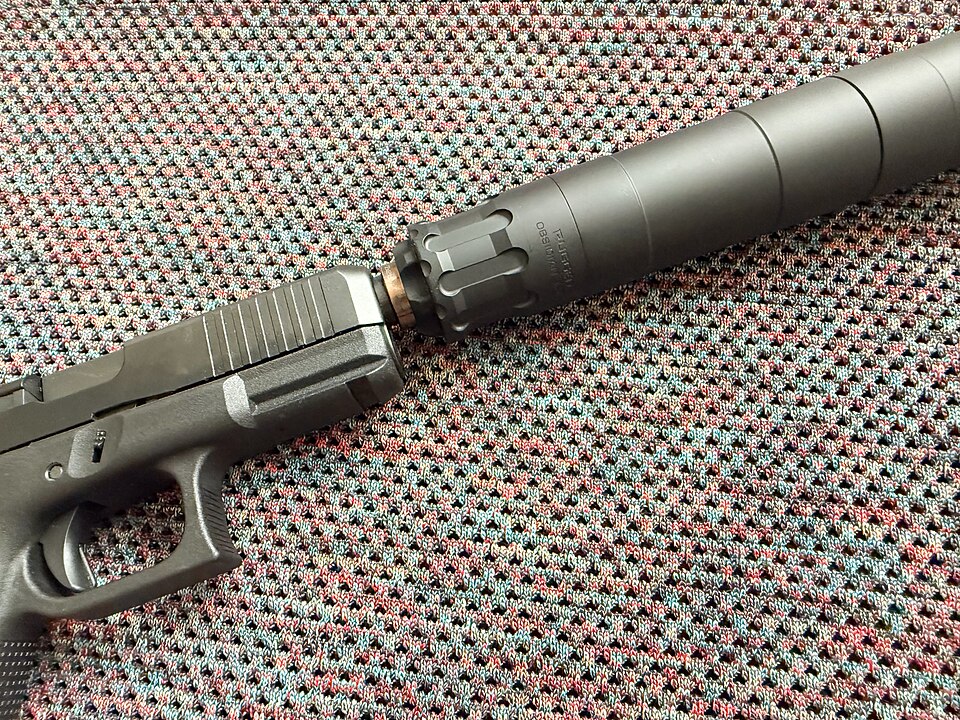
.45 ACP is commonly loaded to remain subsonic without special tuning, which gives it an uncomplicated advantage in suppressed handguns. The absence of a supersonic crack does not make it silent, but it does simplify the setup. Standard-pressure 9mm often runs faster, so shooters who want subsonic performance usually have to choose heavier loads more deliberately. That leaves .45 ACP with one of its clearest niche strengths in 2026: it starts closer to suppressor-friendly behavior by default.

8. Training volume keeps pushing shooters toward 9mm
This is where the debate often gets decided without much ceremony. Shooters usually perform best with the cartridge they can practice with most often, and 9mm’s lighter recoil and broader availability have helped keep it dominant in both institutional and civilian use. That pattern helps explain why so many agencies returned to the nine after bullet design matured; according to the FBI’s long-running reasoning summarized in later law-enforcement discussions, many shooters were faster and more accurate with the 9mm. Once training repetitions accumulate, controllability stops being an abstract talking point and becomes measurable performance.
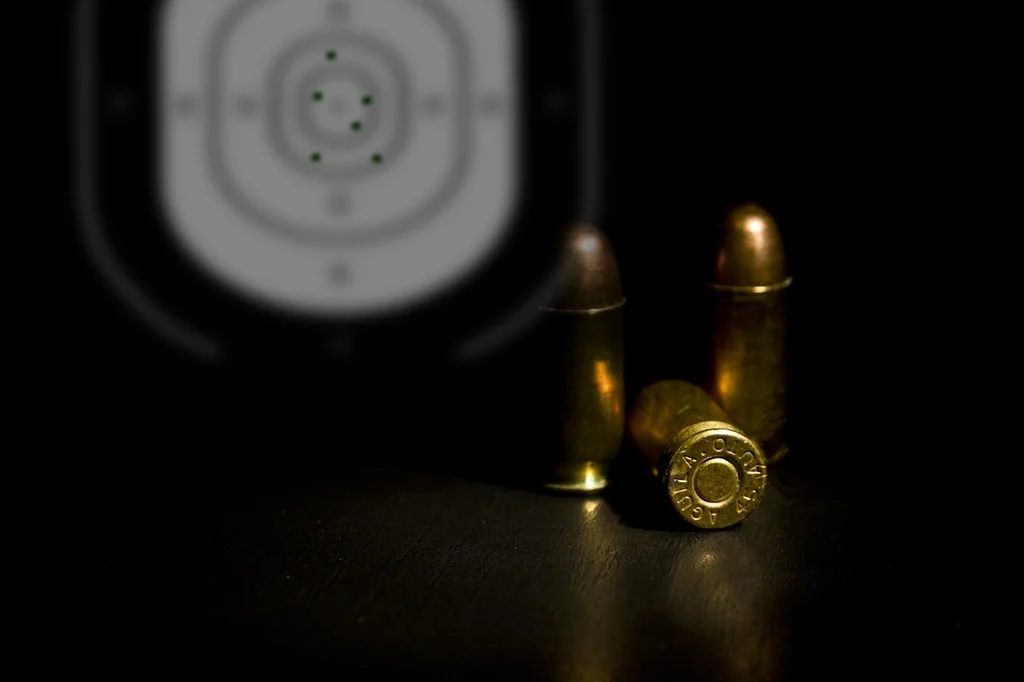
Both cartridges remain viable because both can be effective with modern ammunition and a reliable pistol. What changed over time is that improvements in bullet construction compressed terminal-performance differences while leaving recoil, capacity, and shooter efficiency easier to measure. The result is a debate that sounds emotional but behaves like engineering. .45 ACP still offers size and subsonic convenience. 9mm still delivers the more forgiving package for speed, capacity, and repeatable hits.


