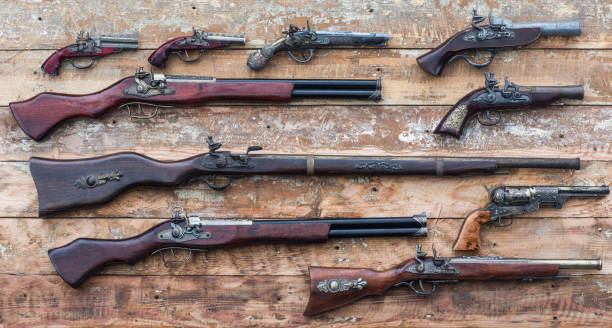
A disappointing firearm rarely fails in dramatic fashion. More often, confidence drains away one sticky bolt cycle, one erratic group, or one magazine-related stoppage at a time. That pattern shows up across budget rifles, compact carry pistols, and oddball hybrids alike. Some models looked smart on paper because they were light, cheap, compact, or unusually versatile. On the firing line, those same selling points often turned into harsh recoil, poor triggers, flimsy components, or reliability problems that made owners stop trusting what they bought.
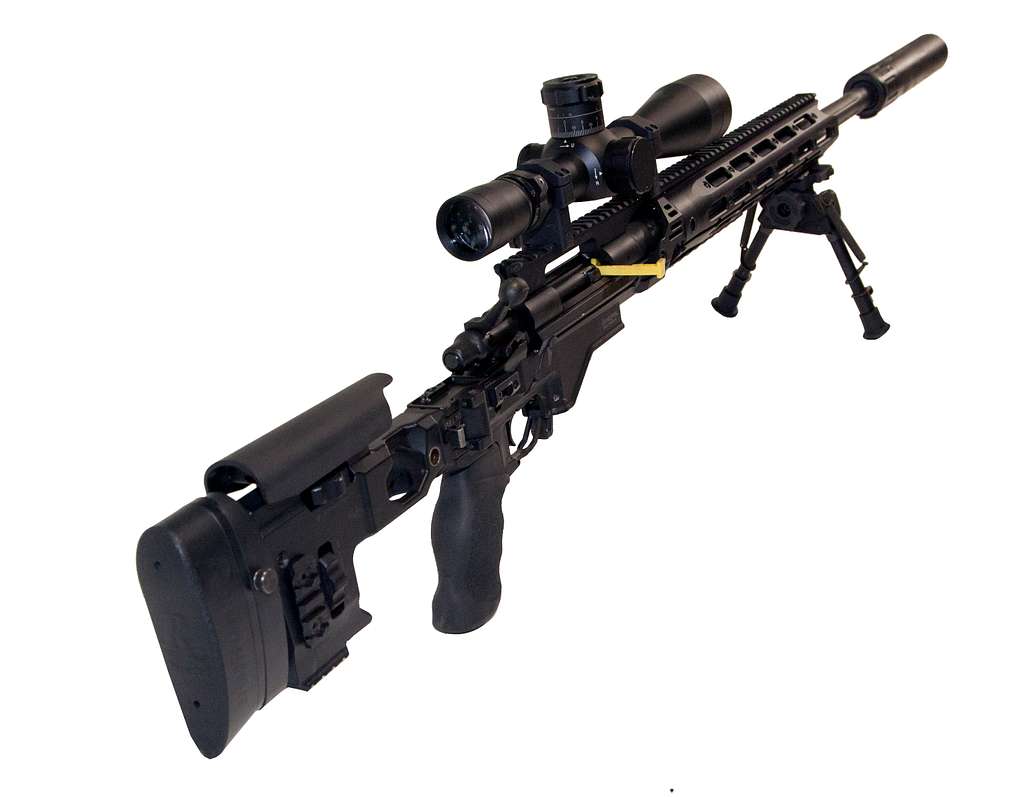
1. Remington 770
The Remington 770 was supposed to be an affordable path into a bolt-action hunting rifle, but its reputation never matched that role. Shooters repeatedly criticized the rifle’s rough, binding bolt travel and a stock that felt too flexible for a gun expected to deliver consistent field accuracy. When a rifle begins with awkward cycling, everything from loading to follow-up shots feels slower and less certain.
The larger problem was confidence in the platform itself. Reports of weak magazine hardware and uneven chamber dimensions put the 770 in the category of rifles that demanded more patience than most entry-level buyers expected. Budget rifles can work extremely well, but this model became an example of how low cost does not excuse poor execution.
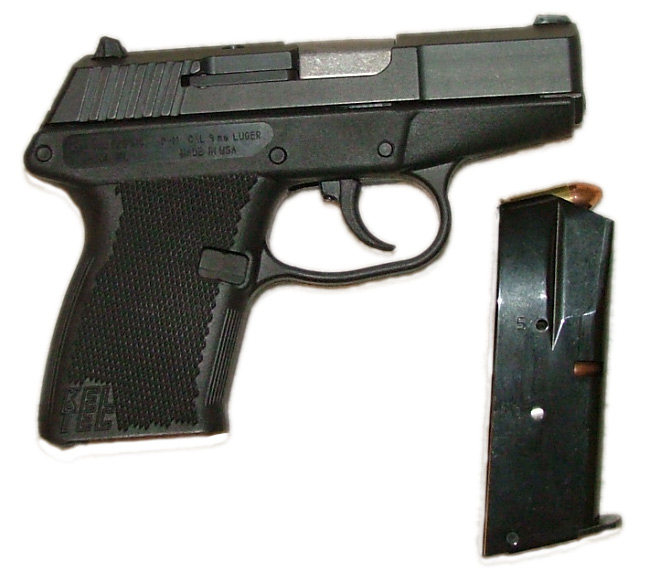
2. KelTec P11
The KelTec P11 chased the concealed-carry formula with a small footprint and 9mm chambering, but many shooters found the trigger to be the gun’s defining flaw. A long, heavy pull made it harder to keep sights aligned through the shot, especially in a pistol already small enough to be lively in the hand.
That combination matters because trigger control and recoil management tend to expose weak designs quickly. As failure to feed and other stoppages remind shooters, compact pistols already operate with tighter margins. When harsh handling and a difficult trigger arrive together, the gun stops feeling like a practical carry tool and starts feeling like a compromise.
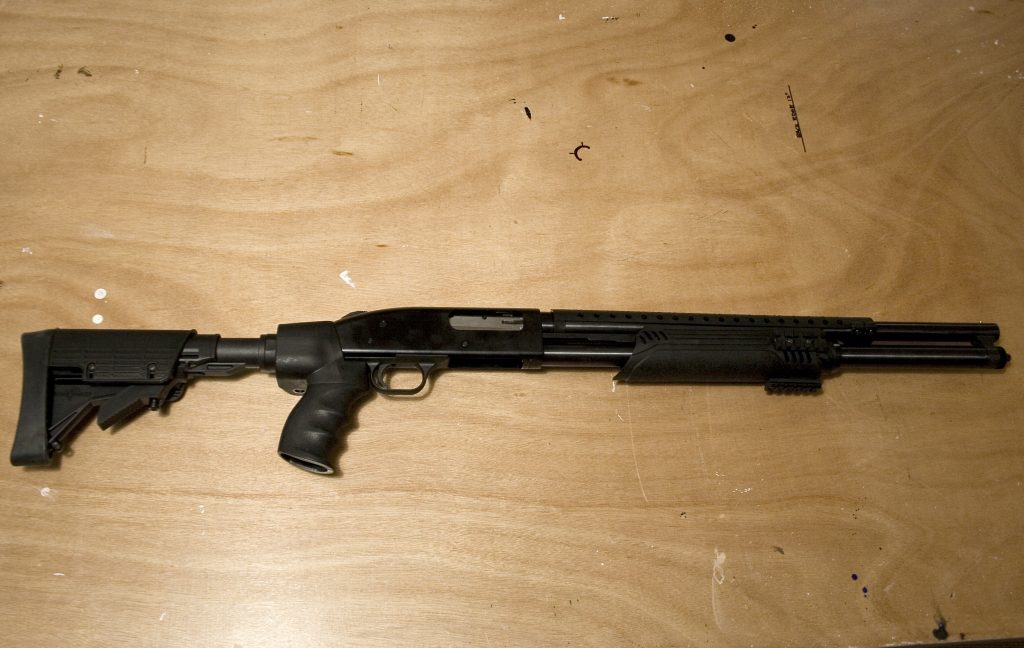
3. Mossberg Blaze
The Mossberg Blaze grabbed attention by being extremely light, which sounds ideal for a casual .22 LR rifle. In practice, the heavy use of polymer left many owners feeling like the rifle traded too much substance for low weight. Sights and exterior components did little to suggest long-term durability.
Some examples ran adequately with bulk ammunition, but others showed feeding issues and a vague trigger. In the rimfire world, that is enough to push shooters toward more established platforms, especially when the rifle is meant for plinking, training, or introducing new shooters to the range.
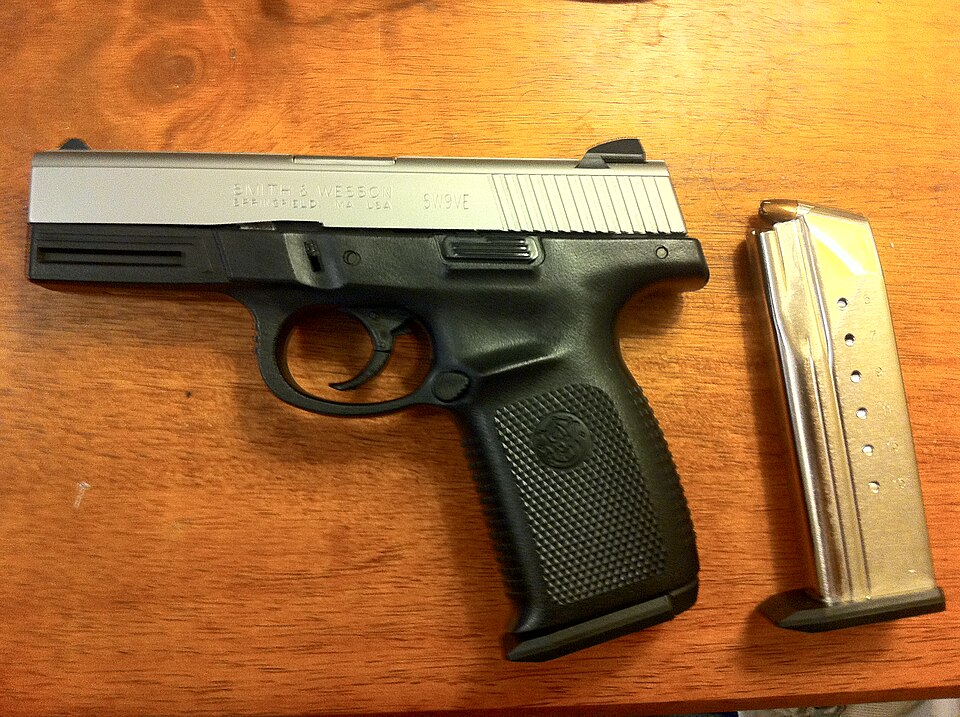
4. Smith & Wesson Sigma 9VE
The Sigma 9VE looked like a modern striker-fired service pistol, yet its trigger was frequently described as the reason owners moved on. Heavy take-up, grit through the pull, and an indistinct reset made quick, accurate shooting harder than it needed to be.
That weakness became even more obvious as the market matured. Once shooters handled pistols with cleaner trigger breaks and better ergonomics, the Sigma’s appeal narrowed fast. The pistol could function, but “good enough” is a hard sell when the trigger is the first thing felt on every shot.
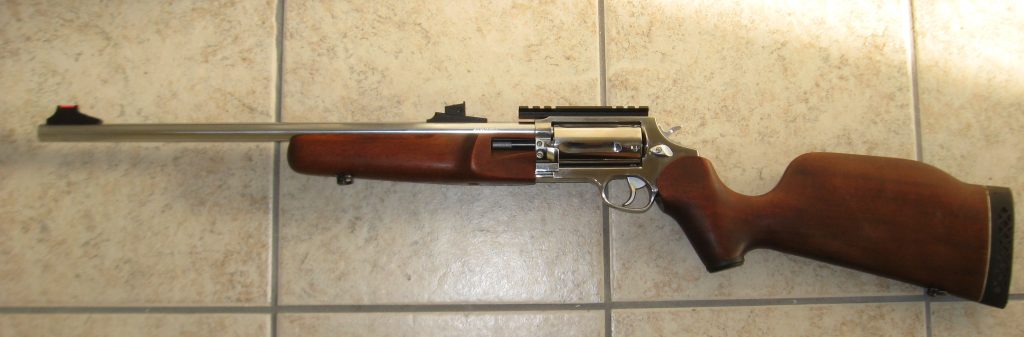
5. Rossi Circuit Judge
The Rossi Circuit Judge is the kind of firearm that looks clever in a catalog. A revolving rifle that can chamber .45 Colt and .410 shotshells sounds versatile, but mixed-purpose firearms often reveal why specialized guns exist in the first place.
Owners found the package awkward, with only middling bullet accuracy and underwhelming shotshell performance. The cylinder-gap blast also created handling concerns near the support hand, a trait that made the design feel more like a novelty than a hard-working field gun. It fits neatly beside other examples of innovative but flawed gun design where a creative concept could not overcome practical drawbacks.
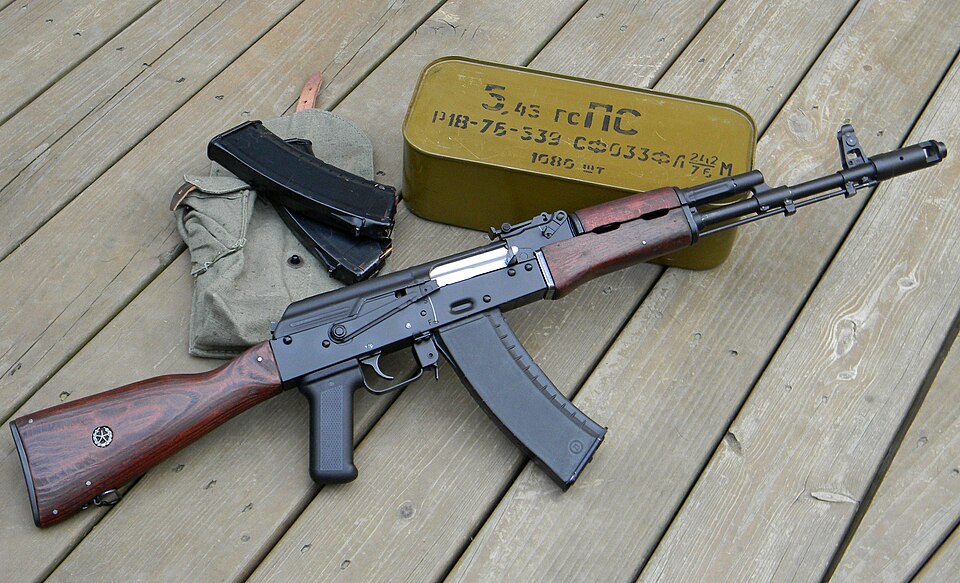
6. Century Arms C39v2
The C39v2 entered the crowded AK-pattern market with an all-American identity and a milled receiver, which should have made it stand out for the right reasons. Some shooters appreciated its crisp trigger and compatibility with common magazines, but long-term impressions were mixed.
Front-heavy balance and inconsistent accuracy were common complaints, and concerns about premature wear on older examples hurt trust in the rifle. AK buyers tend to value rugged predictability above all else. When wear patterns and handling feel uncertain, the platform loses the very character people bought it for.
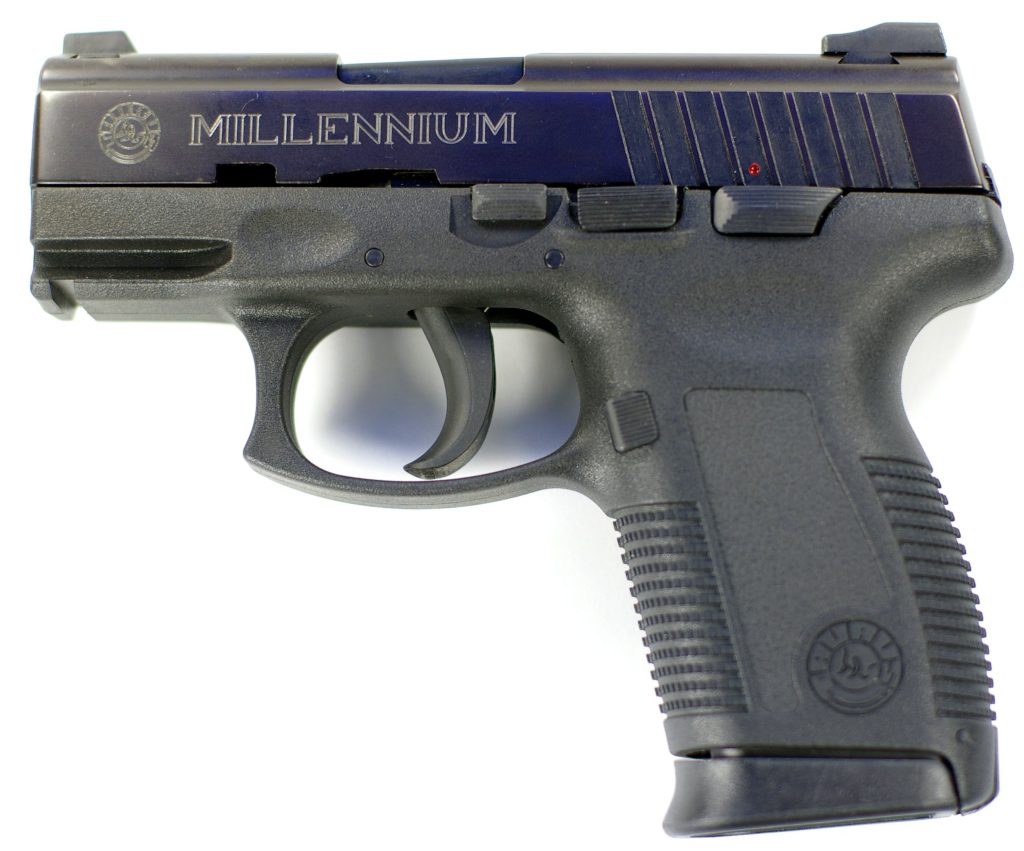
7. Taurus PT145 Millennium Pro
The PT145 Millennium Pro offered a compact way to carry .45 ACP, but squeezing that cartridge into a small frame came with tradeoffs. Shooters often described the pistol as snappy, hard to settle, and less forgiving than its size suggested. Functional complaints added to the discomfort. Reports of feed problems and inconsistent slide lock behavior made it difficult for owners to build trust in the gun over time. A defensive pistol does not need to be luxurious, but it does need to feel predictable every time it cycles.
8. ATI Omni Hybrid AR
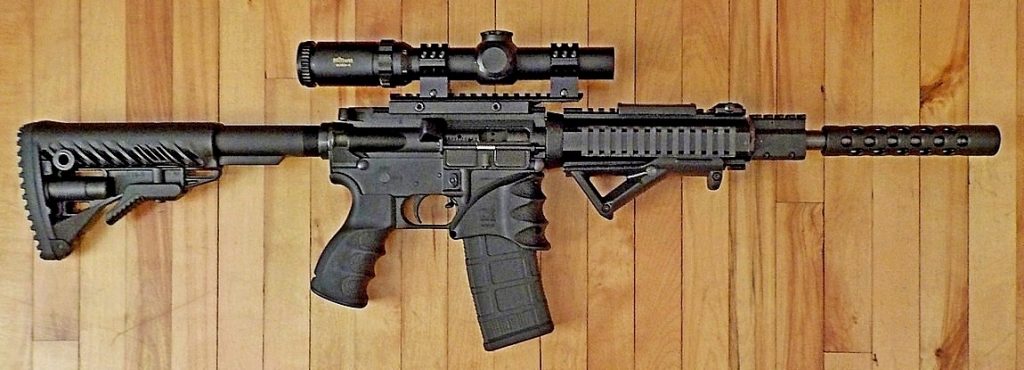
The Omni Hybrid AR took a bold path by using polymer in areas where shooters were more accustomed to forged aluminum. Weight savings sounded attractive, but the execution left many owners uneasy, especially around the receiver extension area where rigidity matters.
Flex, a mushy trigger feel, and uneven accuracy made the rifle feel less settled than a conventional AR-15. Firearms history is full of polymer experiments, and some succeeded brilliantly. Others showed why material choice must match the stresses of the design, as seen in older platforms where polymer receiver ambitions created new compromises instead of solving old ones.
9. Chiappa M1-22
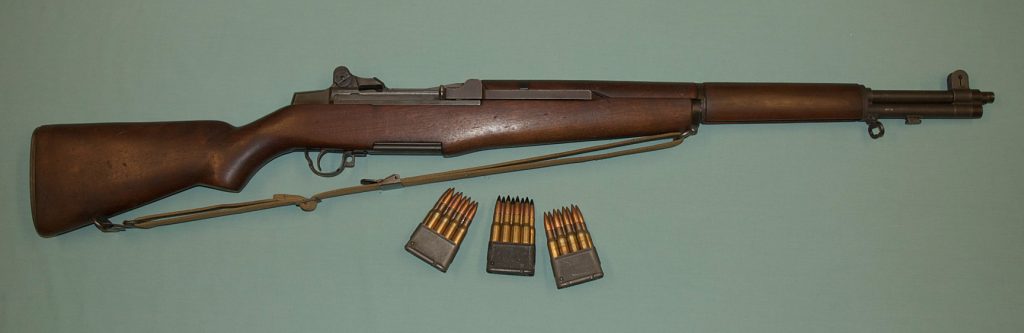
The Chiappa M1-22 had obvious appeal because it borrowed the look of the M1 Carbine while chambering inexpensive rimfire ammunition. For many buyers, that should have been a recipe for a fun trainer or a light recreational rifle. Instead, reliability complaints overshadowed the styling. Feeding problems, sluggish cycling, and weak magazine performance kept showing up often enough to make the rifle frustrating rather than nostalgic. A rimfire that cannot finish a magazine consistently becomes less useful for practice and less enjoyable for casual range work.
Across all nine firearms, the same lesson appears in different forms. Bargain pricing, compact dimensions, unusual chambering choices, or unconventional construction can attract attention, but none of them matter much when the gun is awkward to shoot or hard to trust. The real dividing line is not hype but repeatable performance. Shooters usually regret a firearm when it asks for excuses every time it comes out of the case.


