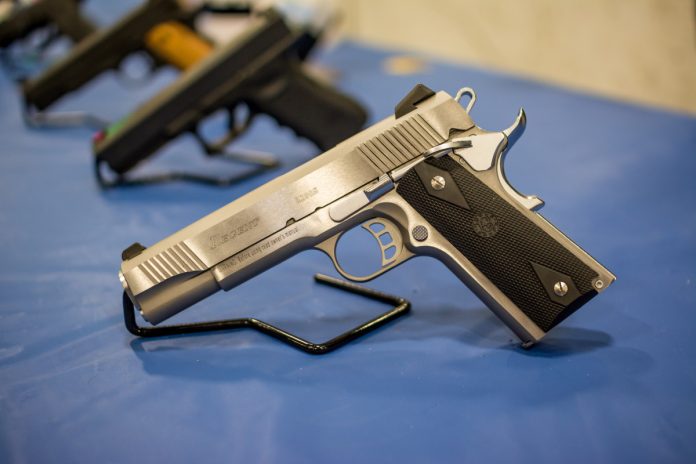
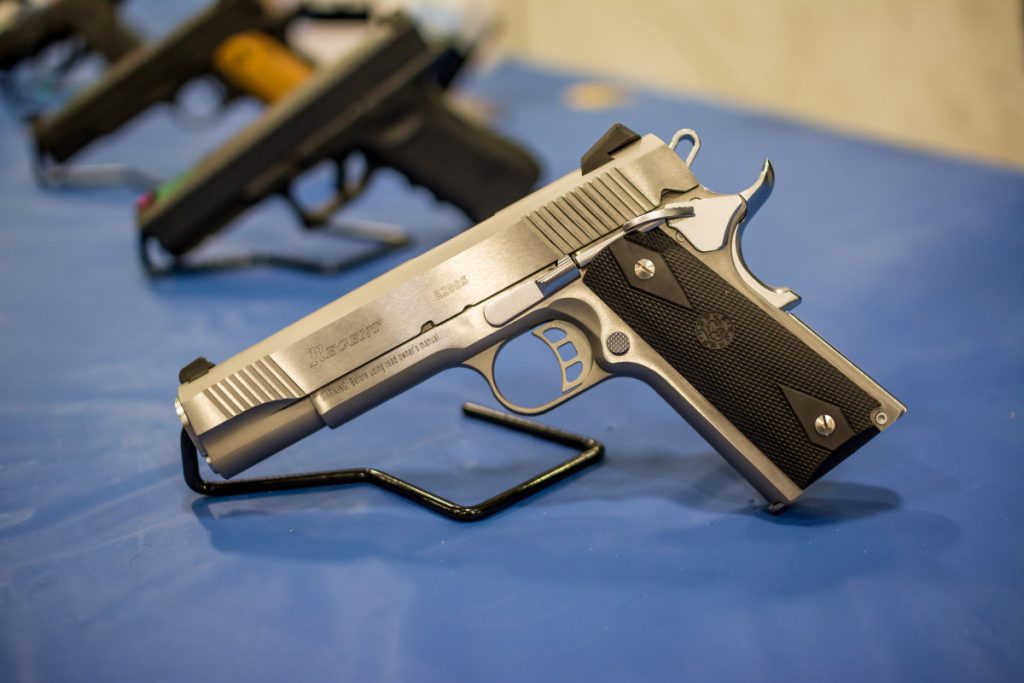
Polymer-frame pistols earned their place by cutting weight, resisting corrosion, and simplifying production. Even so, steel-frame handguns continue to hold ground anywhere shooters care more about controllability, service life, and mechanical feel than all-day carry comfort. That staying power is not just nostalgia. Steel changes how a pistol tracks in recoil, how it wears over time, and how much confidence a shooter can have after years of use, tuning, and maintenance.
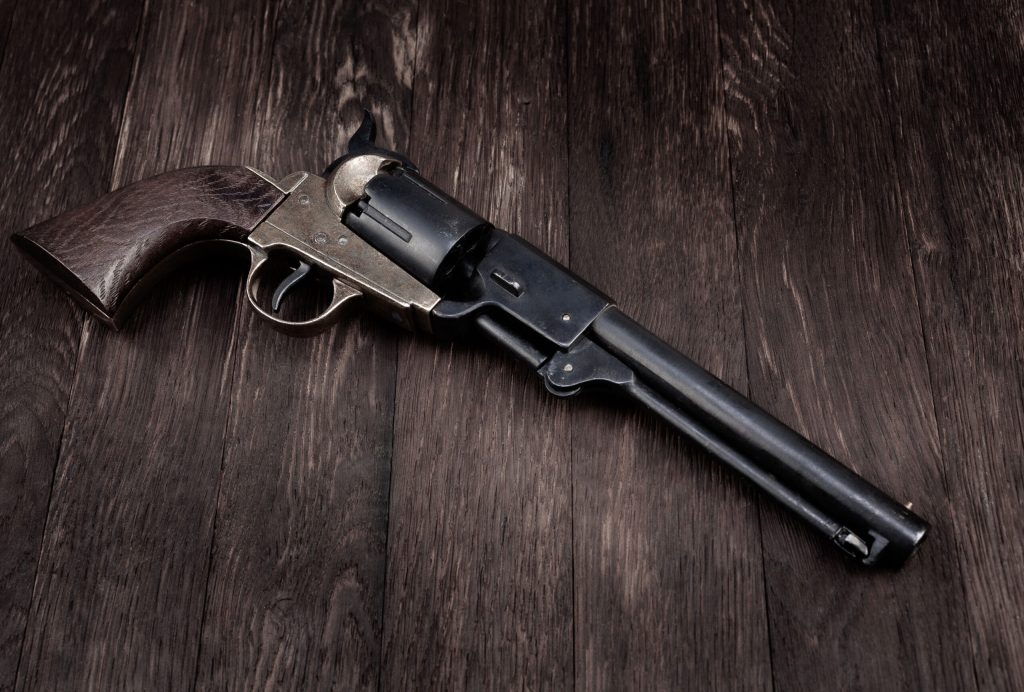
1. Extra mass makes recoil easier to manage
The biggest advantage shows up the moment a shot breaks. A steel frame adds weight low in the gun, which reduces how abruptly the pistol moves under recoil and helps the sights settle faster. That matters with standard 9mm loads, but the benefit becomes even more obvious when shooters move into sharper or heavier-pressure ammunition. Classic full-size steel pistols built their reputations on exactly that trait. The 1911, Browning Hi-Power, and heavy stainless variants of service pistols remain popular because they turn recoil into a steadier, more readable impulse instead of a quick snap.
2. Steel balance keeps the pistol planted in the hands
Weight alone does not explain the appeal. On many steel pistols, that mass is spread through the frame instead of concentrated in the slide, which gives the gun a more settled feel during presentation, transitions, and rapid strings. That is one reason full-size steel 9mm pistols still make sense as training and range guns. They tend to wander less between shots, and many shooters find that easier to manage than a lighter pistol that moves faster in every direction.
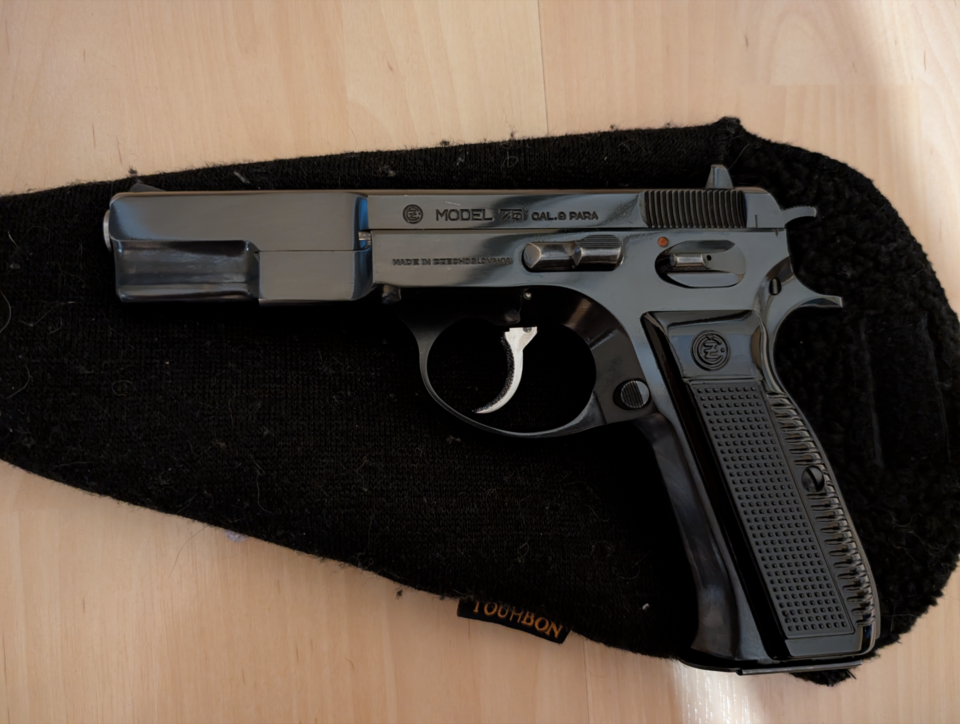
3. Some of the best shooting designs were built around steel
Steel is not only a material choice; in certain pistols, it is part of the design logic. The CZ-75 is a prime example, built around a slide-in-frame rail arrangement that lowers the bore axis and contributes to the platform’s well-known controllability. Tanfoglio’s steel-frame pistols followed the same general formula for shooters who wanted that low-running feel in a competition-friendly package. The result is a handgun that feels flatter in recoil and more stable through follow-up shots. That combination has kept steel CZ-pattern pistols relevant long after polymer became the default choice.
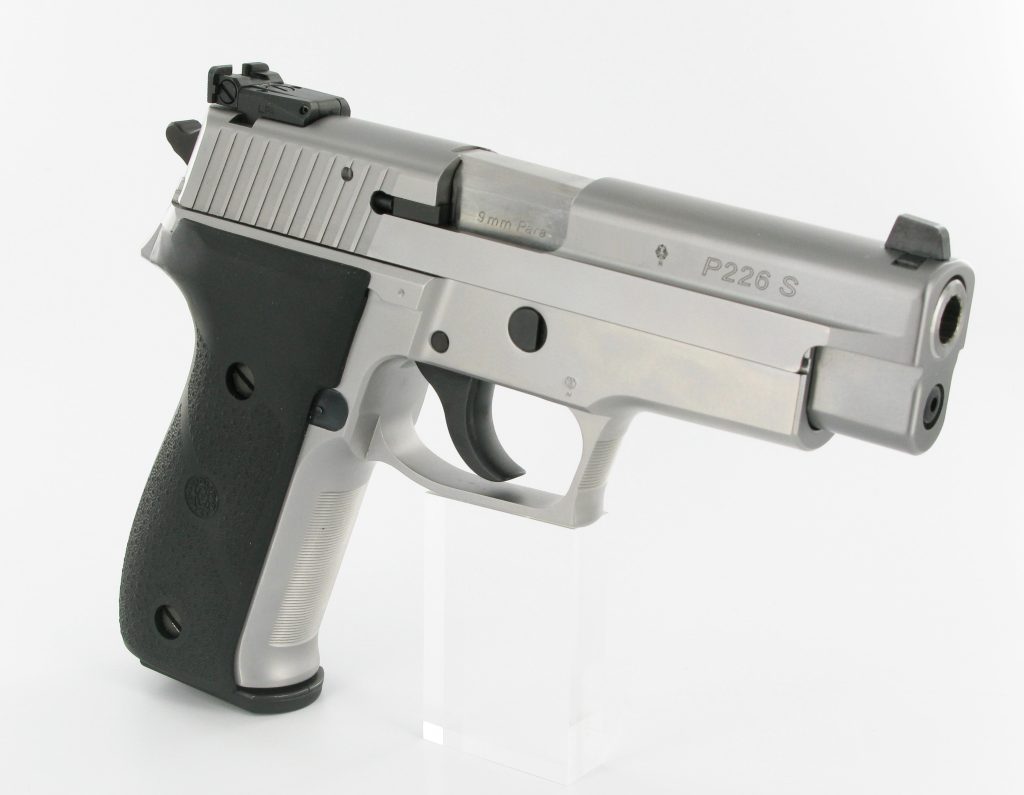
4. Long service life is still a real selling point
Well-made steel-frame pistols are associated with very long use cycles, especially when springs and small wear parts are replaced on schedule. Shooters discussing classic SIG pistols regularly point to examples running well past 100,000 rounds fired, which helps explain why metal-frame handguns still have a reputation for lasting across decades rather than seasons. That does not mean every steel pistol is immortal, because design quality and maintenance still matter. It does mean steel remains closely tied to the idea of a pistol that can be shot heavily, serviced repeatedly, and handed down without feeling disposable.
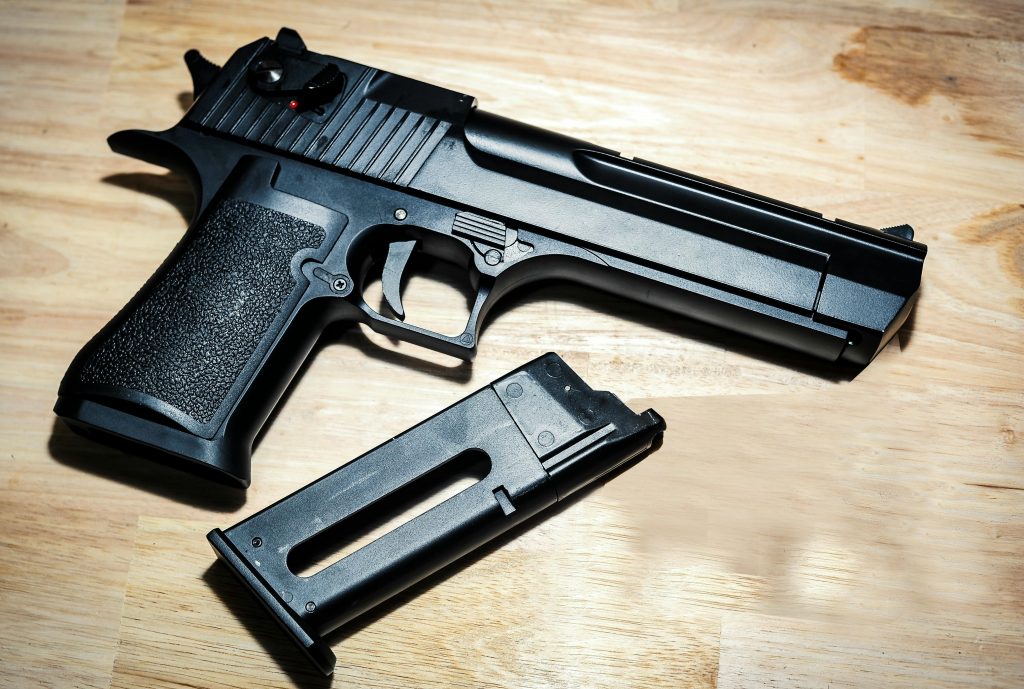
5. Heat and sustained firing are easier to live with
Long practice sessions expose weaknesses quickly. As round counts climb, rails heat up, lubricant thins, and every bit of looseness or harsh cycling becomes easier to notice. Steel frames have long appealed to high-volume shooters because repeated heating and cooling cycles fit naturally into the material’s strengths. The gun often feels more consistent deep into a range session, especially when pace stays brisk and the shooter wants the same recoil behavior from the first magazine to the last.

6. Mechanical fit stays meaningful over time
Accuracy in a pistol is not just barrel quality or sights. It depends on the slide, barrel, and frame returning to the same relationship shot after shot, and steel remains easier to fit, inspect, and maintain in that context. Gunsmith Jerry Kuhnhausen estimated slide-to-frame fit accounts for about 15 percent of accuracy, which places it behind several other factors but still makes it important. Steel’s appeal is that it supports repeatable alignment over long use, especially on pistols built with tight tolerances in mind, such as the SIG P210 and well-fitted 1911s.
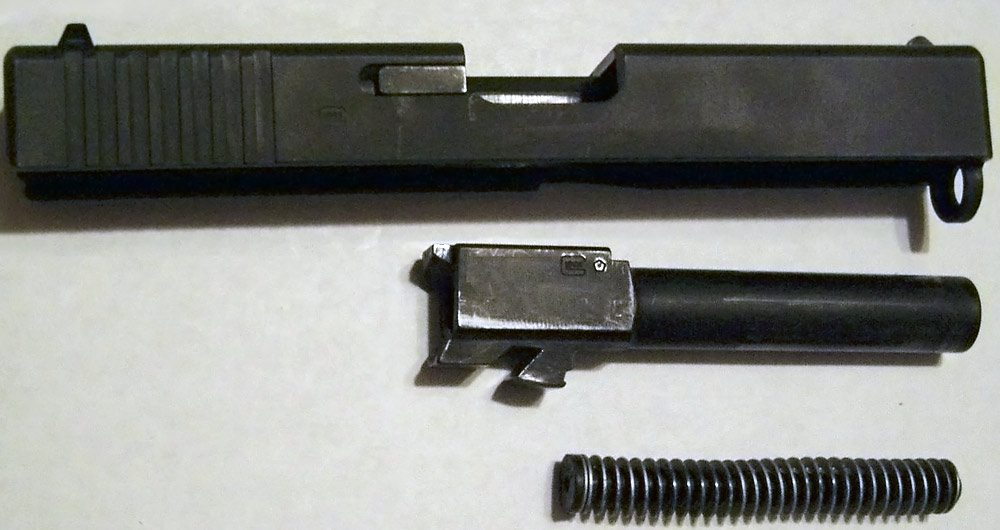
7. Steel invites real gunsmith work
Many shooters keep a polymer pistol largely as-issued. Steel-frame pistols, by contrast, often live longer lives as projects, match guns, or family pieces that receive trigger work, refinishing, sight cuts, and careful fitting over the years. That matters because a pistol that can be tuned and preserved tends to stay relevant longer. A steel frame is more than a chassis; it is a workable foundation that gunsmiths have understood for generations.
8. Heavier loads feel less punishing
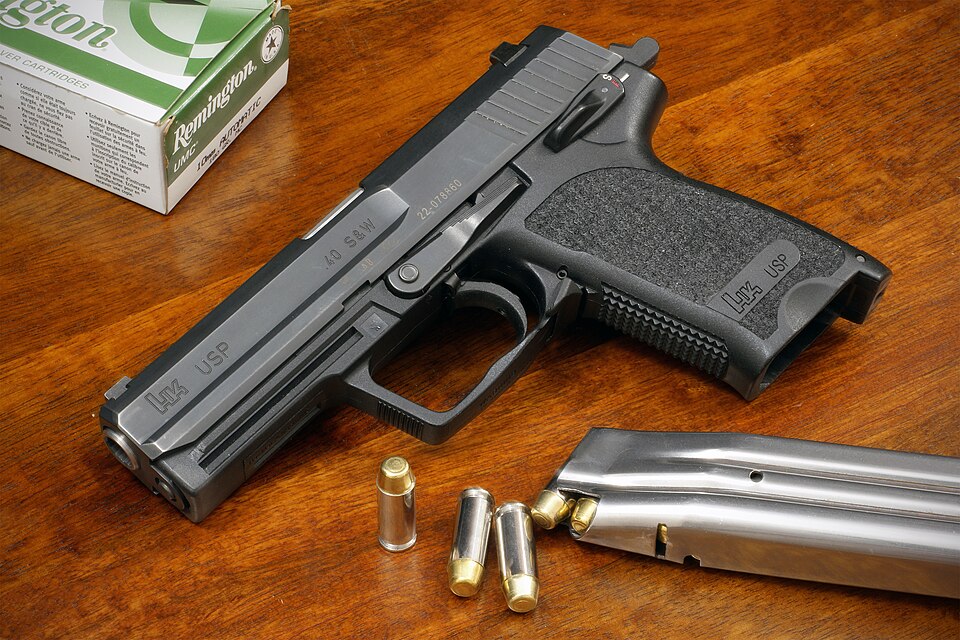
Steel becomes even more attractive when cartridges get snappier. Full-power .40 S&W, 10mm Auto, and stout defensive 9mm loads tend to feel more manageable in a heavier metal gun, where the frame mass helps soften the shot cycle and reduce sight disruption. That is why steel-frame pistols continue to attract shooters who train hard with hotter ammunition. Even when lighter modern pistols can handle the pressure, the steel gun often feels calmer and easier to run well.
9. Wear patterns are easier to read and maintain
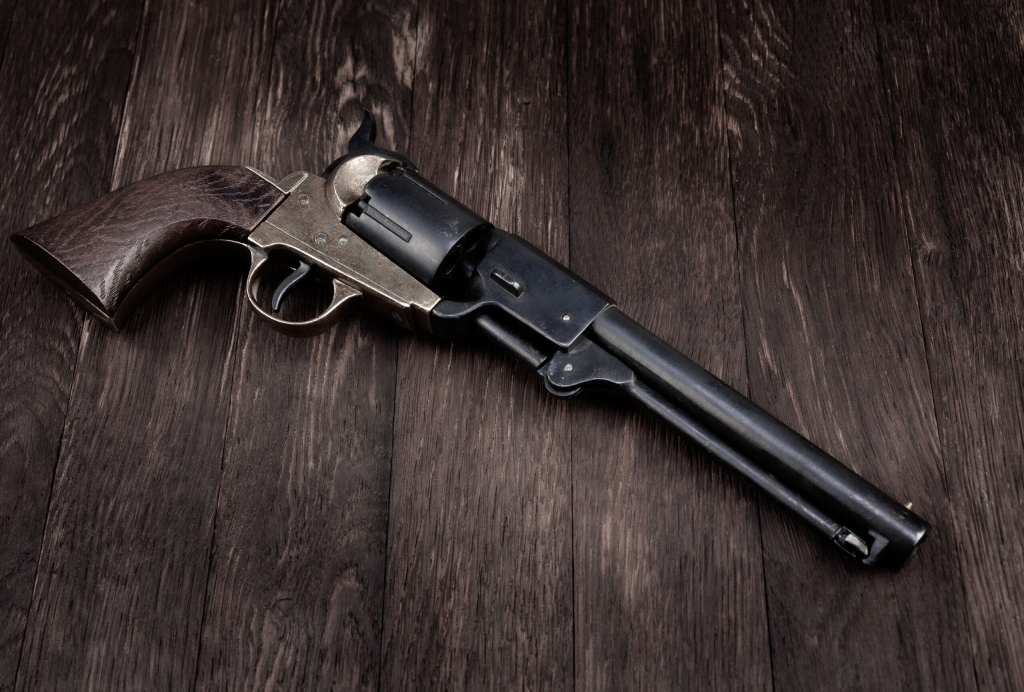
Steel tends to show use in honest, visible ways: polished rails, edge wear, and contact marks that reveal how the pistol is cycling. Those signs can help an owner spot lubrication needs, monitor friction points, and judge whether the gun is wearing normally. For collectors and long-term owners, that visible aging also ties into preservation. Firearm storage guidance commonly recommends around 50% relative humidity for mixed wood-and-metal collections, which reflects the broader reality that steel rewards attention rather than indifference.
10. Steel carries heritage that still connects to performance
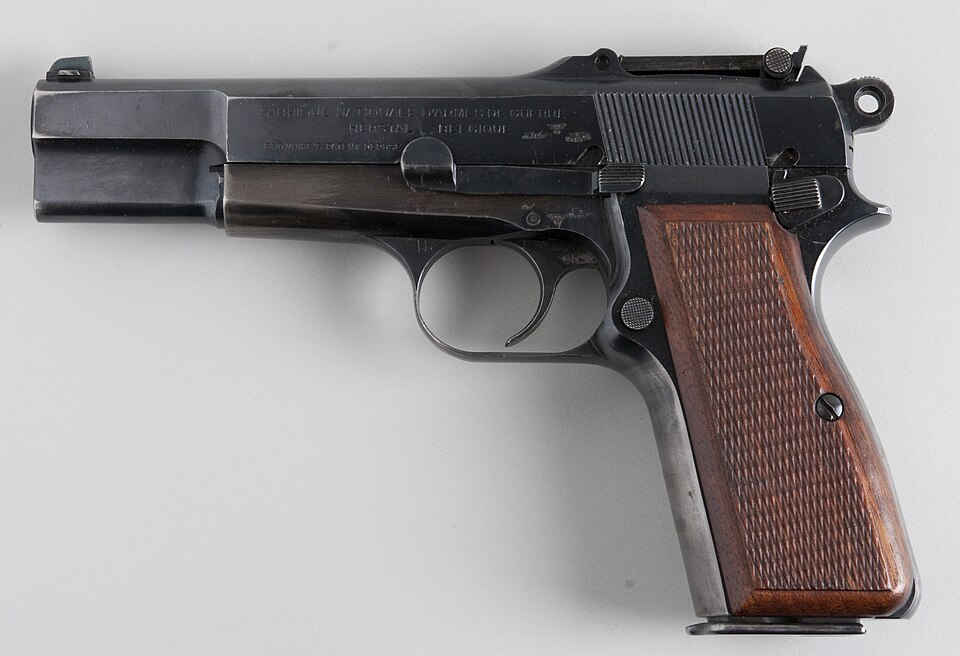
The enduring appeal of steel-frame pistols is partly historical, but the history matters because the guns performed. The Browning Hi-Power helped define the high-capacity service 9mm, the 1911 proved how controllable a heavy fighting pistol could be, and the CZ-75 showed how steel construction could support a low-bore-axis design with excellent practical accuracy. Those pistols are still respected because their strengths remain visible on the firing line. They shoot flat, feel solid, and make mechanical sense in a way many shooters still appreciate.
Polymer frames dominate for good reasons, especially where lighter carry weight and lower maintenance demands matter most. Steel remains the better answer when the priority shifts toward recoil control, long-term durability, serviceability, and a more settled shooting experience. That is why steel-frame pistols continue to hold a place far beyond nostalgia. They deliver a different set of tradeoffs, and for many range-focused shooters, those tradeoffs are still hard to replace.


