Caliber arguments usually start with energy numbers and end with brand loyalty. In a home-defense handgun, the more useful question is simpler: does the round fire reliably, penetrate deeply enough, and stay controllable when stress strips away fine motor skill?
That standard is why some familiar cartridges keep showing up on the wrong side of the discussion. Modern testing has pushed the industry toward 12 to 18 inches of penetration in calibrated 10 percent gelatin, but that benchmark also highlights how much short barrels, poor ammo choice, and excessive recoil can complicate real-world performance inside a house.
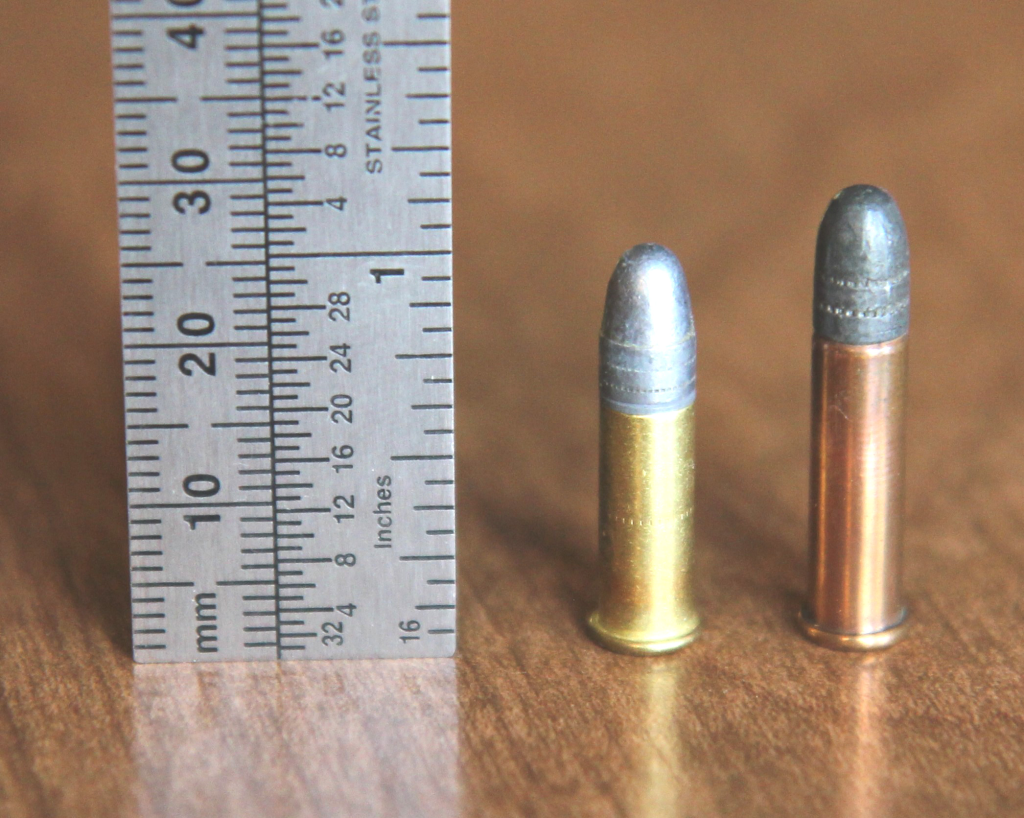
1. .22 Long Rifle
The .22 LR remains popular because it is easy to shoot, cheap to practice with, and available almost everywhere. None of that changes its biggest weakness for defense: rimfire ignition. Compared with centerfire ammunition, rimfire cartridges introduce a reliability compromise many instructors consider unnecessary when a handgun may be needed at its most critical moment.
Performance is the second problem. Standard .22 LR defensive loads often struggle with heavy-clothing penetration, especially from short barrels, and modest energy leaves little margin when angles are poor or barriers get involved. The round can still be dangerous, but its defensive record is tied too tightly to ideal shot placement.
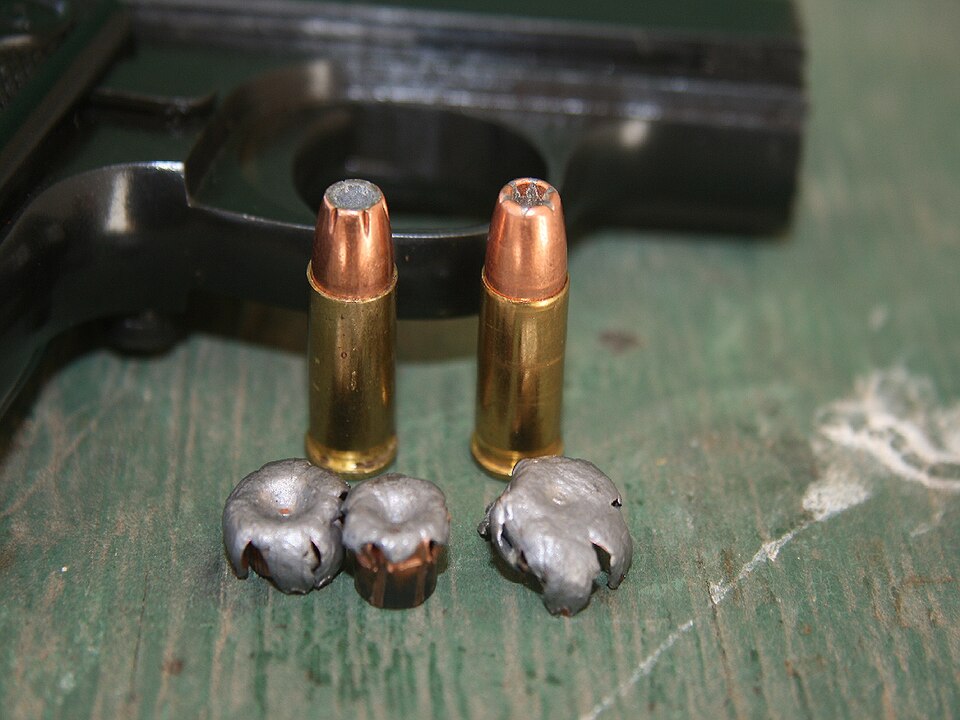
2. .25 ACP
The .25 ACP was built to give tiny pocket pistols a centerfire option, but the cartridge has largely been passed by. Typical loads produce very low energy, expansion is inconsistent, and wound tracks tend to stay narrow and shallow. Its platform history does not help. Many pistols chambered in .25 ACP are older designs with tiny sights, limited durability, and hard-to-run ergonomics. In a market full of compact 9mm and .380 handguns, the old tradeoff no longer looks efficient.
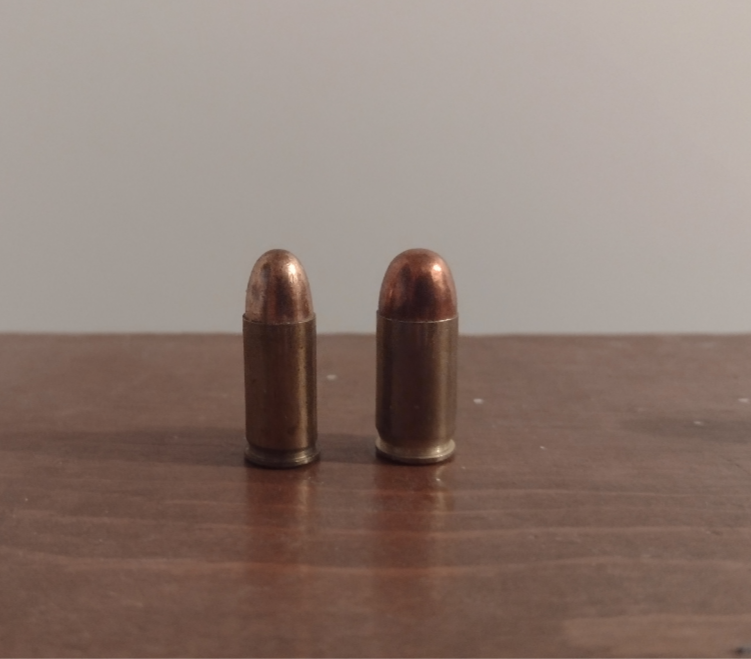
3. .32 ACP
The .32 ACP still has one legitimate advantage: mild recoil. That makes it easier for some shooters to control, but the cartridge often gives that comfort back in reduced terminal margin. Loads in the roughly 125 to 170 foot-pound range have long been criticized for inconsistent expansion and shallow penetration, particularly through layered clothing. Real-world data compilations also show that smaller handgun rounds tend to post higher failure-to-stop rates than mainstream service calibers, even when the gap is narrower than caliber debates suggest.
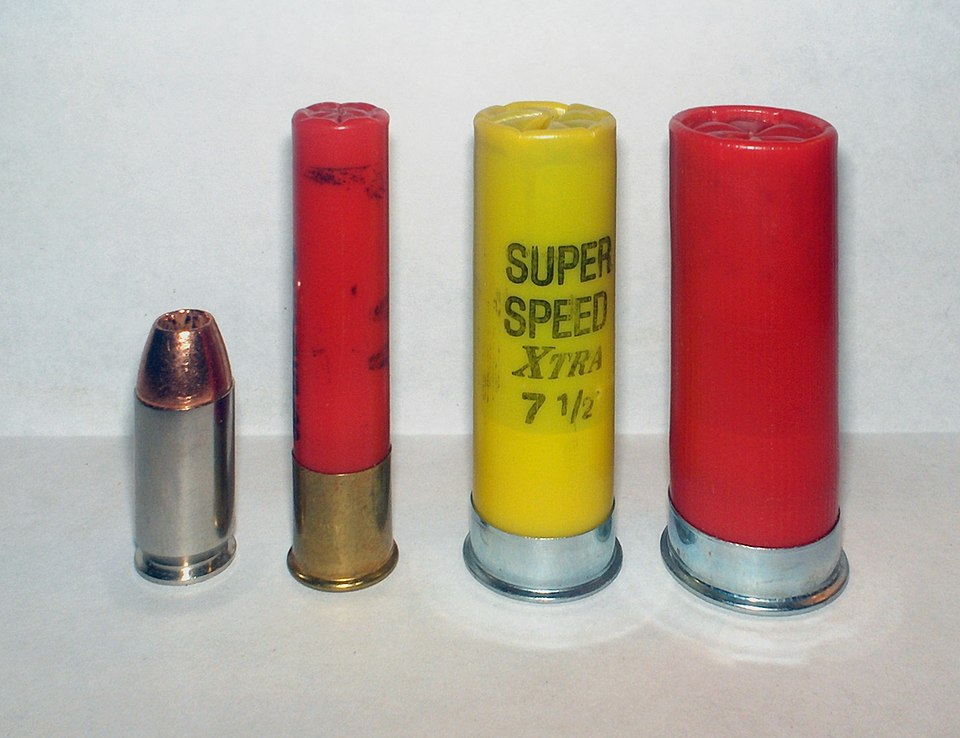
4. .410 Shotshell From Revolvers
The idea sounds powerful. A handheld revolver launching shotgun shells suggests fight-stopping spread at room distance. Short rifled barrels change the equation fast. Birdshot usually lacks the depth needed for dependable terminal effect, and even buckshot loads can pattern unpredictably from defensive revolvers. That means a load may look dramatic on paper while delivering scattered impact, uneven penetration, and a greater accountability problem for every pellet that misses the intended target.
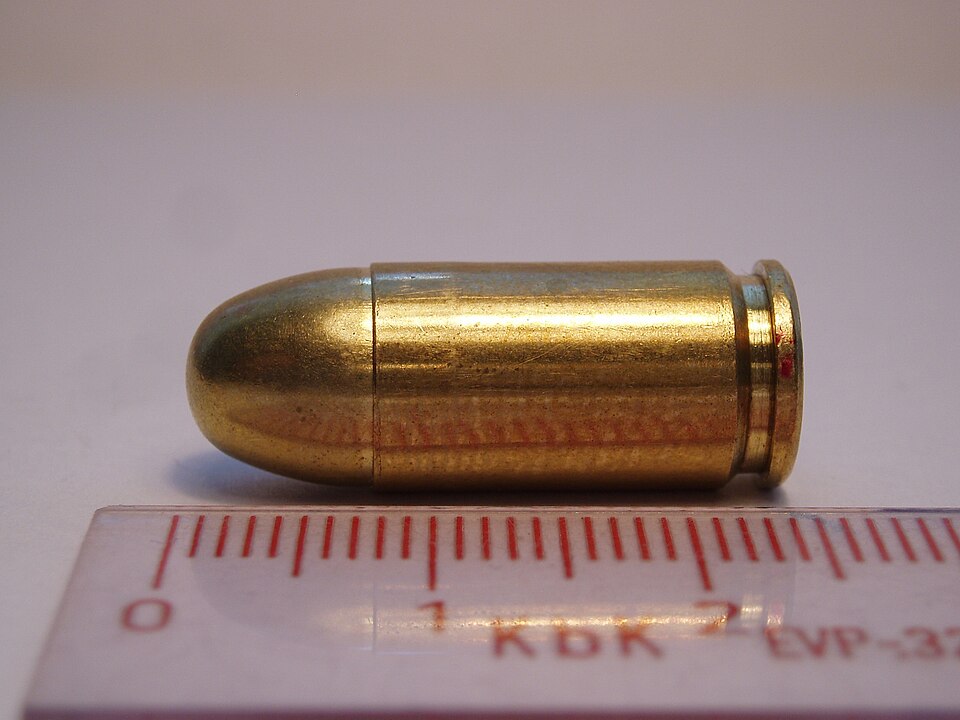
5. .380 ACP With Weak or Mismatched Loads
.380 ACP is not automatically a bad choice, but it is one of the easiest cartridges to get wrong. In compact pistols, short barrels can rob velocity fast enough that some hollow points expand early and fail to reach useful depth. That is why .380 deserves a separate warning label from the truly outdated cartridges. With carefully selected ammunition, it can work. With the wrong load, it slips below the performance floor that modern defensive ammo is supposed to clear. The cartridge leaves less spare capacity for mistakes, and testing the exact gun-and-load combination matters more here than many owners expect.
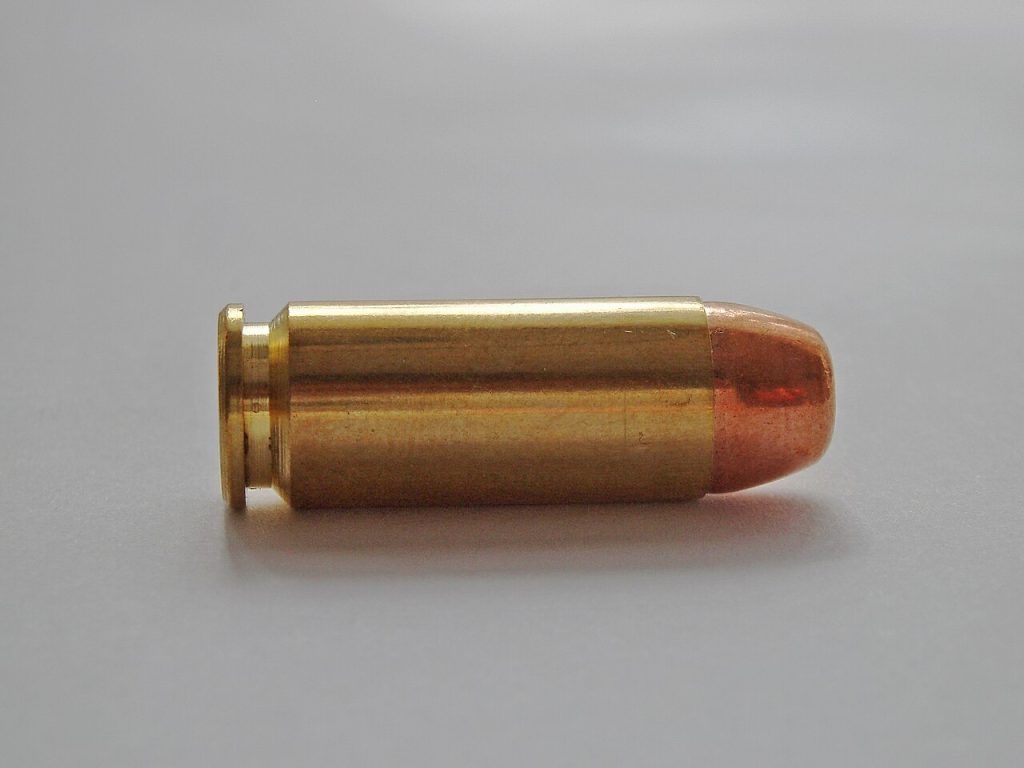
6. 10mm Auto
The 10mm Auto is the classic example of power outrunning context. Full-power loads can exceed 600 foot-pounds of muzzle energy, which helps explain its appeal for deep-penetrating field use. Inside a home, that same horsepower creates tradeoffs. Recoil, blast, and slower recovery can all reduce hit quality, and hit quality matters more than caliber mythology. The broader lesson from modern service-pistol development is that bullet construction and controllability often matter more than simply moving to a bigger, faster cartridge. As the FBI training summary put it, “Handgun stopping power is simply a myth.”
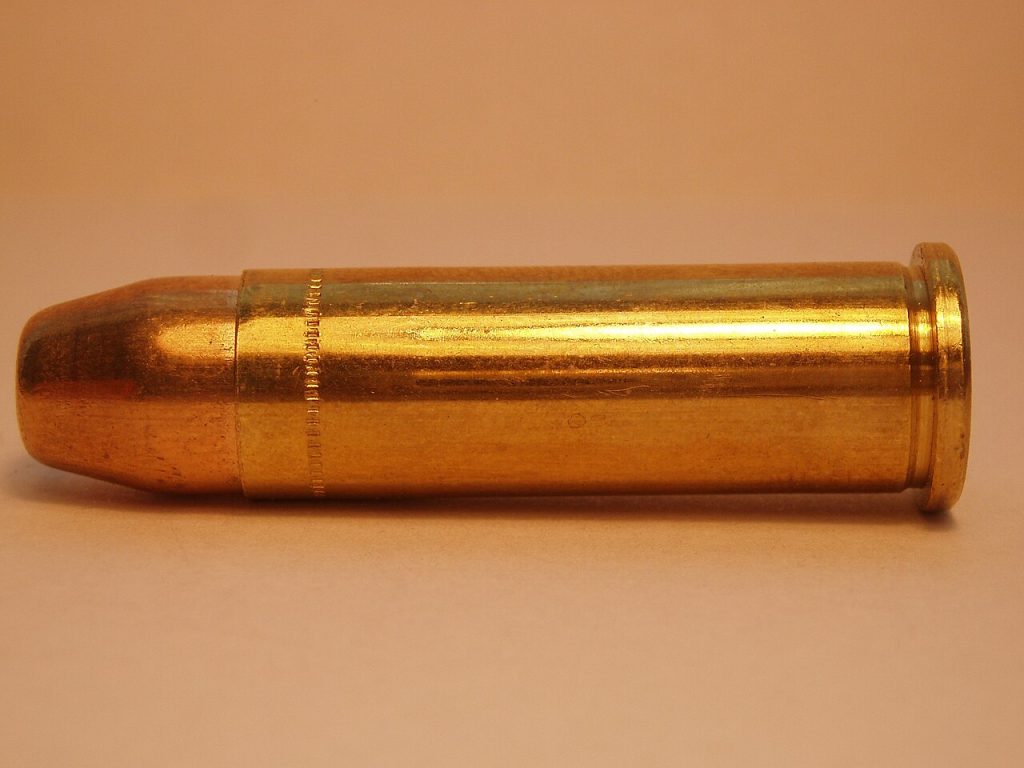
7. .38 Special From Ultra-Short Barrels
.38 Special has a long defensive pedigree, but barrel length changes what the cartridge can deliver. In very short revolvers, velocity drops enough that some hollow points stop expanding the way they were designed to. That leaves a narrow setup window. Lightweight snub-nose revolvers also bring stiff recoil and slower follow-up shots, especially with +P ammunition. Specialized short-barrel loads can improve results, but the cartridge becomes far more ammo-sensitive once the barrel gets extremely short.
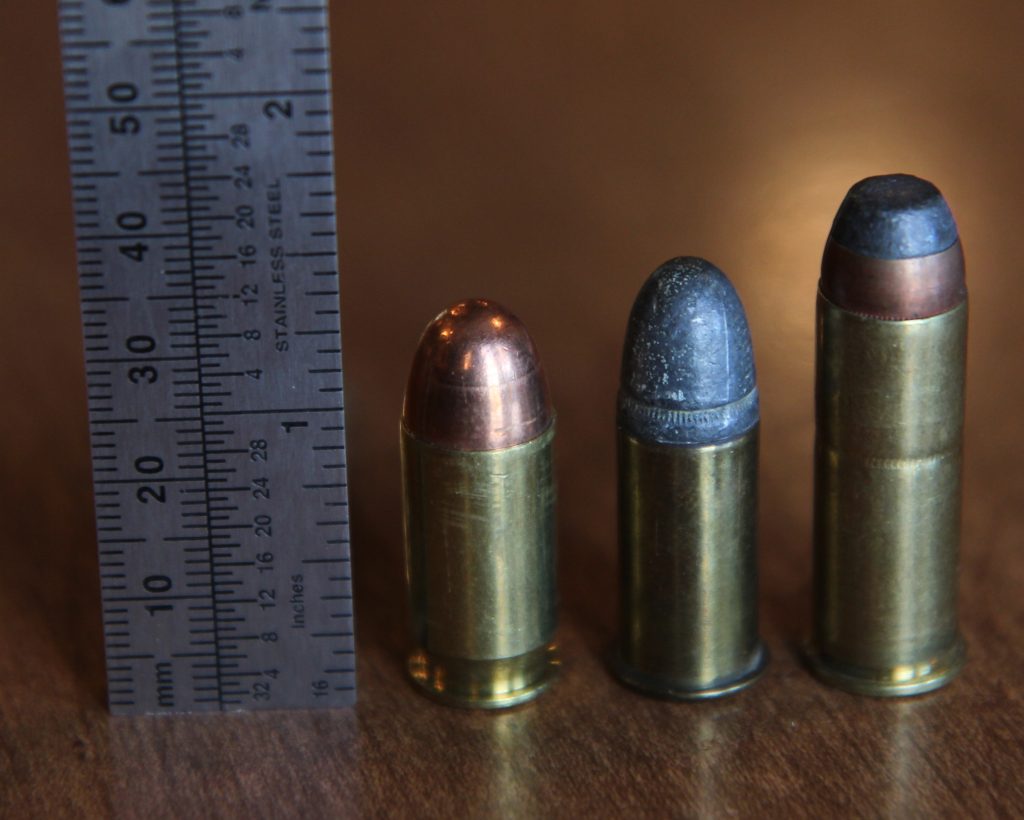
8. .44 Magnum
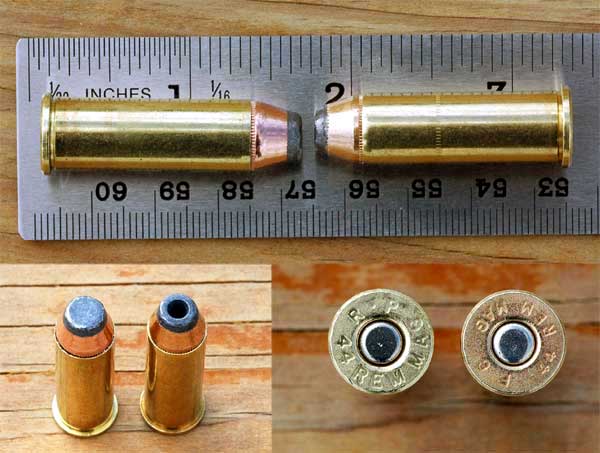
The .44 Magnum solves few home-defense problems and introduces several. It hits hard, penetrates deeply, and produces recoil and muzzle blast that many shooters cannot manage quickly in enclosed spaces. There is also the structure issue. Civilian defense ammunition is often chosen with overpenetration in homes or public spaces in mind, because too much depth can carry danger beyond the immediate target. The .44 Magnum sits at the wrong end of that balance for most households, especially when paired with large revolvers that are slower to run under stress.
The larger takeaway is not that tiny calibers are useless or magnum calibers are automatically wrong. It is that defensive handguns work best when reliability, penetration, and controllability stay in balance rather than pulling against one another. That is also why the old caliber wars faded once standardized testing took over. Cartridge labels still matter, but not as much as choosing a round that functions consistently, reaches adequate depth, and can be fired accurately more than once when the room gets loud.


