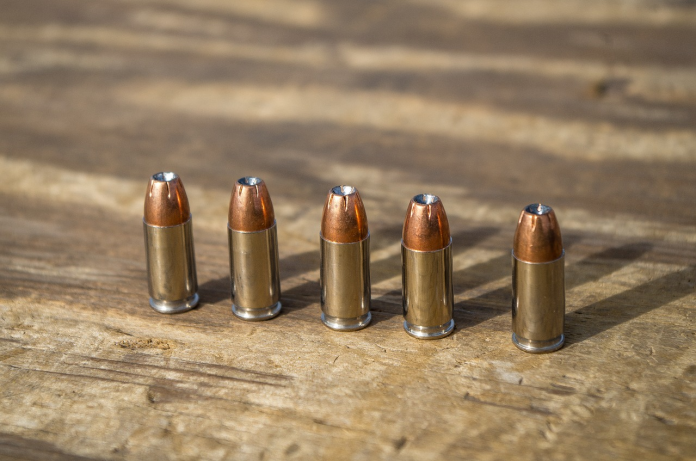
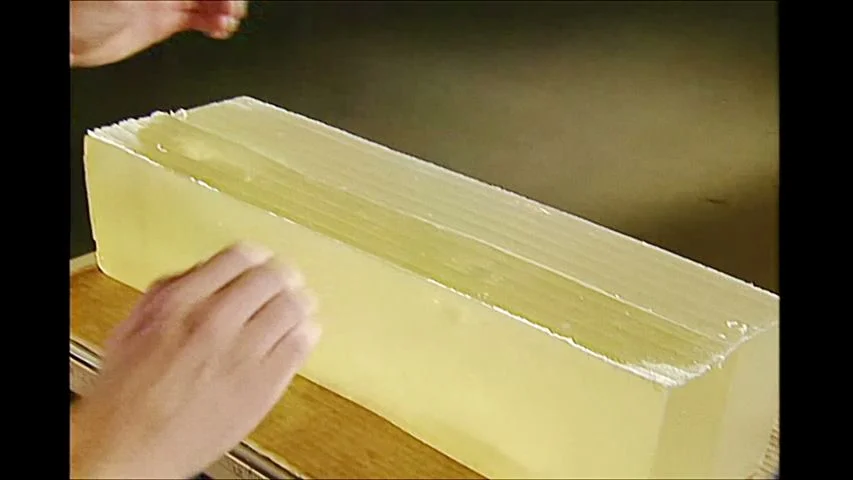
The FBI gelatin protocol remains one of the most recognizable standards in handgun testing, and for good reason. Properly made 10% ordnance gelatin gives researchers a repeatable soft-tissue simulant, which is exactly why 10% ballistic gelatin at 4°C became the standard for comparing bullets.
The problem starts when handgun shooters treat that standard as a complete prediction of real-world effect. Gel is useful, but it is narrow. It shows what a bullet does in a controlled soft-tissue medium, not what every bullet will do after clothing, bone, angle changes, body asymmetry, or imperfect shot placement enter the picture.
1. Gel measures consistency, not certainty
Ballistic gelatin became important because early wound-ballistics lore was full of myths, dramatic claims, and unreliable testing media. Standardized gel fixed that by giving testers a common language. One block could be compared to another, and one bullet load could be judged against another under the same conditions.
That is a major scientific advantage, but it also creates a common misunderstanding. A handgun bullet that performs neatly in gel has not been proven to “work” in every human target. It has only shown how it behaves in a consistent soft-tissue simulant under a specific setup.
2. The block represents soft tissue, not a whole body
Gelatin is best understood as a general substitute for soft tissue. It does not fully represent bone, joints, teeth, layered anatomy, or the irregular structure of an actual torso. Even the medical literature describing tissue surrogates stresses that gelatin is excellent for soft tissue, while more complex models are needed when bone and skin behavior matter.
That matters to handgun shooters because handguns already operate near the lower end of useful terminal velocity. A bullet that expands beautifully in bare gel may react very differently after striking ribs, dense connective tissue, or heavy clothing first.
3. The famous 12-to-18-inch rule is often treated like a magic formula
The FBI penetration window was created as a practical benchmark, not a promise of instant incapacitation. In gel, “adequate” handgun penetration is commonly treated as at least 12 inches, with the broader standard usually discussed as 12 to 18 inches. That tells testers whether a bullet is likely to reach vital structures from less-than-ideal angles and through intermediate barriers. What it does not do is rank one load as decisively superior simply because it lands at 13 inches instead of 15, or because it opens a little wider on camera. Shooters often turn a screening standard into a fantasy draft.
4. Handgun temporary cavities look dramatic but usually mean less than shooters think
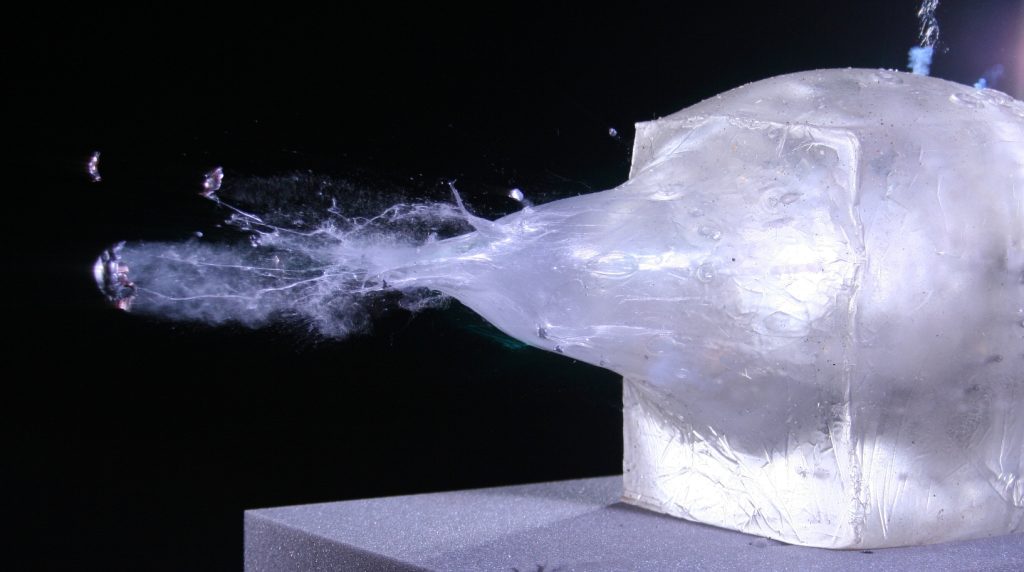
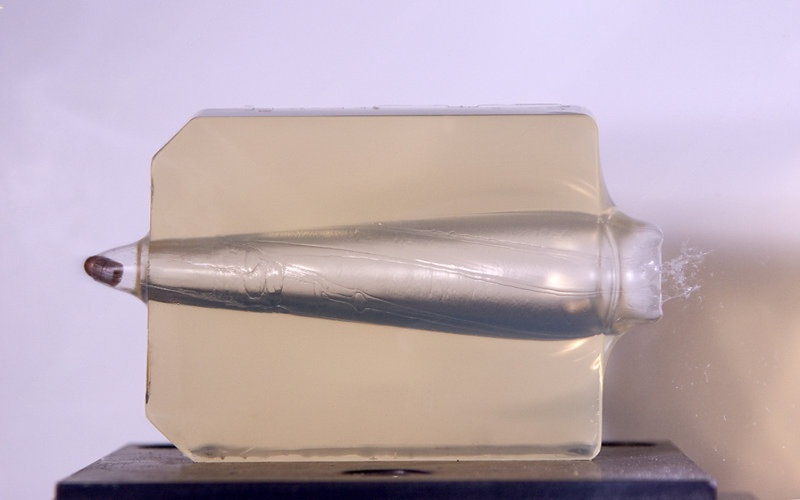
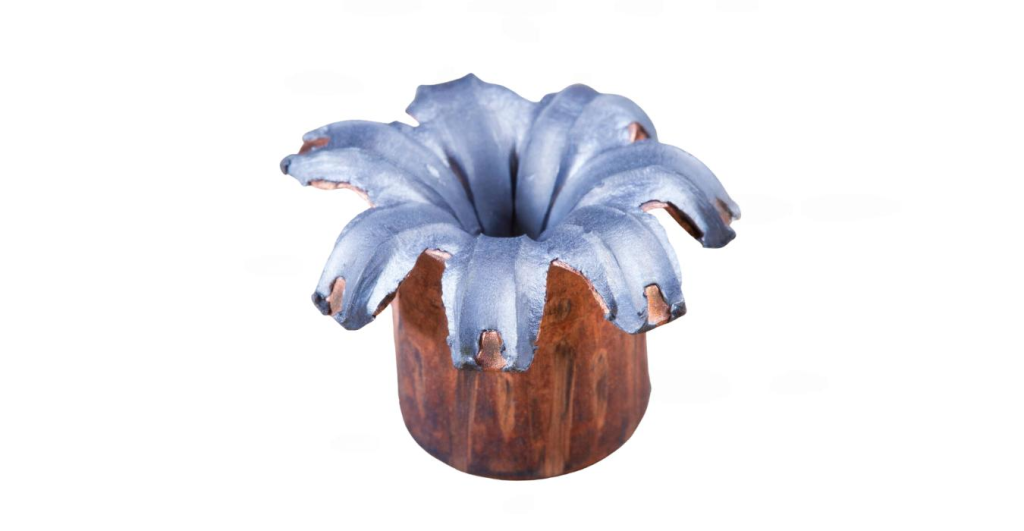
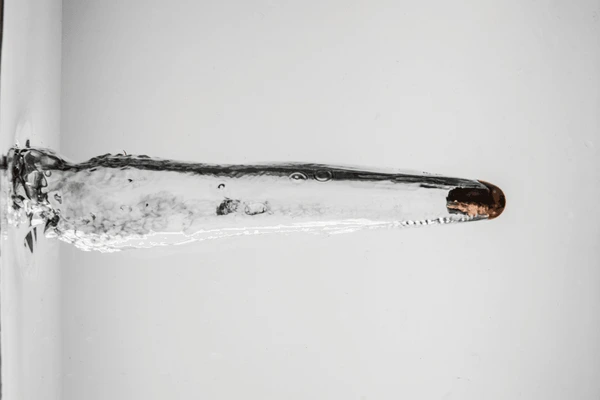
High-speed footage has done enormous damage to handgun judgment. The temporary cavity in gel can look violent, especially with modern hollow points, but handgun velocities usually do not produce the kind of tissue disruption associated with more powerful rifle impacts.
As terminal-ballistics researchers have repeatedly emphasized, most body tissues are elastic enough to stretch and rebound. With service handguns, the dependable mechanism is the permanent cavity and sufficient penetration, not cinematic shock effects. That is one reason the rifle-versus-pistol divide remains so large even when both make impressive-looking gel videos.
5. Cheap or nonstandard test media can exaggerate performance
Not every clear block seen online deserves the same credibility as calibrated organic ordnance gelatin. Researchers have warned for years that non-elastic materials such as soap or clay can preserve the maximum “splash” of a bullet path and falsely suggest more destructive effect than elastic tissue would actually suffer.
A similar caution applies to some synthetic clear gels. One frequently cited comparison found clear synthetic gelatin consistently penetrated farther than organic gelatin, which can distort comparisons if viewers assume all gel is interchangeable. A handgun load that appears to meet a preferred window in one medium may not land there in another.
6. Barrel length quietly changes the result shooters think they are seeing
Many shooters look at a published gel chart and assume it applies to every pistol chambered for that cartridge. It does not. Velocity changes with barrel length, and bullet construction reacts to that velocity. Expansion can increase, fail, or shift penetration depth depending on the projectile.
The exact loss per inch is not universal. Even extensive barrel-cut testing has shown that velocity loss per inch depends on the cartridge and setup. For handguns, that means a load tested from a full-size service pistol may not behave the same from a compact carry gun, even when the gel photo looks familiar.
7. Clothing and barriers can move the entire performance window
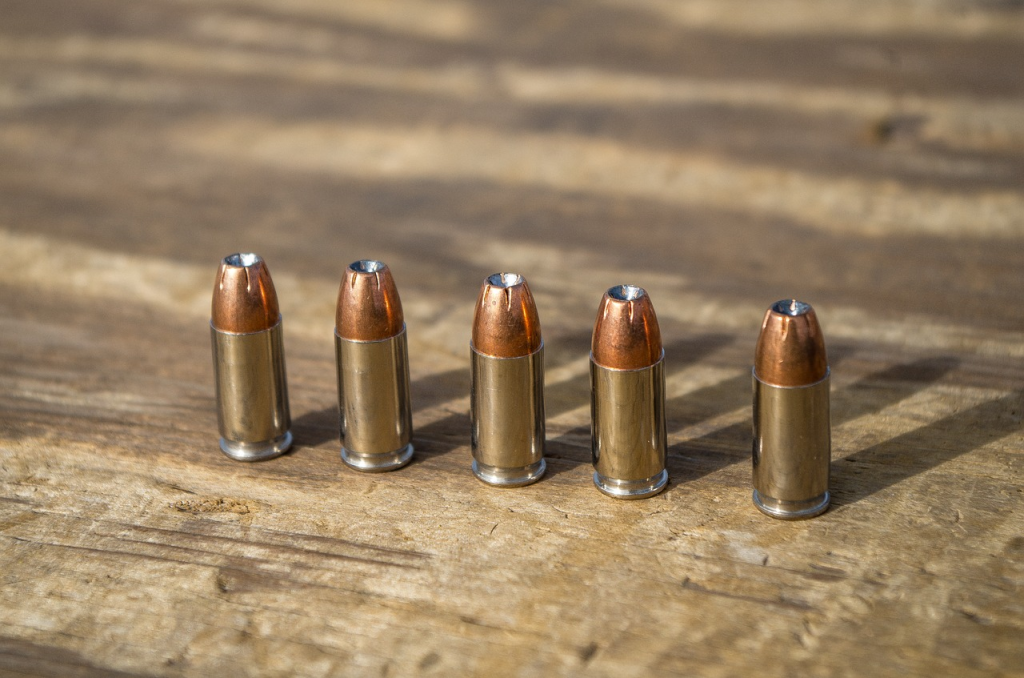
Heavy fabric is not just a minor nuisance in testing. Research on clothed gelatin has shown that barriers can alter when a bullet yaws, deforms, or begins creating its maximum cavity. In faster projectiles this can be dramatic, but even with handgun bullets, clothing can clog hollow points or change the way the nose opens. That is why bare-gel results are often the most misleading numbers in consumer discussions. They are tidy, photogenic, and incomplete.
8. Handgun bullets depend more on penetration and placement than internet debates admit
Modern wound-ballistics work narrowed the field long ago. Incapacitation comes from central nervous system disruption or damage that deprives the brain of oxygen through blood loss and vital-organ trauma. For handguns, that places enormous emphasis on reaching something important rather than producing spectacular energy figures. That is the point many gel viewers miss. A slightly larger mushroom in a clear block does not matter much if penetration becomes marginal, and a modest-looking load that reaches depth reliably may be the more informative test result.
9. Gel has become a consumer shorthand for “stopping power” even though it was never designed for that
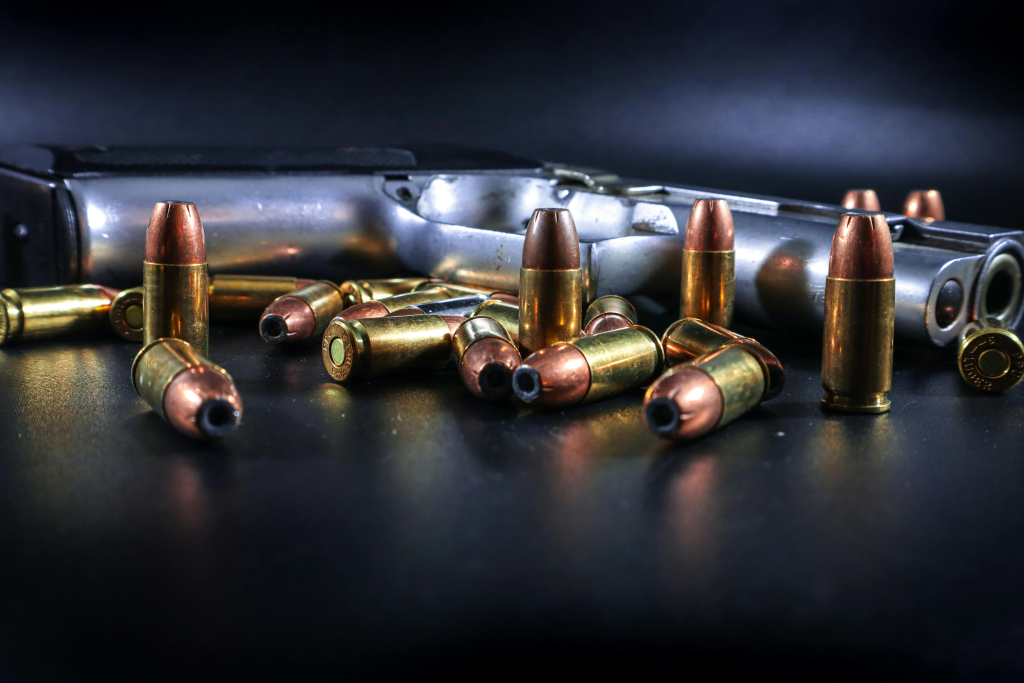
Gel was developed to replace guesswork with controlled comparison. It was not created to settle arguments about one-shot stops or to compress violent human behavior into a chart. Psychological surrender, movement, shot angle, anatomy, and shot placement all sit outside the gel block. Used correctly, the FBI test is still valuable. Used casually, it encourages handgun shooters to overread tiny differences, chase photogenic expansion, and confuse a lab baseline with a complete answer.
The most honest reading of gelatin is also the least exciting: it is a filter. It can identify loads that penetrate adequately, expand consistently, and avoid obvious failure modes in a controlled medium. It cannot tell a shooter exactly what a handgun bullet will do in every body, from every barrel, through every barrier. That is why the famous FBI gel test remains useful to professionals and misleading to enthusiasts at the same time. The test is not the myth. The certainty attached to it is.


