Long-range shooting has a way of exposing every weakness in a setup. A lazy trigger press, an uncertain wind call, or a cartridge that gives away too much velocity too soon all become obvious once targets get small and distances stop being forgiving.
The cartridges on this list earn trust for different reasons. Some do it with high-BC bullets and mild recoil that help shooters stay on target. Others rely on raw speed, heavier bullets, or a balance of reach and practicality that has kept them relevant for decades.
1. 6.5 Creedmoor
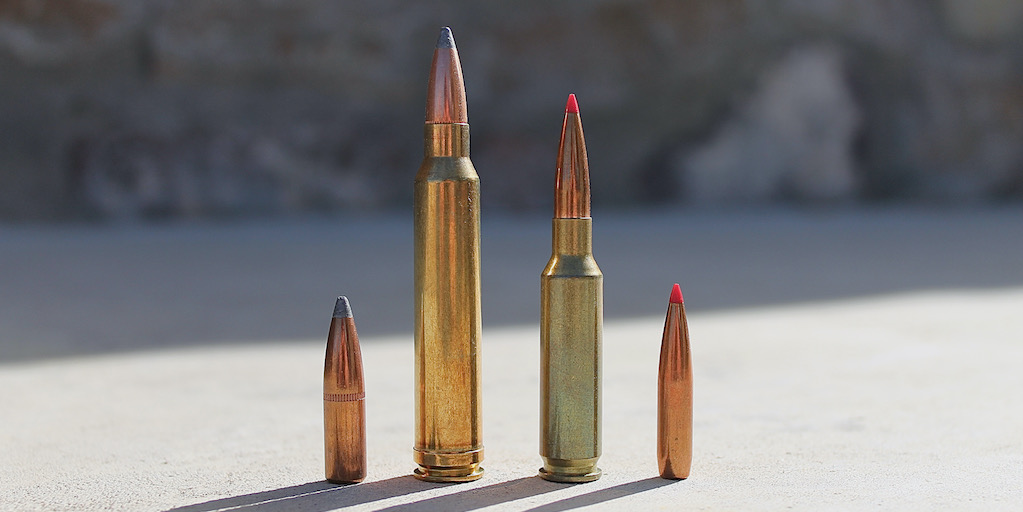
The 6.5 Creedmoor remains one of the most established answers for shooters who want a cartridge that is easy to run well. Its reputation was built on efficient case design, modest recoil, and bullets that hold velocity better than many traditional short-action choices. That combination matters when the wind starts moving shots off center.
Its edge over .308 Winchester at longer range is well documented. In one comparison, a 6.5 Creedmoor load dropped 35 fewer inches at 800 yards than a comparable .308 load, while also showing less wind sensitivity. It also tends to be easier to shoot repeatedly because recoil is lighter, which helps spot impacts and misses instead of losing the sight picture.
2. .308 Winchester
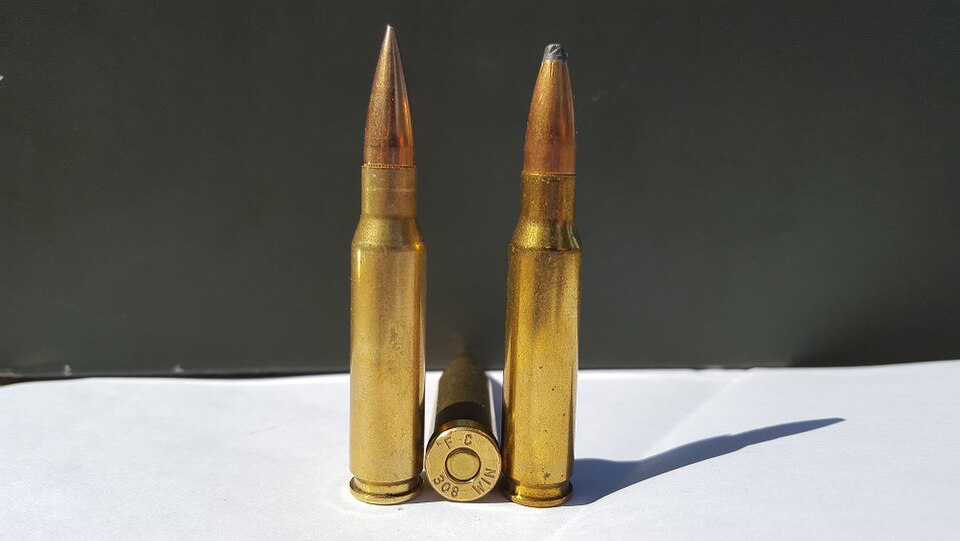
The .308 Winchester stays on serious lists because predictability still counts. It does not win every ballistic comparison, but it offers broad bullet selection, stable real-world performance, and a long track record across target shooting, field rifles, and practical marksmanship.
Inside moderate long-range distances, it remains more capable than internet arguments often suggest. Testing referenced in one head-to-head found no discernable difference at 600 yards on a 12-inch steel target under field conditions. The .308 also benefits from bullet weights that commonly run from 125 to 180 grains in factory form, which gives it uncommon flexibility for shooters who want one cartridge to cover several jobs.
3. 6.5 PRC
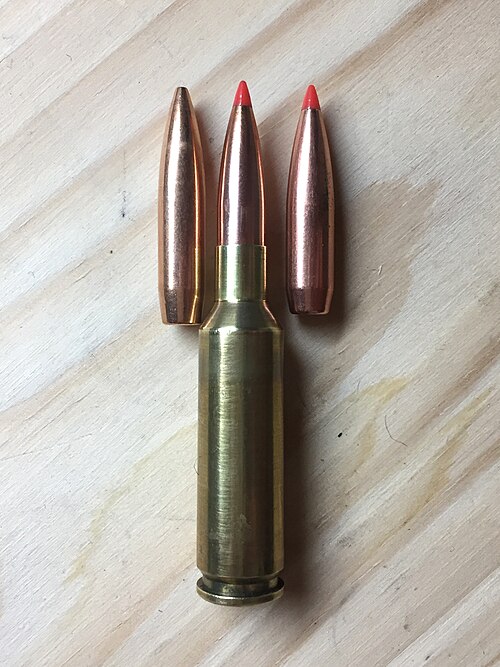
If the 6.5 Creedmoor is the efficient generalist, the 6.5 PRC is the faster, harder-reaching sibling. It was built around long, modern 6.5mm bullets in a short-action package, giving shooters more speed without stepping all the way into the recoil and rifle size of older magnums.
That extra velocity shows up where it matters. A detailed comparison noted that at 1000 yards the 6.5 PRC carried 1643 fps with 258 inches of drop, outperforming a cited .300 Win. Mag. example in both retained speed and trajectory. It is a strong fit for shooters who want flatter flight and reduced wind deflection, but still value manageable recoil and a compact rifle.
4. 7mm Remington Magnum
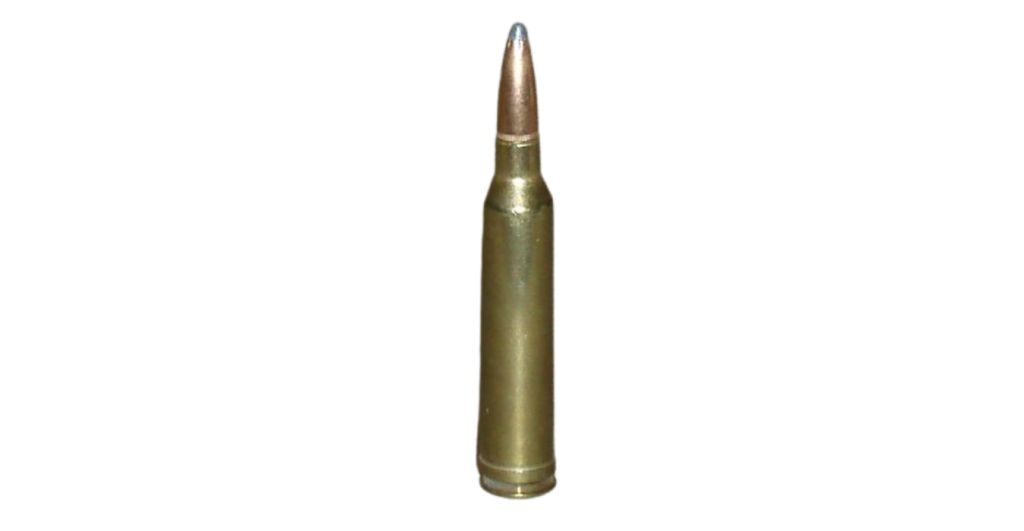
The 7mm Remington Magnum endures because it sits in a useful middle ground. It launches sleek, heavy-for-caliber bullets fast enough to flatten trajectory and cut wind drift, yet it avoids some of the bulk and recoil associated with the larger .30-caliber magnums.
Its staying power comes from that balance. For shooters stretching distance on steel or hunting rifles, the cartridge has enough case capacity to push high-performing 7mm bullets while keeping terminal and downrange numbers respectable. It is one of the classic “do-all” magnums for a reason.
5. .300 Winchester Magnum
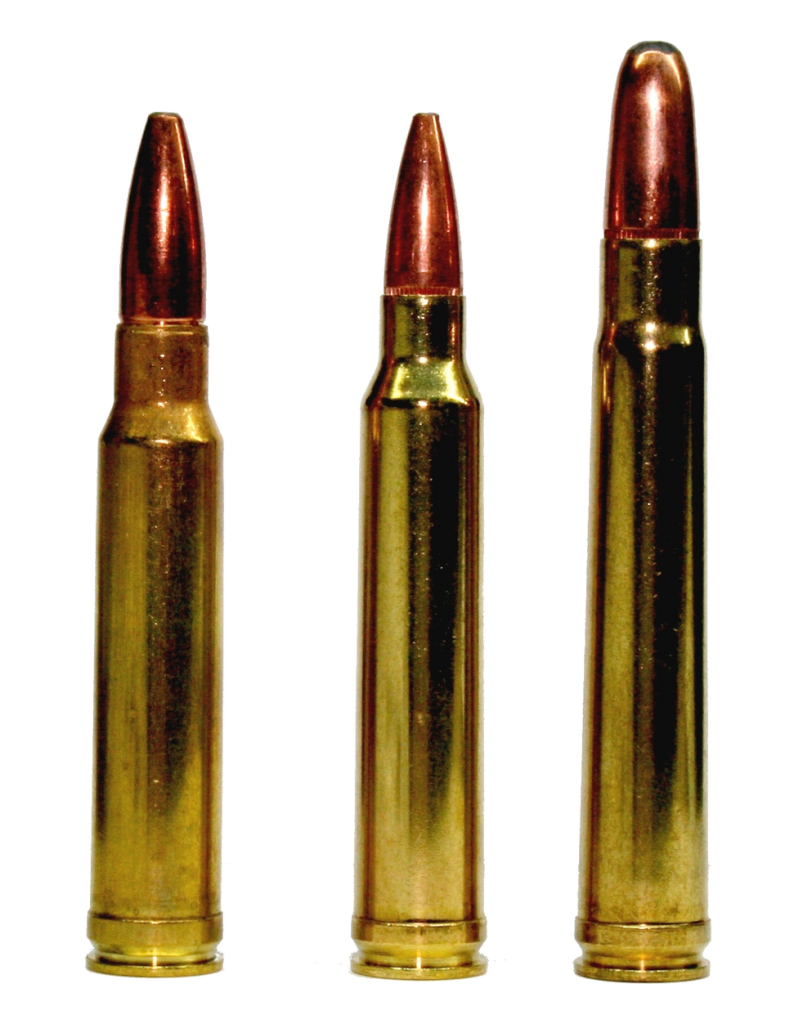
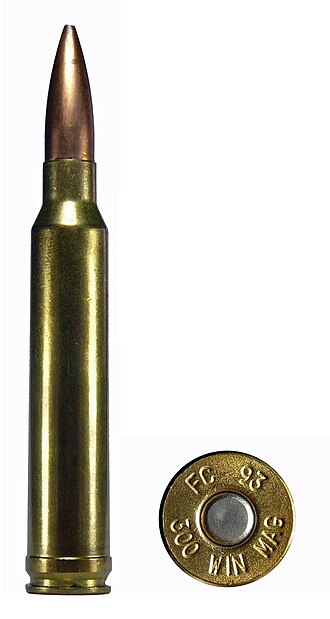
The .300 Winchester Magnum is still one of the default answers when distance and wind become serious problems. Introduced in 1963, it has spent decades proving that a .30-caliber magnum can offer both reach and broad usefulness.
Its appeal is not subtle. A typical 180-grain bullet at roughly 2960 fps gives the cartridge enough speed to stay flat and enough bullet weight to remain authoritative at distance. It also spans a wide range of bullet choices, from lighter projectiles for flatter shooting to heavy 200- and 220-grain options for shooters who want more mass and sectional density downrange.
6. .280 Ackley Improved
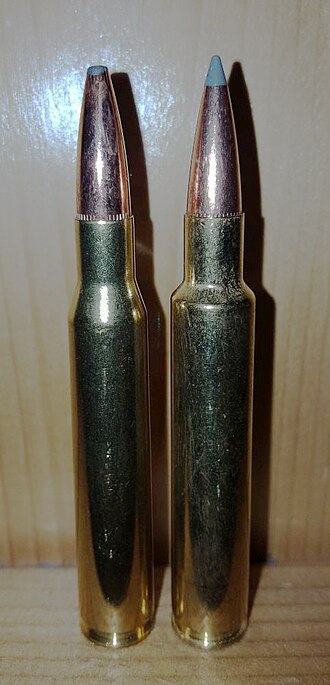
The .280 Ackley Improved has a loyal following because it delivers near-magnum 7mm performance without demanding full-magnum recoil. That makes it unusually appealing to shooters who want a cartridge that is comfortable enough for long practice sessions but still serious at extended range.
Its 40-degree shoulder and reduced body taper help it generate speed efficiently, and it handles a broad span of bullet weights. That versatility matters when a cartridge is expected to work as both a precision tool and a practical field round. It is one of the smoother-shooting ways to get into high-performing 7mm ballistics.
7. 7mm PRC
The 7mm PRC arrived with modern long-range priorities baked in. Fast twist rates, a case shaped for heavy-for-caliber bullets, and magnum-level velocity make it a cartridge designed around what today’s shooters actually value: high BC projectiles that stay stable and resist wind.
It has already shown the ability to bridge ordinary and extreme use. One field account tied it to steel work out to 1,800 yards while also noting practical field shots at much shorter distances. That range of competence is exactly why the cartridge has gained traction so quickly among shooters who want a modern long-range magnum without legacy compromises.
8. 300 Norma Magnum
The 300 Norma Magnum belongs in any discussion that reaches beyond conventional long range and starts leaning toward mile-capable performance. It has become a favored answer for shooters who want elite .30-caliber ballistics with enough bullet selection to tailor a rifle for steel, competition, or demanding field use.
Its strength is simple: high-BC .30 caliber bullets pushed fast enough to rival far larger cartridges in practical downrange behavior. That makes it especially useful where wind calls dominate the problem. It is not a casual cartridge, but it has become one of the serious tools for shooters who intend to work well past ordinary distances.
9. 6mm ARC
The 6mm ARC earns its place from a different angle. Rather than chasing magnum performance, it stretches the AR-15 platform farther than older small-frame options by combining efficient case geometry with long, low-drag 6mm bullets. That formula gives gas-gun shooters real long-range capability without moving up to a larger rifle. Hornady designed it to launch 103- to 108-grain bullets at around 2750 fps from a 22-inch barrel, and the result is a cartridge that trims both drop and wind drift compared with .223 Remington while keeping recoil low enough for rapid correction. In practical positional shooting, that matters as much as raw muzzle numbers.
Trustworthy long-range cartridges do not all solve the same problem the same way. Some, like the 6.5 Creedmoor and 6mm ARC, make precision easier through lighter recoil and efficient bullets. Others, such as the 7mm PRC, .300 Win. Mag., and 300 Norma, use speed and mass to stay authoritative when conditions get difficult. The common thread is forgiveness. When wind is changing and distance magnifies every mistake, the cartridges shooters keep coming back to are the ones that hold velocity, limit drift, and let clean fundamentals show through.


