Firearm history is full of designs that looked clever on paper, solved the wrong problem, or arrived before their engineering was ready. Some failed because of awkward ergonomics. Others ran into reliability problems, dangerous operating quirks, or the unintended consequences of trying to dodge patents, shrink dimensions, or add electronics to a machine that leaves little room for failure.
This list looks at ten designs and design paths that became cautionary tales. The interest is not in scandal or collector mystique, but in what these firearms revealed about mechanical tradeoffs, human factors, and the cost of shipping innovation before it earns trust.
1. Remington R51
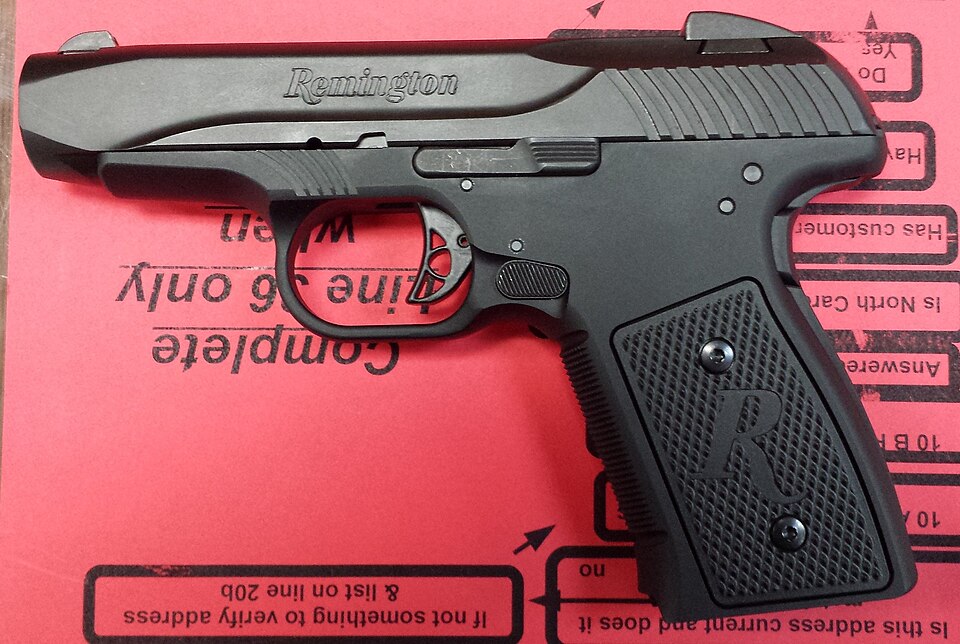
The R51 is a modern example of an old idea struggling in a new role. Remington revived John Pedersen’s hesitation-lock concept from the early Model 51 and packaged it as a slim 9mm carry pistol with distinctive styling and a very low bore line. On paper, that combination promised soft recoil in a compact frame. What followed damaged the pistol far more than any single defect. Early guns developed a reputation for reliability trouble, and the design’s standing sank further after reports of out-of-battery firing. Even owners of later pistols often described magazine sensitivity, ammunition pickiness, or field-stripping procedures that turned routine maintenance into an ordeal. The Gen 2 version improved several issues, but by then the engineering story had already become a trust story.

2. Winchester Model 1911 SL
The Winchester 1911 SL is remembered less for what it achieved than for the compromise that defined it. Because Browning patents covered key elements of competing autoloading shotgun designs, Winchester engineers built around them instead of through them, producing a gun that required the shooter to grasp the barrel and shove it rearward to charge. That choice shaped the gun’s reputation for generations. Combined with period paper shells that could swell and jam, the charging method encouraged hazardous clearing habits, while some examples were associated with slam fire as the action closes. The result was the “Widowmaker” nickname, one of the bleakest labels ever attached to a commercial sporting arm.

3. Armatix IP1 Smart Gun
The IP1 was meant to show how electronics could restrict unauthorized use. Its premise was simple: the pistol would only fire when paired with a nearby watch-like authenticator. That turned a sidearm into a networked access-control device. The problem was that digital control added new failure modes without removing the old mechanical ones. Research published in 2017 showed the system could be defeated with $15 worth of magnets, and separate low-cost radio tools could jam or relay the authentication signal. Once a gun depends on short-range wireless logic, it no longer needs only robust metallurgy and timing; it also needs resilient cybersecurity, interference resistance, and fault behavior that remains safe under attack.
4. Fixed-Magazine Pocket Pistols With Fragile Feeding Geometry
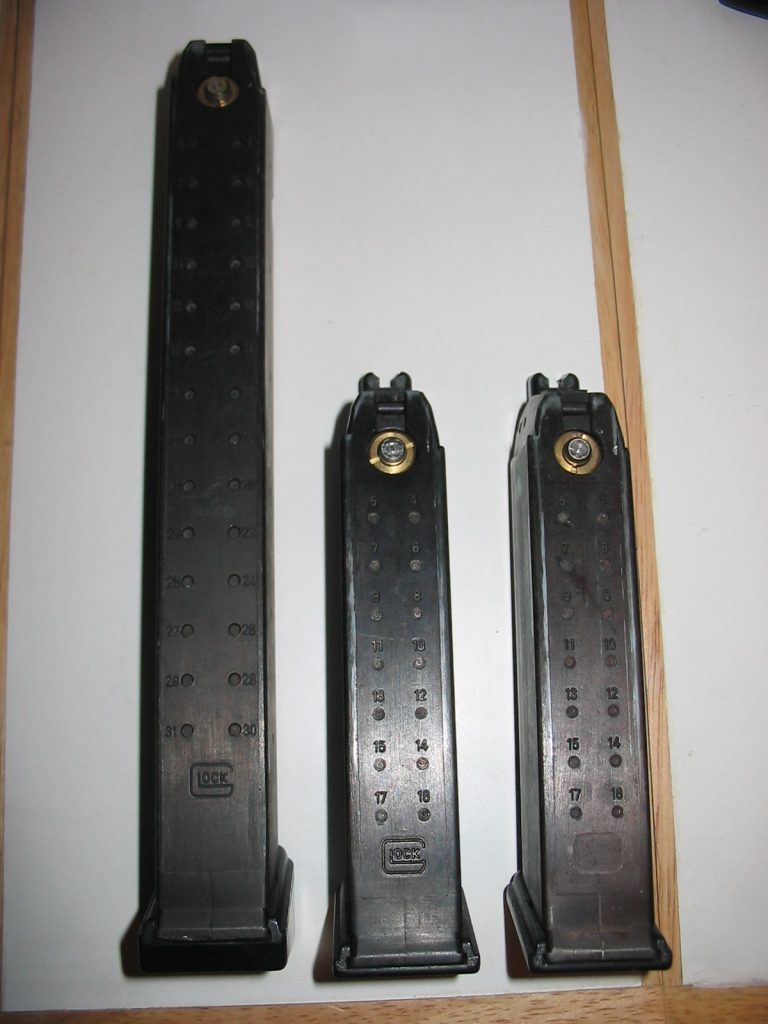
Many compact carry pistols have been undermined by a familiar design mistake: a magazine system that works within a narrow tolerance band and begins to misbehave as soon as spring force, follower shape, or cartridge stack geometry drift slightly. The R51’s reported tendency to choke when fully topped off made that issue unusually visible. It is a small design choice with outsized effects. If the last round changes the stack angle, if the follower is too tall, or if spring tension resists slide movement too strongly, the shooter experiences failures that feel random even when the root cause is built into the geometry. A carry pistol can survive mediocre aesthetics; it rarely survives a reputation for magazine-dependent behavior.
5. Grip-Safety Pistols That Demand a Perfect Hold
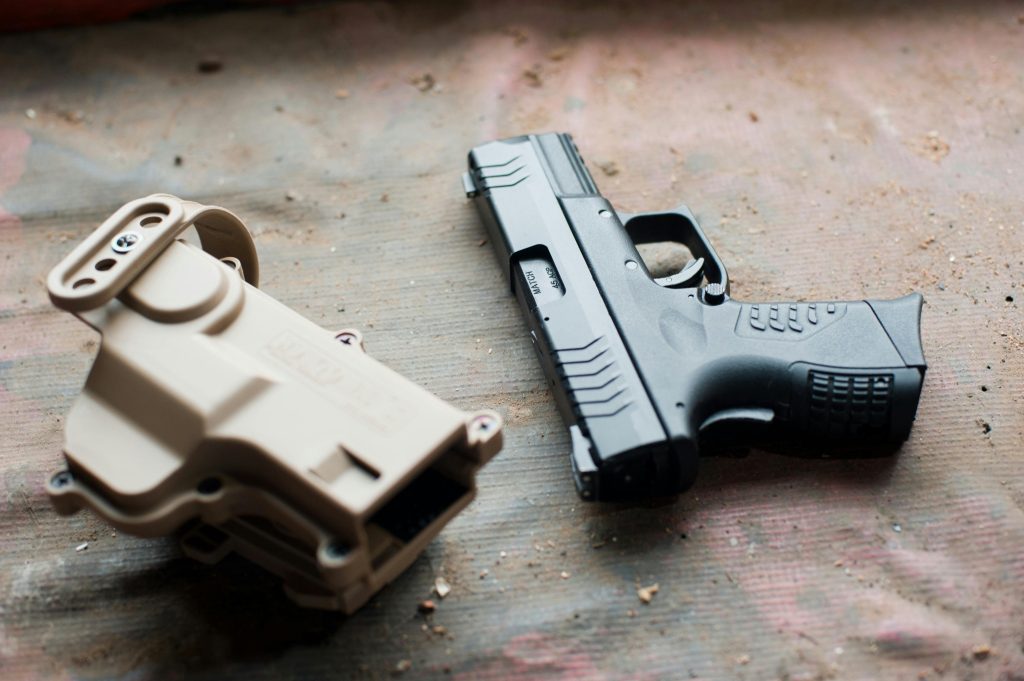
Grip safeties are not inherently flawed, and some of the most respected handguns ever made use them well. Problems emerge when a slim frame, high grip cut, and compact dimensions leave too little margin for inconsistent hand placement. That issue surfaced repeatedly in owner discussion around the R51. Some shooters praised the shape and recoil control, while others found that a less-than-ideal grip could interfere with normal function during firing or handling. In engineering terms, the mechanism may be working exactly as intended. In use, a defensive tool that expects ideal hand geometry every time has already narrowed its own audience.

6. Patent-Avoidance Designs
Some bad firearm designs were not chasing performance at all; they were chasing legal distance from someone else’s patents. The Winchester 1911 SL is one of the clearest examples, but the broader lesson extends beyond that single shotgun. When engineers must route around protected features, the replacement solution can become more awkward, less intuitive, or mechanically weaker than the original idea. That does not guarantee failure, but it raises the odds that the final product will be shaped by legal constraints instead of user needs. Firearms are unforgiving machines, and workarounds have a way of showing up at exactly the wrong moment.
7. Long-Recoil Shotguns With Weak Buffer Systems
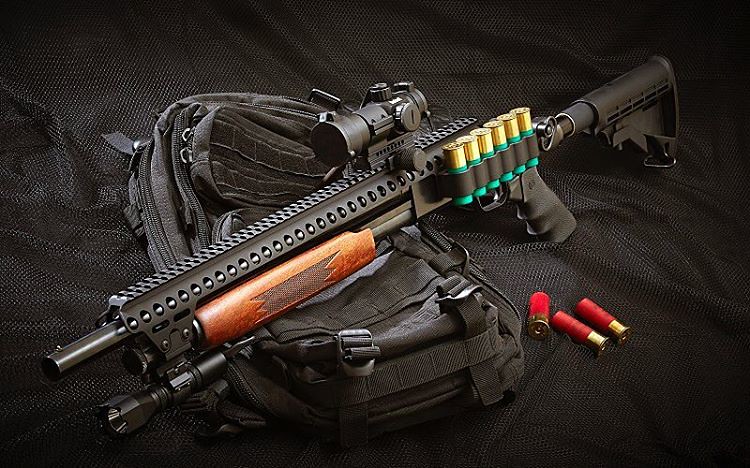
Long-recoil operation can work extremely well, but it puts heavy demands on buffering and energy management. In the Winchester 1911 SL, fiber buffer rings were a known weak link, and wear in that system could lead to punishing recoil impulse and even stock damage. A shotgun can be mechanically functional and still fail in the market if it feels abusive or breaks itself over time. The buffer is not a glamorous part, yet it is often the component standing between a clever operating cycle and a gun that batters wood, hardware, and shooter alike.
8. Stylish Pistols That Prioritize Novelty Over Serviceability
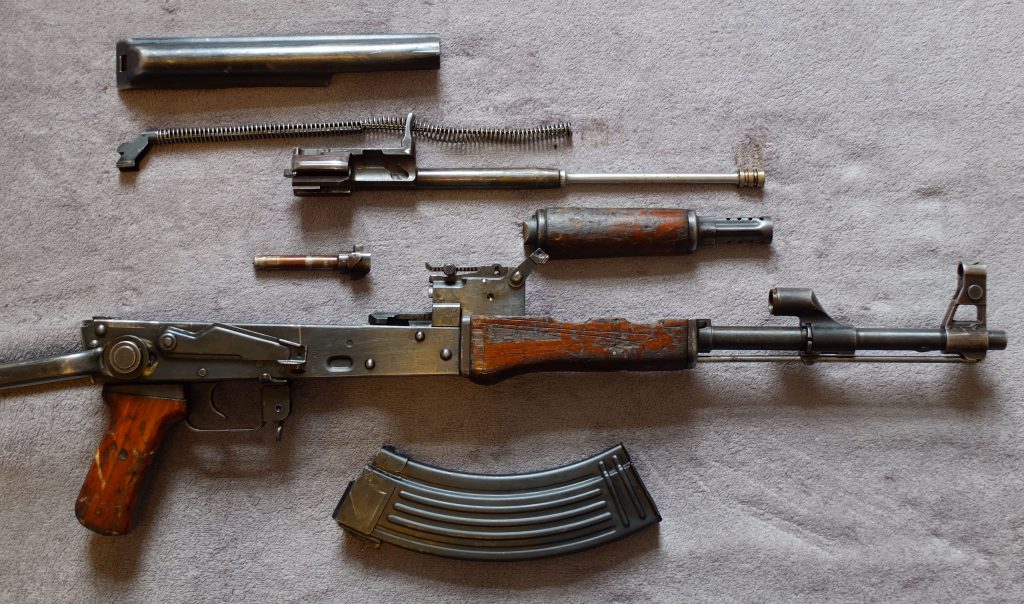
There is a recurring pattern in firearm design: a pistol looks fresh, feels promising in the hand, and wins attention for doing something different, only to lose that goodwill during disassembly. The R51 fit that pattern for many owners, who described takedown and reassembly as disproportionately difficult for a modern sidearm. This matters because maintenance is part of the engineering experience. A handgun that is annoying to field-strip can still survive as a range curiosity, but it struggles as a serious working tool. A design can be mechanically interesting and commercially self-defeating at the same time.

9. Lightweight Frames Paired With Complex Legacy Actions
Updating a historical mechanism with modern materials sounds straightforward. In practice, the interaction between slide mass, frame material, spring rates, magazine timing, and ammunition pressure can become unexpectedly sensitive. The R51’s aluminum-frame, compact 9mm layout placed an old operating principle in a very demanding package. That is the quiet lesson behind many firearm flops. The original concept may have worked in a different caliber, at a different scale, or with a different weight balance. Translating it into a smaller, lighter, more powerful format is not preservation. It is redesign, whether the marketing admits it or not.
10. Guns That Turn Users Into Beta Testers
The most damaging backfire is not always a broken part. Sometimes it is the feeling that buyers are finishing development in public. The R51 became shorthand for that problem after its launch, and its reputation lingered even after later revisions addressed some faults. Once shooters begin trading home fixes, diagnosing follower length, sanding parts, or debating whether springs merely need “breaking in,” the design has already crossed an important line.
Reliability is no longer assumed; it is negotiated. In a category built on confidence, that is a hard condition to reverse. These firearms did not all fail for the same reason. One was compromised by patents, another by electronic vulnerability, and another by the difficulty of modernizing a legacy action for a very different mission. Yet they point to the same engineering truth: cleverness is not enough. When operation is awkward, tolerances are too tight, maintenance is punishing, or trust collapses after release, the market usually remembers the flaw more vividly than the idea behind it. In firearm design, backfire often starts long before the trigger is pulled.


