Optics-ready handguns no longer revolve around a simple slide cut and two screws. In modern red-dot pistol design, reliability increasingly depends on small engineering decisions that spread recoil, control tolerances, reduce mounting height, and make installation mistakes less likely. That shift has changed the pistol itself. What once looked like an accessory feature is now treated as a structural system built around an optic expected to stay on the gun through thousands of slide cycles.
1. Mounting cuts now carry recoil instead of leaving it to the screws
One of the most important changes is invisible after the optic is installed. Older mounting setups often forced small screws to absorb too much of the reciprocating load from the slide, turning fasteners into primary structural parts. That arrangement worked until tolerance stacking, poor plate fit, or repeated firing introduced tiny movements that gradually stressed the hardware.
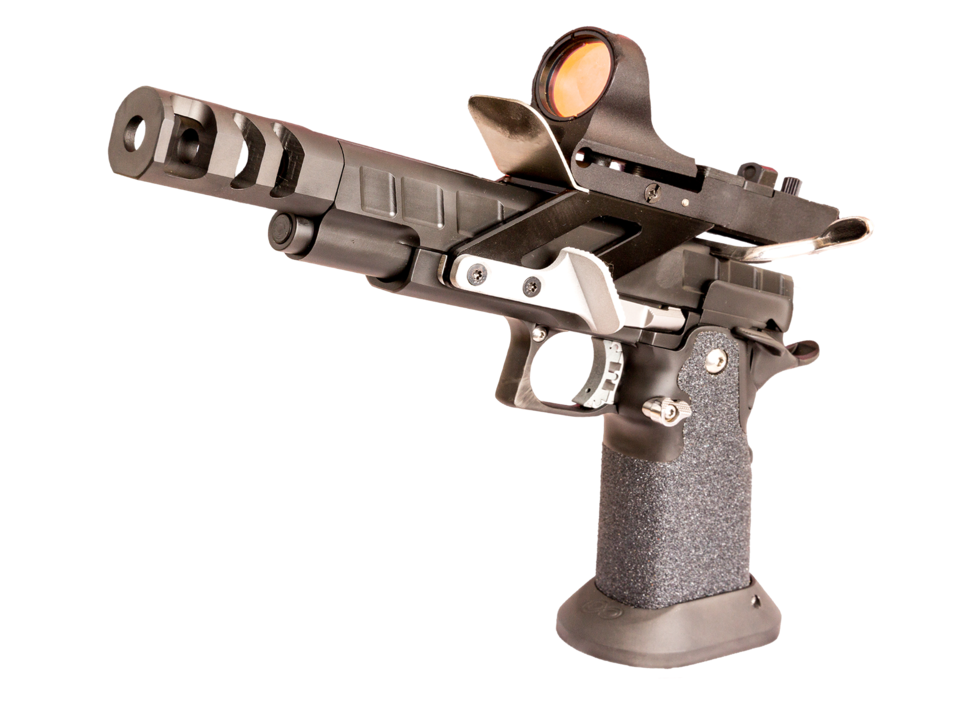
Newer designs increasingly use mechanical engagement surfaces that let the slide itself absorb more recoil force. Rail-like cuts, dovetail interfaces, and closely fitted bosses turn the optic pocket into a load path rather than a flat shelf. The logic behind the AOS dovetail cut reflects that trend, with more bearing surface and less dependence on screw shanks alone.
2. Lower deck height reduces leverage across the whole sighting system
Height matters more than appearance suggests. When an optic sits high above the slide, it adds leverage to the mounting point and pushes other parts of the pistol to compensate, including taller backup irons, altered holster clearance, and a less natural index during presentation. Designers have responded by chasing lower-profile interfaces and enclosed optics that sit closer to the bore line. A lower optic reduces the bending forces acting on the mount and helps preserve a more familiar sight picture. The push toward low-profile mounting is not cosmetic; it is a direct reliability improvement because lower leverage generally means less stress at the interface.
3. Recoil lugs and locating posts are handling micro-movement before it grows
Many persistent zero problems begin as tiny shifts too small to notice by eye. Under recoil, that micro-movement can peen screw holes, loosen hardware, or gradually walk an optic out of alignment. Manufacturers now add recoil bosses, indexing posts, and lug features specifically to stop that motion. SIG describes its system by noting that SIG-LOC optics contain their own recoil bosses that index into matching holes in the slide, while removable recoil pins can assist alignment with some traditional optics. That approach gives the optic defined mechanical reference points, reducing the chance that screws alone must maintain position under repeated slide velocity.
4. Plate systems are being treated like precision components instead of accessories
Adapter plates used to be the part most likely to be dismissed until something came loose. In practice, plate flatness, recoil lug engagement, screw depth, and thread quality can determine whether a pistol holds zero or slowly develops movement that gets blamed on the optic.
That has forced factory engineers to tighten the whole stack-up. Better thread engagement, clearer hardware segregation, more consistent plate dimensions, and more deliberate cut geometry all aim to keep the plate from becoming the weak link. The plate is still removable, but it is no longer treated as disposable filler between the slide and the sight.
5. Slide mass and serration layout are being tuned for enclosed optics
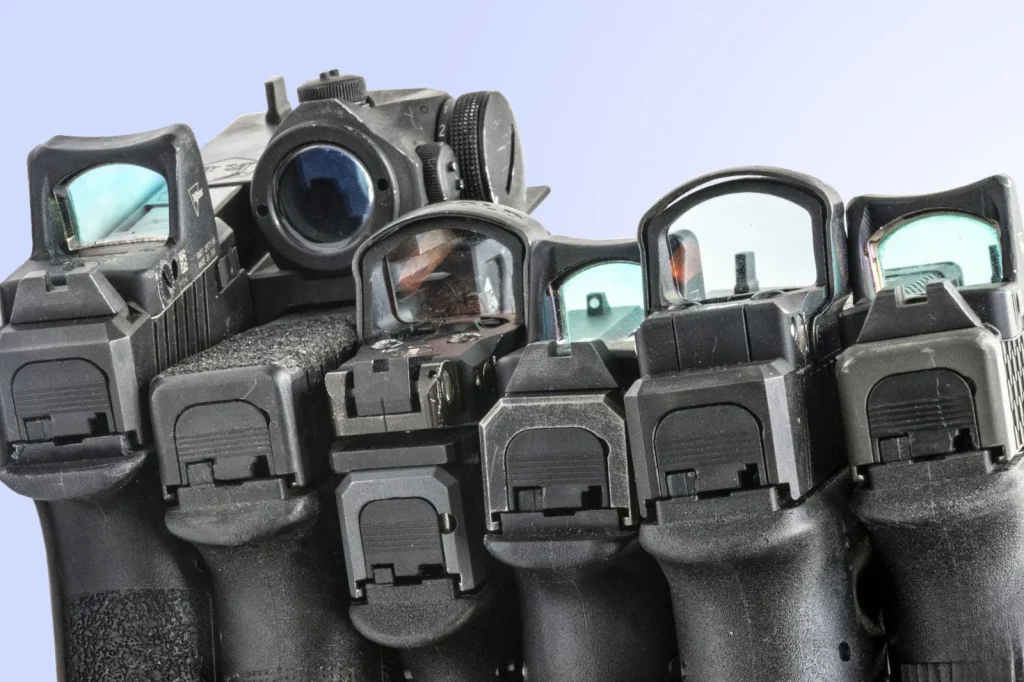
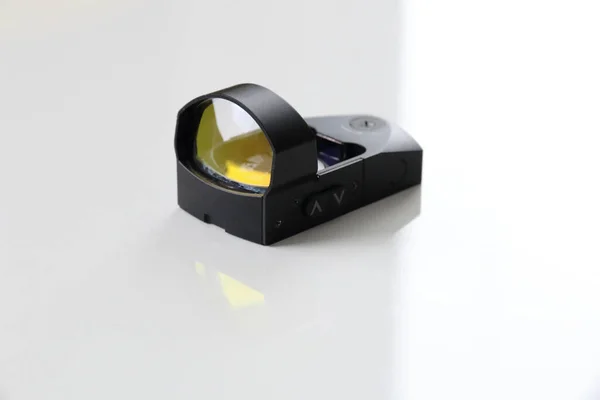
Enclosed emitters brought a reliability advantage in harsh environments, but they also changed the pistol’s moving mass. Different optic shapes and weights affect how much material can be removed from the slide, where serrations can be placed, and how the slide behaves during cycling.
That has led to more deliberate slide engineering. Designers now shape cuts and cocking serrations around an optic expected to remain installed full time, especially as enclosed emitter optics become more common. Reliability here does not come from the optic alone; it comes from matching slide geometry, retained mass, and handling surfaces to the added hardware riding on top.
6. Installation discipline is being designed into the system
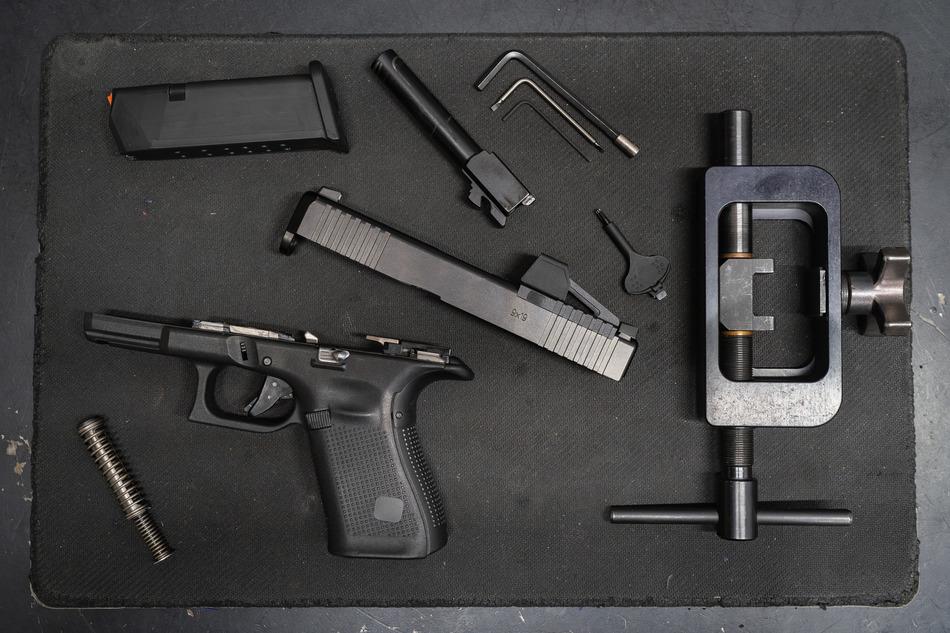
The most elegant mount can still fail if the screws are wrong, too long, under-torqued, or assembled without thread locker. That reality has pushed manufacturers to reduce user error through better hardware kits, clearer torque guidance, and interfaces that are harder to assemble incorrectly. SIG’s installation guidance is unusually direct: “Apply fresh thread locker to the mounting screw threads,” then use a torque wrench and allow the thread locker to cure for 24 hours before shooting. That kind of instruction reflects a larger design trend. Modern red-dot pistols are being built with the assumption that maintenance behavior is part of the reliability equation, not something separate from engineering.
These fixes are subtle because most of them disappear once the optic is mounted. A buyer sees the window and the footprint, but the real durability story lives in thread depth, bearing surfaces, recoil indexing, slide mass, and how much force the screws are no longer being asked to carry. That is why red-dot pistols have become more dependable without looking radically different. The category matured when manufacturers stopped treating the optic as an add-on and started rebuilding the handgun around it.


