Regret in big-game hunting rarely starts with a headstamp alone. It usually starts when a cartridge is asked to do more than the bullet, impact speed, and shot angle can reliably support. That is why some rounds earn loyal followings on deer-sized animals but still leave hunters second-guessing them when elk, moose, or similarly tough game enters the picture.
The pattern across experienced discussions is consistent: bullet construction matters, shot placement matters, and recoil tolerance matters. But so do margins. On larger animals, cartridges that work on paper can become disappointing when the presentation is poor, the range stretches, or penetration has to hold together through shoulder, ribs, and a deep vital path.
1. .223 Remington
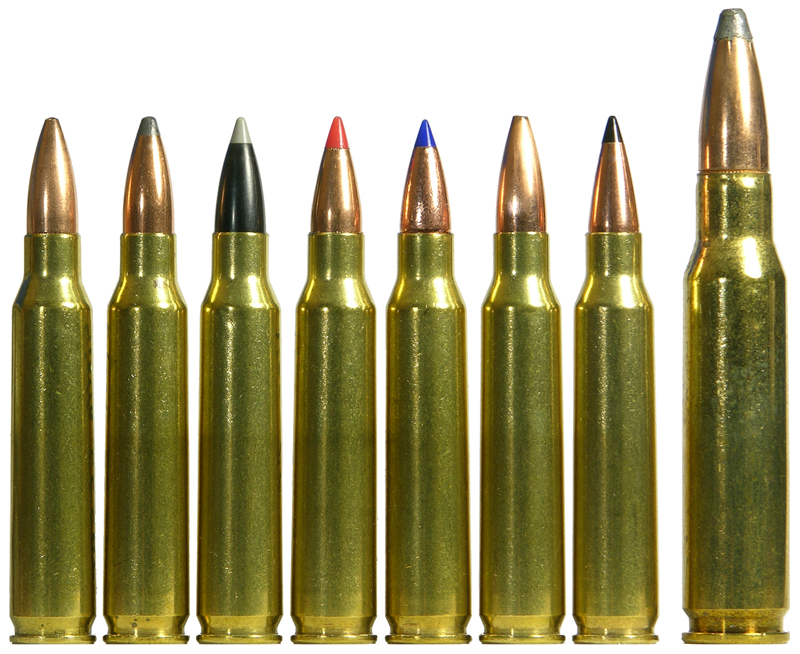
The .223 Remington has built a serious modern reputation because today’s heavier .224 bullets can perform far beyond old assumptions. Outdoor Life noted that many heavier .223 hunting loads remain in a dependable performance window to 300 yards on deer-sized game, and Shooting Times documented striking field results with 77-grain TMK loads on larger animals.
Even so, this is the caliber many hunters regret when “capable” gets confused with “forgiving.” On broadside shots with disciplined range limits, it can work. On quartering angles, heavy bone, or hunts where a strong blood trail matters, the small bore leaves less room for error. The regret often comes after a hit that looked acceptable but did not produce the immediate penetration or exit the hunter expected.
2. .243 Winchester
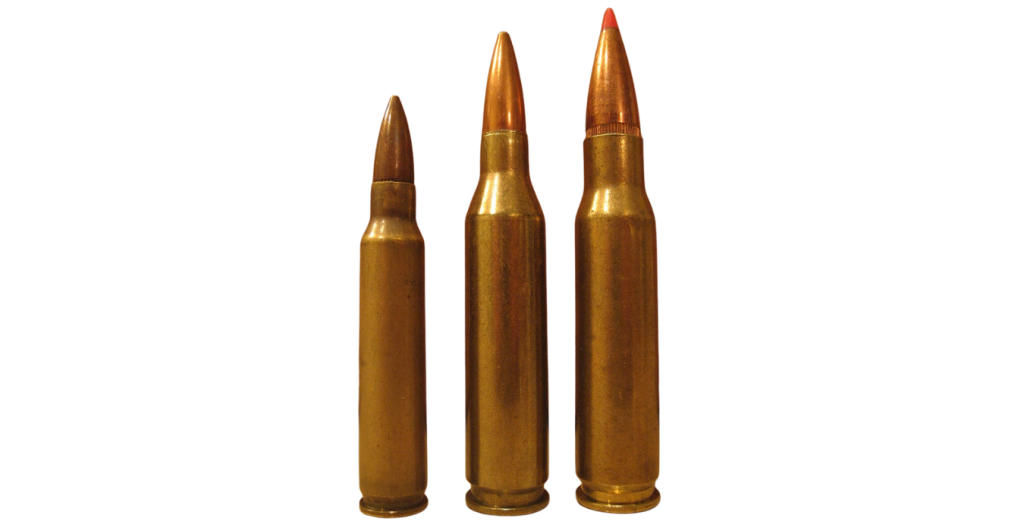
The .243 Winchester may be the classic example of a cartridge that performs beautifully on deer and starts arguments the instant moose or elk are mentioned. In one Rokslide discussion, hunters pointed to successful kills with a 95 TTSX and other modern bullets, while others stressed that favorable shot presentation is doing much of the heavy lifting.
That is where disappointment enters. A .243 can kill very large animals, but it tends to demand a cleaner setup than many hunters actually get in the field. When the animal turns, the angle steepens, or the bullet has to drive farther than planned, the cartridge’s narrow margin becomes obvious. Hunters who use it on once-in-a-lifetime hunts often end up wishing they had brought something with more bullet weight and more penetration reserve.
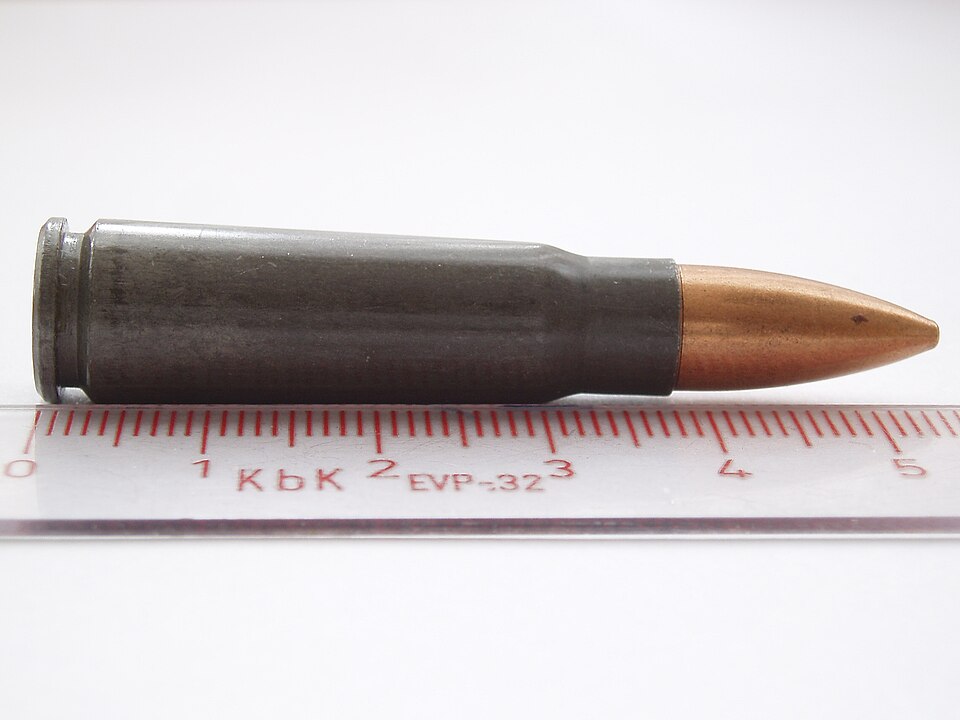
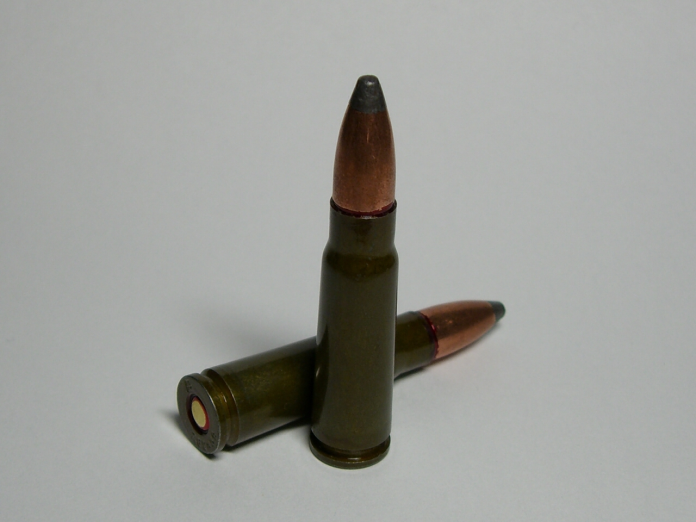
3. 7.62×39
The 7.62×39 is easy to like because it hits harder than small varmint rounds at short range and has a long history in rugged rifles. But for big game, its practical ceiling arrives sooner than many hunters want to admit. One ballistic overview placed the average range where common 7.62×39 hunting loads still carry 1,000 ft-lbs at roughly 163 yards.
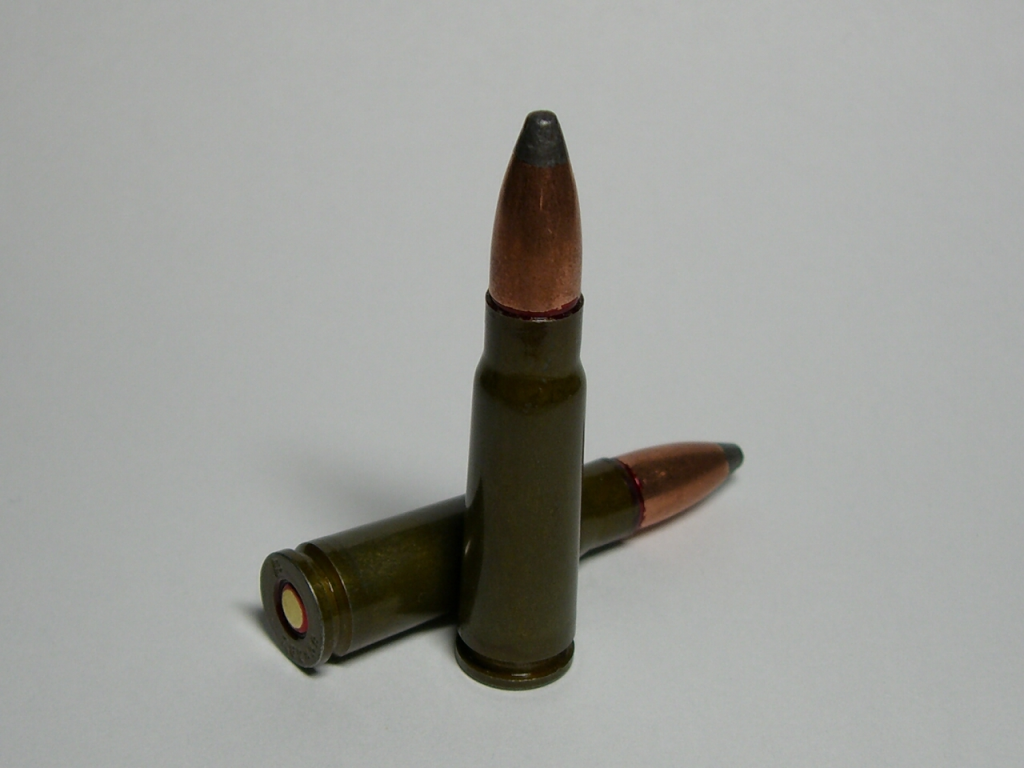
That does not make it useless. It does make it easy to overestimate. Hunters who treat it like a general-purpose woods round are usually fine inside modest distance. Hunters who stretch it on larger-bodied animals often regret the rainbow trajectory, limited downrange authority, and reduced margin for less-than-ideal hits. It is a cartridge that can work, but rarely flatters indecision.
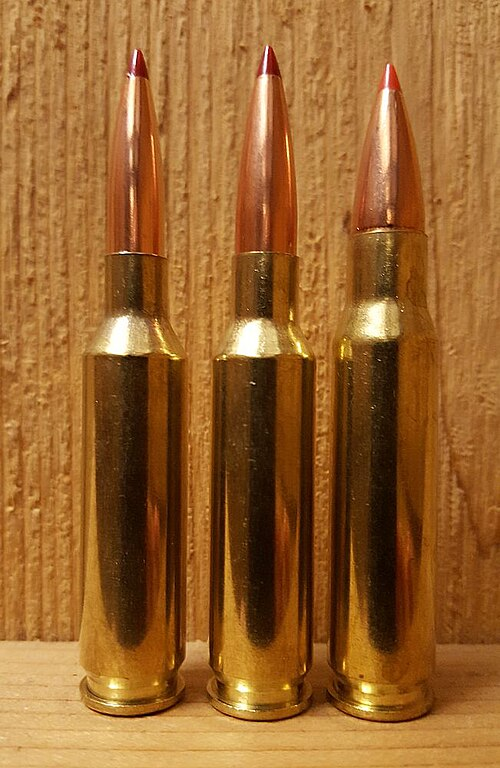
4. 6mm Creedmoor
The 6mm Creedmoor is fast, accurate, and easy to shoot well, which explains why some hunters try to push it into big-game roles that belong to heavier bores. Its strong point is precision. Its weak point, on larger animals, is that precision has to stay married to the right bullet and the right impact conditions.
That combination is not always maintained in the field. Lightweight 6mm bullets can produce dramatic internal damage when velocity is high and the angle is clean, but big game has a habit of presenting less cooperative realities. Regret tends to show up when a cartridge optimized for low recoil and sleek trajectory is expected to deliver deep, consistent penetration through tougher structures. On paper it looks modern and efficient; in rough country, many hunters end up wanting more bullet.
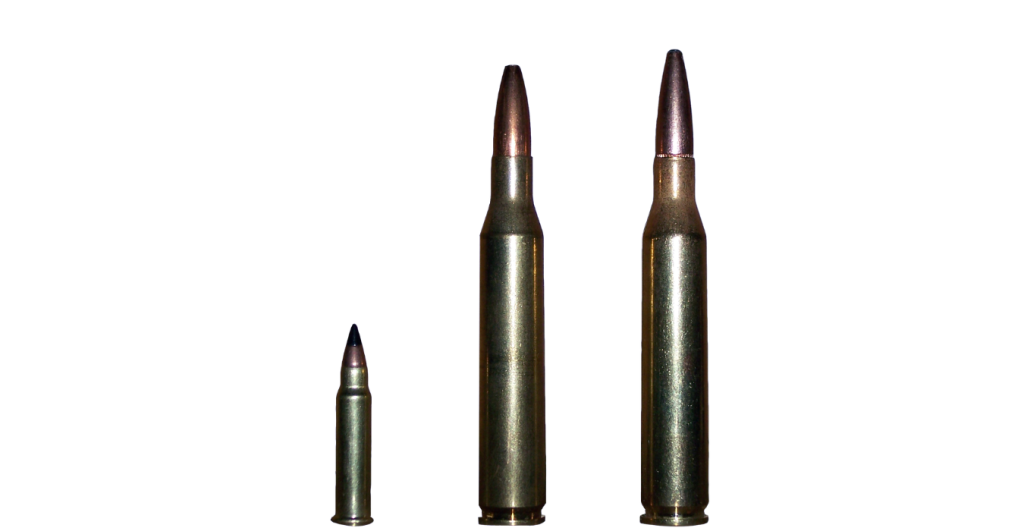
5. .25-06 Remington
The .25-06 Remington has long been admired as a flat-shooting crossover round, especially for open-country deer and antelope. The trouble comes when that same speed encourages hunters to treat it like a full-bore elk cartridge. With controlled-expansion bullets and disciplined shot choices, it can do the job, but it is not especially forgiving.
Its regrets usually sound familiar: great hit, poor blood, longer tracking job than expected. Fast quarter-inch bullets can kill cleanly, but they do not always leave the kind of wound path hunters want on heavier game. The .25-06 often disappoints not because it is ineffective, but because expectations get inflated by its trajectory and field accuracy.
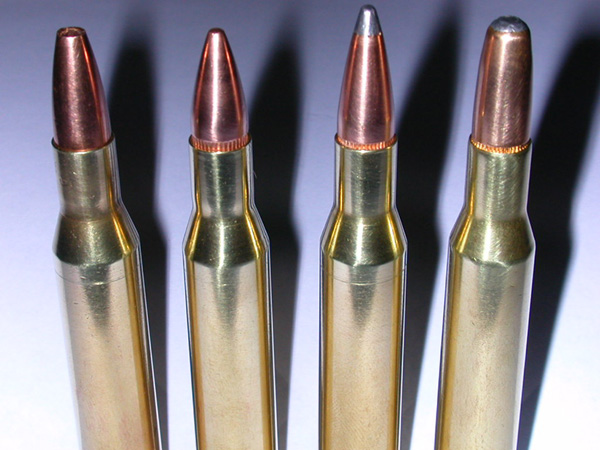
6. .270 Winchester with light, fast bullets
The .270 Winchester itself is not a regret cartridge. In fact, it remains one of the most proven big-game rounds ever built. The regret shows up when hunters pair it with lighter bullets chosen more for speed than for penetration on large animals.
That distinction matters. In the broader energy debate, experienced hunters repeatedly emphasize that bullet behavior matters more than raw charts. One Long Range Hunting discussion argued that shot placement is the most critical, but also stressed the need for enough mass and penetration to break through and destroy vitals. A .270 loaded with tougher 150-grain class bullets has a different personality from one loaded for explosive deer performance. Hunters who blur those roles are the ones who tend to regret it.
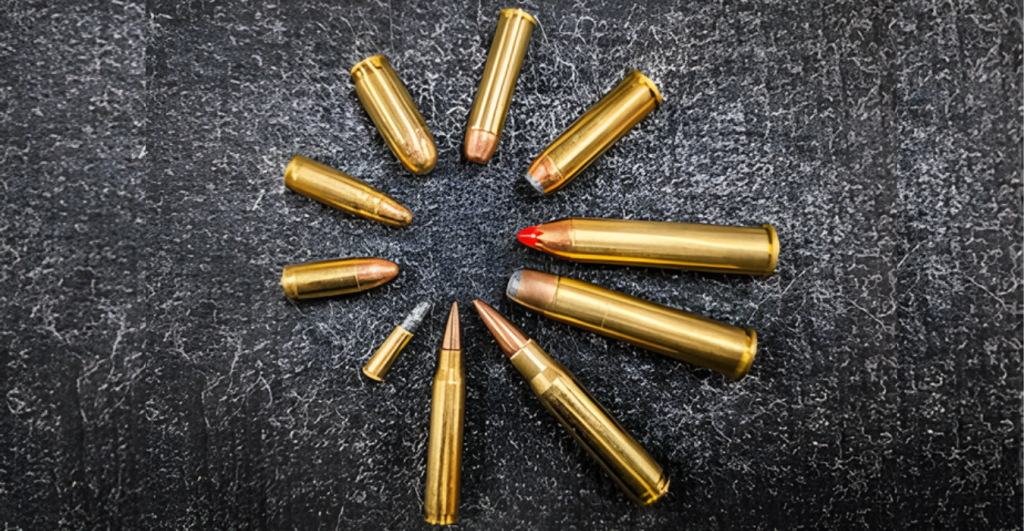
7. Magnum cartridges chosen only for power
This category sounds backward, but many hunters regret carrying too much rifle just as much as too little. Overpowered magnums do not fail because they lack terminal effect. They fail because recoil reduces practice, slows follow-up shots, and can make field shooting worse than it needs to be.
The references repeatedly circle the same truth: a cartridge that encourages accurate shooting is worth more than one that only looks impressive in a ballistic table. Bigger rounds can add valuable margin on large game, especially when angles are tough. But if the shooter flinches, shoots less, or struggles to spot impacts, that extra margin evaporates. The regret is not in owning a magnum. It is in choosing one that the hunter cannot use as well as a milder rifle.
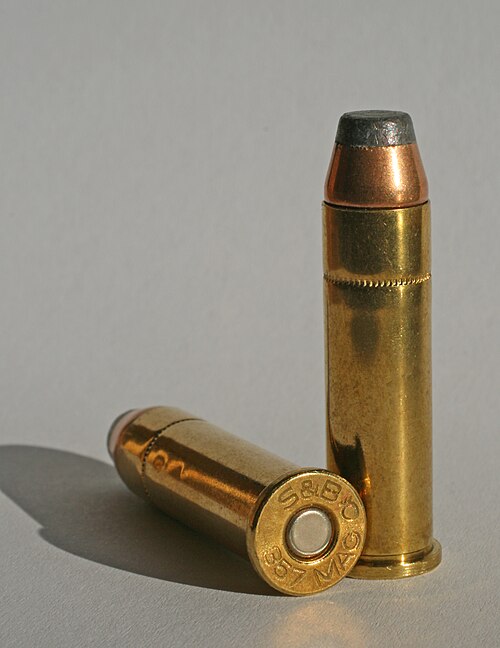
The common thread is simple. Hunters rarely regret using enough cartridge, enough bullet, and enough practice. They do regret assuming that velocity, energy numbers, or internet anecdotes can replace realistic limits in the field. Big-game performance is less about caliber myths than about matching bullet design, impact speed, and recoil tolerance to the animal and the shot. That is where satisfaction usually starts, and where regret usually stays away.


