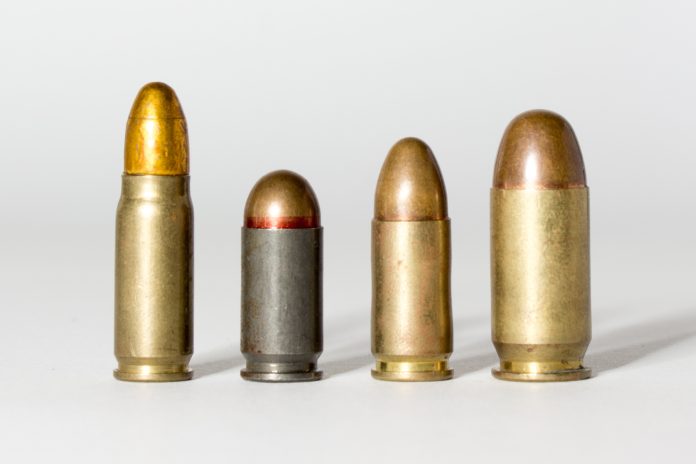
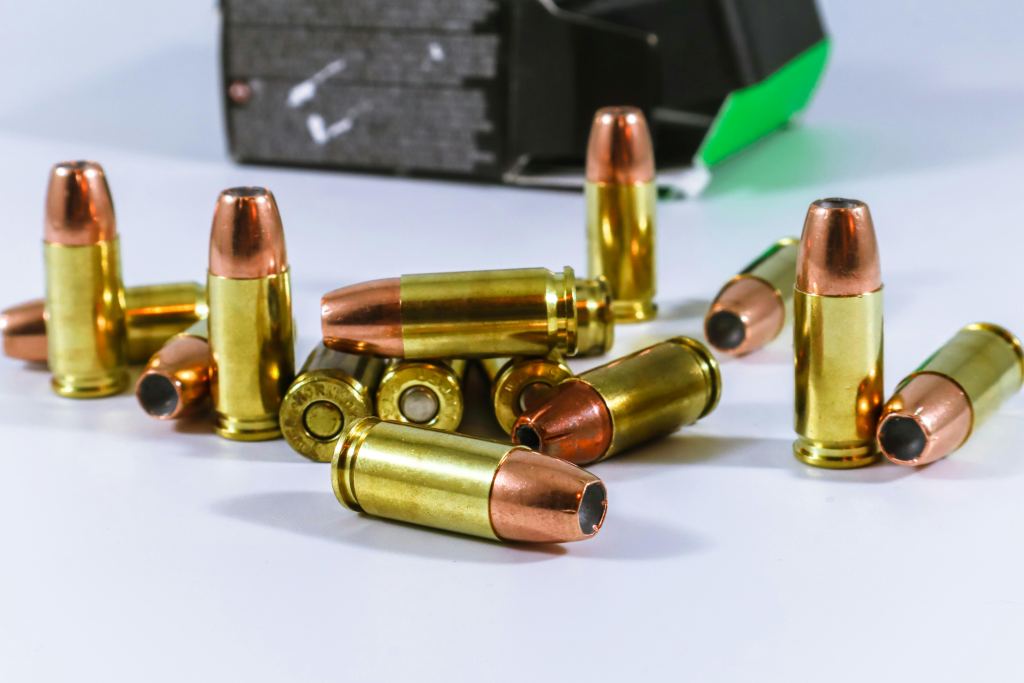
Handgun cartridges can look sensible on paper and still come up short once repeatable testing enters the conversation. That is the tension behind defensive ammo standards. Handguns already operate with limited margin for error, so rounds that shed penetration, depend on perfect angles, or change behavior dramatically in short barrels leave less room for clothing, bone, and imperfect shot placement. The benchmark many engineers and testers still orbit is the 12-to-18-inch penetration range in calibrated gelatin.
These seven calibers keep showing up in pocket pistols, older revolvers, novelty formats, and nostalgic debates. The problem is not that they are unknown or unusable. It is that each one carries a tradeoff that becomes harder to ignore when penetration and consistency get treated as the main event instead of the sales pitch.
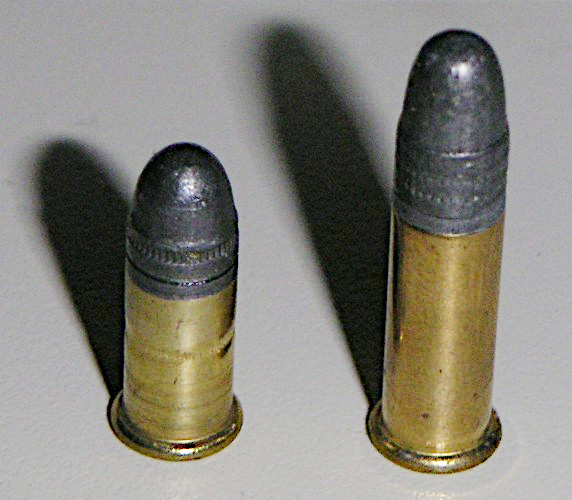
1. .22 Short
The .22 Short survives because it is tiny, soft-shooting, and easy to understand. It also belongs to an era when expectations for small handguns were very different. In modern defensive terms, the cartridge gives away too much performance before the bullet even leaves the muzzle. The small case and light projectile limit depth, especially once heavy clothing, rib angles, or intermediate bone enter the picture. Handgun bullets do not carry much excess capability to begin with, and this one has even less margin to spare. A round can be historically important and still be a poor fit for a standard built around reaching vital structures under imperfect conditions.
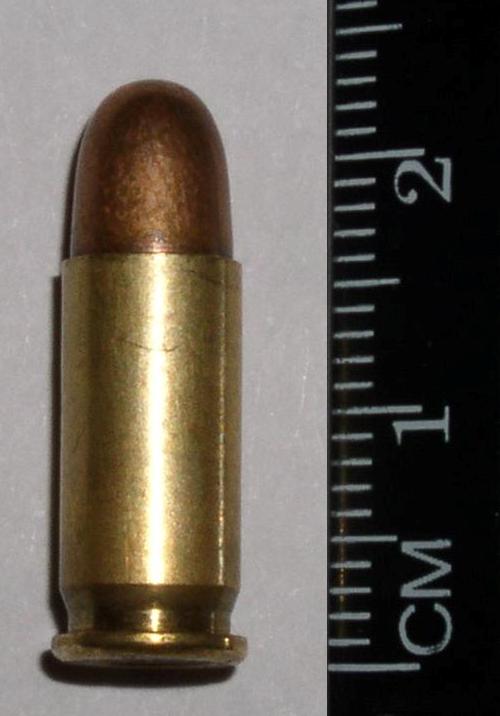
2. .25 ACP
.25 ACP earned respect for one practical reason: centerfire ignition in very small pistols. That was a real advantage over tiny rimfires, and it still explains the cartridge’s staying power. Its weakness is the same one that keeps surfacing in pocket-gun gel work. Depth often lands just shy of where modern standards want it. In one set of testing on small defensive calibers, only one load consistently pushed all five rounds past roughly 11 inches. That is the kind of near miss that sounds acceptable until the target is turned, layered up, or partly obscured.
3. .32 S&W
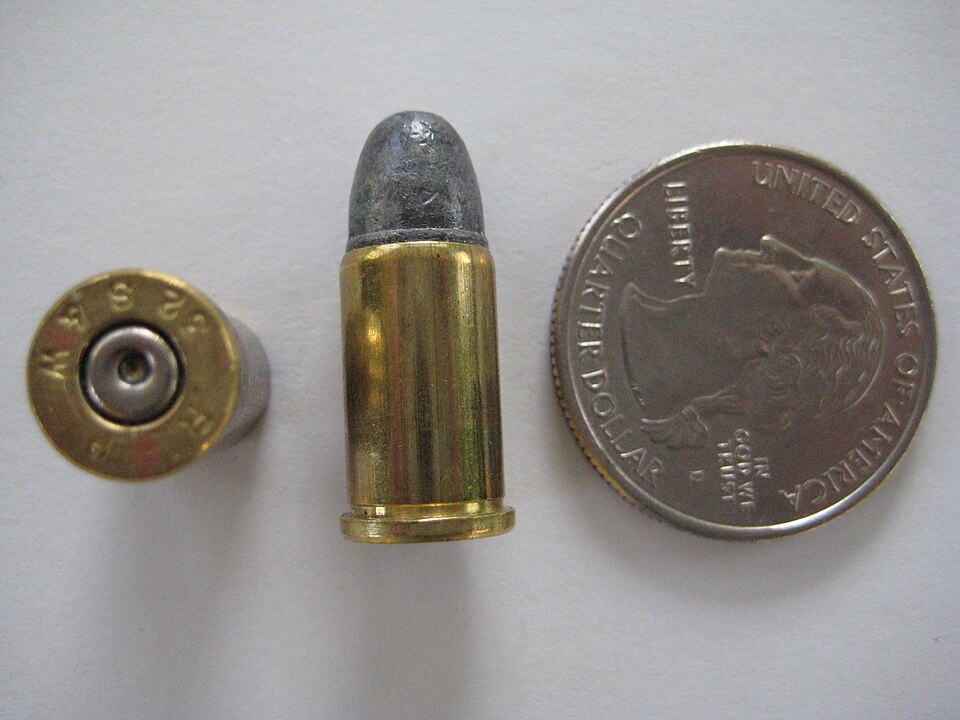
The original .32 S&W was once a sensible revolver cartridge for a slower, older handgun world. Today it mostly lives on in inherited revolvers and collector interest. Its problem is not mystery; it is math. Compared with later .32-family cartridges, the original round lacks the velocity and energy reserve that newer defensive standards demand. That is one reason cartridges like .32 H&R Magnum and .327 Federal Magnum gained traction with shooters who wanted manageable recoil without giving up so much terminal effect. In that family, the oldest member is also the least equipped for barrier resistance and consistent depth.
4. .410 Bore From a Handgun
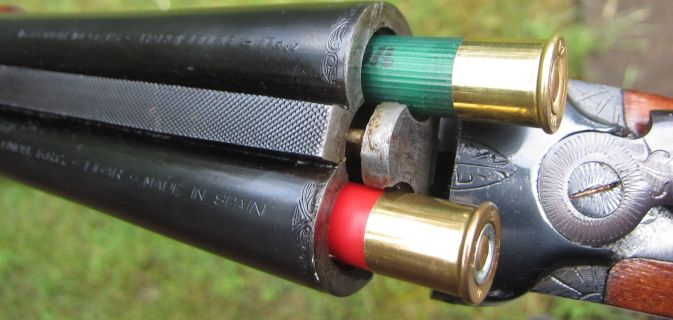
The attraction here is obvious: multiple projectiles, a wide pattern, and the belief that a handgun can borrow some shotgun forgiveness. Short barrels and rifling complicate that promise fast. Pattern spread does not automatically translate to useful terminal performance, and load choice becomes everything. Birdshot is where the illusion falls apart quickest. One commonly cited test series reported birdshot penetration of about 7 inches in water at close range, while buckshot and slugs went much deeper. Even with the better loads, the handgun format can erase the easy confidence people expect from a shell marked .410.
5. .22 LR in Defensive Handguns
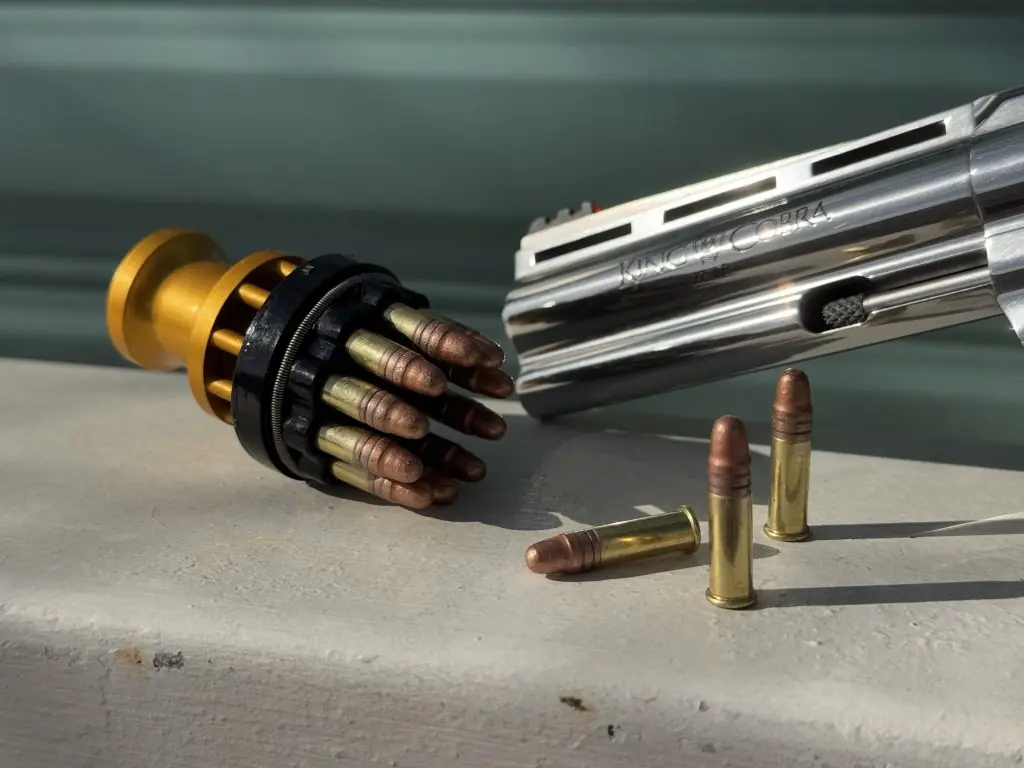
.22 LR is affordable, common, and easy to shoot well. Those strengths are real, which is why the cartridge remains so tempting in tiny pistols and revolvers. Its defensive weakness comes from two separate penalties. First, it is rimfire, which carries a reliability disadvantage compared with centerfire ignition. Second, short handgun barrels can cut velocity enough to make penetration and expansion highly load-dependent. Test data on compact pistols has shown that even small barrel-length changes can matter; one comparison recorded an average 126 fps increase going from a 1.9-inch to a 4.4-inch barrel. For a cartridge this small, that difference is not trivial.
6. .380 ACP With FMJ
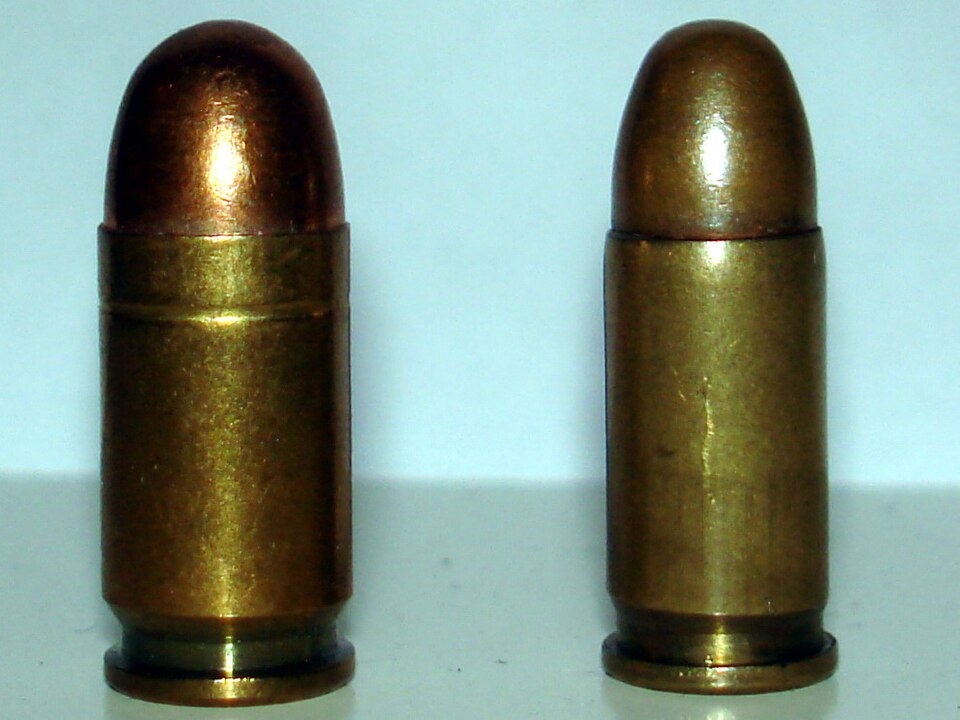
.380 ACP sits near the bottom edge of what many shooters consider a serious defensive semi-auto caliber. It can work, but it does not offer much spare room. That is why the common FMJ workaround is so shaky. Non-expanding bullets can gain depth, but that does not guarantee balanced performance. Some .380 loads reach the minimum window, yet the caliber often runs close to the floor, especially in short barrels and through clothing. In one side-by-side cloth-barrier gel comparison, a .380 load penetrated 12.4 inches while a 9mm reached 18.6 inches. That narrow reserve is why bullet design matters so much more in .380 than many owners assume.
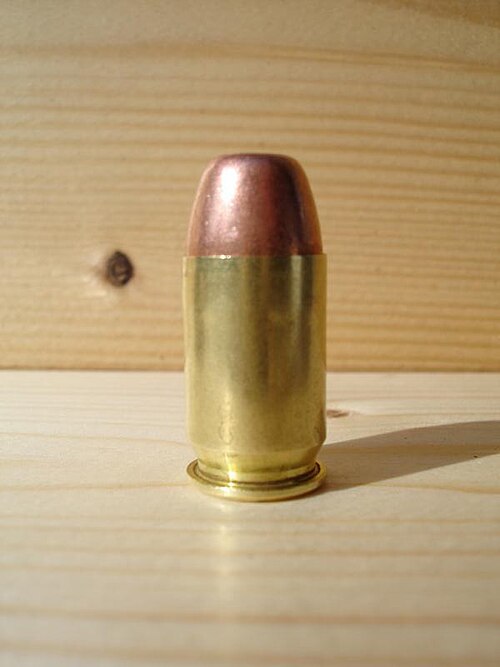
7. .45 GAP
.45 GAP was built around a clean engineering goal: .45-class performance in a shorter cartridge so pistols could use smaller grip frames. What it never delivered was a compelling performance reason to displace .45 ACP. The round did not become known for failing gelatin standards as much as failing the market test. Limited platform support, shrinking ammunition variety, and no decisive terminal advantage left it stranded as a specialized answer after the broader handgun world had already settled on more established options. In practical terms, its biggest liability is not power but irrelevance.
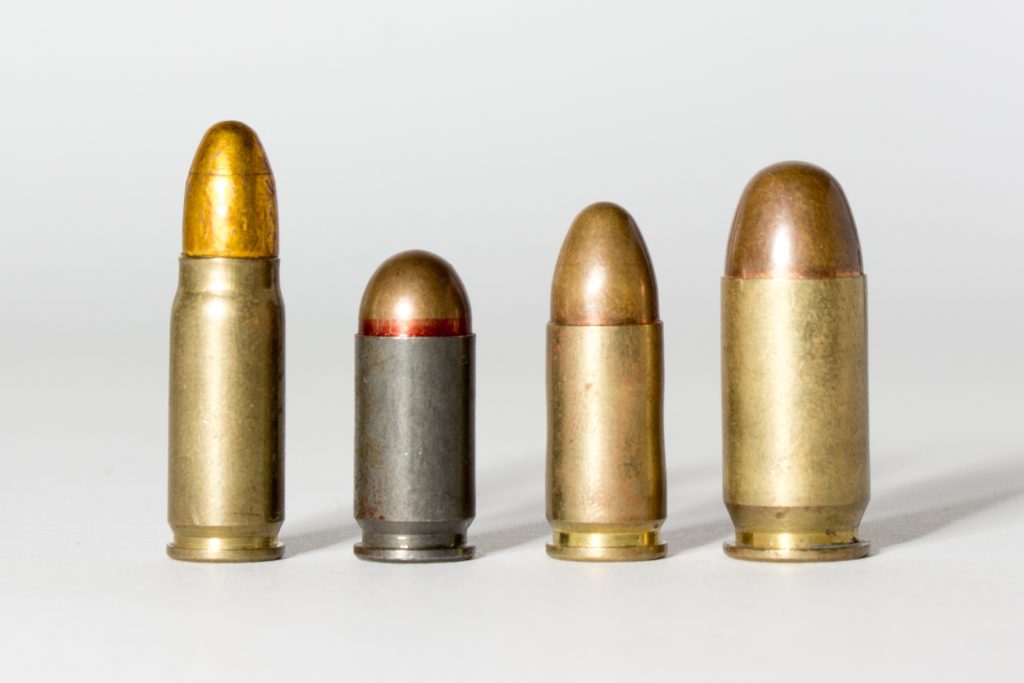
The pattern across these cartridges is not identical, but it is consistent. Some are too small to preserve enough penetration margin. Some rely too heavily on ideal conditions. One was undermined by format, and another by market support rather than ballistics. What ties them together is that they sound more practical before controlled testing forces the discussion back to depth, consistency, and bullet behavior through clothing.
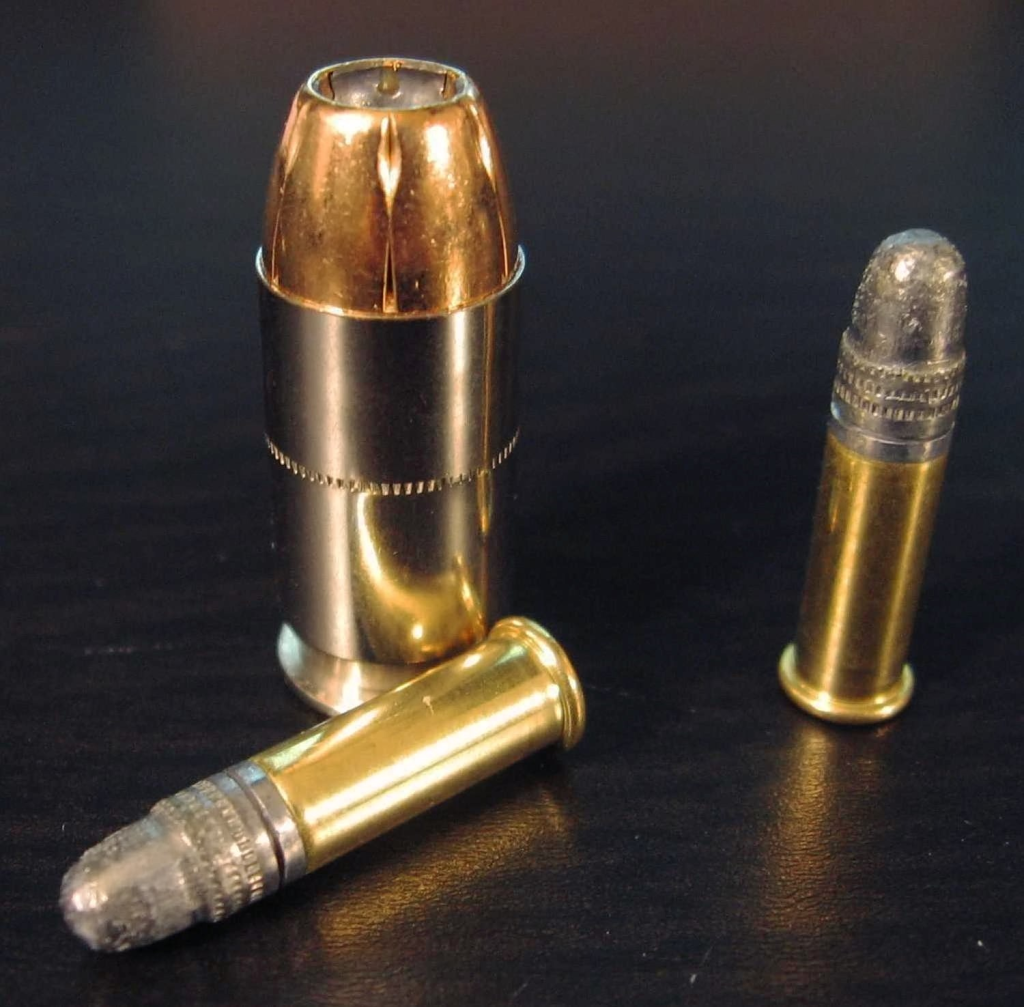
That is why gelatin remains useful even when it is imperfect. It does not replicate a human body, but it does provide a consistent comparison medium, and the FBI-style protocol still measures whether a load can stay inside a disciplined performance window after barriers such as heavy clothing, wallboard, sheet metal, or auto glass are introduced. For defensive handguns, that kind of repeatable measurement has a way of exposing cartridges that live on reputation longer than results.


