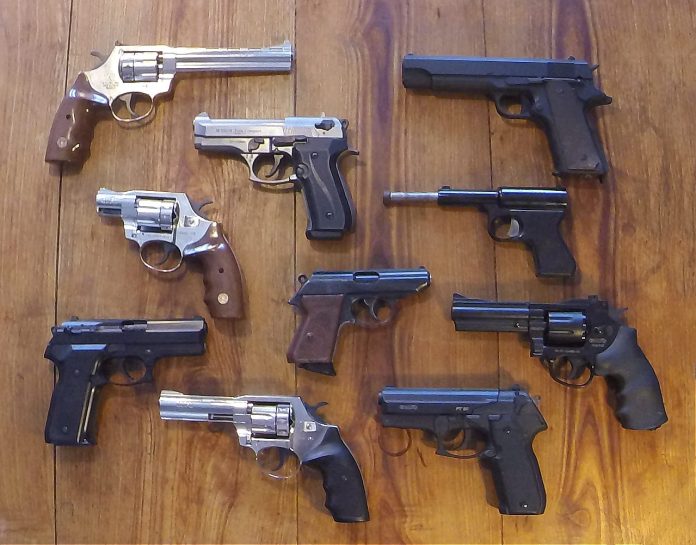
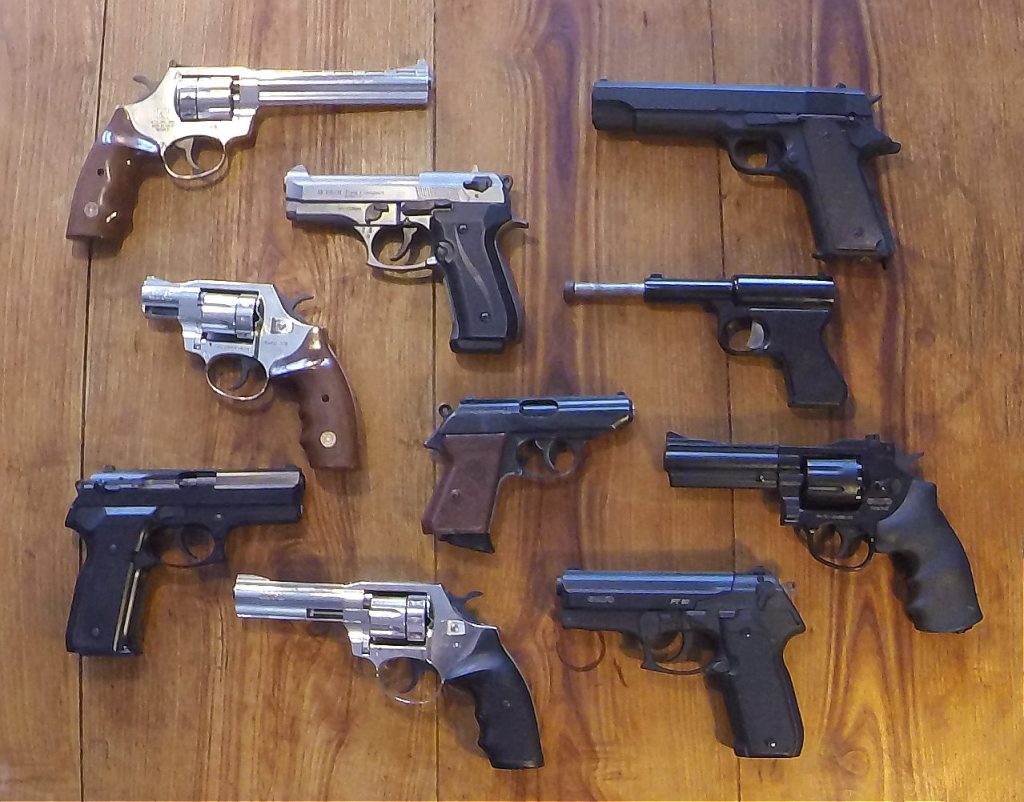
Polymer pistols reshaped the service-handgun market, but they did not erase the appeal of steel and alloy frames. In specialized use, weight still matters for a reason: it can soften recoil, steady sights, and stretch service life in ways lighter designs often trade away. That is why a small group of older handguns kept showing up in elite and specialized arsenals long after newer platforms took over standard issue. Their value was never about nostalgia. It came from controllability, mechanical durability, and the kind of handling that still works when a sidearm is carried as a true last-ditch tool.
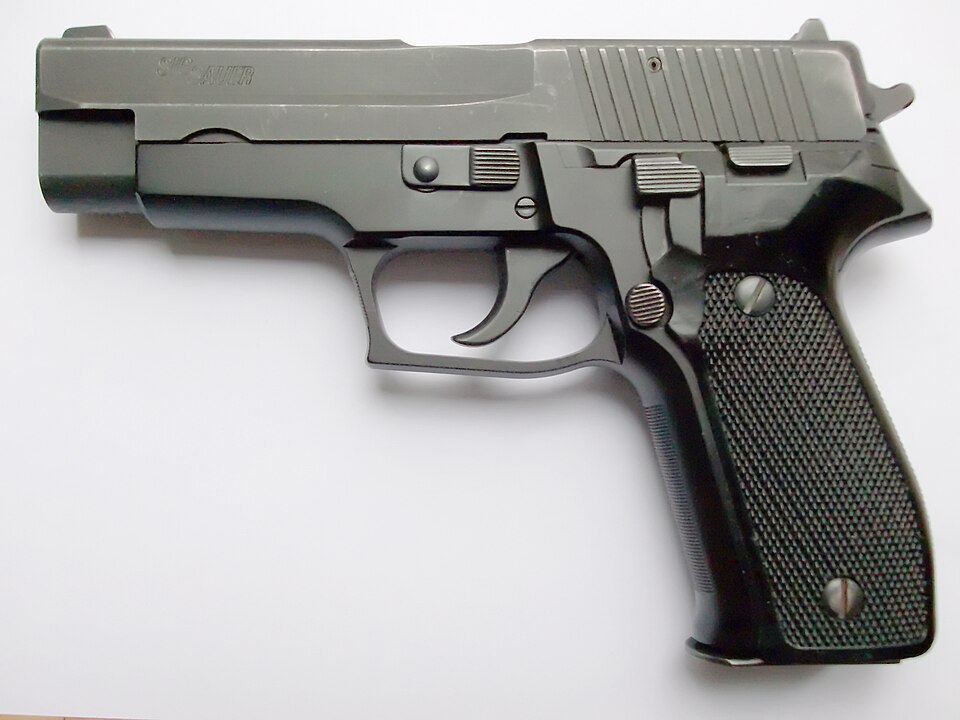
1. SIG Sauer P226
The P226 became one of the clearest examples of an all-business duty pistol outliving multiple handgun trends. Built around an alloy frame with a steel slide, it emerged from the U.S. military’s XM9 trials and remained a benchmark even after it lost the main contract on cost. In the final phase of the competition, the P226 posted 2,877 mean rounds between failure, a figure that helped define its reputation for hard use.
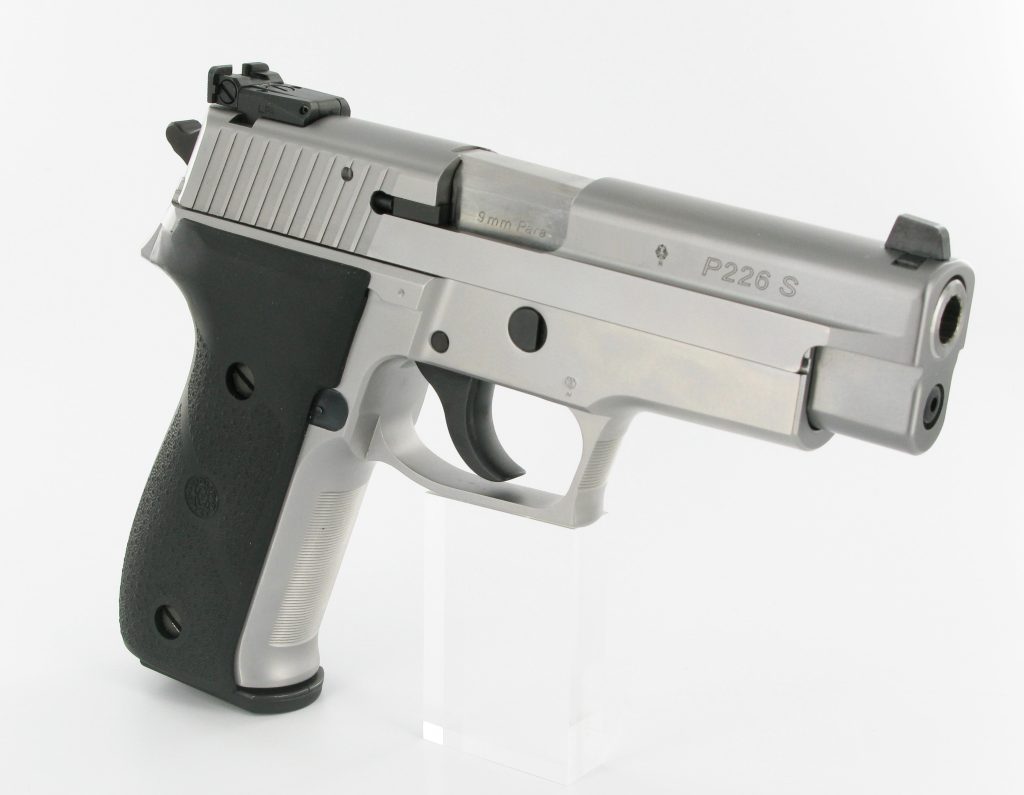
Its appeal came from a practical mix of features rather than novelty: a double-action/single-action trigger, a decocking lever, a full-size grip, and excellent recoil control. Reference reporting also tied the pistol closely to naval special operations, where corrosion resistance and long-term durability mattered. Even after lighter striker-fired pistols gained ground, the P226 kept its standing as a sidearm that could take abuse and still deliver precise fire.
2. Beretta 92 / M9
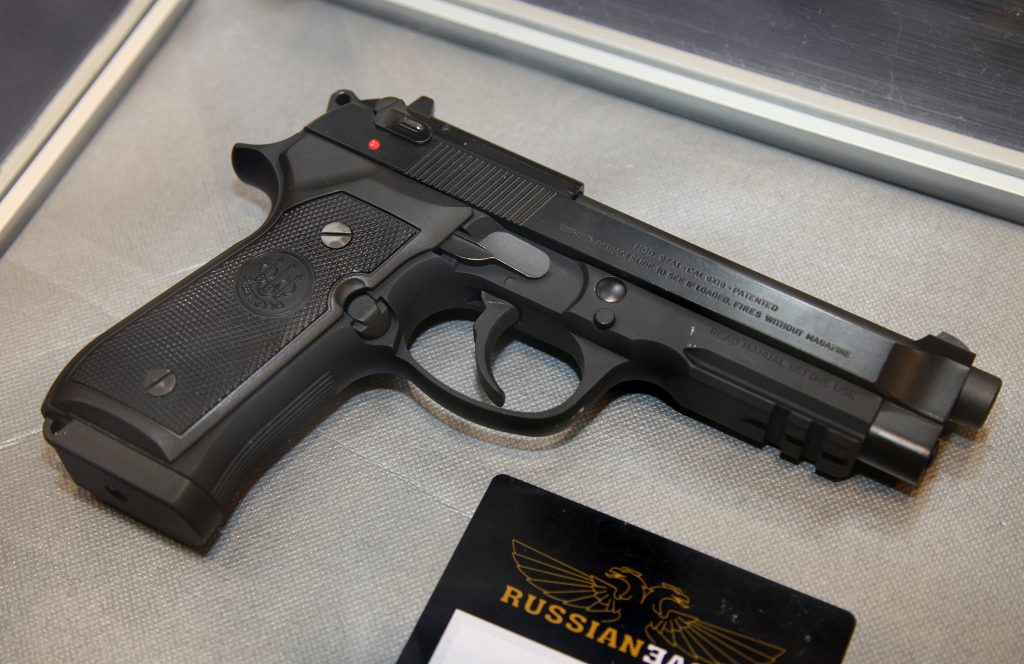
The Beretta 92 family proved that a large metal service pistol could stay relevant far longer than critics expected. Adopted by the U.S. military in 1985, the M9 brought a 15-round 9mm magazine, an open-slide design, and an ambidextrous safety-decocker layout that influenced later duty pistols across the industry. Its engineering gave shooters a soft, stable recoil impulse. The long sight radius, broad grip, and substantial frame weight made it easier to shoot well, especially for users who did not live on the range.
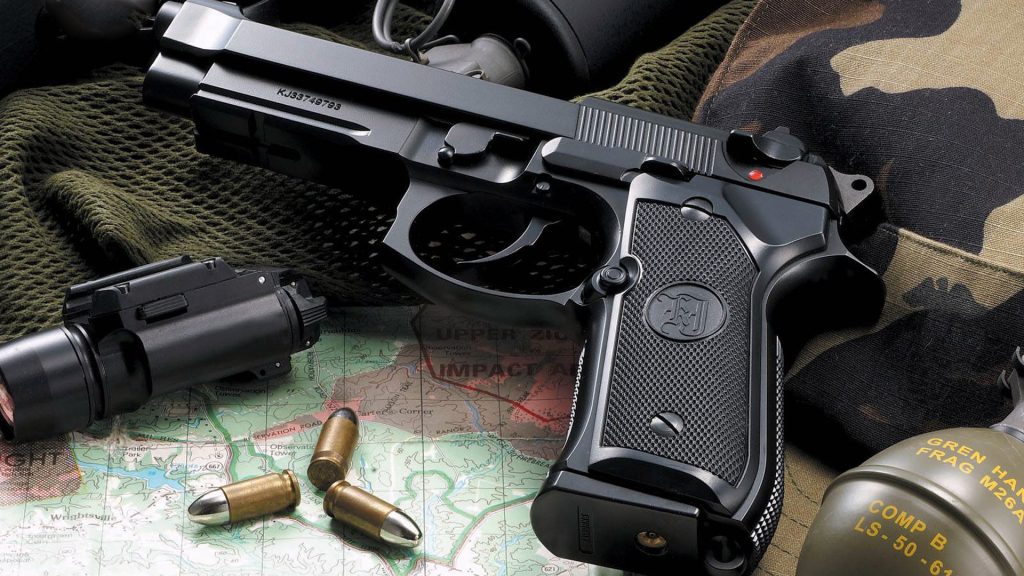
Early controversy over slide failures never fully disappeared from the pistol’s public image, but later investigation tied the most dramatic failures to overpressure ammunition, and Beretta’s enlarged hammer-pin safety update became a lasting part of the design. Later variants kept modernizing the formula, including the M9A1 rail update in 2006, which brought the platform closer to contemporary accessory needs without changing its core operating system.
3. CZ 75
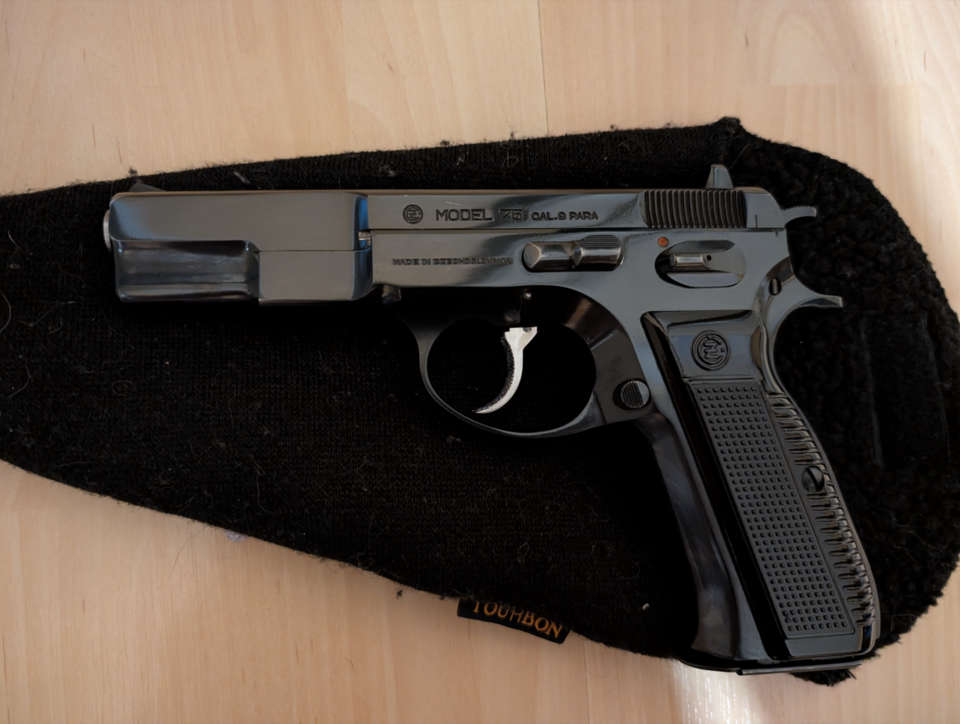
The CZ 75 aged unusually well because its original layout already solved problems modern shooters still care about. Introduced in 1975, it paired an all-steel frame with internal slide rails, a DA/SA trigger system, and a grip shape that remains one of the design’s strongest calling cards. Its low slide profile and steel weight help tame recoil, while the slide-in-frame arrangement gives the pistol a notably planted feel during firing.
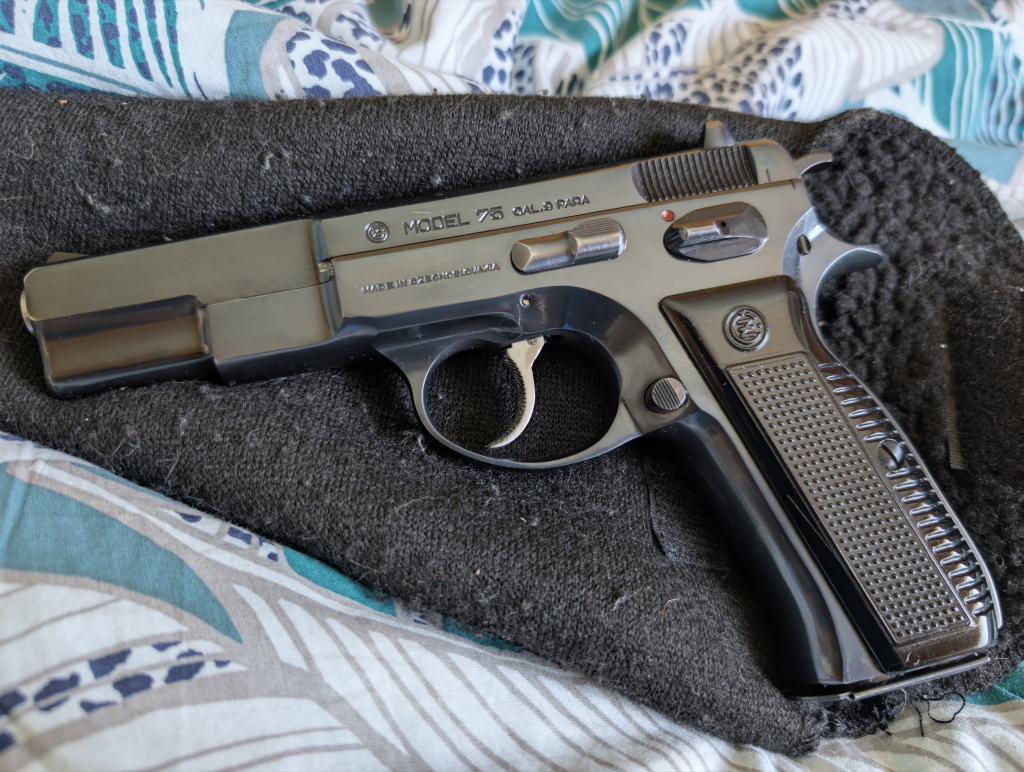
That combination helped the design earn widespread military and security use, and it was copied so often that the pistol became one of the most influential service-handgun patterns of the Cold War era. According to one overview, specialized units in Greece, Turkey, and Israel have used CZ 75 variants. Newer tactical models such as the SP-01 showed that the platform could evolve without losing the steadiness and accuracy that made it durable in the first place.
4. Smith & Wesson Model 686
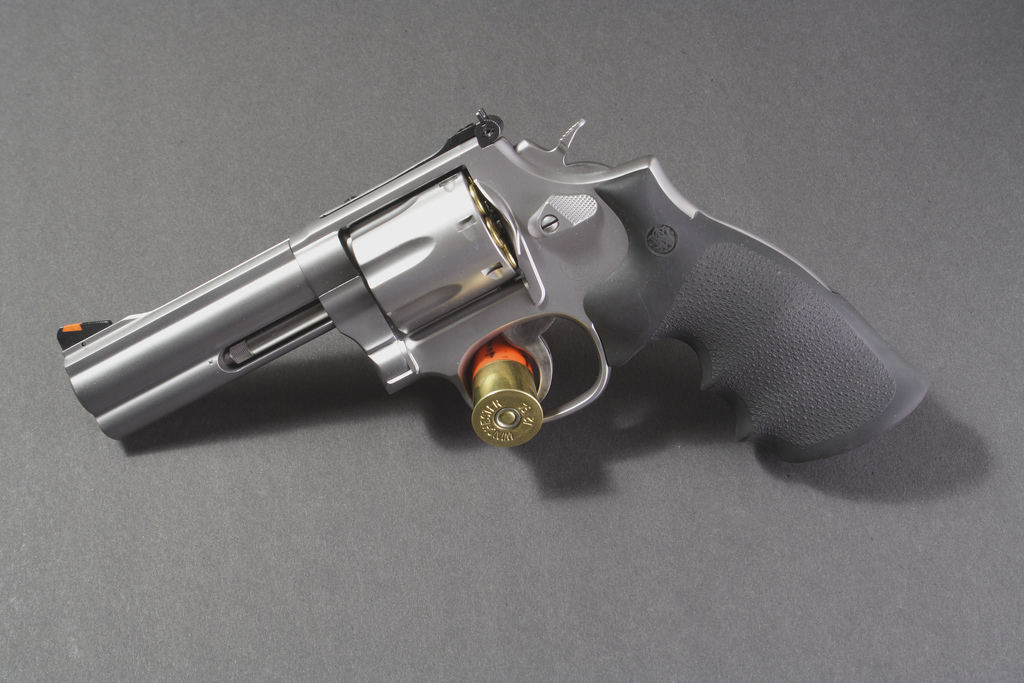
The Model 686 stands apart because it is the revolver on a list dominated by semi-automatics. That difference is exactly why it endured. Built on Smith & Wesson’s L-frame and chambered in .357 Magnum, the stainless-steel 686 was designed to absorb full-power loads without giving up long-term durability. Its strength was mechanical certainty. There is no detachable magazine to damage, no slide to short-stroke, and no question about the next round feeding from a box magazine under rough handling.
The heavy frame also helps soak up recoil, making magnum ammunition more manageable than its chambering suggests. Adjustable sights and a smooth double-action trigger turned it into more than a brute-force sidearm; it became a precision-capable revolver that stayed serviceable for decades. In niche roles where reliability and power mattered more than onboard ammunition, the 686 remained hard to dismiss.
5. Colt M1911
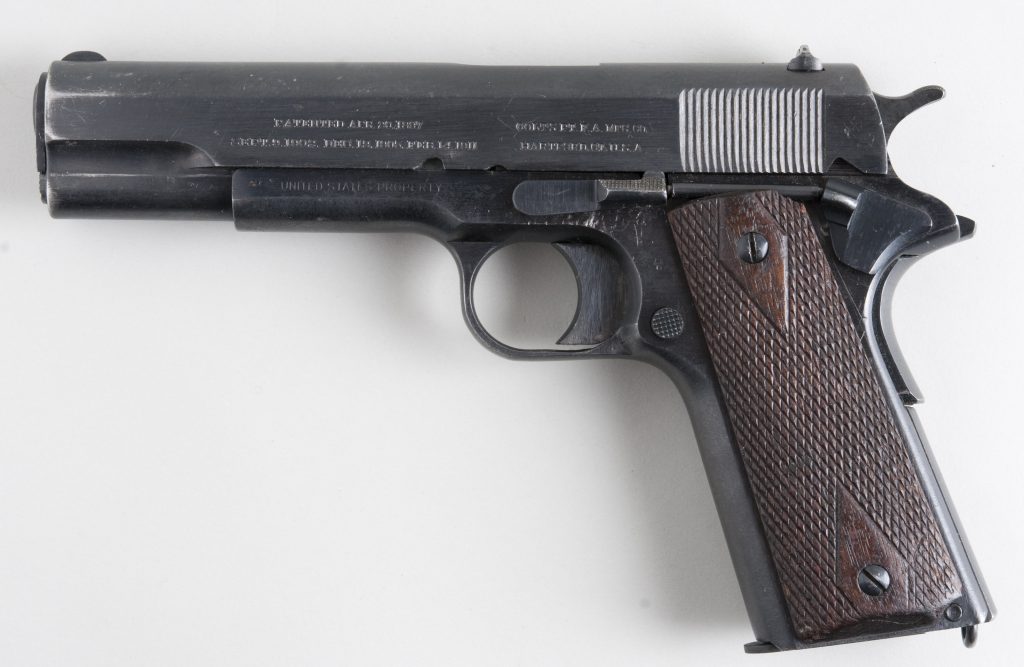
The M1911 is older than every other handgun here, yet it stayed alive in specialized use because some of its core advantages never disappeared. Its steel frame, slim grip, and straight-to-the-rear single-action trigger gave trained shooters a level of control that newer service pistols often approached differently rather than surpassing outright. The design served as the standard U.S. sidearm for roughly 1911 to 1986, and its institutional lifespan alone explains part of its staying power. More important was what it delivered in the hand: a crisp trigger, strong practical accuracy, and a manual of arms so familiar that specialized users kept it relevant long after high-capacity 9mm pistols became the norm.
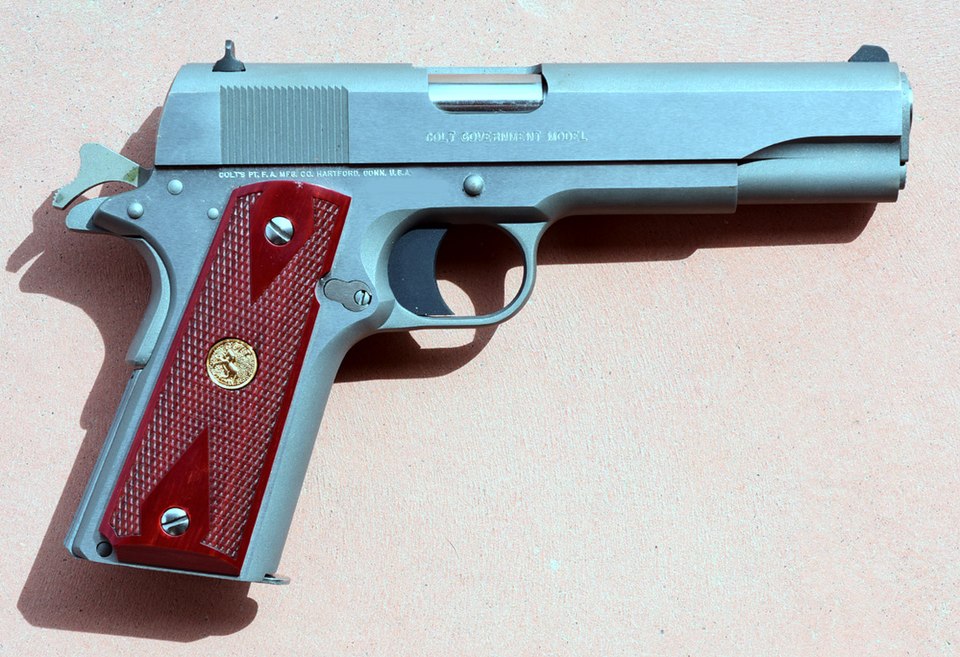
Its magazine capacity looked dated beside later double-stack designs, but for units and shooters who valued precision and shootability above volume, the 1911 never fully left the conversation. These sidearms lasted because they solved enduring problems with durable engineering rather than fashion. Steel and alloy frames bring weight, but they also bring stability, softer recoil behavior, and service life that made sense for users who expected a handgun to survive hard use. That tradeoff still defines why older metal pistols command respect. Even when they are no longer standard issue, the best of them remain credible because balance, controllability, and mechanical confidence do not go out of date.


