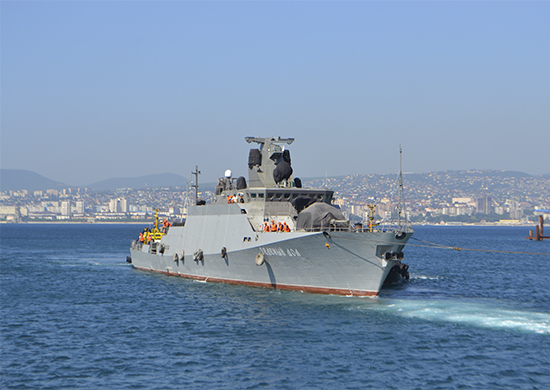
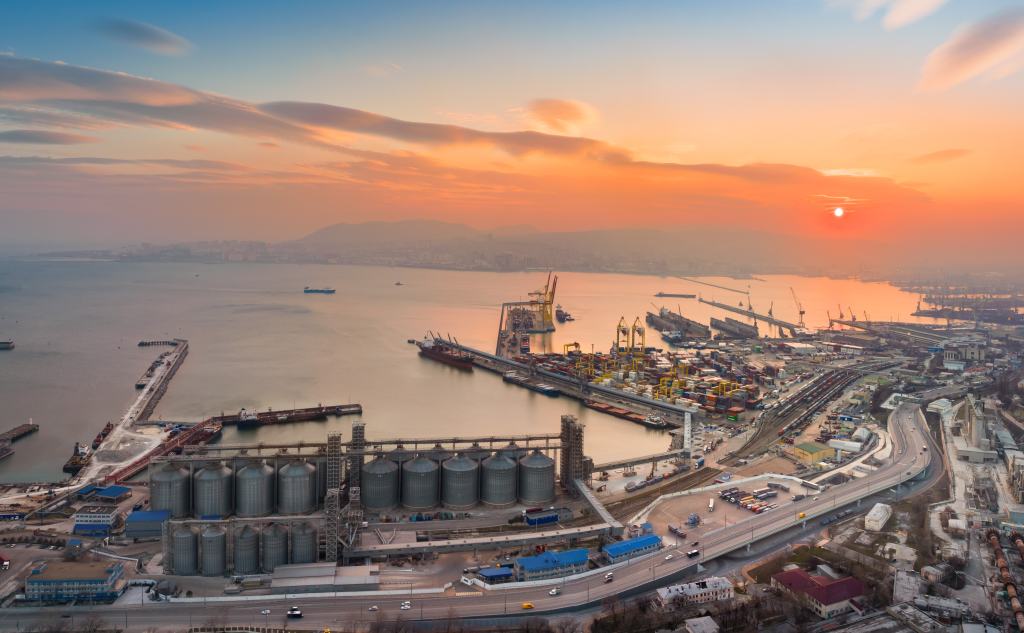
Novorossiysk has become more than a naval base. It now functions as a case study in how ports, fleets, air defenses, and energy infrastructure can all be pressured at once by unmanned systems. The wider significance is not the event timeline. The larger issue is what the strike pattern revealed about modern maritime combat, especially when aerial drones, surface craft, and underwater systems force defenders to protect everything everywhere at the same time.
1. A major port can be both a fleet sanctuary and a strategic weakness
Novorossiysk emerged as the Black Sea Fleet’s main operating base after repeated pressure on Crimea reduced the value of earlier basing arrangements. That shift turned one harbor into a dense cluster of naval, logistics, and export functions. When a port concentrates warships, fuel infrastructure, repair facilities, and air defenses in one place, every successful penetration creates multiple layers of disruption at once. That is why strikes on the Sheskharis oil terminal mattered beyond visible damage. A naval base tied to a major export hub is not defending only ships; it is defending military mobility and revenue-bearing infrastructure in the same battlespace.
2. Drone saturation punishes even layered air defense networks
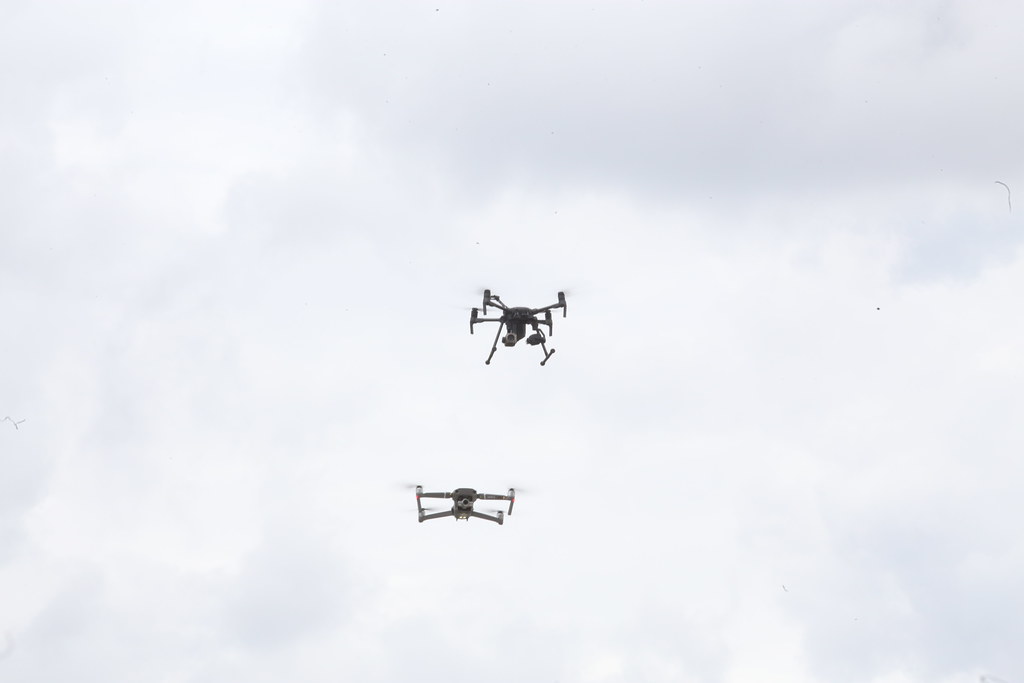
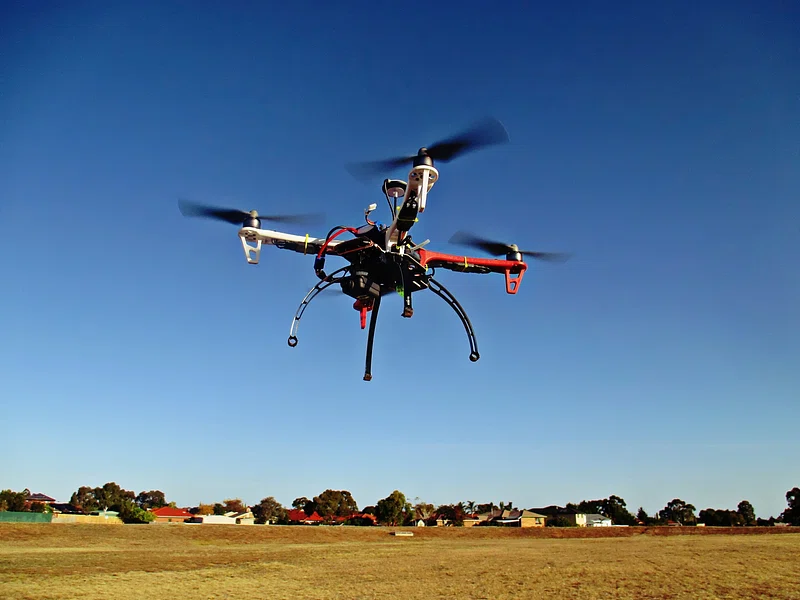
Massed attacks create a basic engineering problem for defenders: detection, tracking, identification, and engagement all have to happen in seconds, often against targets approaching from different directions and at different altitudes. That pressure can expose the gap between nominal air-defense coverage and actual decision speed under stress.
The most striking signal was not simply that incoming systems got through. It was that defensive fire reportedly contributed to urban damage during the response. When a dense port city hosts key military assets, the cost of defensive error rises sharply, because every intercept decision happens near civilian structures, commercial shipping routes, and critical installations.
3. Sea drones changed the geometry of harbor defense
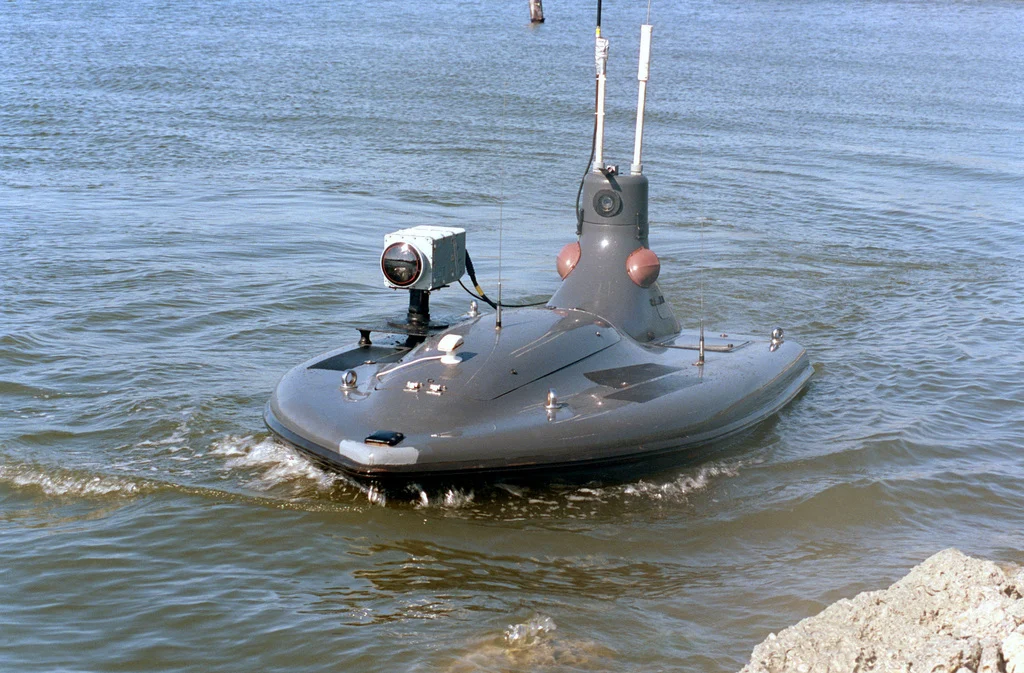
Uncrewed surface vessels have already altered naval assumptions across the Black Sea. As RAND noted in its assessment of explosive uncrewed surface vessels, these craft are dangerous because they can strike at the waterline, carry meaningful payloads, and arrive in numbers that complicate defense.
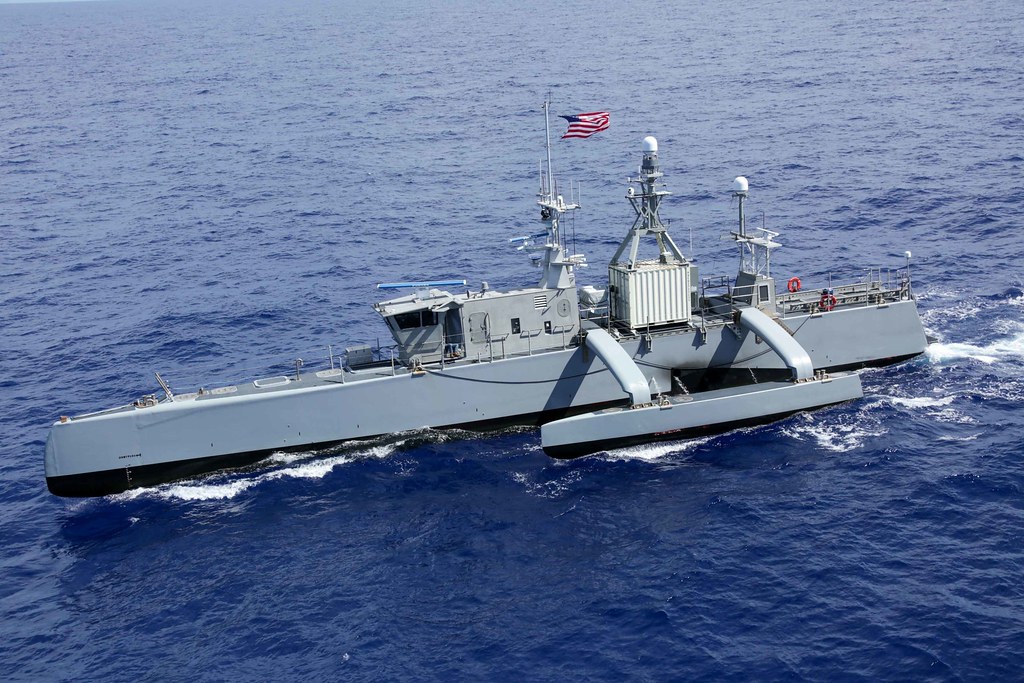
That combination is especially serious in constrained waters. Harbors limit maneuver, compress warning times, and force ships to rely on fixed security layouts. A warship underway has more tactical options than a vessel alongside a pier, where arcs of fire, barriers, and safe-use restrictions can all narrow the defender’s choices.
4. Underwater attack systems introduced a harder detection problem
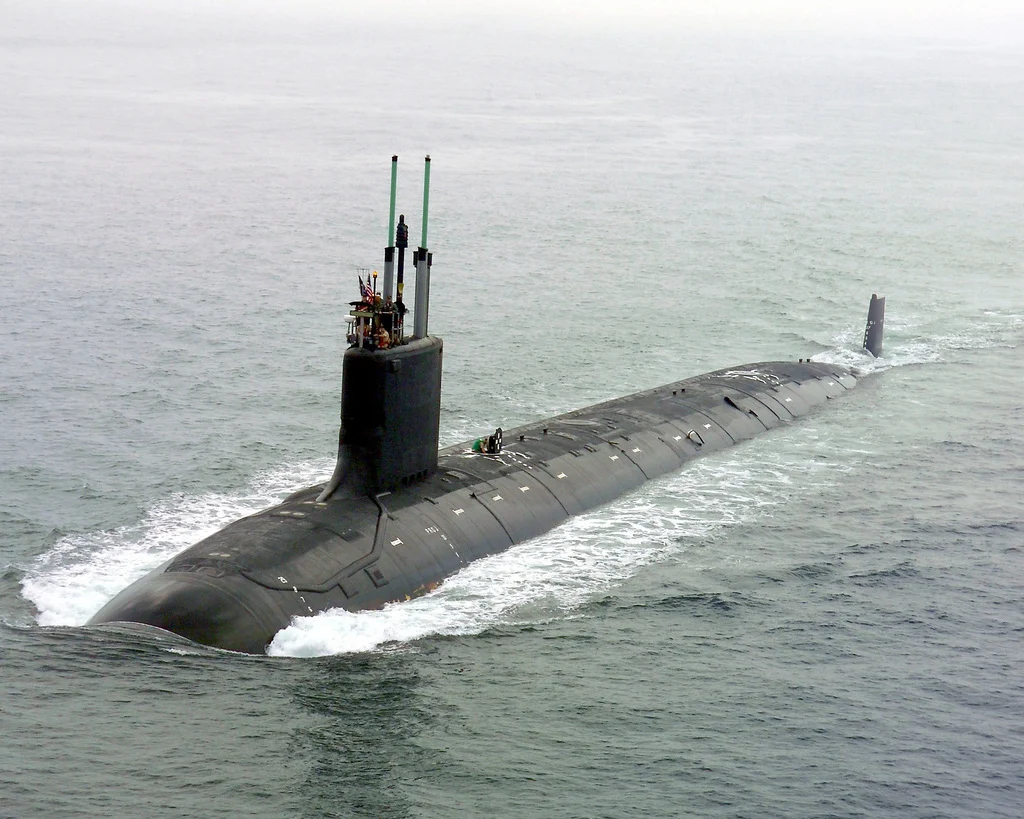
Surface barriers and visual surveillance do not solve the underwater approach. Analysis of the Novorossiysk attack indicated that an underwater vehicle, or a system able to transition between surface and subsurface movement, could bypass defenses designed mainly for surface threats. That matters because the harbor entrance may look protected while the true vulnerability sits below the surface.
A detailed review pointed to the challenges of guiding a UUV inside the base, where navigation, communications, and terminal targeting become far more difficult than open water transit. Even so, the attack showed that underwater access is no longer a theoretical concern for port defense planners.
5. Counter drone warfare now extends far beyond the target area
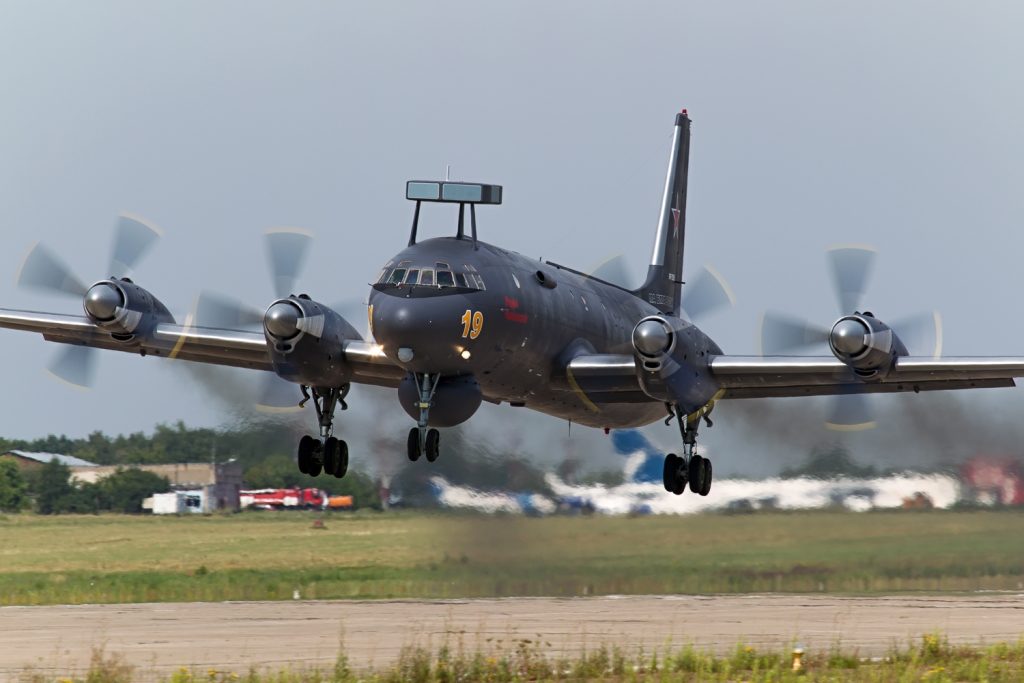
Modern unmanned strikes are not isolated platform versus platform contests. They increasingly involve reconnaissance, electronic support, route preparation, deception, and suppression of the systems that could detect the main attack package. Ukrainian reporting around the operation claimed a successful strike on a Russian Il-38N reconnaissance aircraft before the underwater phase. Whether viewed as mission shaping or defensive suppression, the implication is clear: defending a port now means protecting the sensors, patrol aircraft, and surveillance chain that make interception possible in the first place.
6. Cheap autonomous systems can threaten expensive naval assets
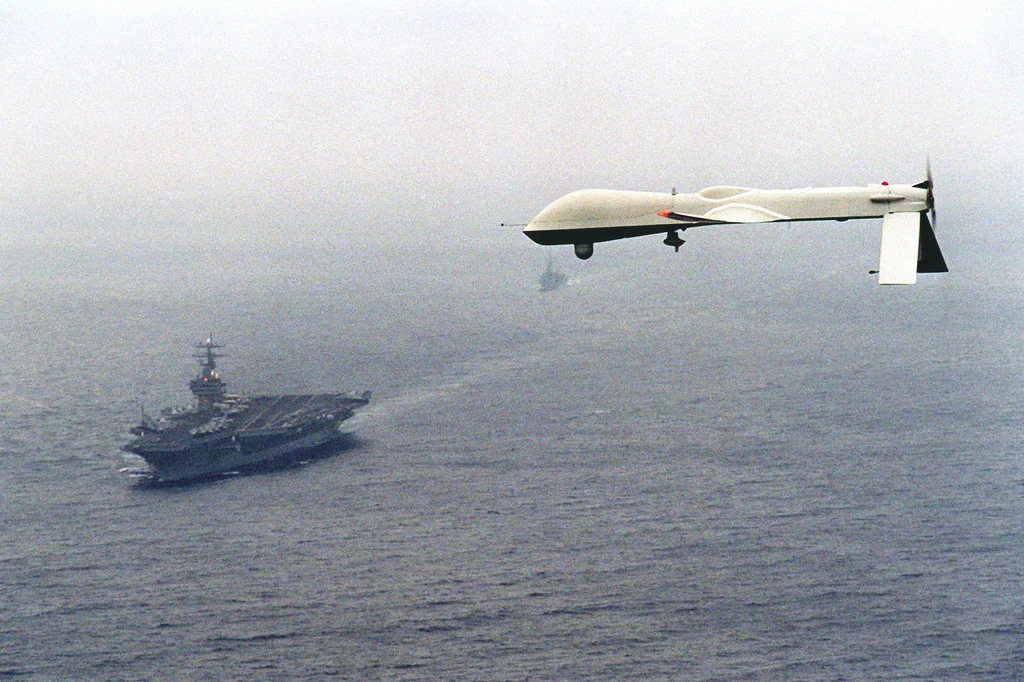
The core imbalance is economic as much as tactical. An unmanned attacker can be relatively simple compared with the ship, submarine, radar, or terminal it is sent to damage. That forces defenders to spend heavily on layered protection, persistent surveillance, and quick-reaction command systems just to hold the line.
This is a familiar pattern in maritime security. Ports and fleets are being pushed toward a constant adaptation cycle in which low-cost strike systems force high-cost defensive redesigns. The result is not merely attrition; it is a sustained tax on readiness, basing flexibility, and maintenance planning.
7. Ports now need integrated defense, not separate air and naval security plans
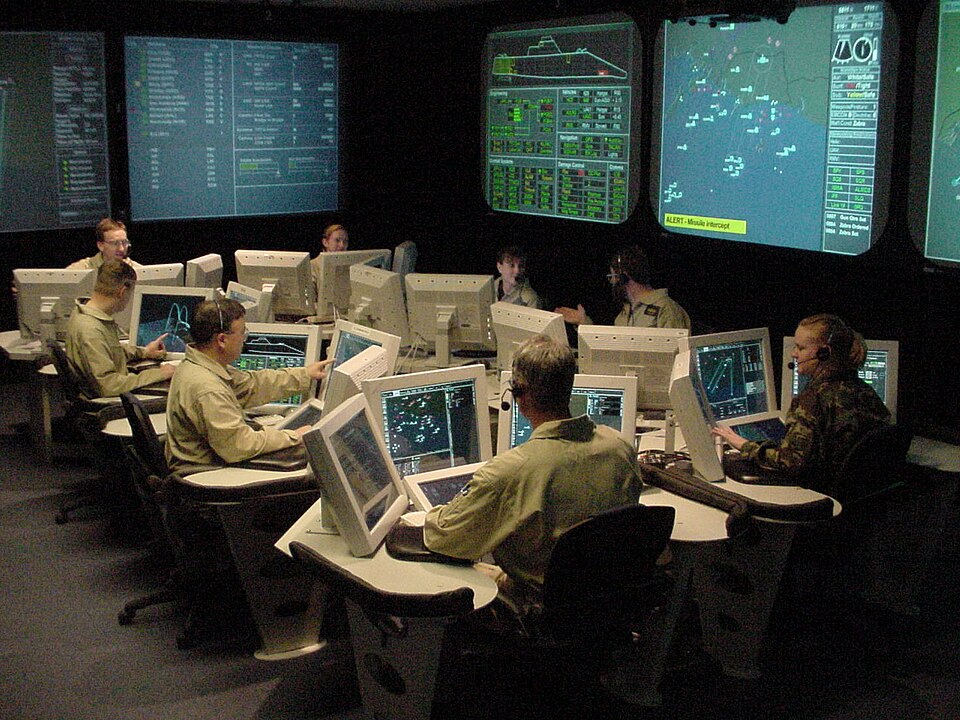
One of the clearest takeaways is organizational. A port cannot treat aerial drones, surface drones, underwater vehicles, radar coverage, and infrastructure protection as separate problems managed in sequence. They have become one operating picture. That means naval base defense increasingly depends on layered sensing, shared command and control, and rapid coordination between harbor security, fleet units, air defense crews, and infrastructure operators. A fragmented system may still work against a single intruder. It is far less reliable against mixed salvos that arrive nearly together and force multiple decisions at once.
8. The Black Sea has become a testing ground for future naval doctrine
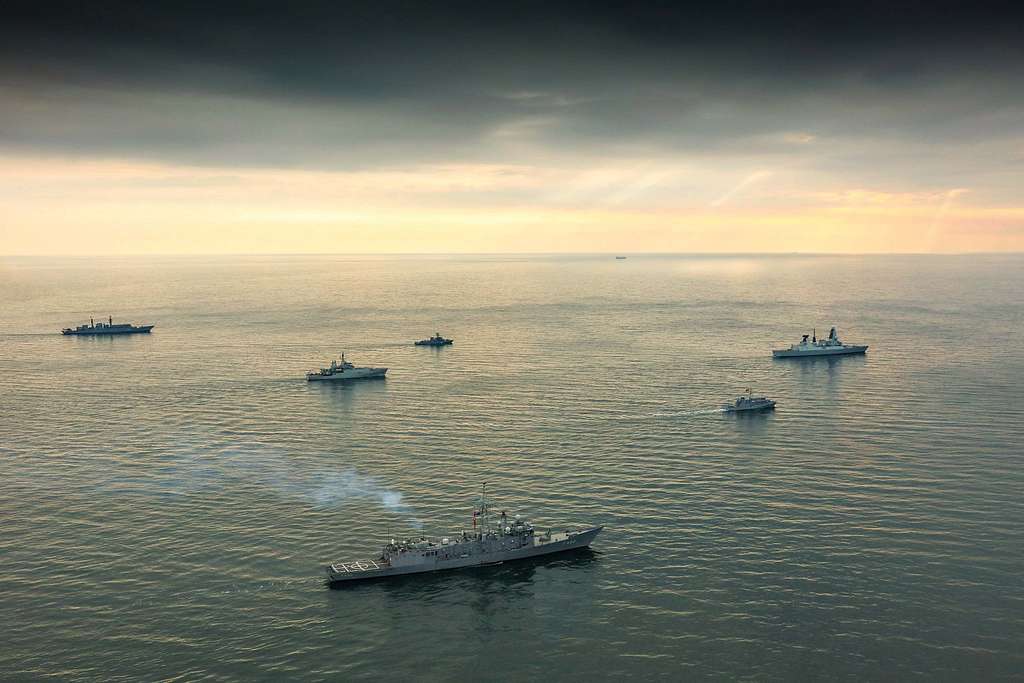
The operational lessons from Novorossiysk extend beyond one region. The Black Sea is demonstrating how medium powers can pressure fleets with distributed unmanned systems, intelligence led targeting, and repeated adaptation. Navies watching closely are seeing the erosion of old assumptions about safe harbor, sanctuary depth, and fixed-base survivability.
That is the lasting significance. A defended port is no longer secure because it has barriers, missiles, and patrol craft. It is secure only if it can detect, classify, and counter threats above, on, and below the water without breaking down under volume and confusion. Novorossiysk illustrated the new reality with unusual clarity. Maritime defense is now a contest of networks, sensors, and response speed as much as hulls and missiles, and unmanned systems are driving that change faster than many naval architectures were built to handle.


