The 9mm handgun did not become dominant by accident. Its rise came from a century of mechanical experimentation, military adoption, police use, and a steady shift toward pistols that carried more rounds, handled recoil well, and adapted to changing doctrine. Some models became famous because they arrived first. Others earned their place because they solved a problem better than the guns that came before them. Taken together, these pistols map the real evolution of the modern service sidearm.
1. Luger P08
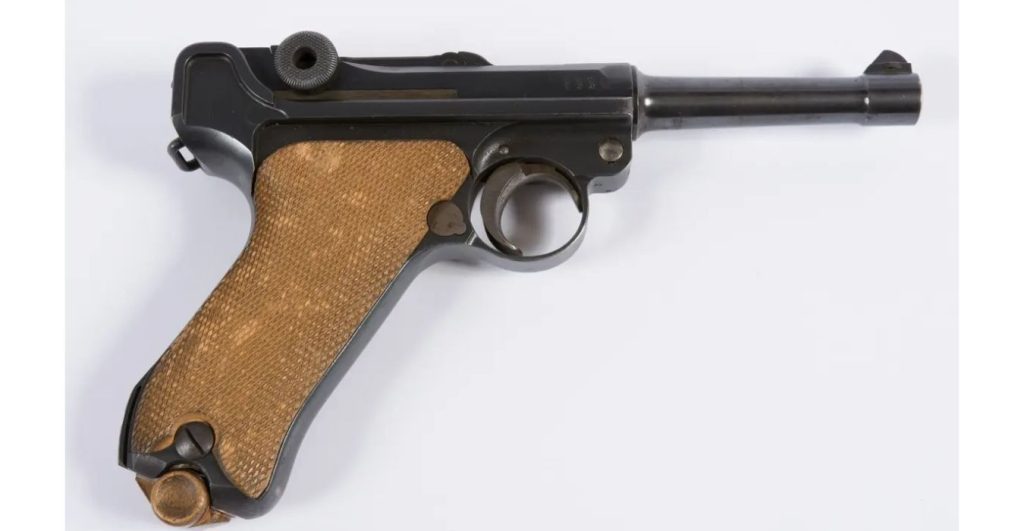
The Luger P08 sits at the root of the entire story because the 9mm Parabellum cartridge was developed by Georg Luger in 1902. Its sharply angled grip and toggle lock action made it one of the most recognizable handguns ever built, but its deeper significance is that it established the cartridge that would outlast nearly every pistol originally chambered for it. Collectors often focus on its profile and wartime associations, yet the real engineering legacy is its place at the beginning of the 9x19mm era. Few handguns can claim they helped define both a weapon platform and the ammunition standard that followed.
2. Browning Hi-Power
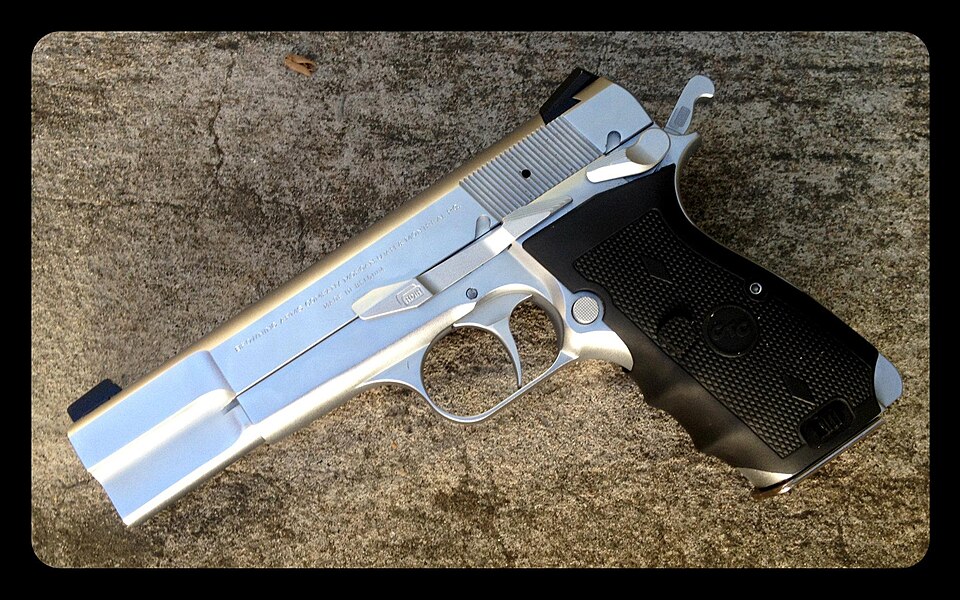
The Browning Hi-Power changed expectations for what a service pistol could carry. Completed by Dieudonne Saive after John Browning’s early work, it entered production in the 1930s and became one of the first truly influential high-capacity 9mm pistols, pairing a slim feel with a double-stack magazine.
Its importance goes beyond age. The Hi-Power helped normalize the idea that a duty handgun could offer significant onboard capacity without becoming oversized, and that single action precision and military practicality could live in the same frame. Many later pistols borrowed from that balance, even when they looked nothing like it.
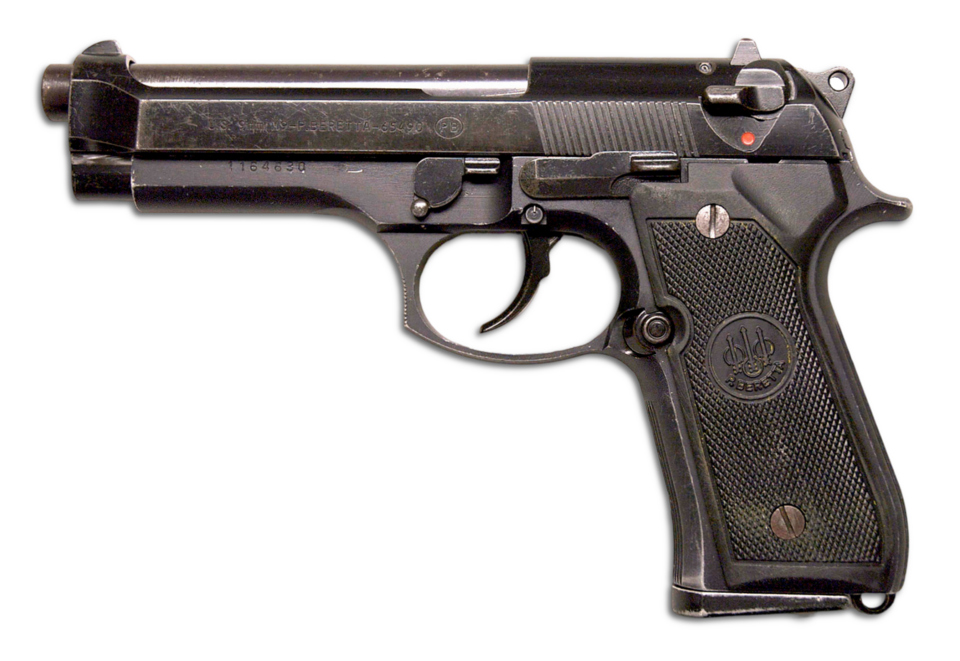
3. Beretta 92/M9
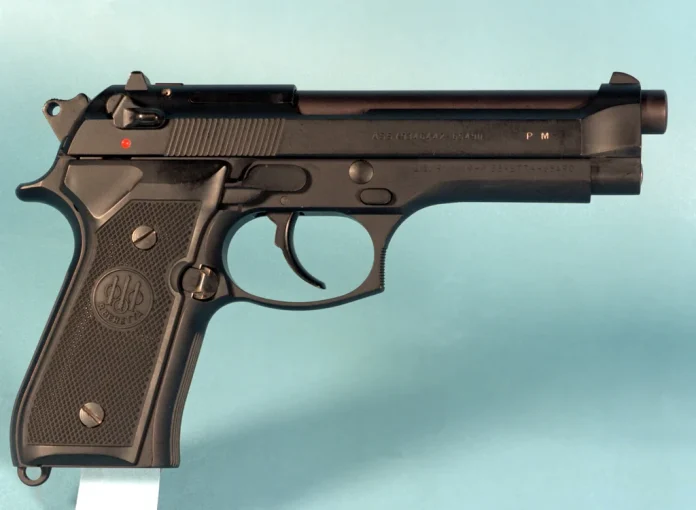
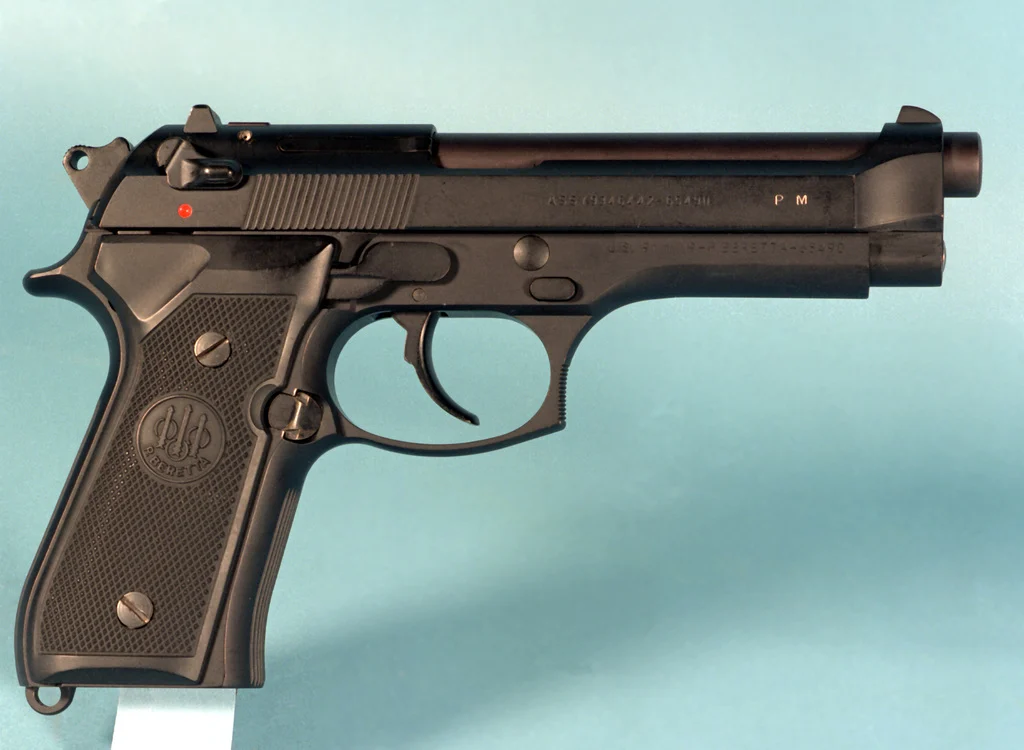
The Beretta 92 family brought old-world metal-frame refinement into the modern service era. Its open-slide design, double-action/single-action system, and soft-shooting full-size layout gave it a reputation for controllability and reliability, and the platform became globally recognizable after U.S. adoption.
The M9 was selected after the XM9 trials in 1983 and 1984, where Beretta’s entry emerged as the new standard sidearm. Even with its well-documented controversies, the pistol proved how influential a high-capacity 9mm could become when military standardization, ergonomics, and durability aligned. Its service life also showed that a handgun’s reputation is shaped not only by design, but by magazines, ammunition, maintenance, and mission profile.
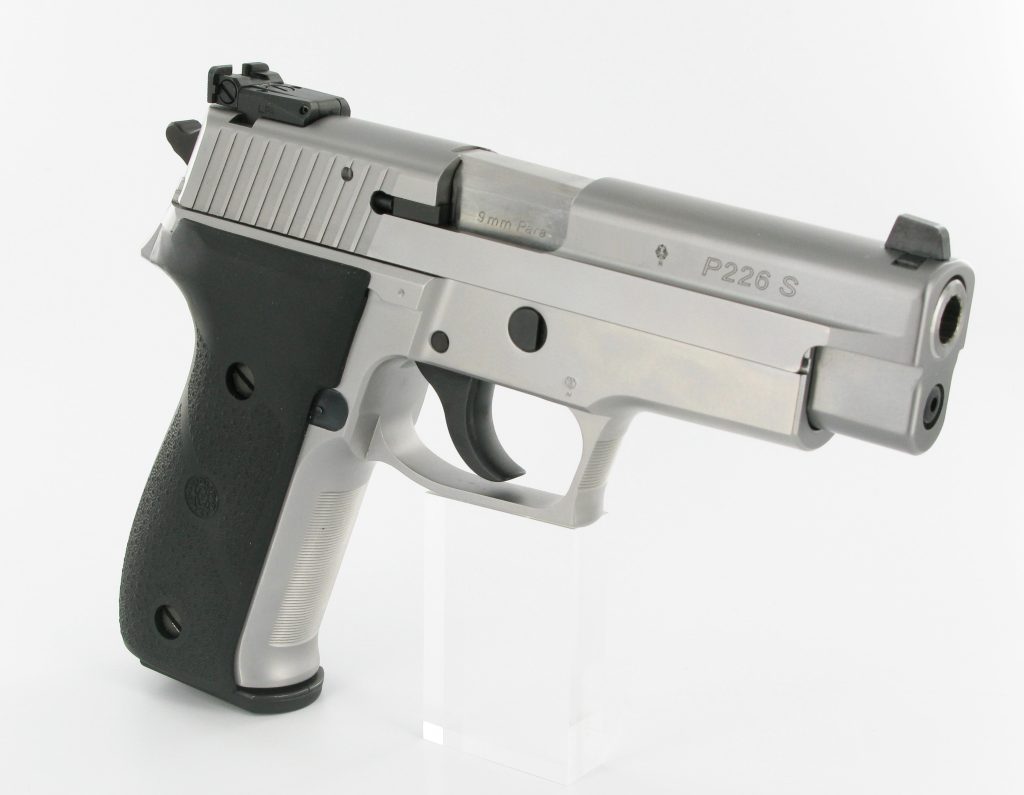
4. SIG Sauer P226
The P226 became a benchmark for shooters who wanted a duty pistol with heavy-use credibility. Built as a competitor in the same U.S. pistol trials that elevated the Beretta, it gained a second life through specialized service where endurance, corrosion resistance, and close-quarters handling mattered more than broad institutional standardization.
Its status hardened when Navy special warfare units fielded it as the Mk. 25 in 1989. The P226’s stainless slide, decocker system, 15-round magazine, and reputation for surviving hard round counts made it a reference point for what an elite-service sidearm looked like before optics-ready striker guns took over the conversation.
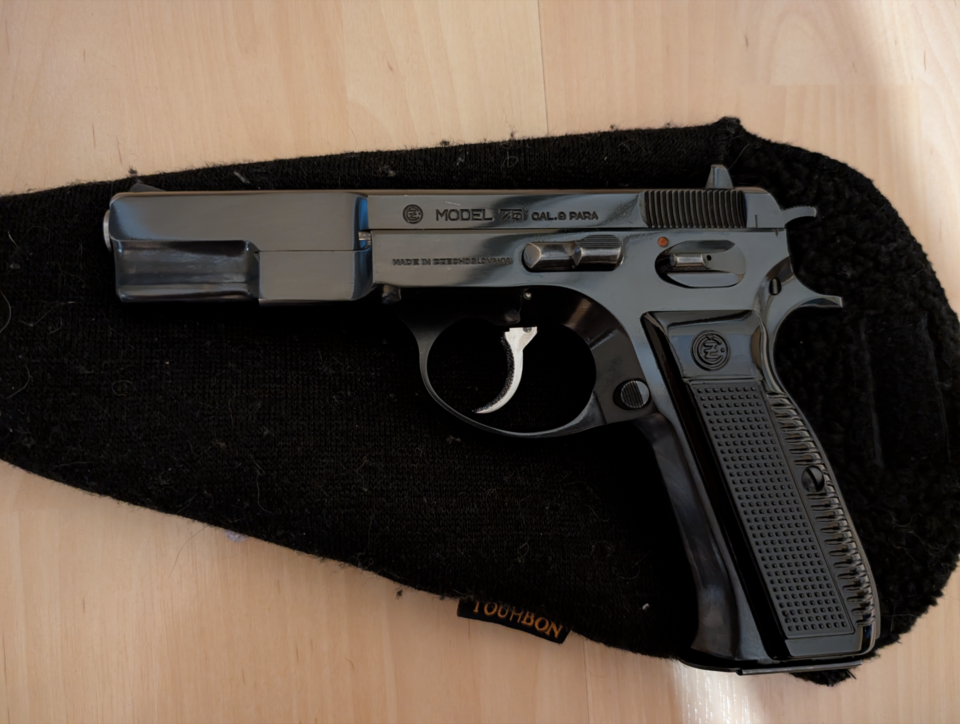
5. CZ 75
The CZ 75 became legendary for a reason that is immediately obvious in the hand. Its shape, balance, and low slide-in-frame arrangement gave shooters a pistol that felt unusually planted, with a grip profile that remained one of the strongest ergonomic templates in the category.
What made it iconic was not flashy adoption history but how often its design language resurfaced elsewhere. The pistol combined capacity, controllability, and shootability in a way that appealed across competition, service, and enthusiast circles, helping build the idea that a 9mm duty gun could be both practical and exceptionally well-mannered.
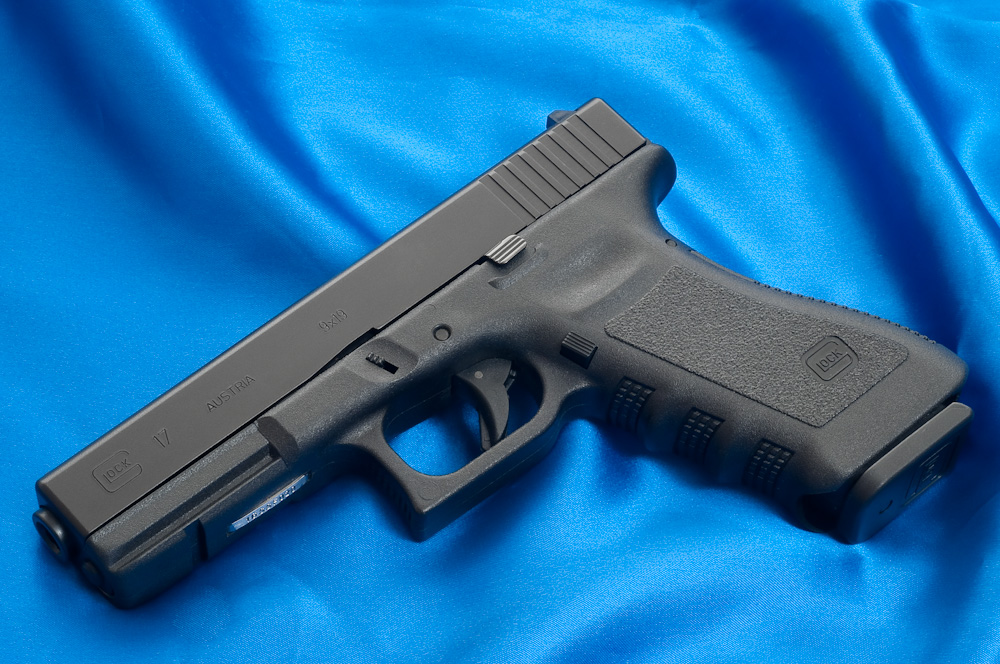
6. Glock 17
The Glock 17 did not invent the polymer-frame pistol, but it turned the concept into the industry baseline. Introduced in the early 1980s, it paired a striker-fired system with a simple internal layout and a 17-round magazine, producing a sidearm that was lighter, easier to maintain, and mechanically leaner than many rivals.
Its design used just 34 separate parts, a remarkable simplification for a full-size service pistol of its era. From there, adoption spread through militaries and police departments, and the debate over polymer quickly ended. The Glock 17 normalized a new operating formula: striker ignition, high capacity, light weight, and durable finishes built for constant carry.
7. Glock 19
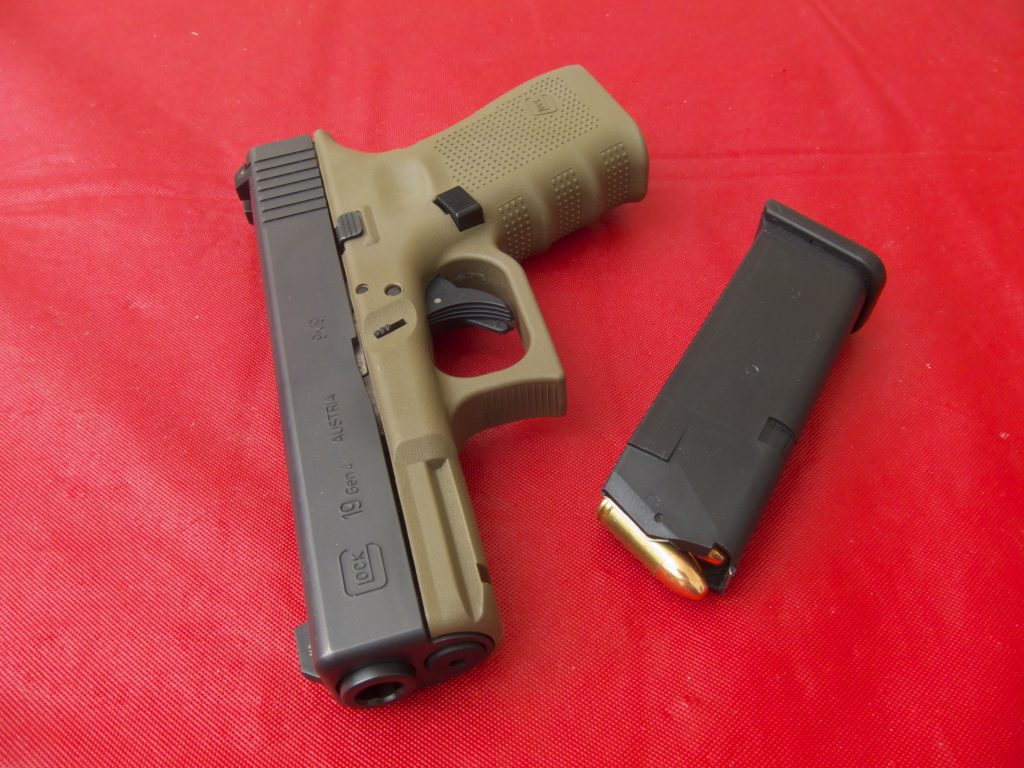
The Glock 19 refined the Glock formula into a more flexible footprint. It preserved much of the G17’s capacity, controls, and maintenance simplicity while trimming the size enough to bridge duty carry, plainclothes use, and concealed carry better than many full-size service pistols could manage.
That balance is what made it so influential. The G19 became a template for the modern “do-everything” handgun, and its rise showed that compact dimensions no longer required serious compromise in firepower or durability. It also marked the moment when a compact 9mm stopped being a backup option and became, for many users, the primary answer.
8. Smith & Wesson M&P Shield
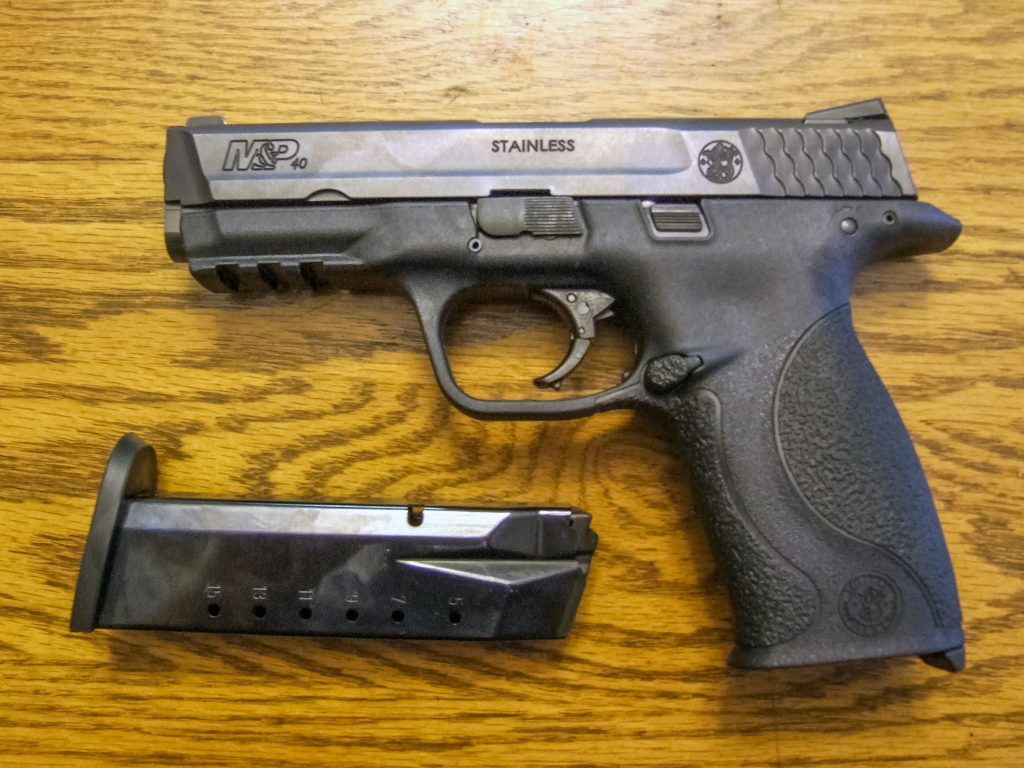
The M&P Shield belongs on this list because it represents the point when 9mm dominance moved decisively into slim, everyday-carry pistols. Earlier service guns built the reputation of the cartridge, but pistols like the Shield helped make 9mm the default choice for a much broader civilian audience.
Its thin profile, manageable recoil, and straightforward handling proved that a smaller handgun did not have to be harsh or difficult to run. In practical terms, the Shield helped extend the 9mm story from duty holsters into the daily carry market, where concealability became just as important as service lineage.
9. Colt 1911 in 9mm
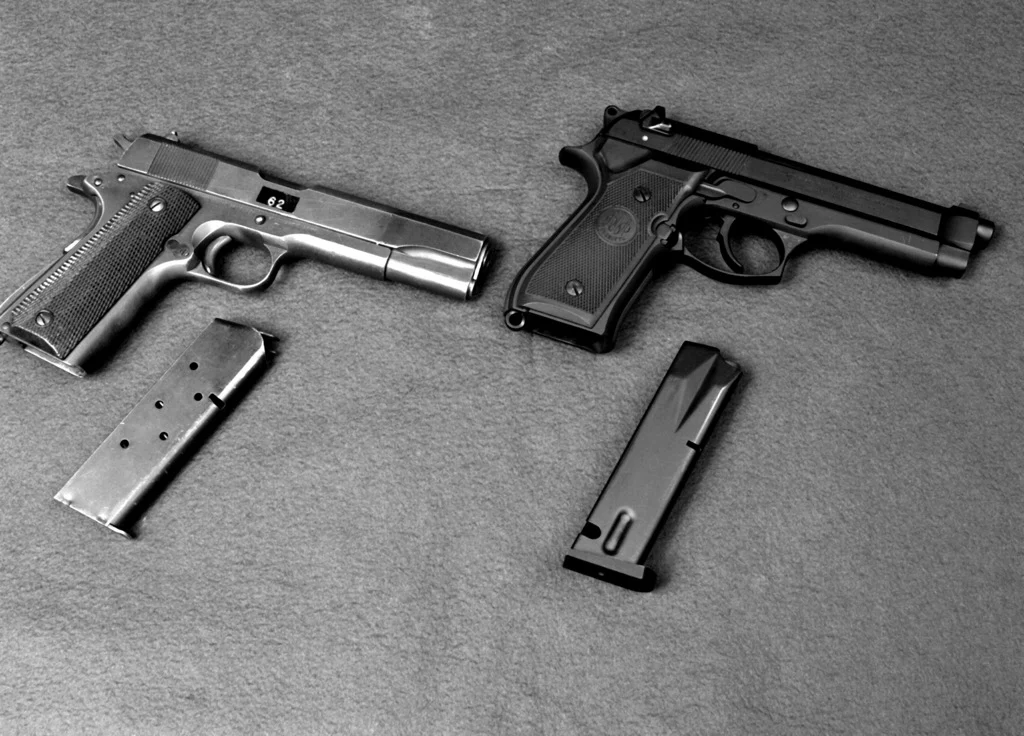
The 1911 was born in another caliber, but its 9mm chambering shows how durable a great operating layout can be when paired with newer expectations. The platform’s straight-back trigger, slim grip geometry, and natural pointability remained attractive even as magazine capacity and recoil preferences shifted.
In 9mm form, the 1911 became less a relic and more a translation. It preserved classic ergonomics while adapting to a cartridge that offered lighter recoil and faster follow-up potential. That made it a useful reminder that handgun history is not always a line of total replacement; sometimes proven designs survive by being recalibrated.
10. Heckler & Koch VP70
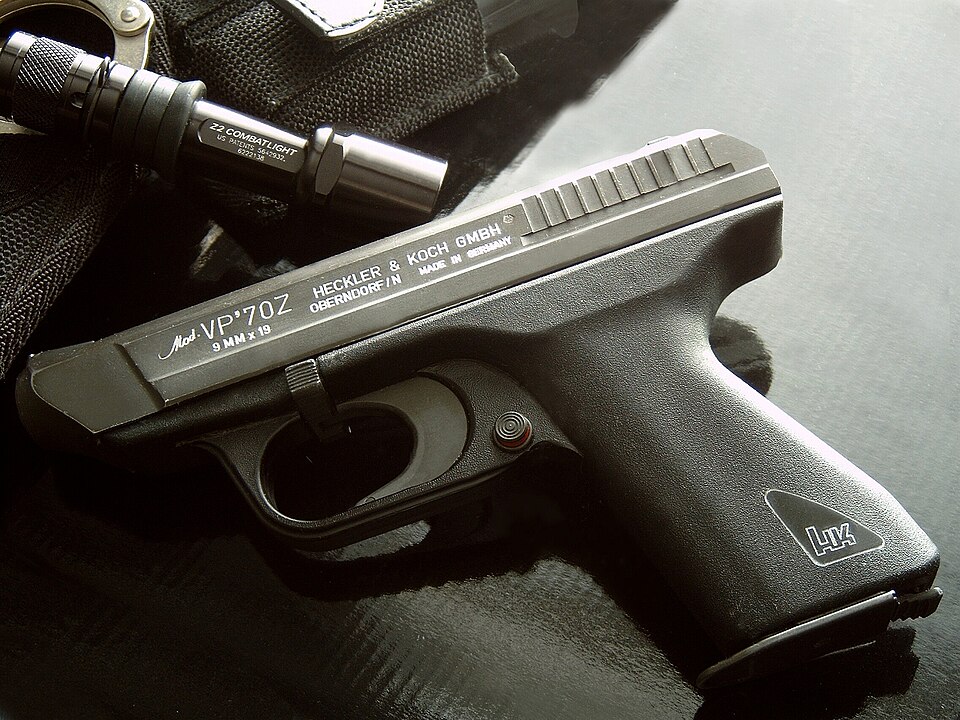
The VP70 rarely gets the same mainstream attention as later polymer pistols, but its place in firearms history is secure. It arrived well before the Glock era and demonstrated that polymer could be used in a handgun frame long before the market fully embraced the idea. That matters. The VP70 showed where the technology was headed, even if later designs executed the concept more successfully. Without guns like it, the polymer revolution would look far less sudden than it appears in hindsight. What unites these pistols is not just popularity. Each one shifted the expectations placed on a 9mm handgun, whether through capacity, materials, ergonomics, service record, or carry practicality.
From the Luger’s cartridge legacy to the compact efficiency of the Glock 19 and Shield, the 9mm story is really a record of how sidearms became lighter, simpler, more adaptable, and easier to live with. That is why these designs remain iconic long after newer models have arrived.


