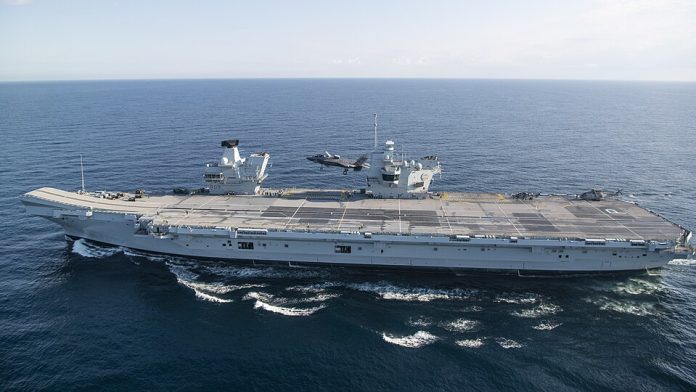
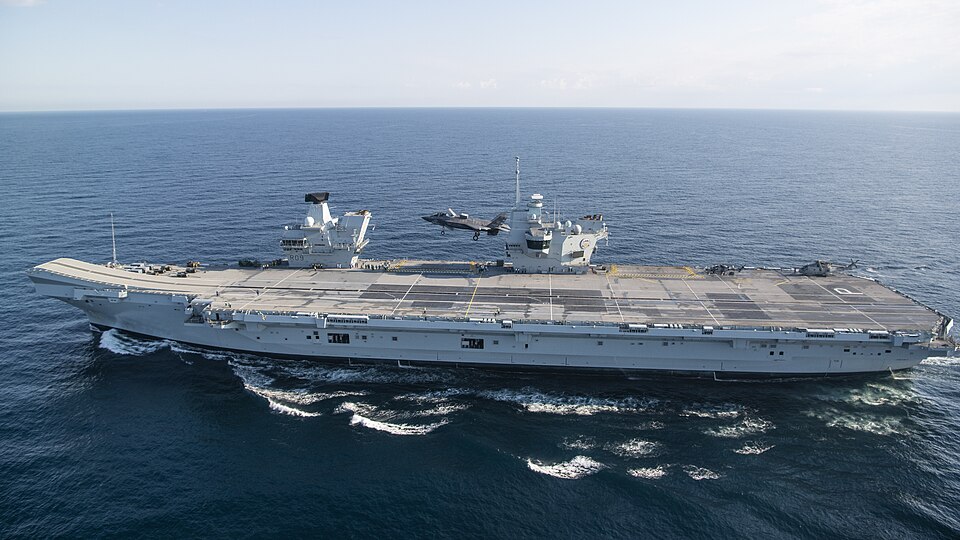
Britain’s HMS Prince of Wales was built to embody modern carrier aviation: a large-deck warship able to move air power, command allied formations, and operate far from home without relying on foreign airfields. On paper, the design still carries that promise. In practice, the ship has become a case study in how a carrier’s value depends less on size than on readiness, escorts, aircraft availability, and sustainment.
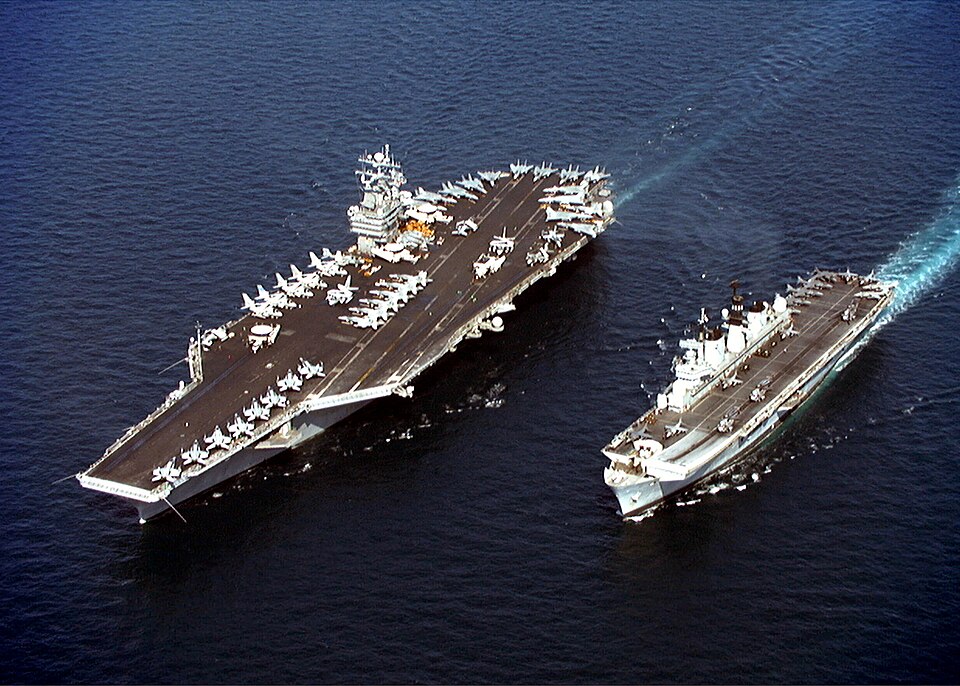
The most striking issue is not a single defect. It is the gap between intended role and usable combat power. That gap has turned the Queen Elizabeth-class debate into a larger question about whether the Royal Navy’s carrier force is being resourced as an integrated system or managed as two high-profile hulls with too little depth around them.
1. The availability record has become the defining statistic
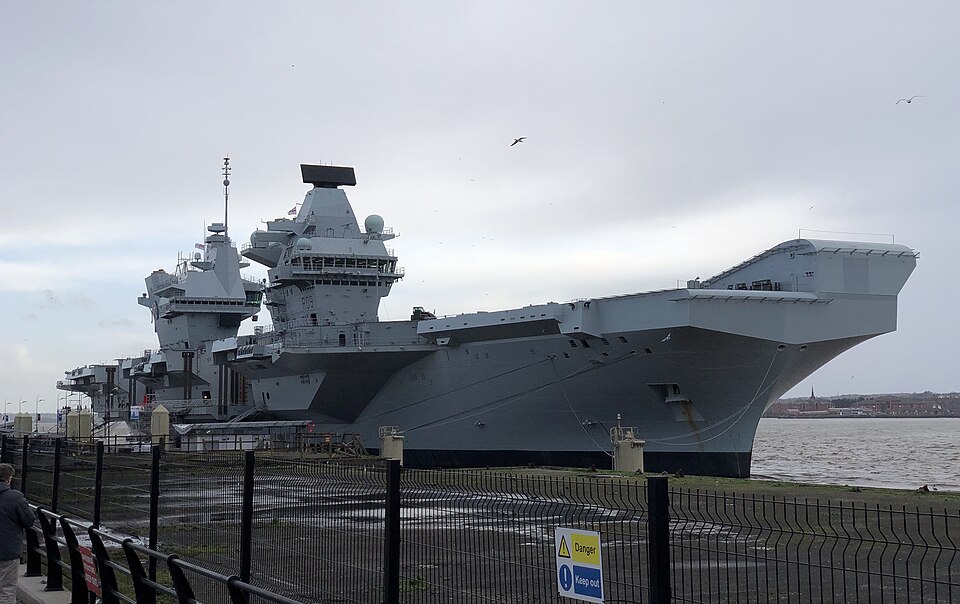
The figure that continues to shadow HMS Prince of Wales is 21.3% of commissioned time at sea. That number captures more than bad luck. It signals how technical faults and long repair periods can erode the strategic usefulness of a carrier even before any crisis begins. Prince of Wales was commissioned in 2019, but flooding damage in 2020 and a major propeller-shaft coupling failure in 2022 kept the ship out of action for extended stretches.
A carrier that spends too much of its service life in dock cannot provide dependable surge capacity, and dependence on one hull rises whenever the sister ship is also in maintenance. That pattern weakens deterrence because allies and planners need predictable availability, not occasional presence.
2. A carrier is only as credible as the air wing it can actually generate
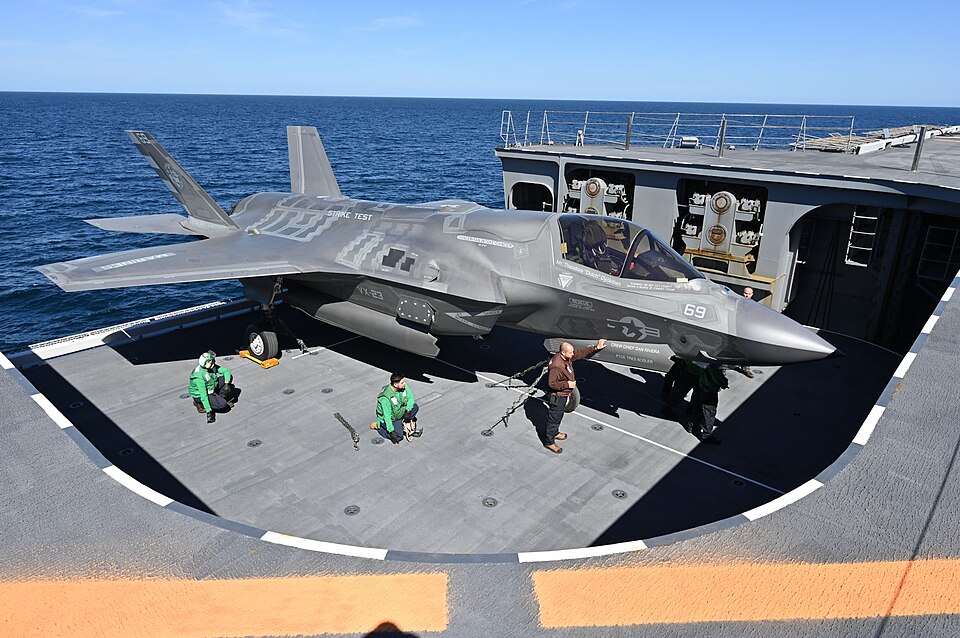
The class was built around the F-35B, and the ship can theoretically embark far more aircraft than Britain routinely fields. In service, the challenge has been generating enough jets at readiness, along with crews, maintainers, and spare capacity, to sustain carrier operations without stripping other commitments.
Prince of Wales is designed for a carrier air wing of up to 24 to 36 F-35Bs in normal operations, with larger surge figures often cited. But capacity on paper is not the same as routinely deployable mass. The Royal Navy and Royal Air Force jointly operate the UK’s F-35B force, which means every carrier deployment is tied to wider fleet management decisions, regeneration cycles, and maintenance realities.
3. The self-defense fit remains thin for a ship of this size
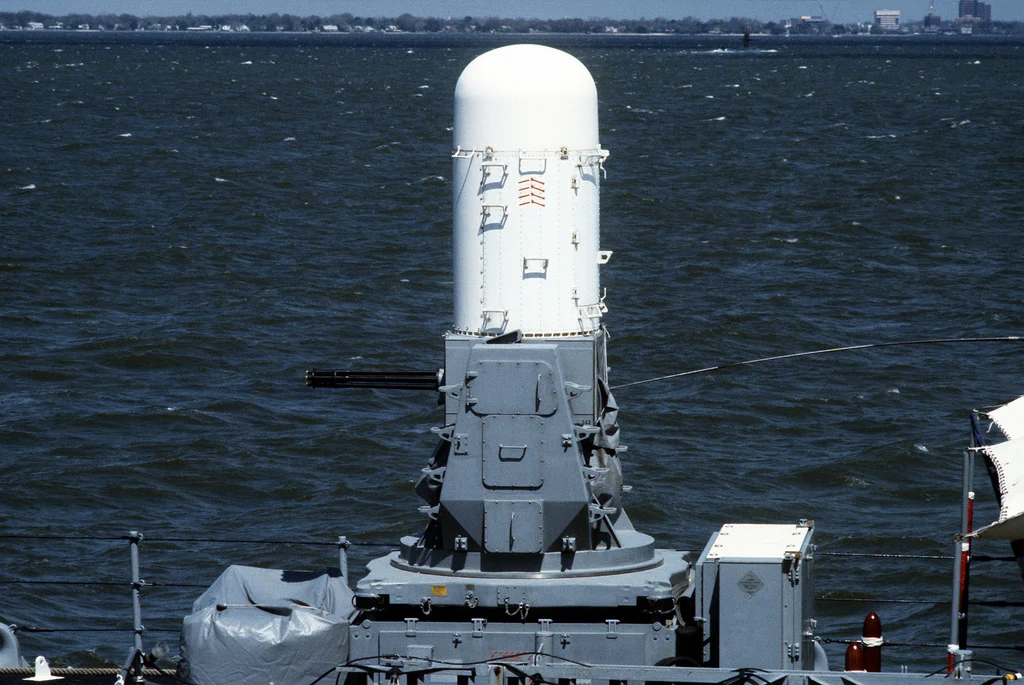
Prince of Wales carries sensors and close-in defenses, but the ship’s organic protection is heavily weighted toward the final layer. Its 3 × Phalanx CIWS are useful, but they are point-defense systems designed for threats that have already penetrated outer defenses.
That matters because modern anti-ship warfare punishes any fleet that lacks depth. A carrier operating near missile and drone threats depends on layered protection from escorts, aircraft, surveillance, and battle management. Without that wider shield, even a sophisticated flight deck starts to look exposed.
4. Escort shortages are now part of the carrier story
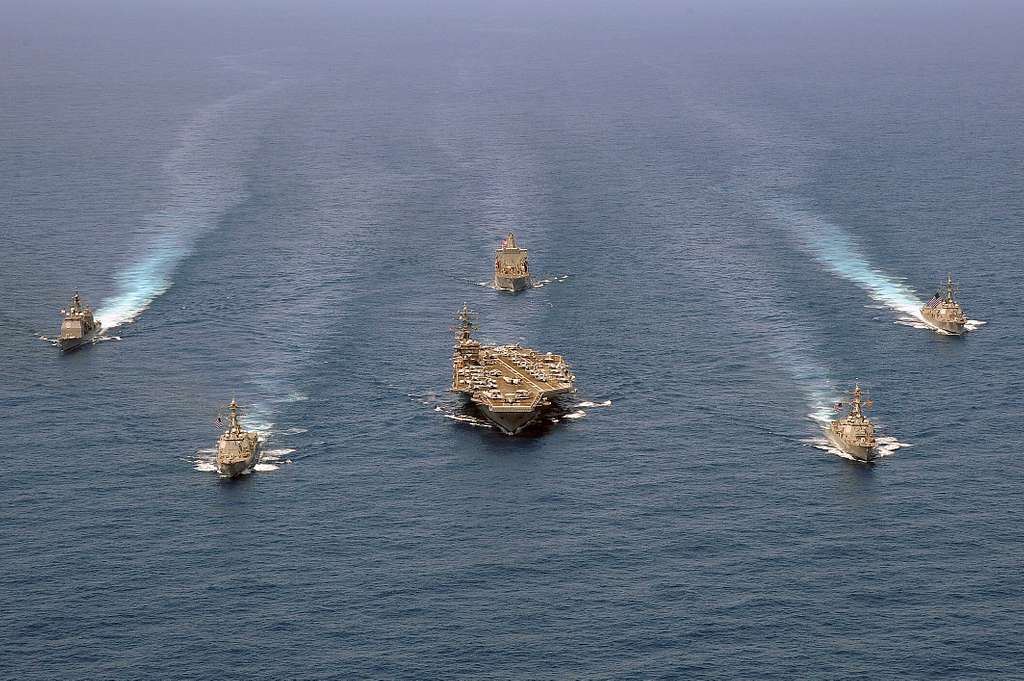
Large carriers do not sail alone in serious operations. They need destroyers, frigates, submarines, support ships, and aircraft to create the protective envelope that makes carrier aviation possible. That is where Britain’s problem becomes structural. Recent assessments of readiness have pointed to a narrow pool of immediately deployable escorts, while specialist reporting has noted that any short-notice sailing by Prince of Wales would likely require European allies to provide additional escorts.
That is not unusual in coalition operations, but it is a limitation when a carrier is presented as sovereign power projection. A carrier strike group is a system-of-systems; when the escort layer is thin, the capital ship’s freedom of action shrinks with it.
5. Reliability problems have expanded from engineering to credibility
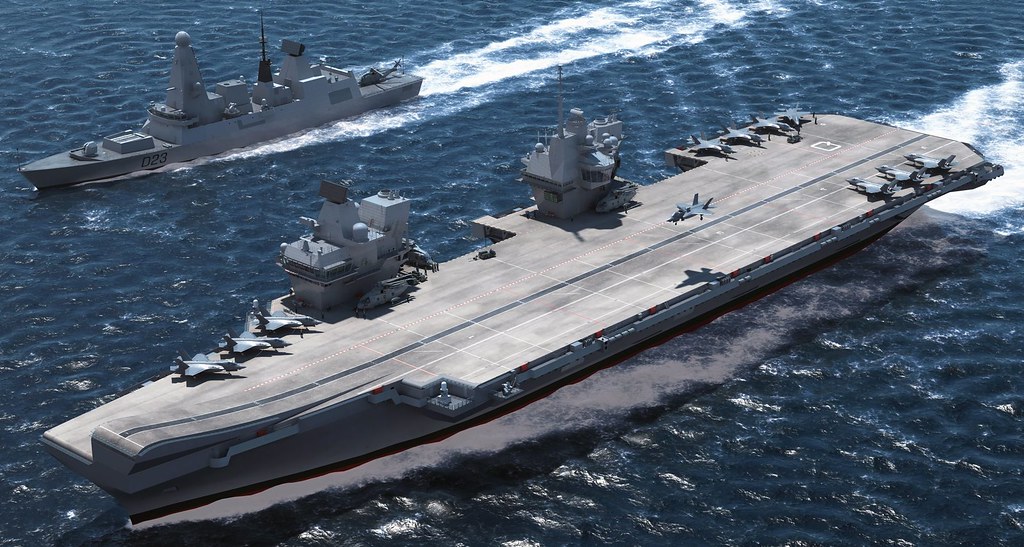
Mechanical faults are expected in complex warships. Repeated high-visibility failures are different. The Queen Elizabeth class has dealt with flooding, shaft issues, delayed deployments, and recurring public scrutiny over sustainment, including crew-living concerns on the sister ship. Each episode adds to the perception that the class is harder to keep available than originally planned.
That perception has fed periodic discussion of “extended readiness” for one carrier, effectively reducing active carrier capacity to preserve personnel and budget. Once that conversation enters the mainstream, the issue is no longer only engineering. It becomes doctrinal: whether Britain wants continuous carrier relevance or a more occasional expeditionary option.
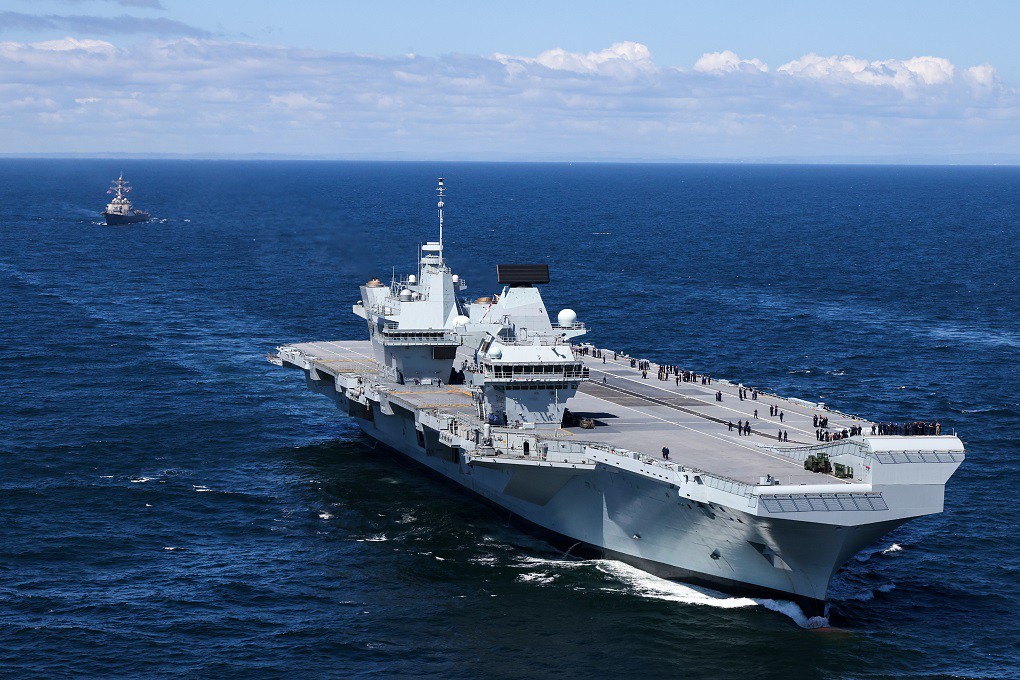
6. The design still offers real strategic utility
None of this makes Prince of Wales irrelevant. The ship remains one of the largest warships ever built for the Royal Navy, with a long flight deck, substantial range, and the ability to host fixed-wing jets, helicopters, command staff, and multinational detachments. The class has also shown adaptability, including aviation trials and coalition deployments that underline its value as a flexible maritime air base.
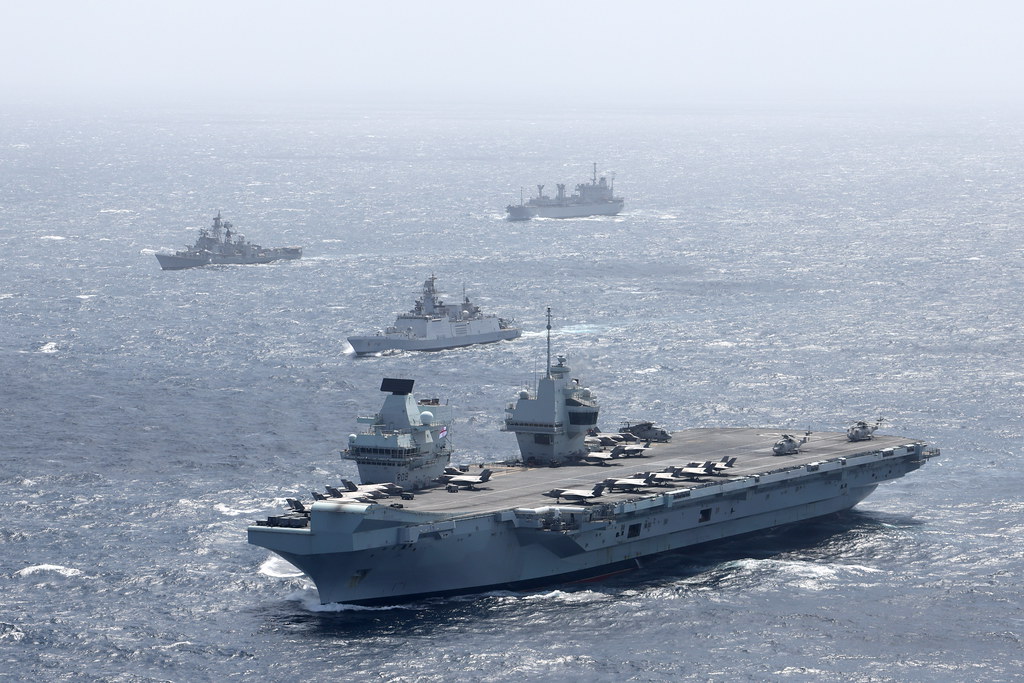
That is precisely why the readiness debate matters. The platform itself is not the central weakness. The pressure points are around it: aircraft numbers, escort depth, maintenance resilience, and manpower. When those pieces align, the carrier becomes a highly visible instrument of naval diplomacy and air power. When they do not, the ship risks being judged by time in dock rather than capability at sea.
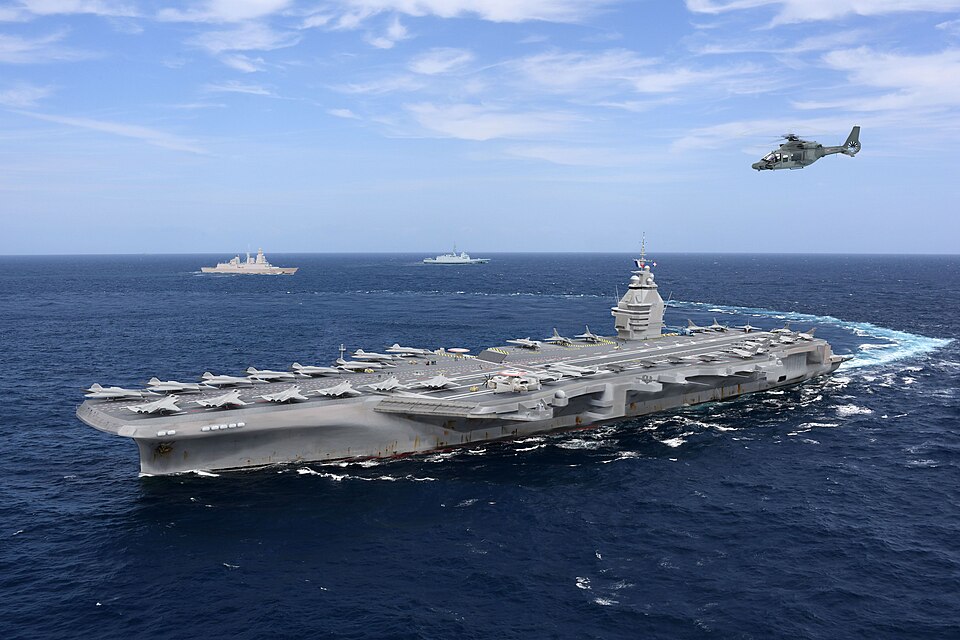
Prince of Wales therefore represents both ambition and warning. Britain still possesses a serious carrier design, but modern carrier power is not measured by tonnage alone. It is measured by how often the ship can sail, how well it is protected, and whether the surrounding force can keep pace with the flagship.


