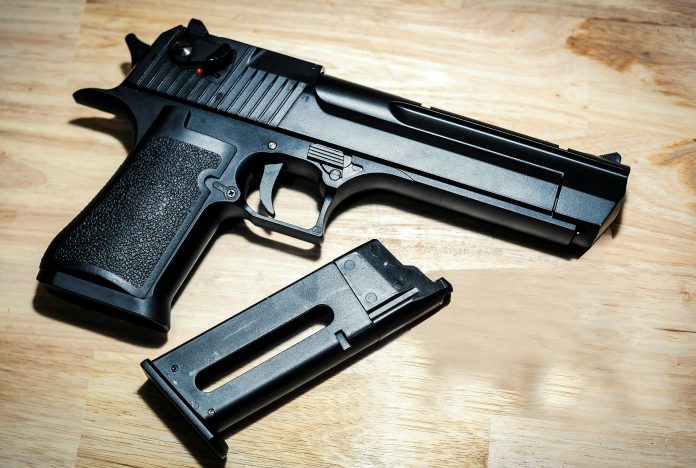
A familiar rollmark still carries enormous weight in the firearms world. For generations, some makers built reputations so strong that buyers treated the name on the barrel or slide as a shortcut for trust. That shortcut has weakened. Ownership changes, factory moves, broader product lines, and faster production have all made brand reputation less dependable than model-by-model inspection. In a market that included 5,845,019 firearms imported into the U.S. in 2023, legacy alone no longer answers the reliability question.
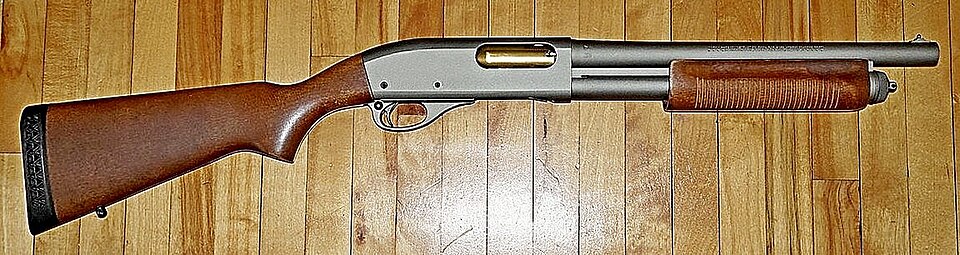
1. Remington
Remington spent decades as the safe answer for pump shotguns and bolt rifles. The 870 and 700 earned that standing through long service lives, simple operation, and broad use in hunting camps and patrol racks. That confidence faded during the Freedom Group period, when complaints about rough machining, uneven finish, and inconsistent fit became too common to ignore. The result was a split identity: older Remingtons remained highly regarded, while later production forced buyers to pay closer attention to manufacturing era instead of relying on the brand name alone.
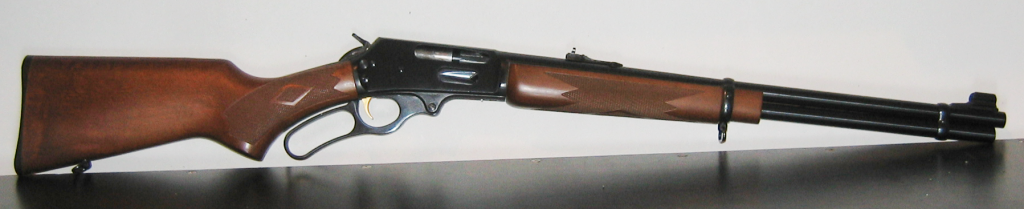
2. Marlin
Marlin’s reputation was damaged so visibly that shooters gave the troubled period its own nickname: “Remlin.” Lever gun fans used the term to describe rifles that seemed to lose the polish and fit associated with older North Haven production. Owners and forum users often pointed to visible machining marks, weaker wood to metal fit, and a less refined feel after production changes. Even discussions from the transition period reflected uncertainty about barrel markings, assembly location, and whether the old know how had moved with the machinery. The turnaround under Ruger has mattered, and company reporting linked $40.7 million in first quarter 2025 firearm sales to new products that included Marlin lever guns, but reputations recover more slowly than factory output.
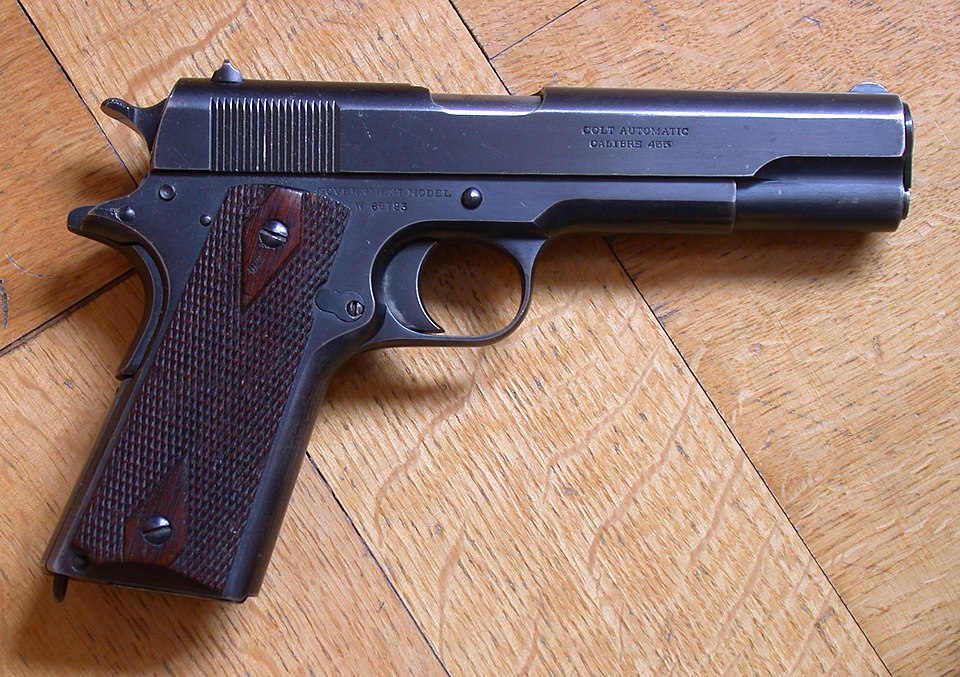
3. Colt
Colt still carries one of the biggest names in American firearms, but modern buyers no longer treat it as an automatic guarantee. Business instability played a role, especially after the company filed for Chapter 11 bankruptcy in 2015. Product level complaints also shaped that shift. In owner discussions around newer 1911 pattern pistols, some described sharp burrs, rough finishing details, and even a cracked barrel link bracket mount found during cleaning. Others reported trouble free pistols, which is part of the problem for a brand built on consistency. The Colt name still attracts buyers, but it now invites scrutiny instead of ending it.
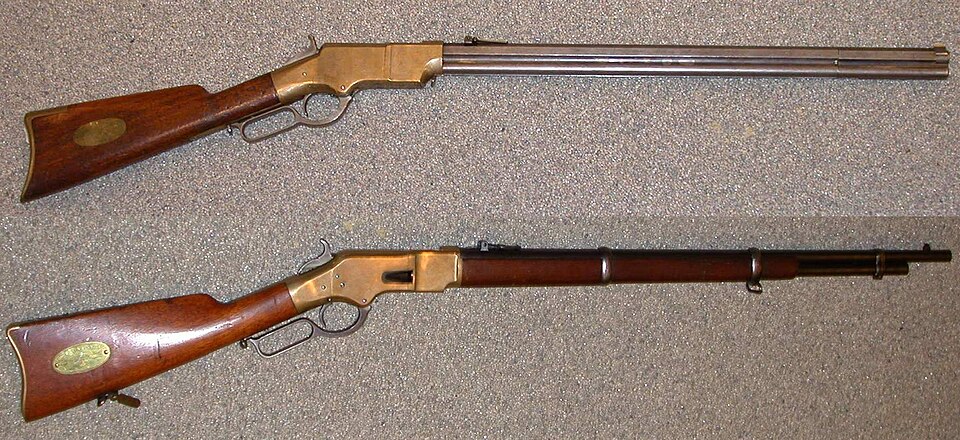
4. Winchester
Winchester faces a different kind of reliability burden: its own history. The brand’s older lever guns and pre 64 style prestige created an expectation that modern production is routinely measured against. For many enthusiasts, the New Haven plant closure became a dividing line in how the brand was discussed. That does not make every current Winchester suspect. It means the name alone no longer carries the same assumption of heirloom grade finish and slick operation that older examples established.
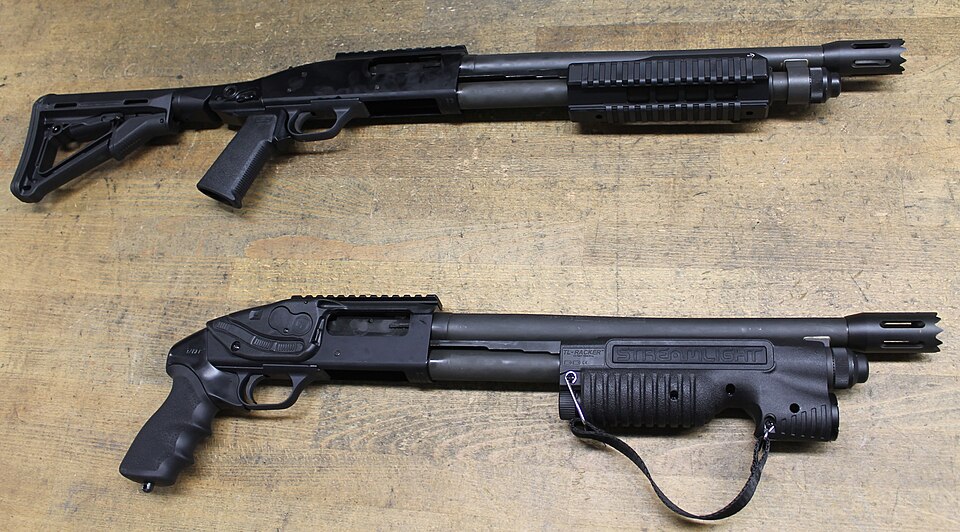
5. Mossberg
Mossberg’s core identity remains strong because the 500 and 590 families built a reputation for hard use and simple dependability. Those shotguns still define the brand for many shooters. The challenge came as the catalog expanded. Once a company moves from a few trusted workhorses into a broader spread of rifles, shotguns, and handguns, consistency becomes harder to summarize with one reputation. Industry production figures showed Mossberg as the U.S. shotgun volume leader with 253,633 shotguns made in 2023, and scale can reveal weak spots just as clearly as strengths.
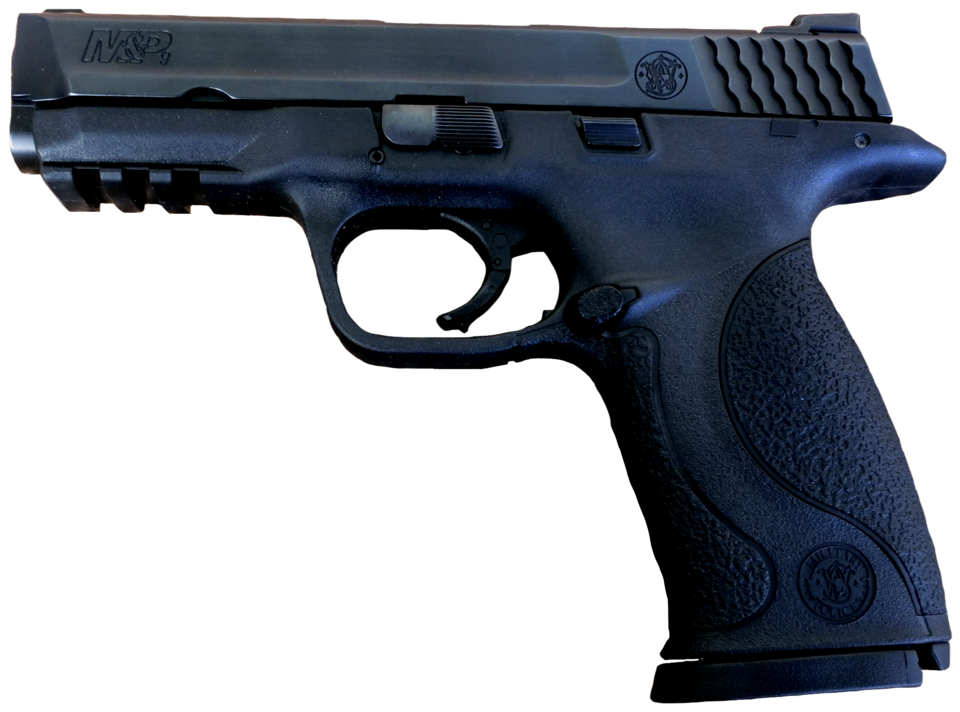
6. Smith & Wesson
Smith & Wesson still holds enormous credibility, especially in revolvers. But long-time shooters often separate older craftsmanship from modern production realities. Classic revolvers built the company’s prestige through polish, timing, lockup, and overall feel. The modern company serves a much larger market with a wider product mix, and that changes how the brand is judged. Strong sales do not erase that contrast; public filings cited $474.7 million in fiscal 2025 net sales, underscoring how volume and legacy now coexist in ways that can complicate expectations.
7. Savage Arms
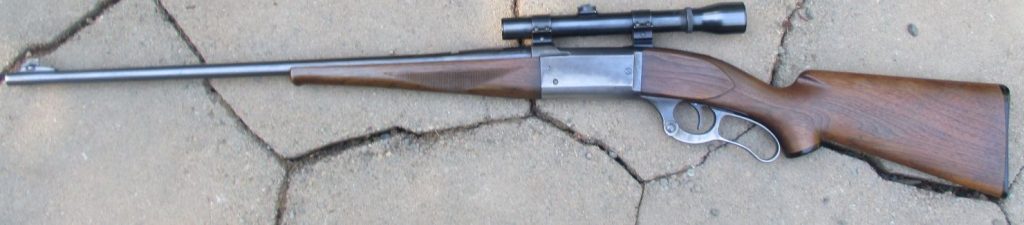
Savage earned loyalty by delivering practical accuracy at accessible price points. For many hunters, that combination made the brand one of the smartest values in the rack. Reliability and trust became more complicated when safety operation entered the conversation around the Axis II line. The reference material described allegations tied to the tang safety’s middle position and noted internal testing language that included “MID SAFE” and “FIRES ON SAFE.” Once a brand known for straightforward utility becomes associated with safety questions, buyers naturally stop assuming and start checking.

8. Thompson/Center
Thompson/Center lost confidence less through one notorious defect than through instability. The company’s appeal had long rested on modular platforms like the Contender and Encore, which built loyal followings around versatility and practical interchangeability. As ownership and product continuity shifted, shooters began worrying about support, barrel availability, and long term parts access. A modular system only inspires confidence when the ecosystem behind it looks stable. Once that certainty fades, the brand feels more like a legacy name than a dependable current choice.
9. Kimber
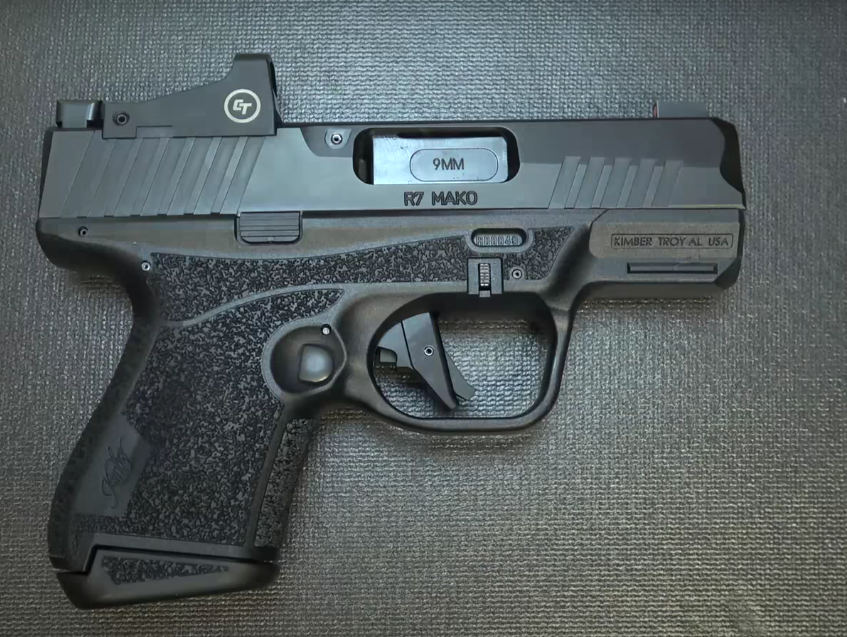
Kimber remains one of the most divided names in the pistol market. Many owners report excellent service, especially with 1911s, while others describe extraction trouble, finicky behavior, or reliability that fell short of expectation. That gap matters because defensive handguns are judged by consistency more than personality. A pistol expected to ride in a holster and work every time does not get much grace for variability. Kimber’s issue has not been the absence of good guns; it has been the persistence of enough mixed experiences to keep the brand from feeling like a sure thing.
The pattern across these brands is not mysterious. Manufacturing decisions, corporate ownership, production scale, and model expansion can change what a famous name actually means in the field. For modern shooters, reliability is increasingly tied to a specific production era, a specific model, and careful inspection rather than nostalgia. Legacy still matters, but it no longer replaces verification.


