Some firearm designs age into irrelevance. A small handful do the opposite. They survive new materials, new machining methods, and decades of redesign because their core mechanical ideas solved problems so well that later engineers mostly refined them rather than replacing them.
That durability is not nostalgia alone. In several cases, the old pattern still defines what reliability, shootability, or serviceability looks like in its class. Modern guns may be lighter, easier to accessorize, or simpler to mass-produce, but the original engineering logic keeps reappearing because it still works.
1. M1911
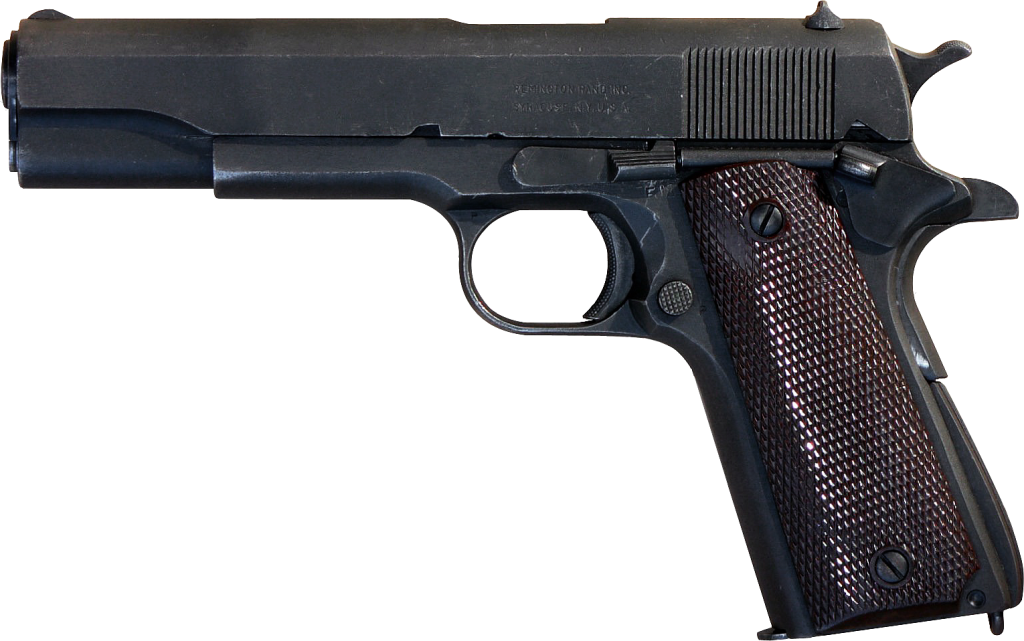
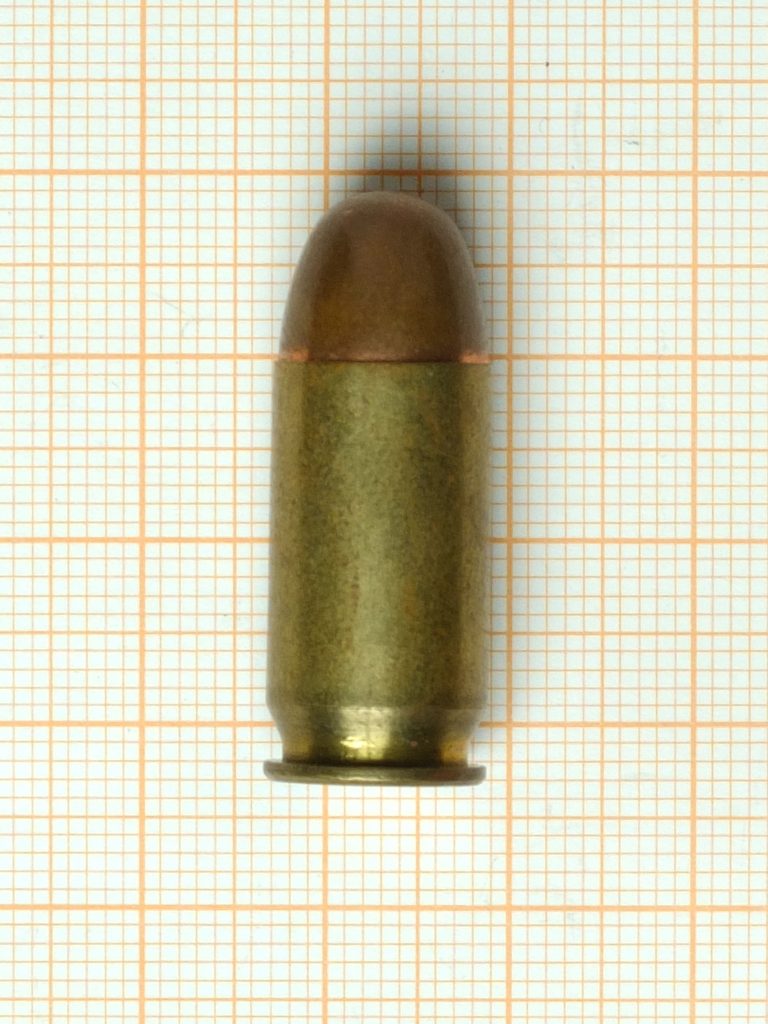
The 1911 remains one of the clearest examples of a century old sidearm that still resists full replacement. After 6,000 rounds fired through one Browning designed .45 ACP handgun in two days with no failures, the design was adopted in 1911 and stayed in U.S. military service for 74 years. That service life alone explains why engineers still study it.
Its staying power comes from a combination that newer pistols rarely duplicate in exactly the same way: a slim grip, crisp single-action trigger, all-metal balance, and redundant safeties. The platform’s geometry gives many shooters an unusually natural point, while the heavier frame softens recoil and helps the pistol track predictably. Even critics of the design tend to acknowledge that the trigger feel is distinct and that the handgun carries a level of mechanical polish many modern duty pistols do not try to match.
It also became almost infinitely adaptable once the patents expired. The 1911 spread into competition, defensive carry, and caliber conversions, and its design DNA lives on in double-stack descendants. That is usually the sign of an engineering architecture that outgrew its original mission.
2. Glock 17
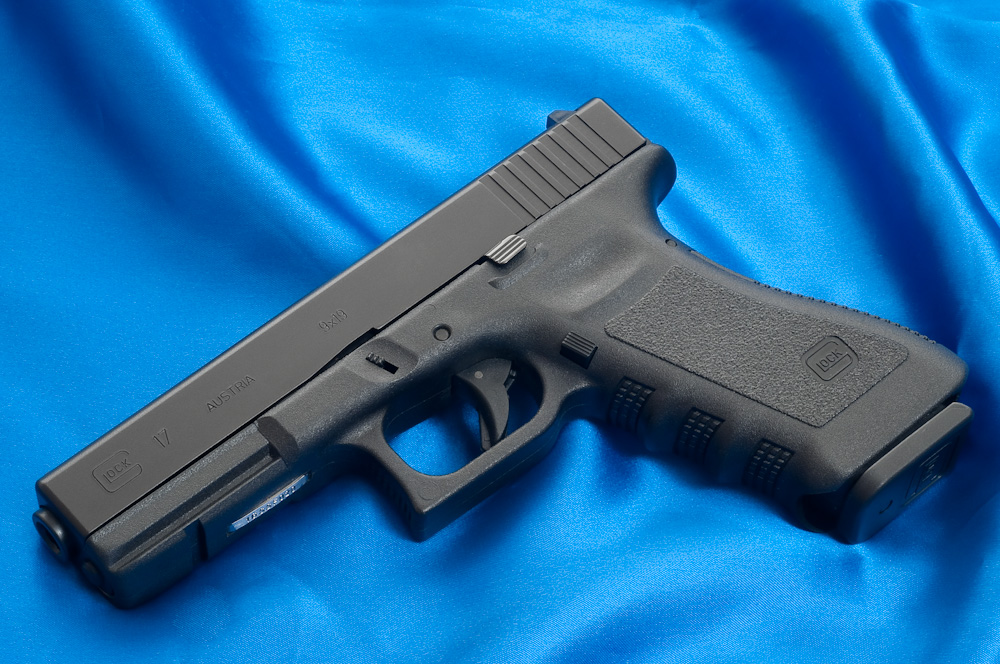
The Glock 17 is not old in the same sense as a 1911, but in modern handgun development it already qualifies as foundational machinery. When it appeared in the early 1980s, its polymer frame, striker-fired operation, and pared-down internals looked radical; today, they define much of the service pistol market.
The original gun was remarkably sparse, with just 34 separate parts. That simplicity mattered. Fewer parts meant easier maintenance, easier training, and fewer opportunities for failure. Extensive testing pushed the pistol through mud, water, freezing conditions, drops, and crushing force, and the design’s reputation grew from there.
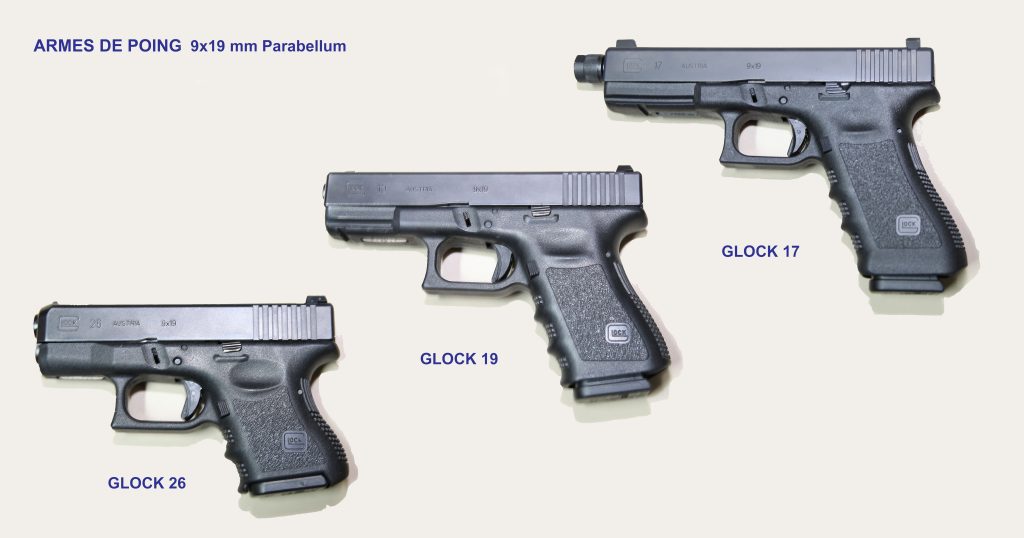
What makes the Glock hard to replace is not romance but manufacturing logic. It combined light weight, high capacity, consistent trigger behavior, and durability in a package large institutions could issue broadly. Even later generations changed details instead of abandoning the formula. The Gen5 variant removed finger grooves, added ambidextrous controls, and updated the barrel and finish, but the central idea stayed intact because the core engineering problem had already been solved so effectively.
3. Mauser 98
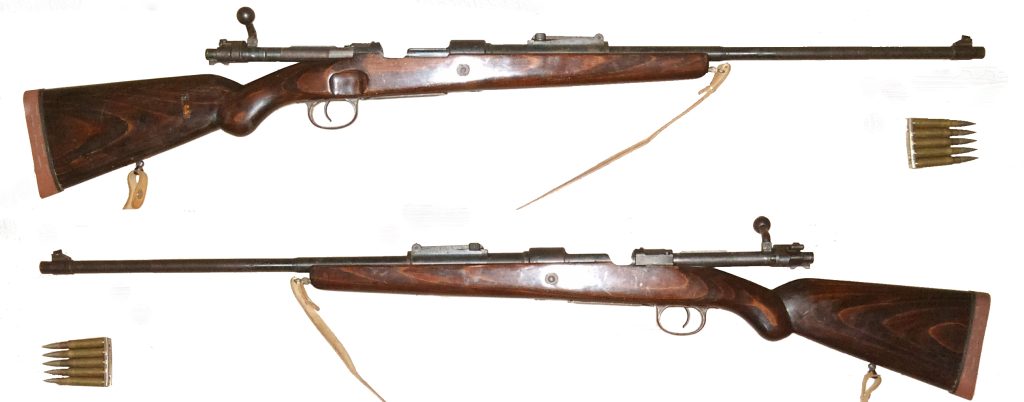
The Mauser 98 bolt action continues to shape how engineers think about dangerous game and hard use rifles. Its reputation rests on controlled round feed, a massive extractor claw, dual front locking lugs, and a third safety lug that backs up the primary system. That arrangement was built for certainty. From the instant a cartridge leaves the magazine until it is ejected, the action keeps tight control of the round. That reduces the chance of a feeding failure under stress, awkward rifle angles, or rough field conditions. Gas relief features and a robust bolt body also reflect an era when mechanical safety margins were designed into steel rather than delegated to lighter, more disposable systems. This is why the Mauser pattern still appears, directly or indirectly, in premium hunting rifles. New actions may be smoother, cheaper to machine, or easier to scope, but the M98’s controlled-feed architecture remains a benchmark whenever failure is unacceptable.
4. AR-15 Pattern
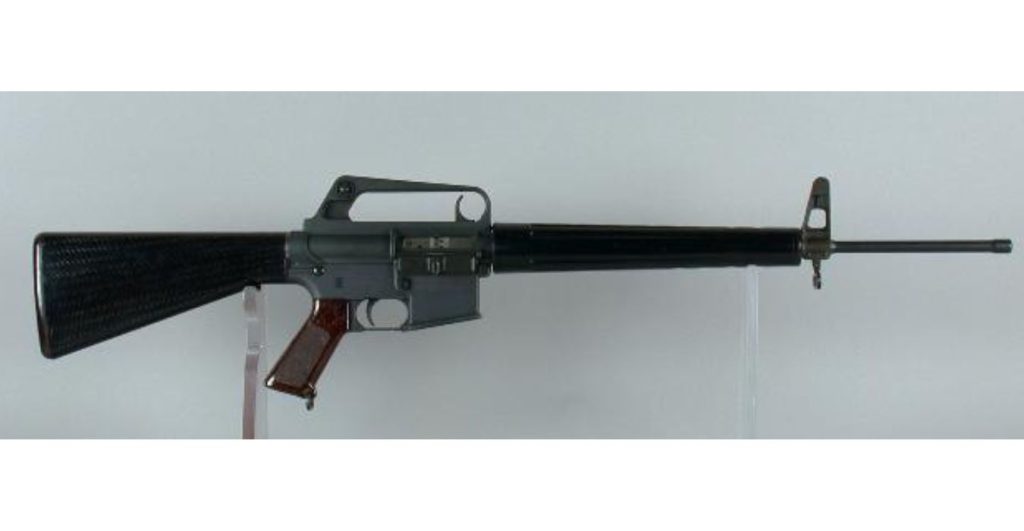
The AR-15 family is often discussed as a contemporary platform, but the core engineering dates back to the late 1950s and remains unusually hard to displace. Its real triumph is not one part but a system: lightweight construction, inline recoil layout, modular upper and lower receivers, and a design that can be reconfigured without rebuilding the entire rifle.
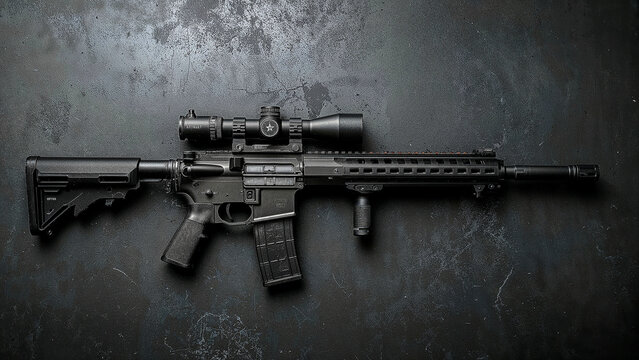
That modularity changed civilian and professional rifle development. The two-part receiver made caliber swaps, repairs, and customization dramatically easier than older fixed-pattern rifles. As an innovative feature of the AR-15 was modular construction, the platform became less a single rifle than a scalable architecture. Stocks, barrels, optics setups, handguards, and fire-control components could evolve independently while the core pattern stayed recognizable. Modern engineers still have not produced a universal successor because the AR’s layout solves too many problems at once. It balances weight, ergonomics, accessory compatibility, and field service in a way that keeps the design current even as details change.
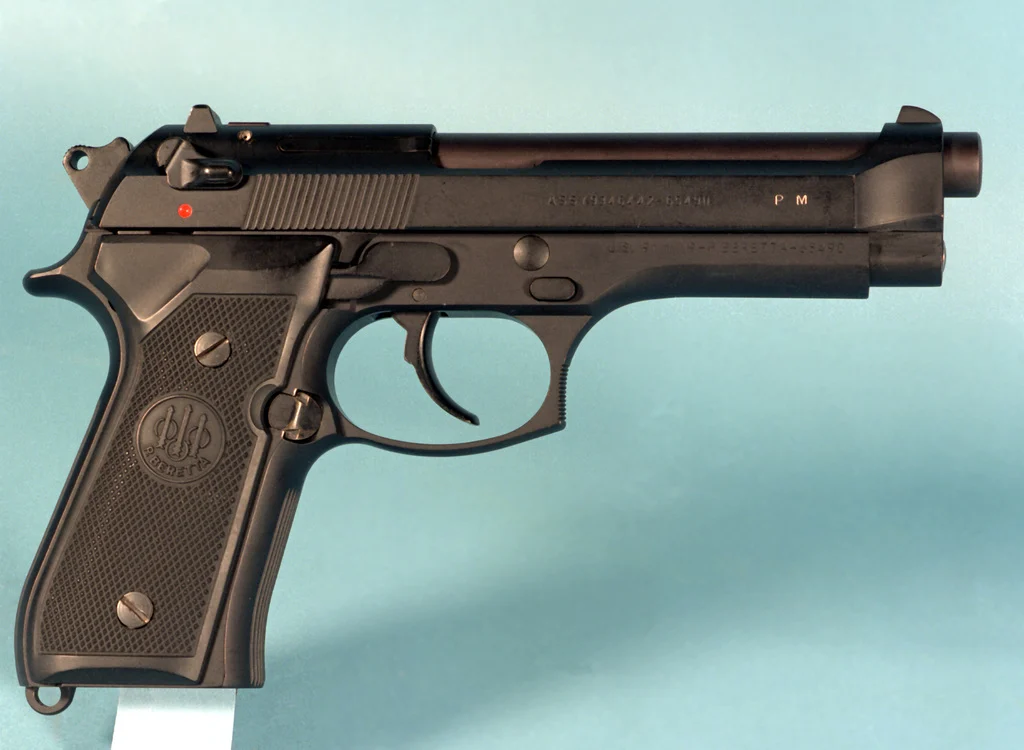
5. The Double Stack 9mm Service Pistol Formula
Some old designs become irreplaceable not as a specific model but as a template. The high capacity 9mm duty pistol matured into that kind of standard, and the Glock 17 helped cement it. By the time institutions moved away from revolvers and older steel autos, the winning formula had become clear: full-size frame, double stack magazine, manageable recoil, and fast reloads.
That template still governs police, military, and defensive handgun design. Even pistols built to challenge Glock usually preserve the same basic mission profile. They change grip shape, trigger linkage, optics mounting, or surface texture, but they rarely abandon the central architecture because it remains one of the most efficient compromises in handgun engineering.
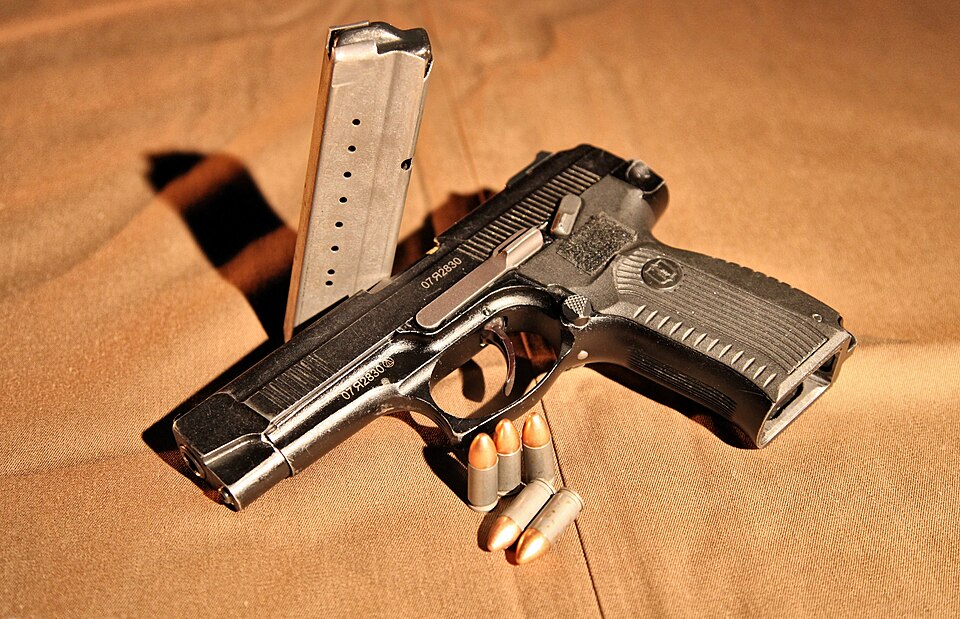
In other words, the industry keeps inventing “new” service pistols that mostly orbit an old idea. The firearm designs that endure are not simply the oldest or most famous. They are the ones that locked together mechanics, ergonomics, and manufacturing in ways later technology could improve without truly replacing.
That is why the 1911 still defines trigger quality, the Mauser 98 still anchors hard-use bolt actions, the AR-15 still dominates modular rifle thinking, and the Glock 17 still shadows every serious duty pistol. In engineering terms, that is the highest compliment an old design can receive: the future keeps borrowing from it.


