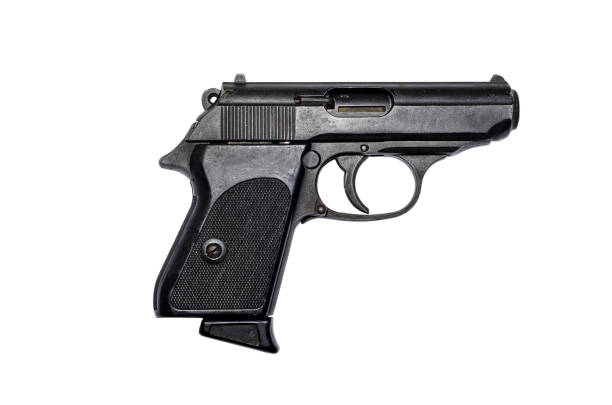
Duty pistols rarely take over because of one dramatic breakthrough. They win by stacking small engineering advantages until the platform becomes easier to carry, easier to shoot well, easier to support, and easier to keep in service. That pattern helps explain why the 9mm service pistol moved from a contested option to the default sidearm format across police, military, and security use. Its rise was tied to magazine geometry, frame materials, recoil behavior, ammunition development, and a long series of ergonomic refinements that made the gun fit more people with fewer compromises.
1. Double stack magazines changed the math
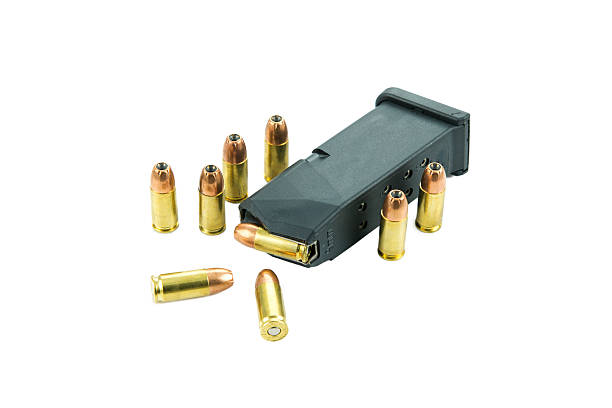
The most decisive design shift was the move to staggered column magazines. A double stack magazine lets a pistol carry more cartridges for the same grip length, which is why it became central to service handgun design. The concept is old, but its importance in duty pistols became clear when the Browning Hi-Power held thirteen rounds of 9mm, setting a template that modern service pistols still follow.
For agencies and uniformed users, that capacity increase mattered without requiring an excessively long grip or oversized sidearm. A service pistol could remain belt friendly while still carrying a useful reserve of ammunition. That balance made 9mm especially attractive, because the cartridge was compact enough to take full advantage of the magazine format.
2. Cartridge dimensions made efficient grip sizes possible
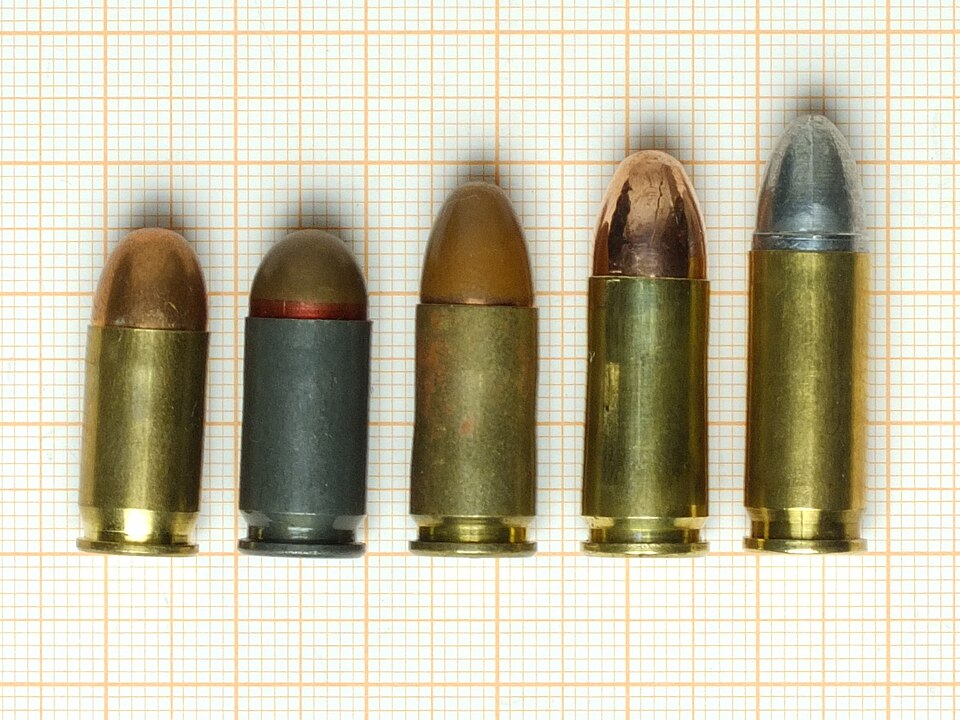
Not every cartridge works equally well inside a duty sized handgun. The 9mm’s overall length and diameter allowed designers to build pistols with meaningful capacity while keeping the grip within reach of a wide range of hand sizes. That sounds minor, but it shaped adoption. Wider magazines always push grips outward, and poor trigger reach can reduce control, especially in rapid fire. The 9mm sat in a sweet spot: large enough for duty use, small enough to package efficiently. As later compact designs proved, including the scaled down double stack P365 format, the cartridge continued rewarding designers who wanted more rounds without runaway bulk.
3. Polymer frames made full size pistols easier to live with
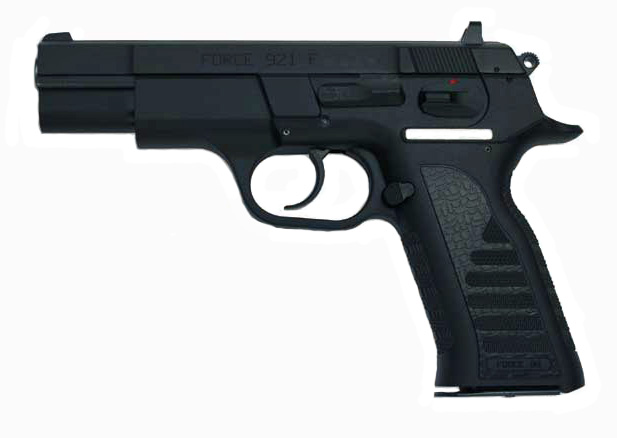
Steel frame pistols remain relevant because weight, rigidity, and heat tolerance still offer real benefits. But duty guns are carried far more than they are fired, and polymer changed that burden equation. A polymer frame cuts weight, resists corrosion, and lowers maintenance demands in rough daily service. Those are not glamorous traits, yet they matter to departments and individual users who need a sidearm that spends long shifts in holsters, cars, lockers, and varied weather. According to one overview of the format, polymer framed guns are highly resistant to corrosion, which made them especially practical for institutional use. The lighter frame also made a full capacity 9mm pistol more tolerable on the belt than a heavier metal gun with similar dimensions.
4. Recoil stayed manageable without shrinking performance
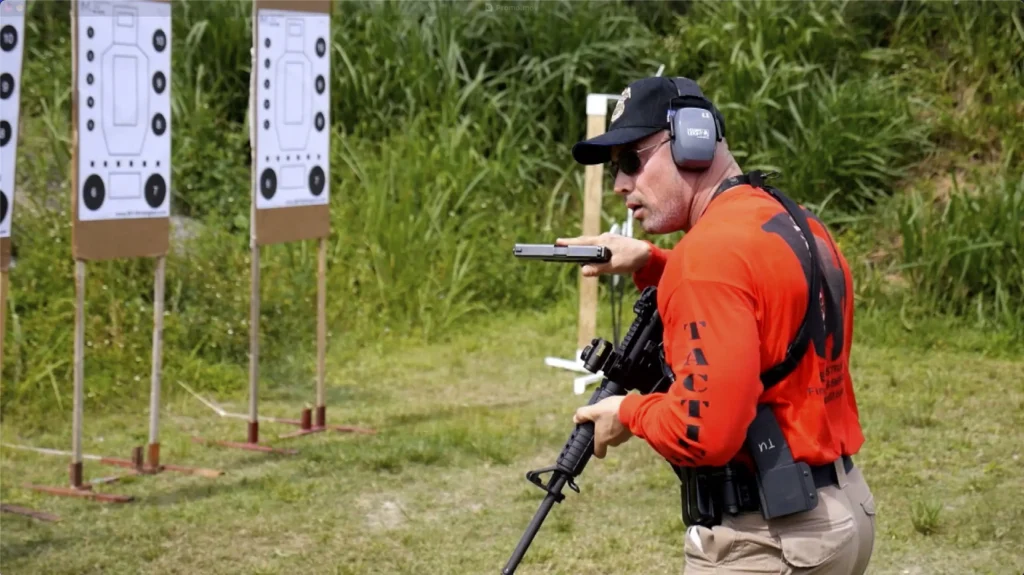
A duty pistol has to be shot accurately under pressure, often by users with very different levels of experience. The 9mm’s recoil profile helped it spread because it remained controllable in service sized handguns, especially compared with harder kicking alternatives. That controllability translated into faster recovery between shots and less shooter fatigue over long training cycles. Bill Vanderpool, who worked in the FBI’s Firearms Training Unit, put the point plainly: “It is easier to shoot accurately than heavier calibers.” That advantage became more important as agencies looked beyond caliber debates and focused on hit probability, qualification consistency, and training efficiency.
5. Bullet engineering removed an old objection
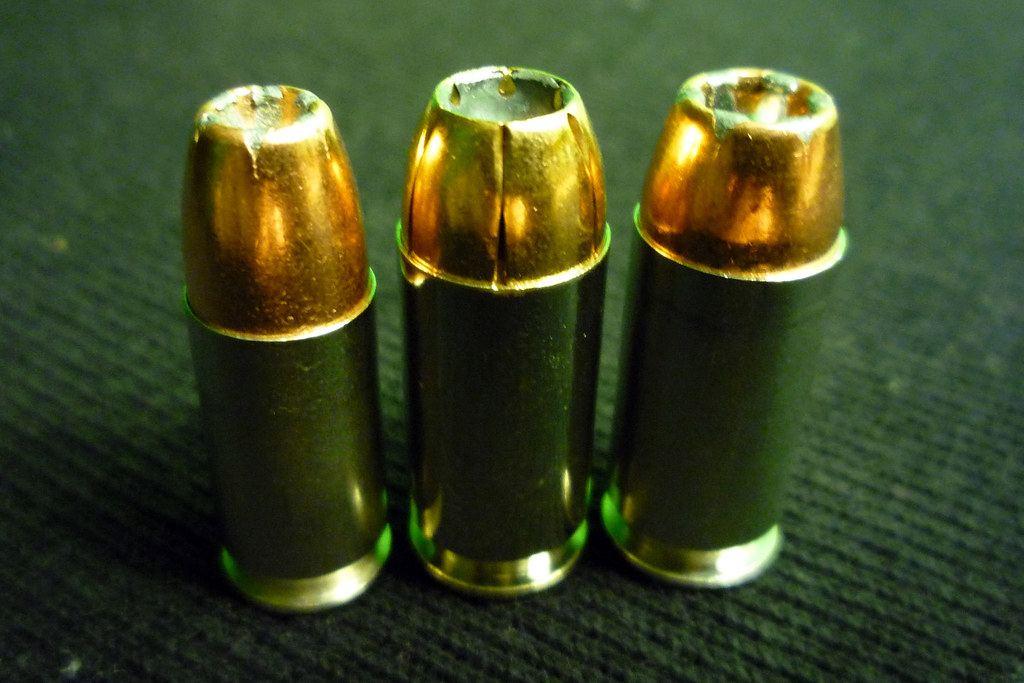
For years, arguments against 9mm service pistols centered on ammunition effectiveness rather than gun design. That changed as projectile construction improved and penetration standards became more disciplined. The key was not simply making bullets expand more dramatically. It was building loads that still performed after barriers and reached sufficient depth. The modern duty standard was strongly shaped by the FBI requirement for at least 12 inches in 10 percent ordnance gelatin. Once 9mm loads consistently met that threshold, the cartridge could deliver desired terminal performance while preserving its advantages in capacity and shootability. At that point, the pistol’s engineering strengths no longer had to compensate for a ballistic weakness.
6. Striker fired layouts simplified training and handling
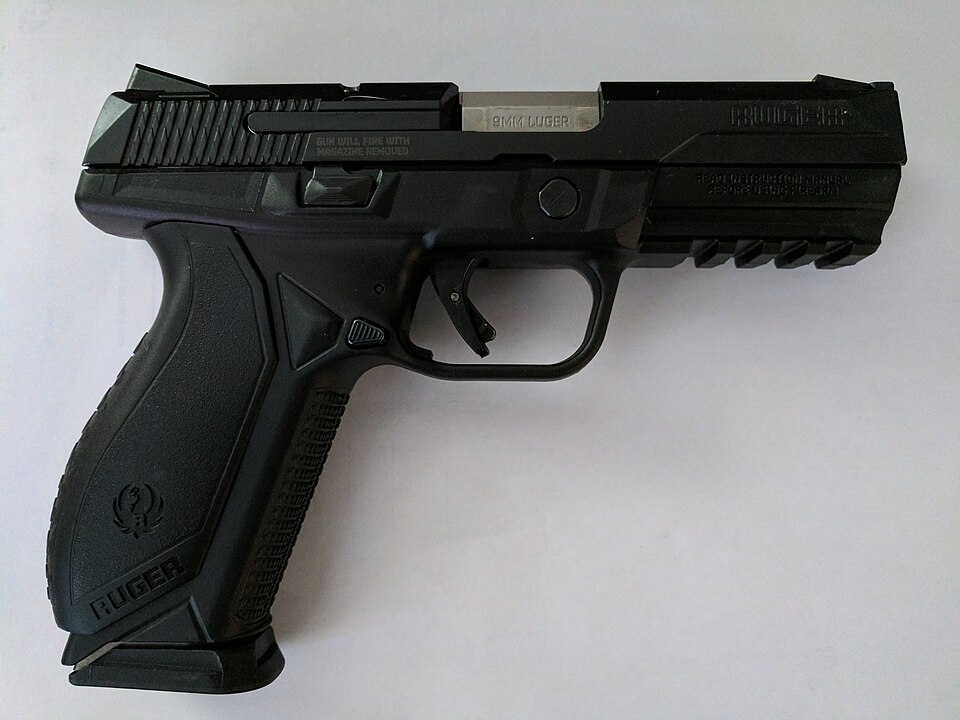
Many successful 9mm duty pistols adopted striker fired systems with consistent trigger pulls from shot to shot. That reduced the learning curve compared with systems that asked users to transition between a heavy double action first shot and lighter single action follow ups. Uniform trigger behavior, fewer external levers, and straightforward manual of arms choices all helped agencies standardize training. This did not make hammer fired pistols obsolete, but it gave 9mm service pistols a format that scaled well across large groups of users. Simplicity became an engineering feature, not just an administrative preference.
7. Ergonomics became adjustable instead of fixed
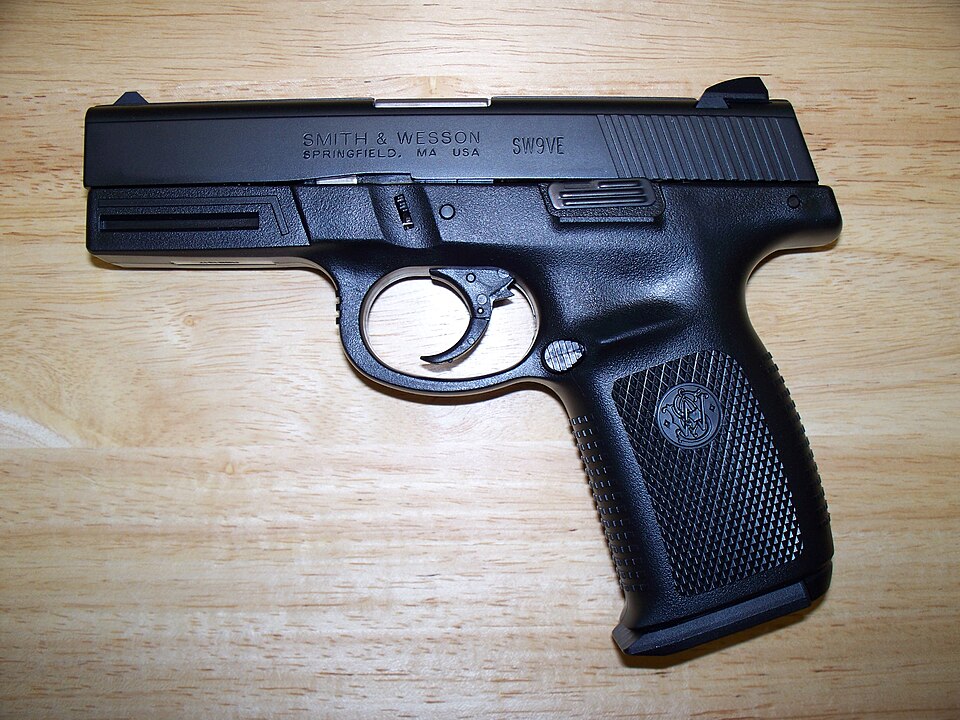
Earlier service pistols often forced the shooter to adapt to the gun. Modern 9mm duty pistols increasingly reversed that relationship with interchangeable backstraps, reshaped grip geometry, ambidextrous controls, and slimmer grip variants. That matters because a sidearm issued across a department has to accommodate different hand sizes, dominant hands, and shooting styles. Contemporary duty pistols such as the Walther PDP family illustrate how makers pursued easier to reach controls and alternate grip dimensions rather than relying on one size fits all frames. Better fit meant better trigger access, steadier grip pressure, and fewer workarounds in training.
8. The guns became durable enough for long institutional service
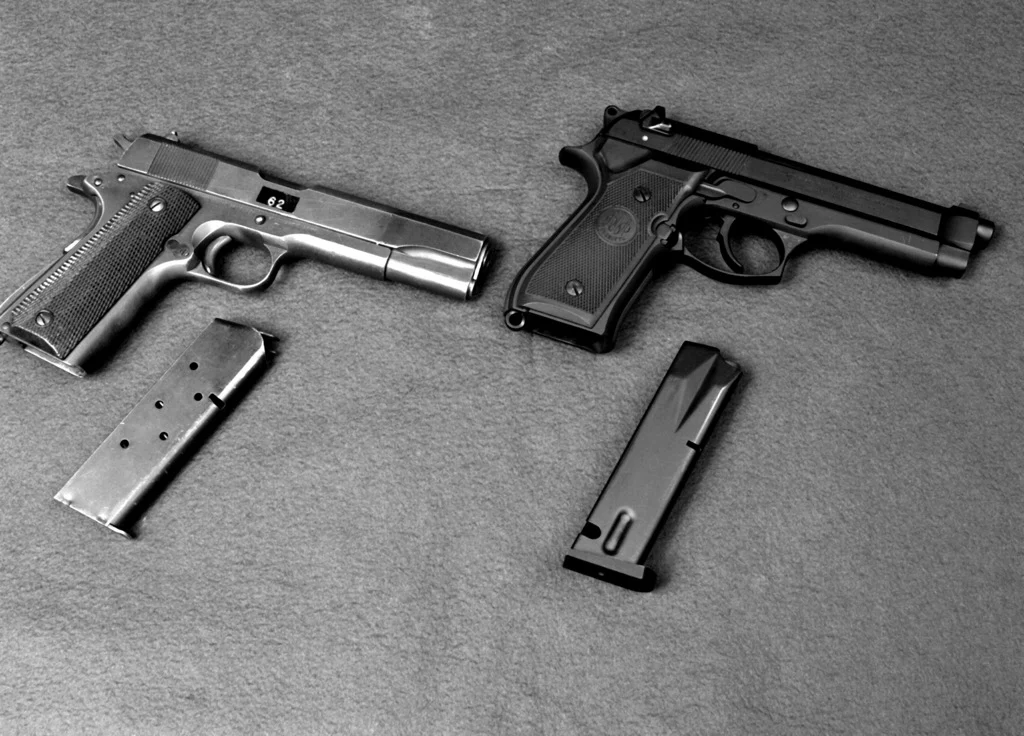
Service pistols are not only judged by how they shoot on day one. They have to survive repeated qualification cycles, constant holster wear, and large round counts with predictable maintenance. The 9mm helped here in two ways. First, the cartridge generally imposes less punishment on the gun than more forceful duty calibers. Second, as one source noted, “Forty S&W pistols are usually 9mms with bigger bores. The nines have proven to hold up better.” That durability advantage shaped fleet decisions because it touched replacement schedules, armorer workload, and long term reliability across thousands of pistols.
9. The platform kept evolving without abandoning compatibility
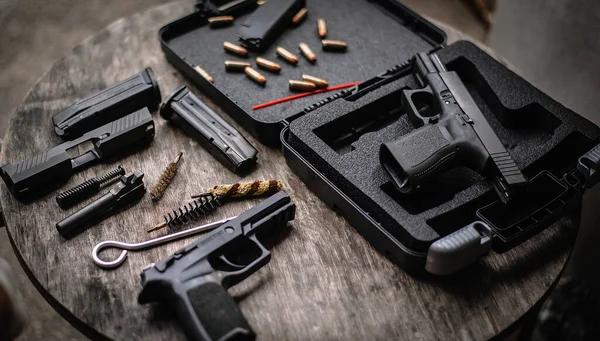
One of the quiet strengths of the 9mm duty pistol is that it did not stand still. The same cartridge moved comfortably through steel service pistols, polymer striker fired guns, compact duty models, optics ready slides, and even improved wide body metal framed designs.
That continuity built a huge support ecosystem around magazines, holsters, training programs, and ammunition. Even designs that once carried stigma, such as high capacity 1911 pattern variants, improved when makers stopped forcing old geometry onto new magazines and embraced 9mm specific solutions. The result was a service pistol class that kept getting easier to issue and easier to maintain without needing a wholesale reset.
The dominance of 9mm duty pistols was not built on one dramatic selling point. It came from many modest choices that worked together: efficient cartridge dimensions, higher capacity magazines, lighter frames, manageable recoil, better bullets, simpler controls, and broader durability. That is usually how engineering winners emerge. The loud feature gets the attention, but the quiet design decisions are the ones that stay on the belt.


