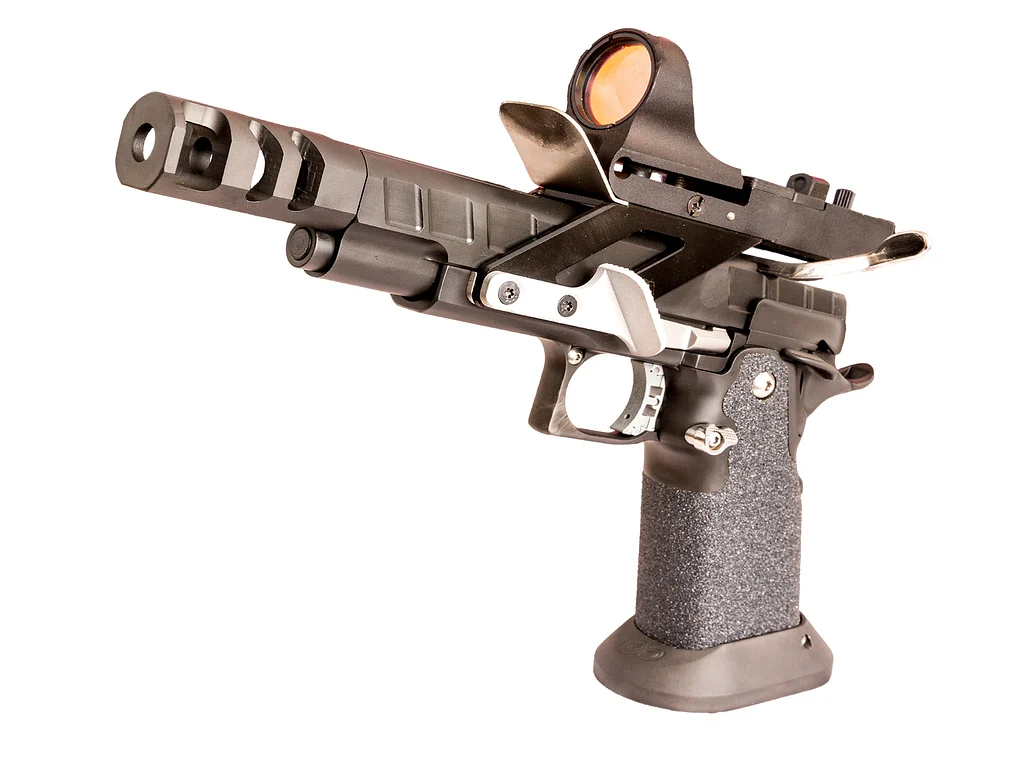
The optics-ready handgun did not become mainstream just because manufacturers started cutting rectangles into slides. The real change happened deeper in the gun, where engineers reworked load paths, sight geometry, maintenance access, and slide behavior so a slide-mounted optic could survive recoil and still leave the pistol usable when electronics are not.
That quiet redesign explains why the optic cut now looks less like an accessory feature and more like part of a pistol’s core architecture. As factory optics cuts replaced custom milling, the supporting engineering had to mature with it.
1. Lower optic placement became a structural advantage
Modern optics-ready pistols increasingly push the sight lower into the slide, and that is not just a cosmetic choice. A lower-mounted optic sits closer to the bore line, which reduces leverage acting on the screws and mounting surfaces during recoil. Less height above the slide means less prying force trying to bend, loosen, or shift the optic under repeated firing.
That simple goal forces harder design decisions elsewhere. Pocket depth, roof thickness, and the amount of steel left around the cut all have to be balanced so the slide remains rigid enough to hold zero while still making room for the sight. In other words, “low” is not just sleek. It is part of the durability equation.
2. Mounting systems stopped asking screws to do all the work
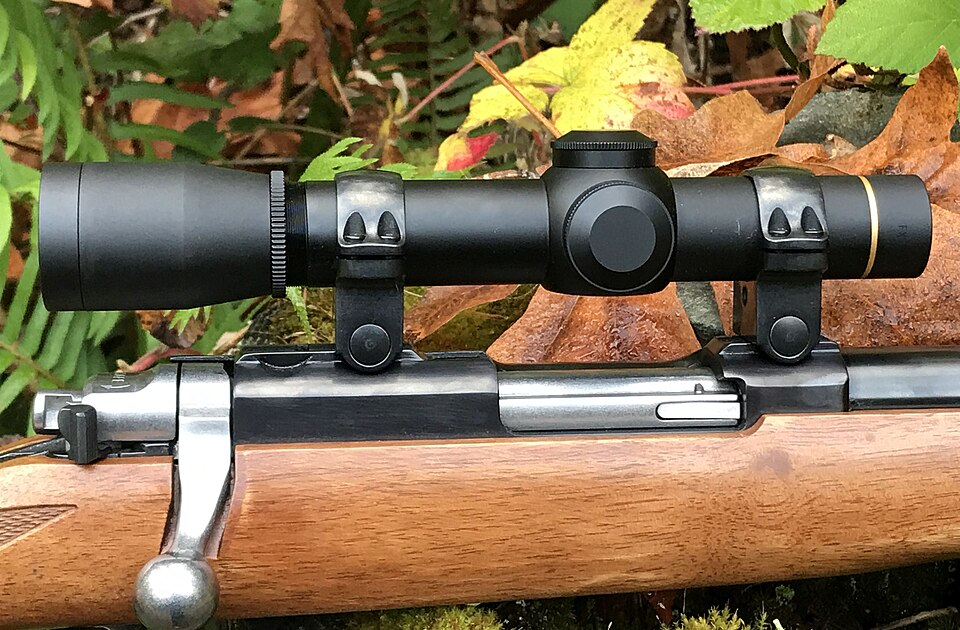
Early optics-ready handguns often treated screws as both clamp and structure. That approach worked until round counts climbed and recoil started punishing the interface. Newer systems spread those loads across recoil bosses, wedges, and machined bearing surfaces so the screws mainly hold tension instead of absorbing repeated shear force.
This is one of the least visible changes and one of the most important. A better interface turns the optic mount into a managed mechanical load path rather than a pair of tiny fasteners resisting everything alone. As direct-mount designs became more common, manufacturers shifted attention from screw size to how the entire sight body keys into the slide.
3. Battery changes were redesigned to avoid zero loss
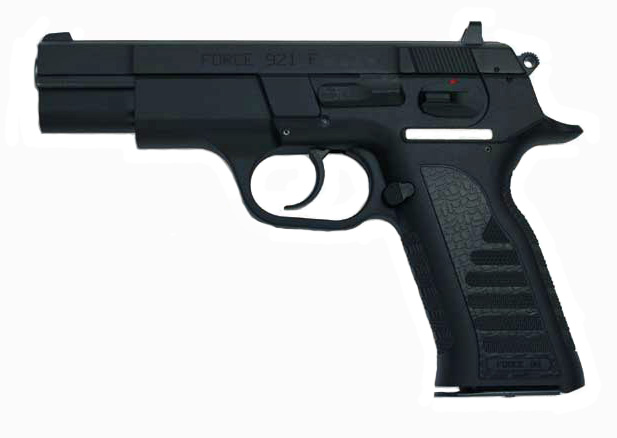
Maintenance used to be one of the weak points of slide-mounted optics. If the battery sat underneath the optic, a routine power swap could mean removing the sight, reapplying threadlocker, retorquing screws, and checking zero all over again. Every one of those steps added another chance for human error.
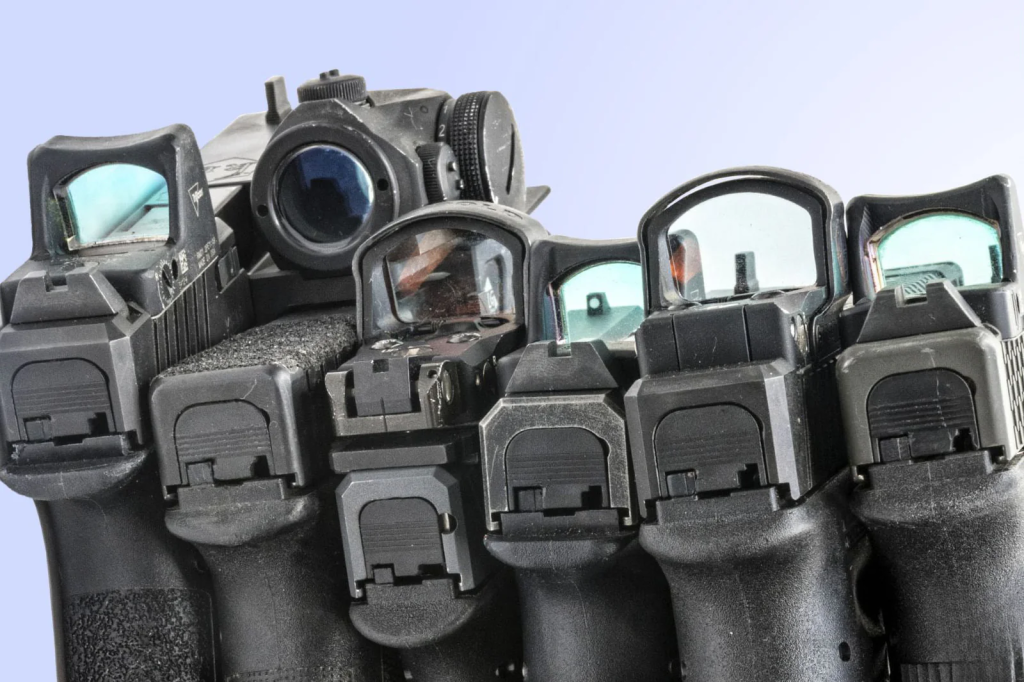
That is why newer carry-oriented enclosed emitters increasingly emphasize OEM integration and easier service access. Battery compartments that can be reached without unmounting the optic reduce handling damage and make the sight more practical as a daily-use aiming system, not just a range accessory.
4. Iron sights were rethought as a backup network
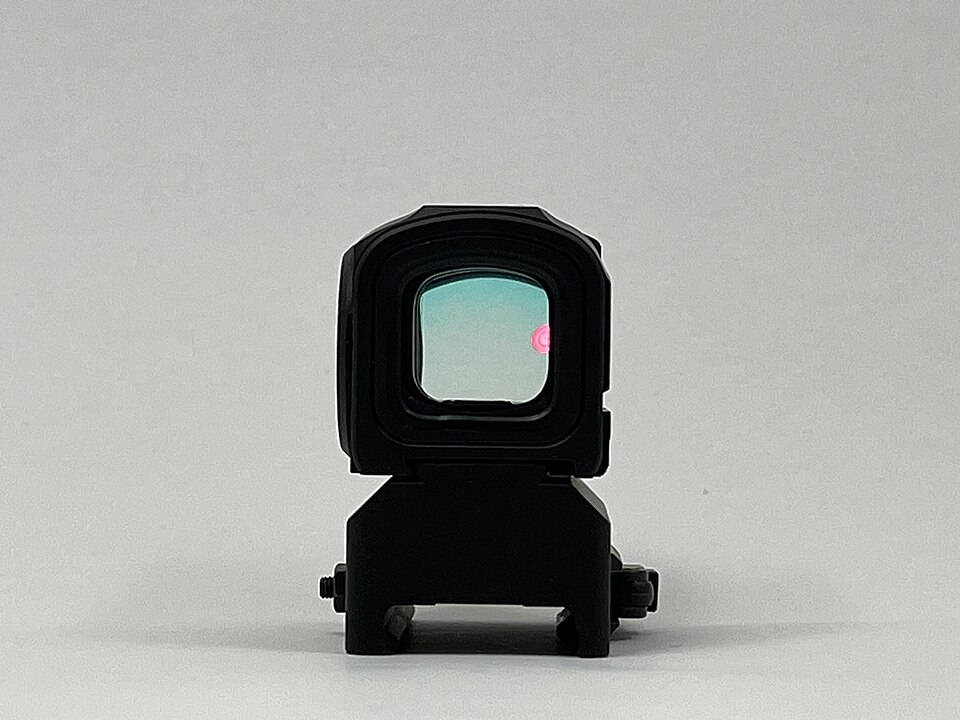
Once a red dot becomes the primary aiming reference, iron sights no longer define the handgun’s sight picture in the traditional way. They become the fallback system, which changes everything about their geometry. Taller irons, stronger bases, and revised dovetail choices are now common because the sights must clear the optic body and still remain visible through the window.
The widespread move toward lower-third and absolute co-witness setups reflects that shift. Both arrangements demand careful alignment between optic height, window position, and iron-sight elevation. They also create secondary engineering consequences, including snag considerations, holster clearance, and the extra stress tall sights endure under recoil and hard use.
5. Slide mass and cycling had to be tuned for dot tracking
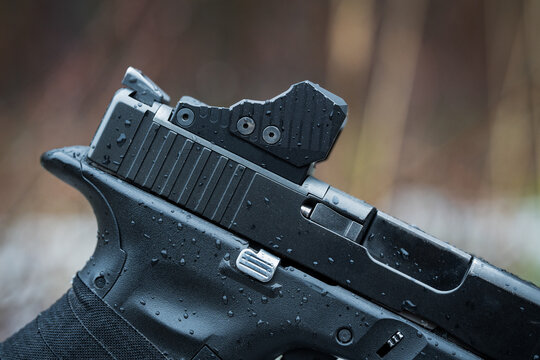
An optic changes what shooters pay attention to during recoil. With irons, the shooter works through front sight alignment and sight radius. With a slide-mounted dot, the critical experience becomes how quickly the dot leaves the window and how predictably it returns. That pushes engineers toward a different set of priorities. Slide cuts remove metal, optics add reciprocating mass back, and the final balance affects cycling feel more than many shooters realize. Experienced users have long noted that milled slides often offset much of the optic’s added weight, and discussion around reciprocating mass consistently centers on cycling behavior rather than dramatic recoil changes. That aligns with broader design trends toward integrated systems, including ultra-compact optics with 18–22% weight reductions, because a lighter sight gives designers more freedom to preserve the pistol’s recoil pattern.
6. Standardization pressure turned optics-ready into a platform feature
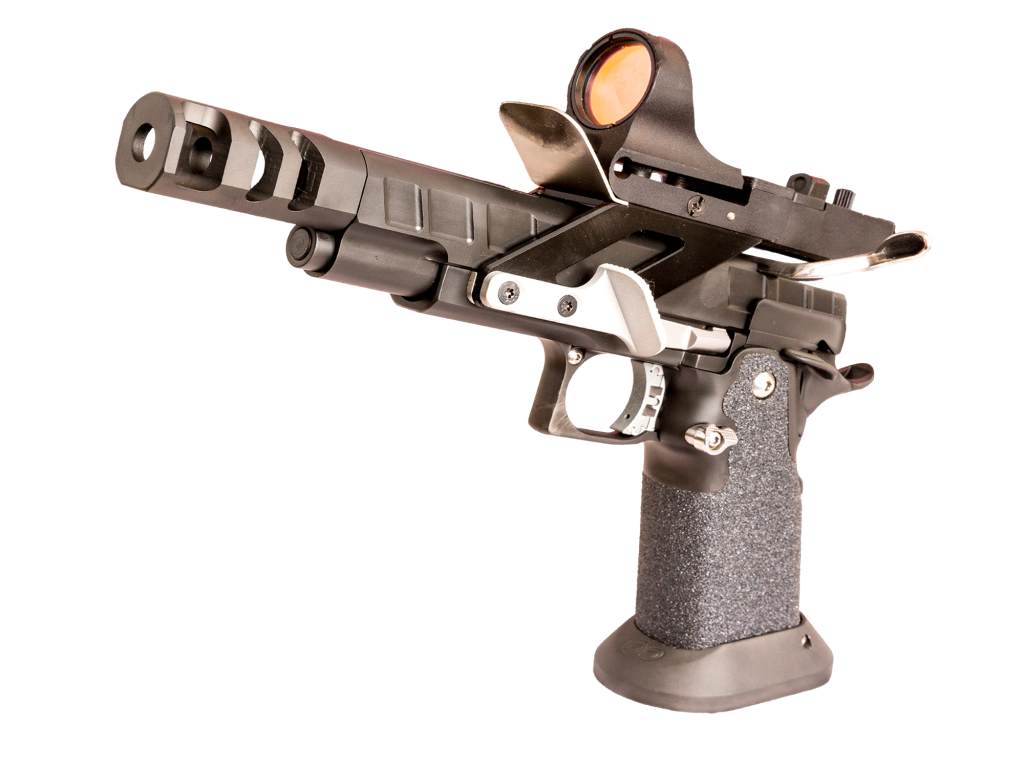
The final shift happened at the production level. Once police buyers, new shooters, and aging shooters all started expecting optics compatibility, manufacturers had a reason to stop treating optics-ready models as special variants. The slide cut had to work across compact, duty, and slimline pistols without creating a maze of unique screws, plates, and tolerances.
That manufacturing pressure is tied to broader market growth. The optics sector was valued at USD 740.39 million in 2024, large enough to influence handgun development from the start rather than after launch. Once that happens, compatibility becomes an engineering constraint, not a marketing bonus.
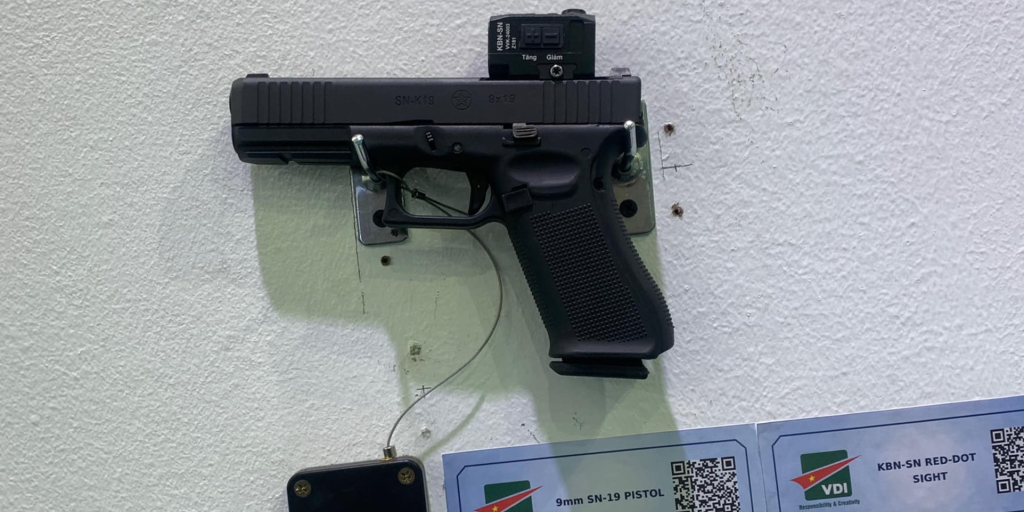
The result is a different kind of pistol. An optics-ready slide now carries decisions about structural steel placement, recoil control, backup sighting, maintenance routine, and factory production efficiency all at once. That is why the modern red-dot handgun no longer reads like a standard pistol with an accessory attached. It reads like a pistol designed around the optic from the beginning.


