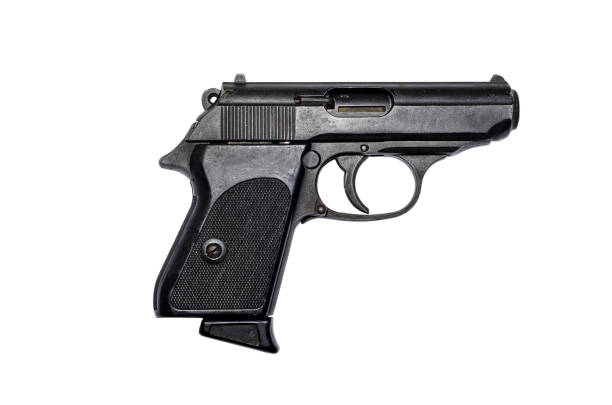
The modern 9mm pistol did not arrive fully formed. Its familiar traits double-stack magazines, practical service dimensions, lighter frames, standardized controls, and carry-sized offshoots came from decades of trial, refinement, and a few bold detours that looked strange before they looked influential. Some of these handguns became global service staples. Others mattered because they introduced an idea the rest of the market eventually adopted. Together, they explain why today’s 9mm pistol looks and handles the way it does.
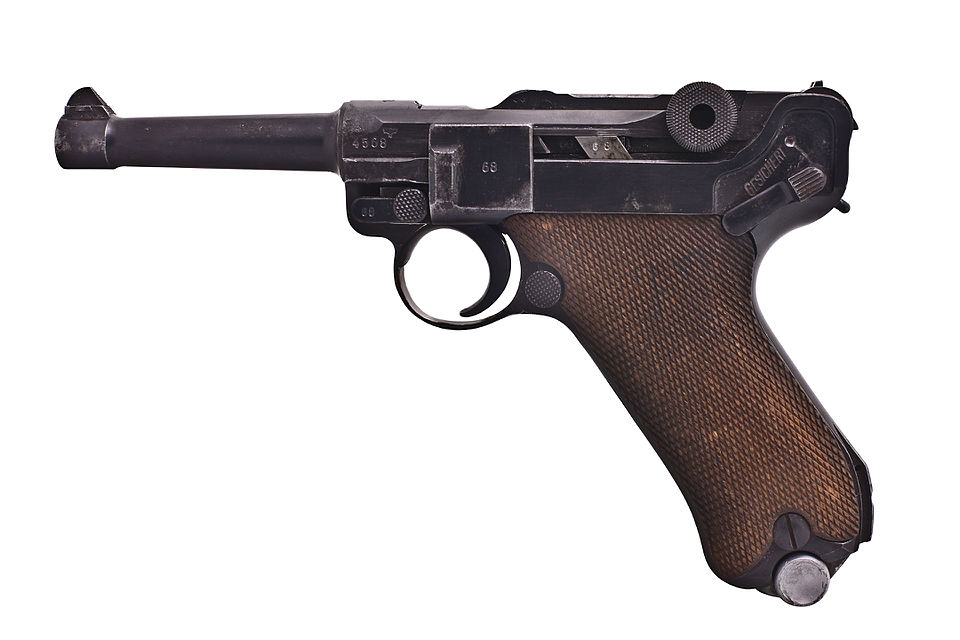
1. Luger P08
The Luger P08 matters for a reason larger than its silhouette. It helped establish the 9mm Luger cartridge’s early military foothold, giving the 9x19mm round a platform that pushed it beyond experiment and into broad service use. That cartridge would go on to outlast rival pistol rounds and become the world standard.
Mechanically, the toggle-lock action was intricate, distinctive, and sensitive compared with later service pistols. That sensitivity also showed the limits of complexity in a duty handgun. Later designers largely moved away from the Luger’s operating system, but the pistol’s historical role remained enormous: it helped tie the identity of the 9mm cartridge to the self-loading service pistol itself.
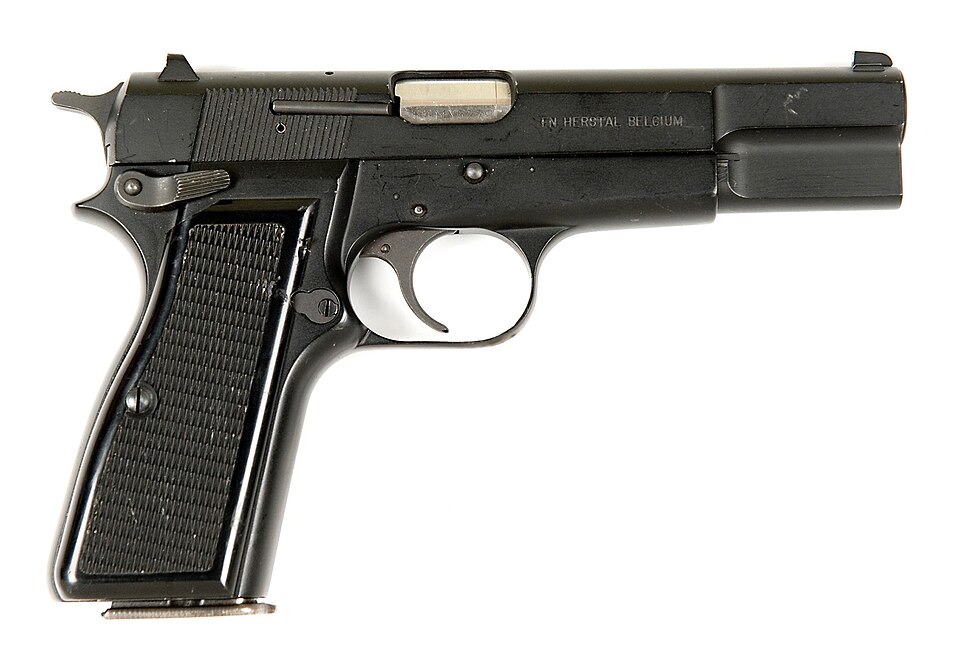
2. Browning Hi-Power
The Browning Hi-Power normalized something that later became almost mandatory in full-size 9mm pistols: meaningful magazine capacity without a grip that felt oversized. Its double-stack magazine, completed in the final design by Dieudonné Saive, gave the pistol a 13-round format that looked years ahead of its time.
The design also linked shootable ergonomics with fighting-pistol practicality. The Hi-Power’s slim feel, single-action trigger, and natural pointing qualities kept it relevant across generations of shooters and armorers. Long before “high-capacity” became a marketing phrase, the Hi-Power had already shown that a service pistol could carry more ammunition without becoming awkward in the hand.
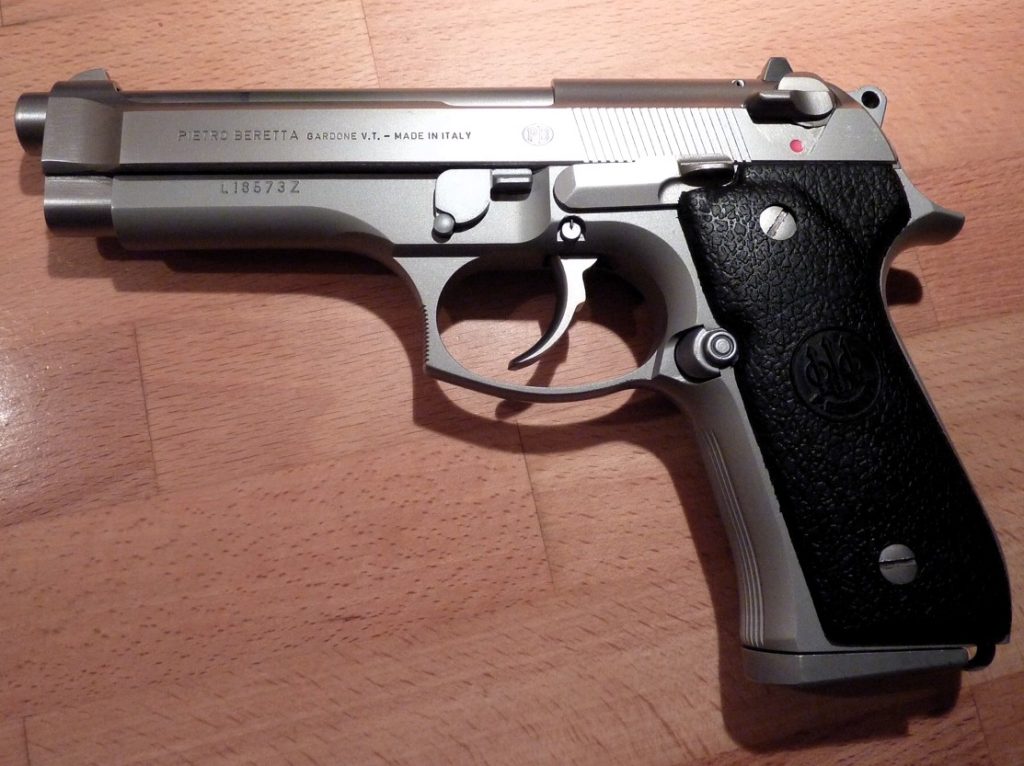
3. Beretta 92
The Beretta 92 became a template for large-frame 9mm service pistols that emphasized reliability, controllability, and institutional maintainability. Its open-slide layout and locking-block system gave it a cycling character unlike the Browning tilting-barrel pattern that dominated much of the market.
Just as important, the platform evolved around agency demands. The series picked up slide-mounted safety-decocker controls, ambidextrous features, and in the 92F era, parts interchangeability for large organizations. The later 92FS update added an enlarged hammer pin to retain the slide if it fractured, a change tied to high-profile concerns during military testing. That kind of revision became part of the Beretta legend: not just a durable pistol, but a pistol whose design history showed how edge-case failures can permanently shape service-handgun engineering.
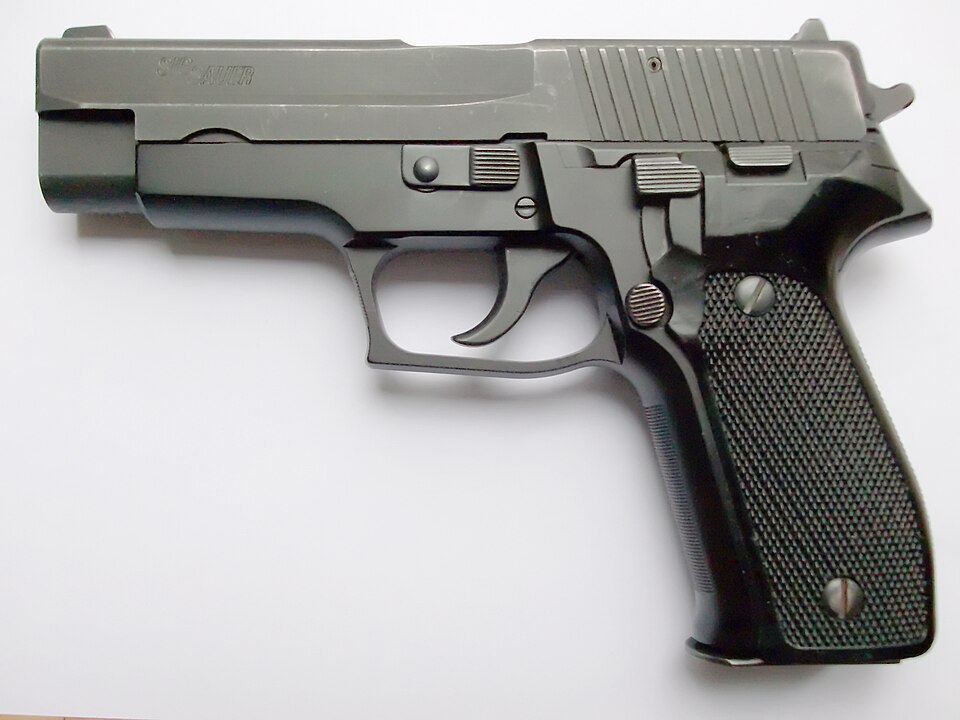
4. SIG Sauer P226
The P226 represented refinement rather than disruption. It entered the 1984 XM9 Service Pistol Trials as a high-capacity development of the P220 concept and finished as one of the two pistols that fully satisfied the trials. Beretta won the contract on total package cost, but the P226 emerged with a reputation that stood on its own.
Its appeal came from a durable metal-frame build, double-action/single-action operation, and a reputation for thriving under hard institutional use. Later slide revisions, including the move to milled stainless construction on related variants, reflected how service pistols were being hardened for high round counts and more demanding duty cycles. The P226 became proof that a duty 9mm could feel refined without giving up toughness.
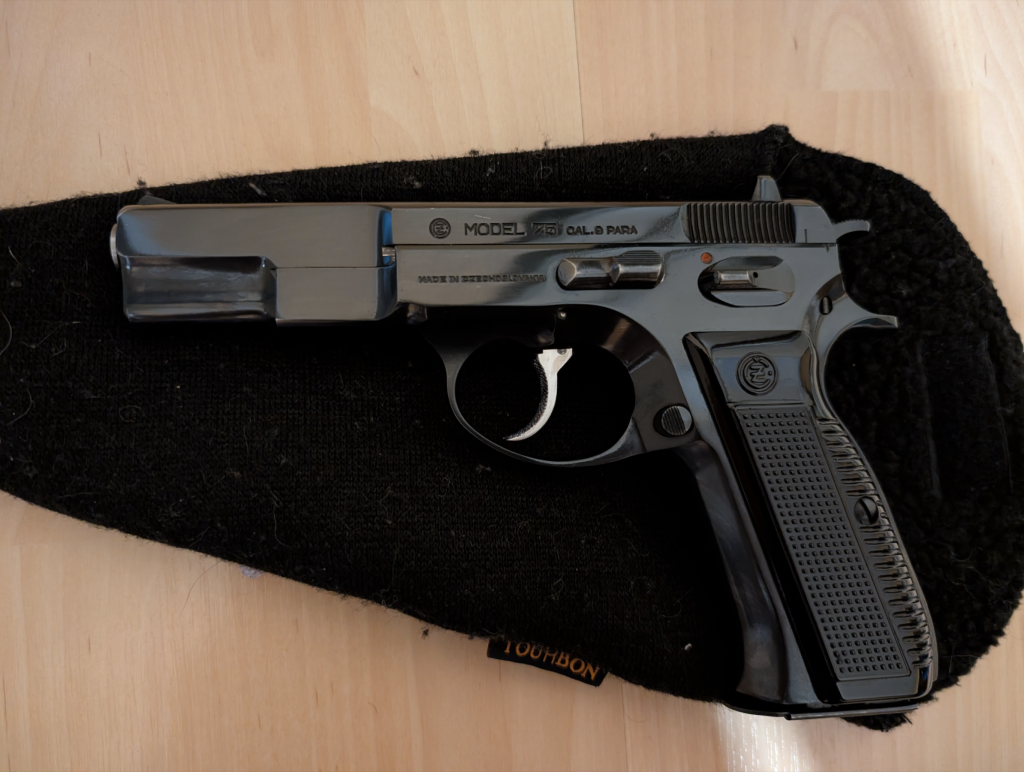
5. CZ 75
The CZ 75 helped define what shooters mean when they call a pistol “natural” in the hand. Its grip shape, all-metal balance, and low internal slide-rail arrangement created a feel that many later pistols chased, even when they did not copy the layout directly. It also blurred categories. The pistol worked as a service sidearm, but its smooth cycling and controllable shooting characteristics made it equally at home in competition-oriented roles. That combination mattered. The CZ 75 showed that one 9mm platform could serve duty users and performance shooters without a complete redesign.
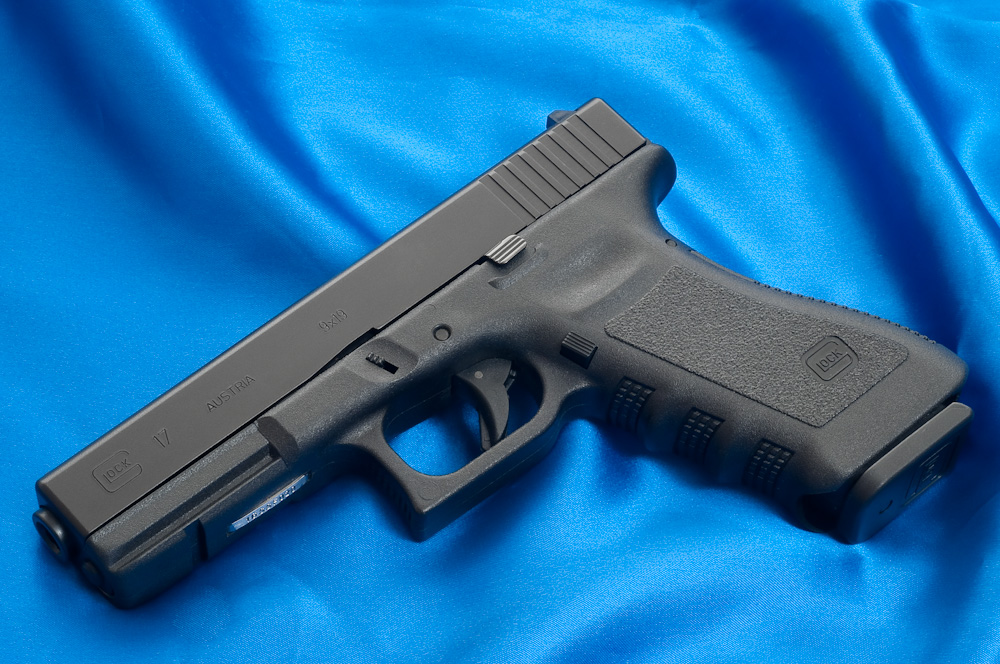
6. Glock 17
The Glock 17 changed the industry’s assumptions about what a serious service pistol could be made of and how simply it could operate. Introduced in the early 1980s, it pushed polymer frames and striker-fired ignition into the mainstream at a time when many shooters still viewed both ideas with suspicion.
Its deeper impact was manufacturing logic. The pistol reduced part count, simplified maintenance, resisted corrosion, and delivered a consistent trigger pull from shot to shot. That formula became one of the defining business and engineering models of the modern handgun market. Countless later pistols, even when not direct copies, were responses to the Glock 17’s success.
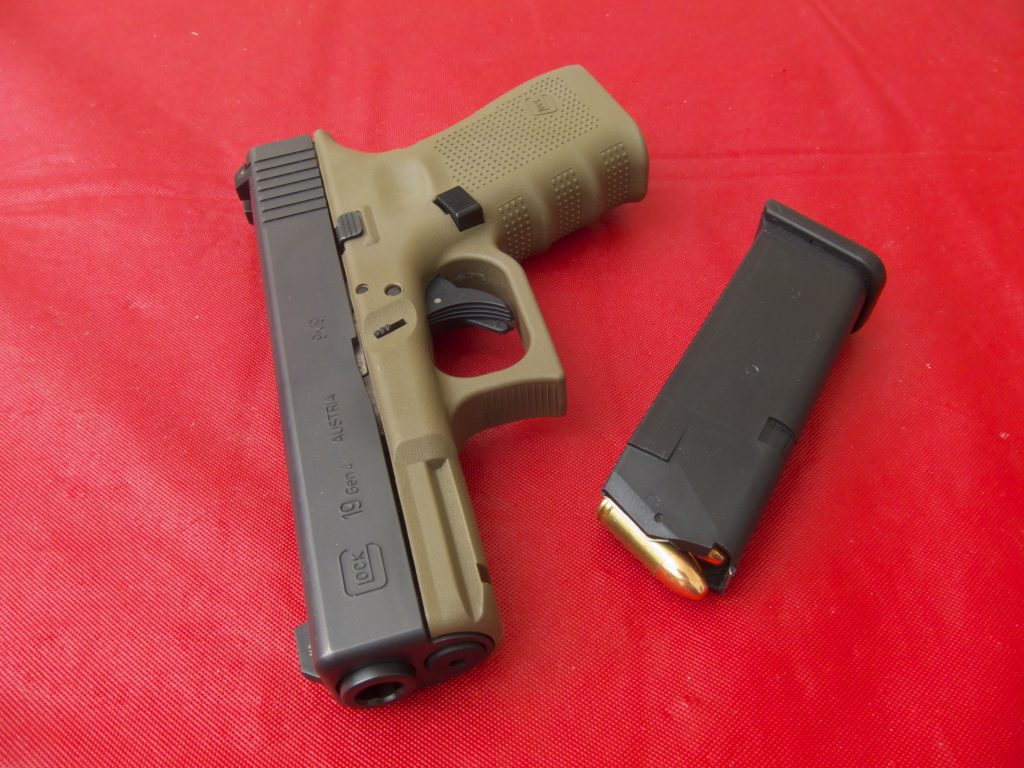
7. Glock 19
If the Glock 17 changed duty pistols, the Glock 19 changed expectations for versatility. It landed in the space between service gun and compact carry gun without feeling like a compromise in either role. That balance helped make it one of the clearest benchmarks in the 9mm world.
The 15-round magazine, polymer frame, striker-fired action, and ability to accept larger Glock magazines gave it logistical flexibility that appealed to agencies and private owners alike. The real influence was conceptual: the market learned that one pistol could be compact enough to carry and large enough to shoot like a service weapon. Many of today’s midsize 9mm handguns still follow that blueprint.
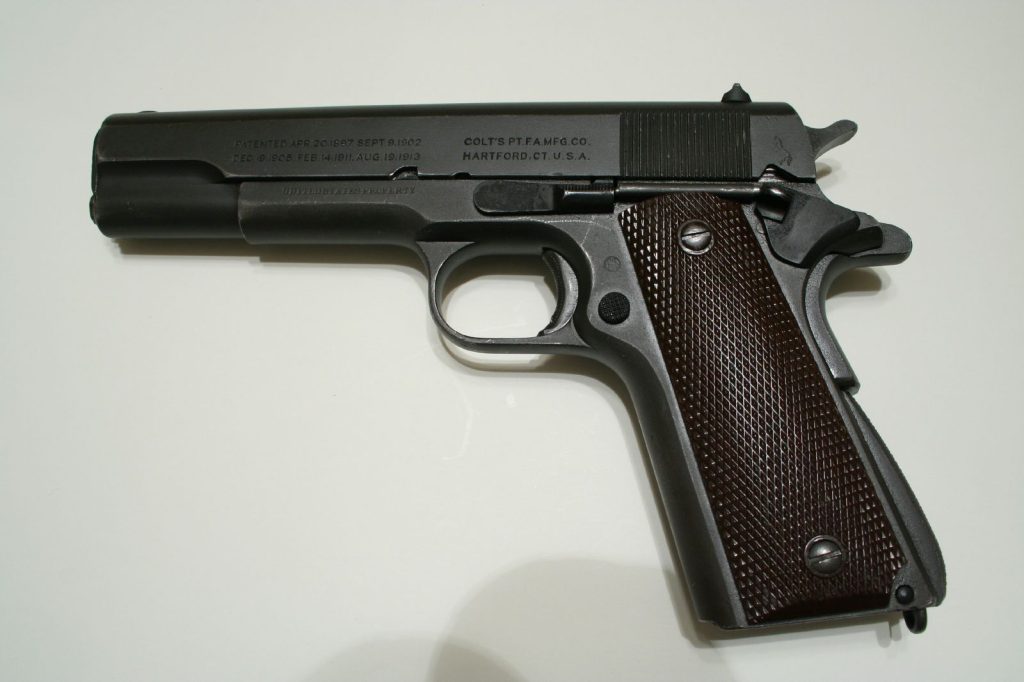
8. Colt 1911 in 9mm
The 1911 was born around .45 ACP, but 9mm variants showed how durable that platform geometry really was. In 9mm form, the design kept its straight-to-the-rear trigger press and familiar ergonomics while taking advantage of lower recoil and faster recovery between shots. Its importance lies in adaptation. A platform associated with one cartridge proved it could remain relevant when tuned for another. That required careful attention to feed geometry, magazines, and timing, but when done properly, the result showed how a classic steel-frame format could remain competitive in a 9mm-dominated world.
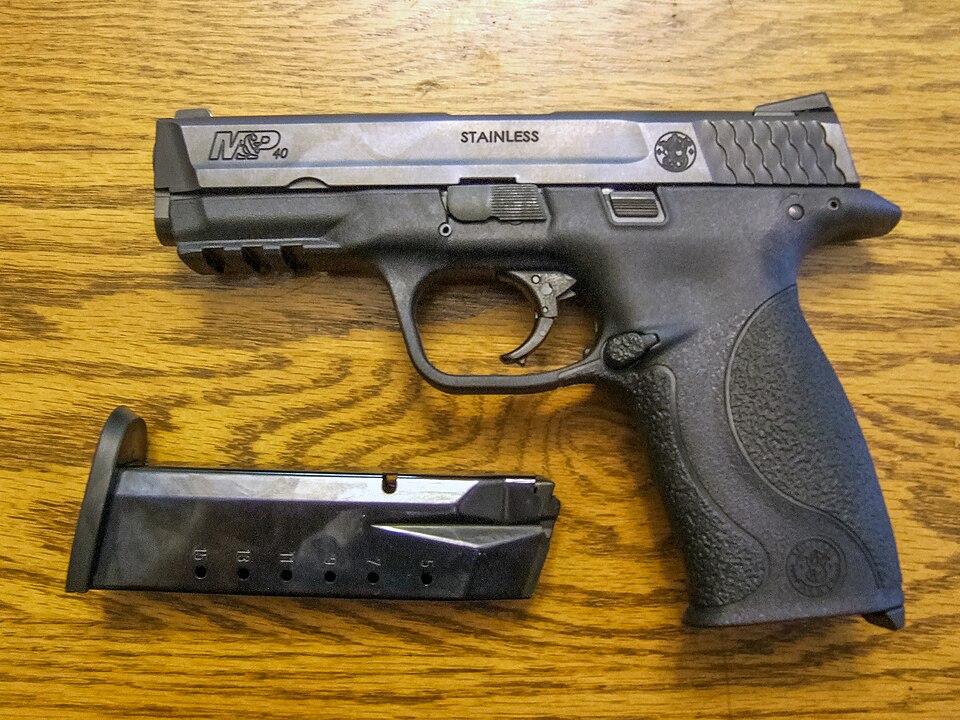
9. Smith & Wesson M&P Shield
The Shield marked a turning point in how small 9mm pistols were judged. Earlier compact handguns often carried the reputation of being tradeoff guns easier to carry, harder to shoot, and less capable overall. The Shield helped break that pattern.
Its slim dimensions, straightforward controls, and credible shootability signaled that a carry gun did not need to feel like a backup-only compromise. That shift spread quickly across the industry. The concealed-carry market had already pulled 9mm toward smaller pistols, but guns like the Shield made the category feel mature rather than experimental.
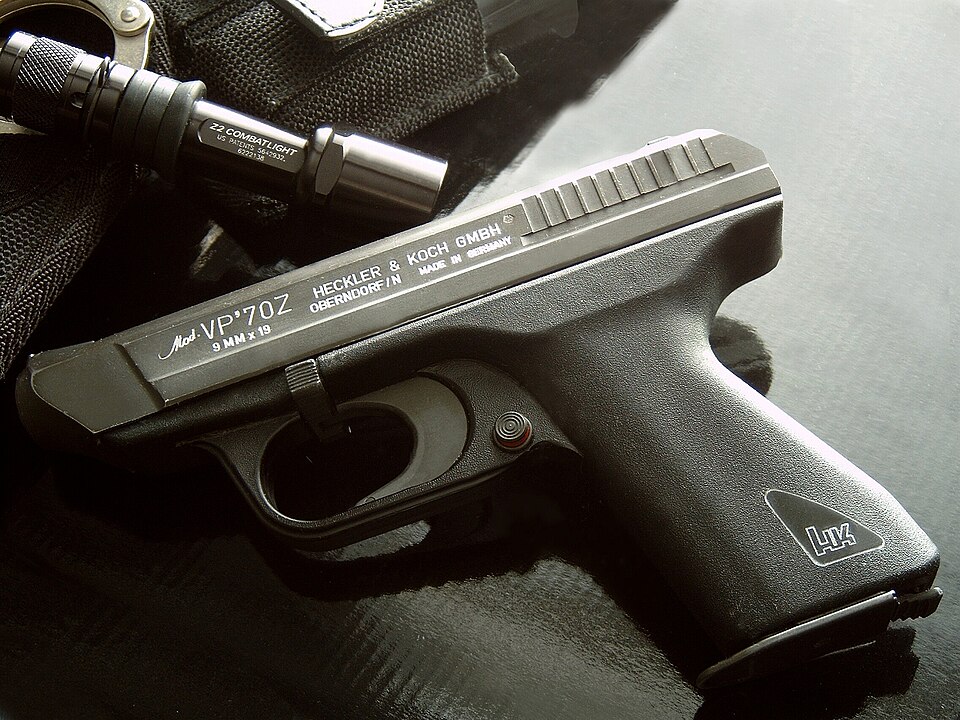
10. Heckler & Koch VP70
The VP70 looked almost futuristic when it appeared, and some of its ideas took decades to become common. It used a polymer frame long before polymer service pistols became normal, paired it with striker-fired operation, and fed from an 18-round magazine at a time when that sounded ambitious.
It was not universally loved. Its heavy trigger and unusual shooting character kept it from becoming the standard its concept seemed to predict. Still, the VP70 remains one of the clearest examples of a pistol that introduced mainstream ideas before the market was ready. In hindsight, it reads less like a dead end and more like an early draft of the modern service handgun.
These pistols did not all win for the same reason. Some became famous because institutions adopted them in huge numbers. Others endured because they solved grip shape, capacity, controllability, or manufacturing in a way later designers could not ignore. That is why the 9mm story never belongs to one brand or one mechanism. It belongs to a long chain of engineering decisions, each one leaving behind a rule that modern handguns still follow.


