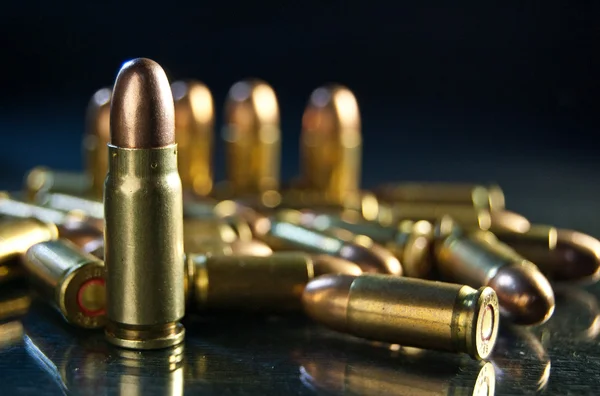
Pocket pistols exist for a practical reason: a smaller handgun is easier to carry when a larger one is likely to be left behind. The engineering tradeoff shows up in terminal ballistics. Once ammunition is fired through short barrels and a heavy-clothing barrier, several familiar pocket calibers struggle to reach the FBI’s 12–18 inch penetration window.
That standard prioritizes depth before expansion. A handgun bullet that opens impressively but stops short does not meet the same threshold as one that reaches useful depth consistently, and compact guns make that balance much harder to achieve.
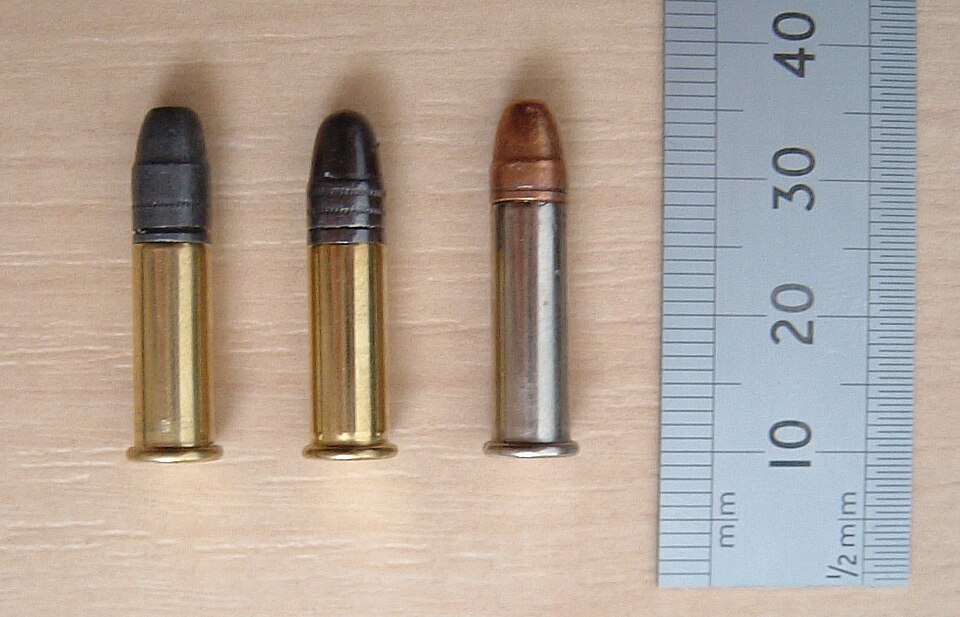
1. .22 Long Rifle
.22 LR remains one of the most common small-gun chamberings, but the data from short barrels shows why it sits on the wrong side of the 12-inch benchmark so often. In pocket-size handguns, expansion is rare, and when it does happen, penetration usually suffers further. Test results drawn from a 1.9-inch revolver and a 4.4-inch pistol showed that the longer barrel added an average 126 fps, yet added speed still did not guarantee ideal penetration.
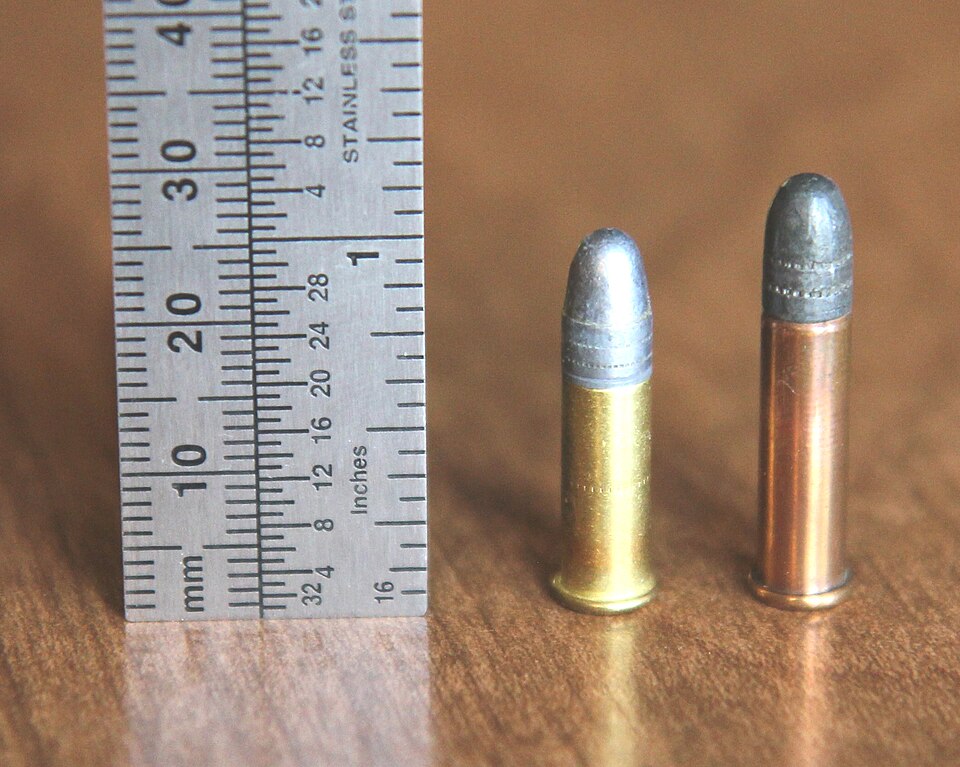
This caliber also carries a second limitation beyond gel numbers. Rimfire ignition is widely regarded as less dependable than centerfire ignition, a point often discussed by experienced shooters comparing misfire behavior across platforms. In a cartridge already working with minimal energy, inconsistent ignition adds another layer of compromise.
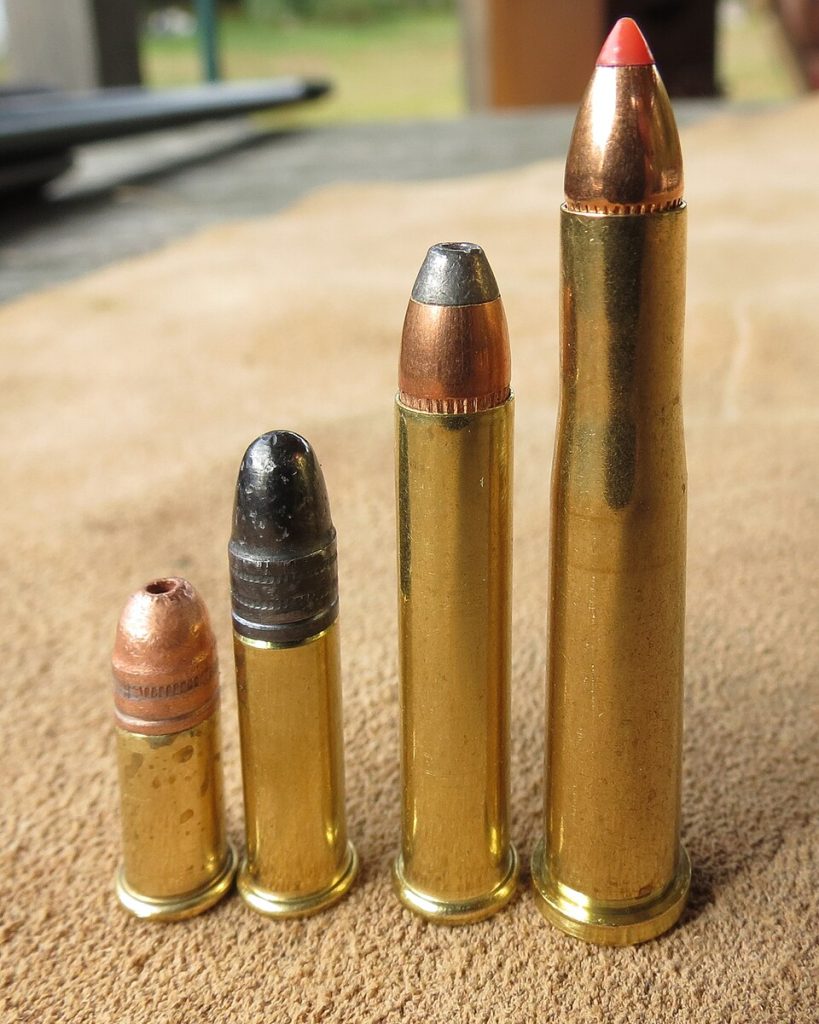
2. .22 Winchester Magnum Rimfire
.22 WMR performs better than many pocket-gun owners assume, but it still illustrates the same design conflict. In short-barrel testing, the cartridge averaged 255 fps faster than .22 LR from comparable small revolvers, which gave it more room to work with in gelatin. Conventional loads often penetrated adequately because they did not expand.
The problem appeared when purpose-built defensive loads tried to do both jobs. Expanding short-barrel .22 Magnum ammunition opened more readily, but depth suffered enough to keep the caliber from becoming a clean solution. The extra speed helps, but it does not erase the core pocket-pistol problem.
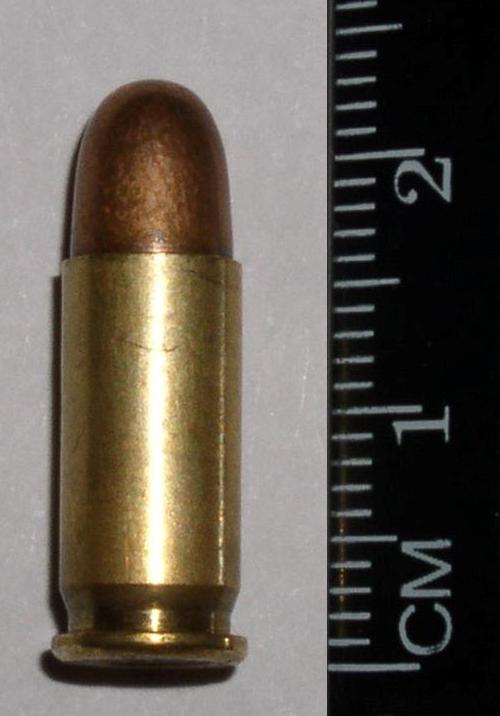
3. .25 ACP
.25 ACP is the clearest example of how little ballistic margin exists at the bottom end of centerfire handgun design. In gel testing from a 2.4-inch-barreled pistol, the caliber showed modest penetration across the board, including FMJ loads that would normally be expected to gain depth by avoiding expansion.
Only one tested load put all five bullets past the 11-inch mark. That is close enough to the minimum to sound respectable in casual conversation, but it still falls short of the standard that matters here.
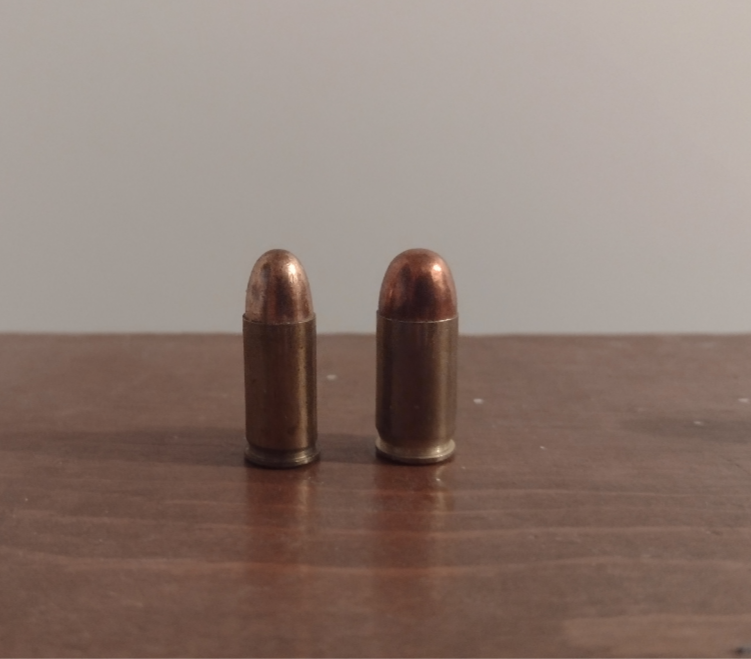
4. .32 ACP
.32 ACP has long attracted pocket-gun users because it offers mild recoil in very small pistols, yet short-barrel gel results showed a sharp divide between bullet types. Hollow points repeatedly struggled to penetrate consistently, even when some of them failed to expand as intended. In practical terms, the bullets gave up the very depth they needed most.
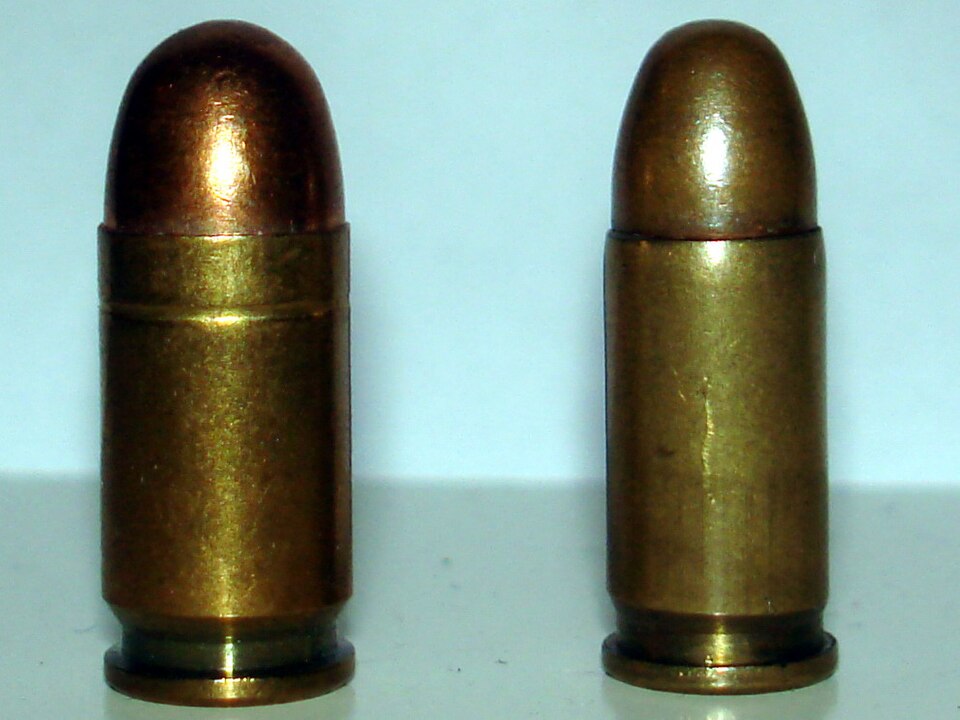
FMJ loads looked better in this caliber because they were less likely to waste momentum trying to open. That does not mean .32 ACP becomes ideal, only that its most dependable route to acceptable depth often comes from not expanding at all. When a cartridge needs that kind of compromise, it remains a poor fit for the FBI yardstick.
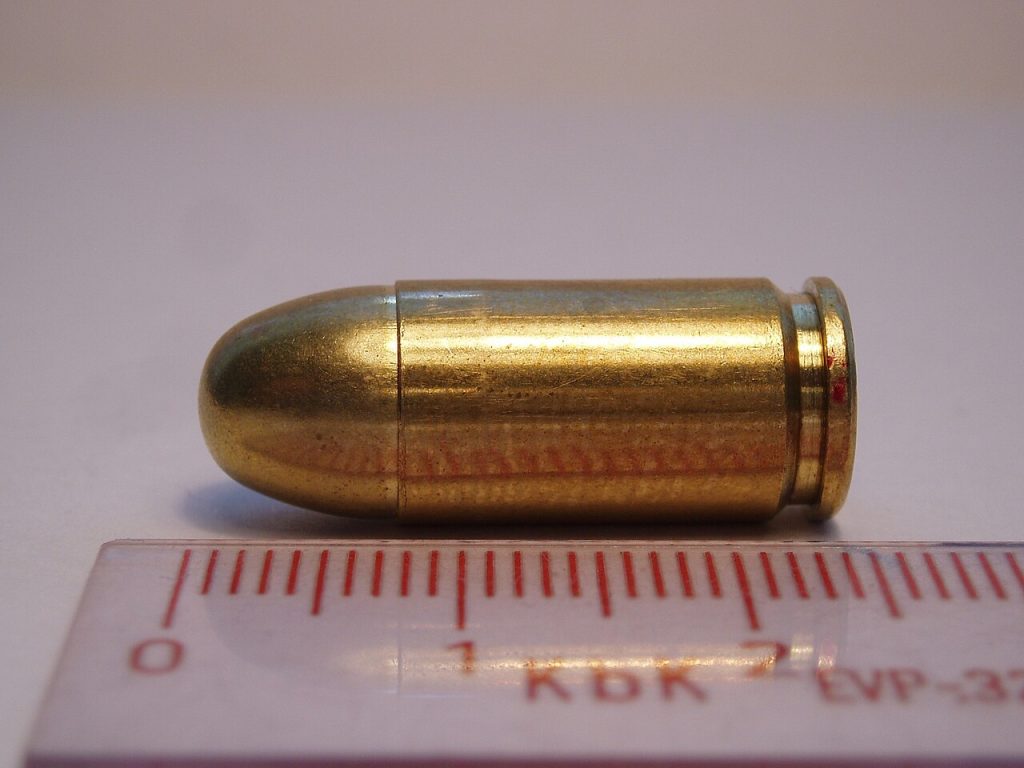
5. .380 ACP
.380 ACP is probably the most debated entry in the pocket-pistol world because it sits close to service-caliber expectations without fully getting there. In broader short-barrel testing, many .380 loads delivered one of two unsatisfying outcomes: expansion with shallow penetration, or useful penetration with little to no expansion. The overall pattern in 20 different .380 ACP tests reinforced that only a limited number of loads managed both well.
That makes .380 ACP less a complete failure than a narrow technical window. It can approach acceptable performance, but the cartridge offers little tolerance for bullet-design mistakes, short-barrel velocity loss, or hollow-point clogging through heavy clothing.
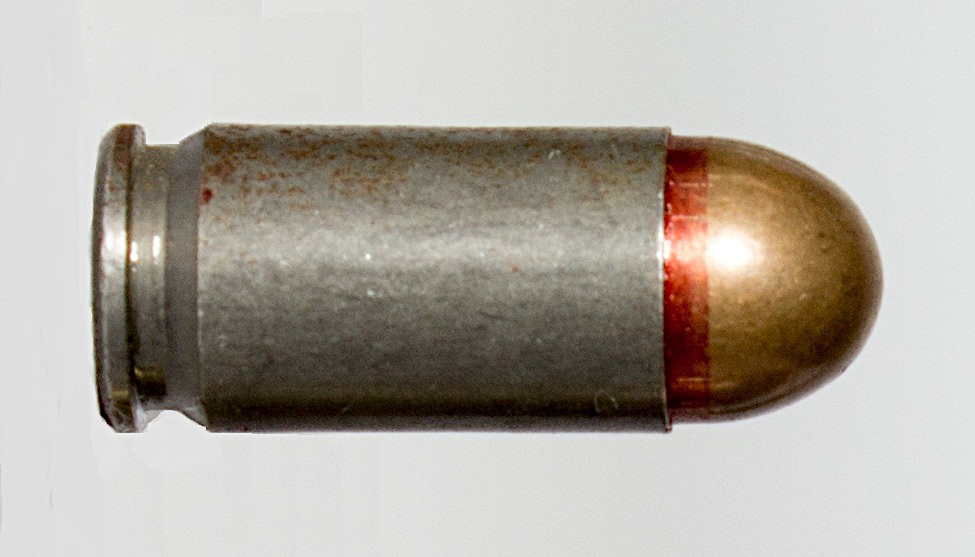
6. 9×18 Makarov
9×18 Makarov has a reputation for stepping above the smallest pocket calibers, but short-barrel gelatin data showed that additional caliber alone does not guarantee a better answer. FMJ and some JHP loads penetrated very deeply, while the notable expanding option performed more like established .380 ACP defensive loads than a meaningful upgrade. That matters because it strips away the label advantage. With modest velocity and compact handguns, this cartridge still runs into the same balancing act between expansion and ideal depth, just from a slightly larger starting point.
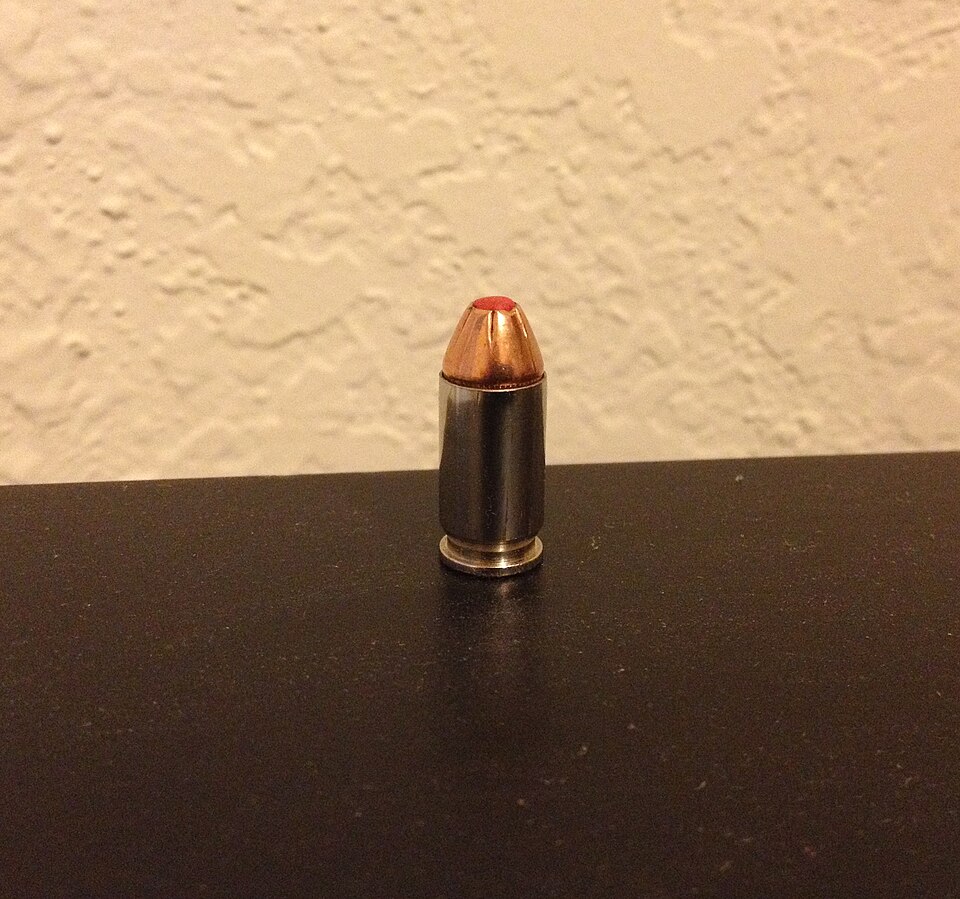
The pattern across these chamberings is consistent. Short barrels reduce velocity, heavy clothing stresses hollow-point design, and smaller cartridges have less reserve energy to recover from either problem. That is why the 12-inch minimum remains such a useful filter. It does not make pocket pistols irrelevant, but it does show which popular calibers leave the least room for error when bullet performance has to survive real barriers instead of advertising claims.


