Glock’s recent product cuts are more than a catalog cleanup. They point to a design shift in which a handgun maker long associated with incremental changes is narrowing its range while reworking the pistol itself around legal pressure, manufacturing simplicity, and a different view of what a “standard” sidearm should be.
The headline change is not just that older variants are leaving production. It is that the company appears to be replacing a broad spread of generations, calibers, and special configurations with a tighter family built around resistance to illegal conversion devices and a more standardized engineering baseline.

1. The lineup is being reduced on purpose, not by accident
Glock publicly framed the move as a strategic reduction of its commercial portfolio, saying it was adopting a streamlined approach to focus on products tied to future innovation and growth. That language matters because it places the cuts inside a manufacturing and design plan rather than treating them as isolated discontinuations.
Reference lists published in late 2025 showed dozens of models affected across multiple generations and chamberings, including long-slide, competition, and large-frame variants. The pattern suggests a company trying to reduce SKU sprawl, simplify parts planning, and concentrate development around a smaller number of pistols that can serve as foundational platforms.

2. Anti-conversion engineering has moved from denial to design priority
The most consequential technical change is the apparent effort to make new pistols harder to convert with illegal auto sears commonly called switches. According to reporting on the redesign, the updated pattern includes a short steel rail to block switches from interfering with the firing mechanism, replacing an older arrangement that relied on a plastic feature more easily altered.
That is a sharp departure from years of industry resistance to the idea that the base pistol should be redesigned around misuse prevention. In engineering terms, it marks a move from external enforcement to internal hardening. The pistol is no longer being treated only as a reliable mechanical system for lawful use; it is also being treated as a product that must physically resist a known pattern of illicit modification.

3. Legal pressure is now shaping handgun architecture
California’s 2025 law banning guns that can be converted to automatic fire with ordinary tools became a major forcing function. The law specifically targeted handguns built around “cruciform trigger bars”, directly implicating a long-standing Glock design feature.
That matters well beyond one state. New York, Illinois, and Maryland were also considering similar measures, and several lawsuits had already challenged Glock over the ease of illegal conversion. Once courts allowed some of those cases to continue, the company’s long-held position became harder to sustain. For engineers and product planners, that means legal survivability is no longer separate from mechanical layout. It is becoming one of the design inputs.
4. The old generation model is giving way to a baseline platform strategy
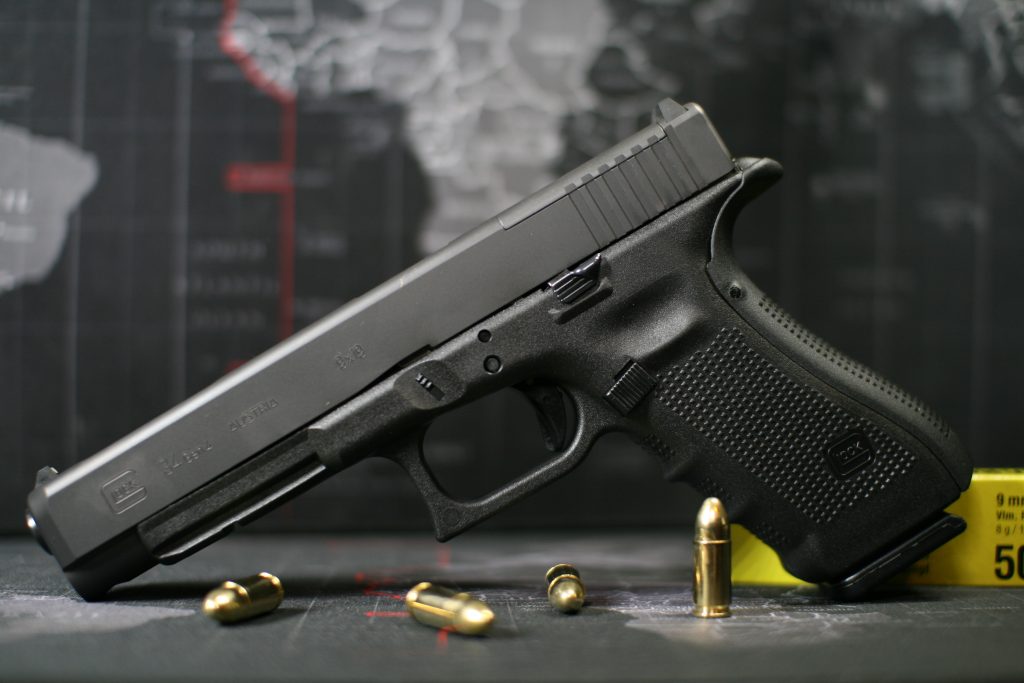
Instead of maintaining Gen 3, Gen 4, Gen 5, MOS variants, specialty models, and multiple caliber branches in parallel, Glock signaled that the new V Series would serve as a baseline of products. That is less about marketing language than about systems engineering.
A baseline platform allows one internal architecture to support future revisions without carrying the baggage of overlapping legacy configurations. Fewer distinct models mean fewer production changeovers, fewer parts combinations, and a clearer path for validation, service, and compliance. In practical terms, the company appears to be moving from a broad menu to a controlled core.
5. Ergonomics are becoming as central as reliability
While the U.S. discussion focused on discontinuations and conversion resistance, Glock’s Gen6 presentation in Europe emphasized grip geometry, texture, hand fit, and control surfaces. The company described the sixth generation as centered on ergonomics, with changes such as an enlarged beavertail, thumb rest, palm swell, deeper slide serrations, and a flat-faced trigger.
That combination is revealing. The next phase of handgun development is not being presented as radical reinvention, but as refinement in two directions at once: harder-to-abuse internals and more user-shaped externals. Glock’s own Gen6 language reinforces that point with the line, “The 6th generation of GLOCK pistols tells a story of ergonomics.” The pistol is being updated not only for compliance and production efficiency, but also for how it interfaces with the hand.
6. Caliber breadth is losing ground to 9mm concentration
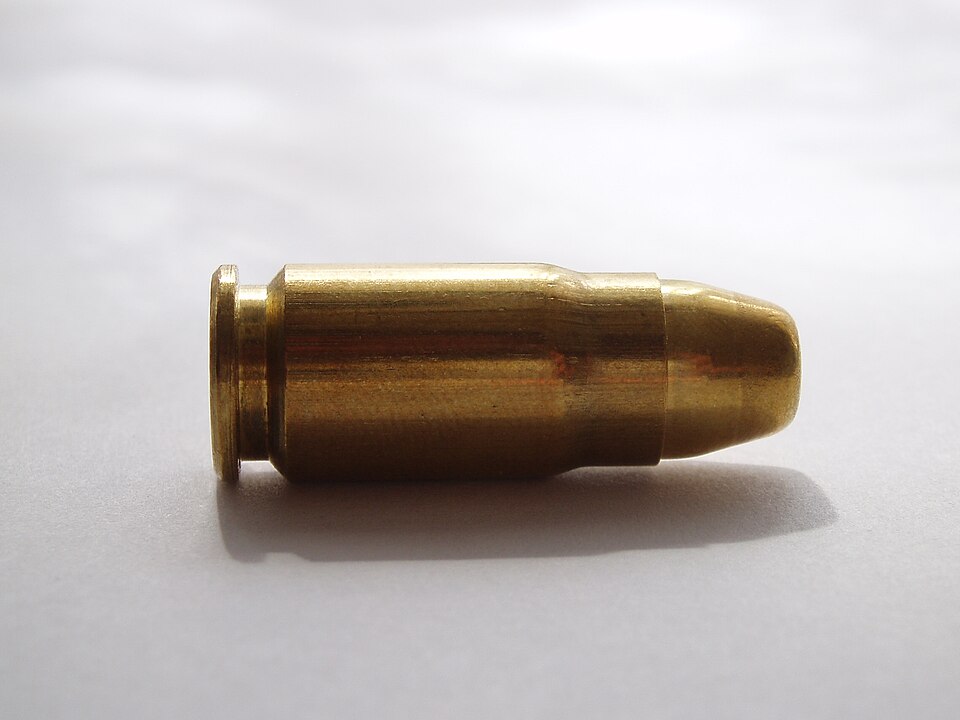
Many of the models widely cited as discontinued were chambered in .40 S&W, .357 SIG, 10mm Auto, .45 ACP, and .45 GAP, while the company’s retained and newly emphasized models cluster more heavily around 9mm. That tracks with longer-term law enforcement and civilian trends toward lower recoil, higher capacity, and simpler logistics.
In product-design terms, caliber consolidation is not cosmetic. Different frame sizes, recoil systems, magazine bodies, and slide masses complicate production and support. Narrowing the line around the strongest-volume chambering gives engineers and factories room to optimize around one dominant standard instead of maintaining a sprawling family tree.

7. Optics integration is being treated as standard architecture, not a niche option
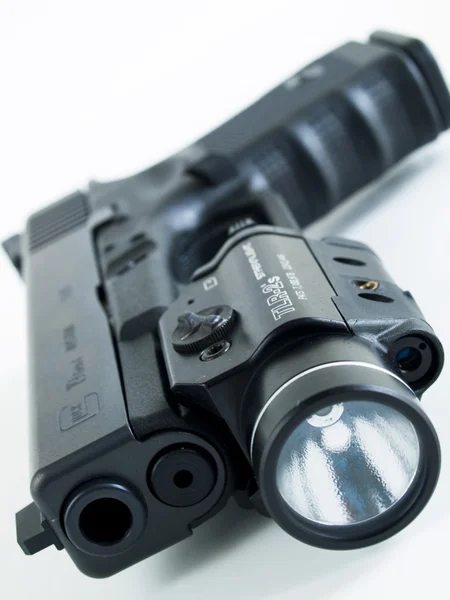
Glock’s Gen6 materials state that standard-frame pistols come optic ready with a dedicated mounting system and multiple adapter plates. That signals a broader change in handgun assumptions. Red-dot compatibility is no longer a specialist branch of the lineup but part of the expected core architecture.
This is a notable contrast with the outgoing era, when MOS and non-MOS versions multiplied the catalog. A platform designed from the outset for optics can reduce variation while aligning the pistol with current user expectations in duty, defensive, and competition roles. The engineering message is straightforward: future sidearms are being designed around accessories from the start, not retrofitted around them later.
8. The real story is standardization under pressure
Seen together, the discontinuations, legal challenges, anti-switch features, ergonomic updates, and optics-ready emphasis point in one direction. Glock is compressing variety in order to make the pistol more defensible, more standardized, and easier to evolve. That does not read like a temporary trim.
It looks like a hard turn in handgun design, where the core sidearm has to satisfy reliability expectations, support modern sighting systems, fit a broader range of hands, and resist a known class of unlawful modification. Glock’s shrinking pistol line is the visible part of that shift. The more important change is happening inside the design brief.


