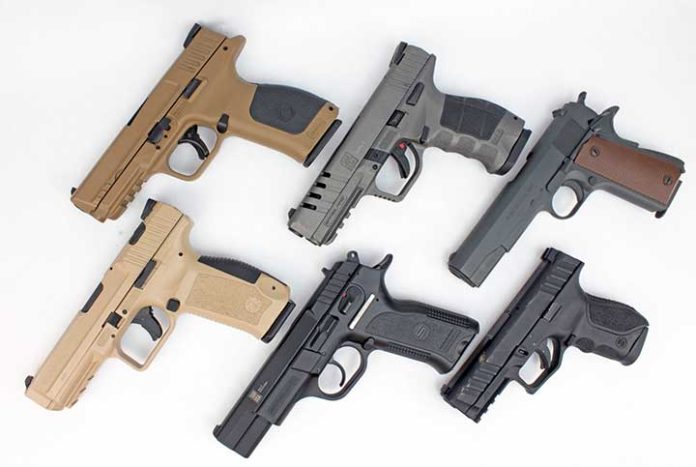
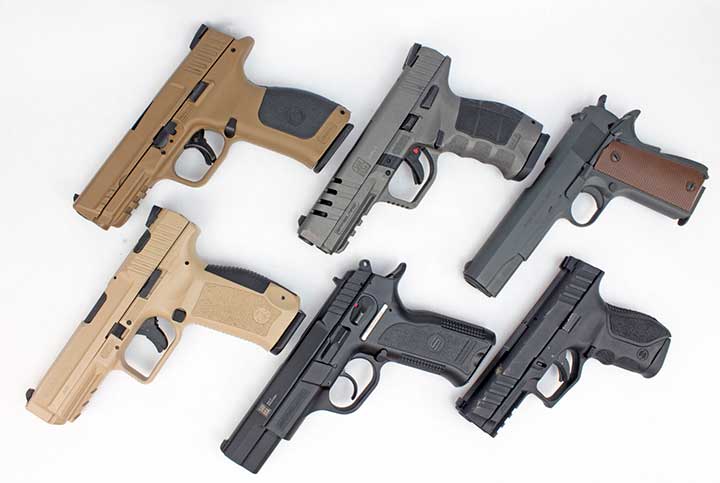
Polymer-framed pistols did more than trim ounces from the belt. They also changed how recoil is distributed, perceived, and managed in modern handgun design, often in ways that became visible only after shooters started comparing them directly with heavier metal-frame counterparts.
That shift helps explain why the market that once rushed toward lighter striker-fired pistols has also spent the past few years revisiting steel and aluminum frames. The issue is not whether polymer works. It clearly does. The more interesting engineering question is what was exchanged for that lighter carry weight.
1. Less frame weight meant more movement under recoil
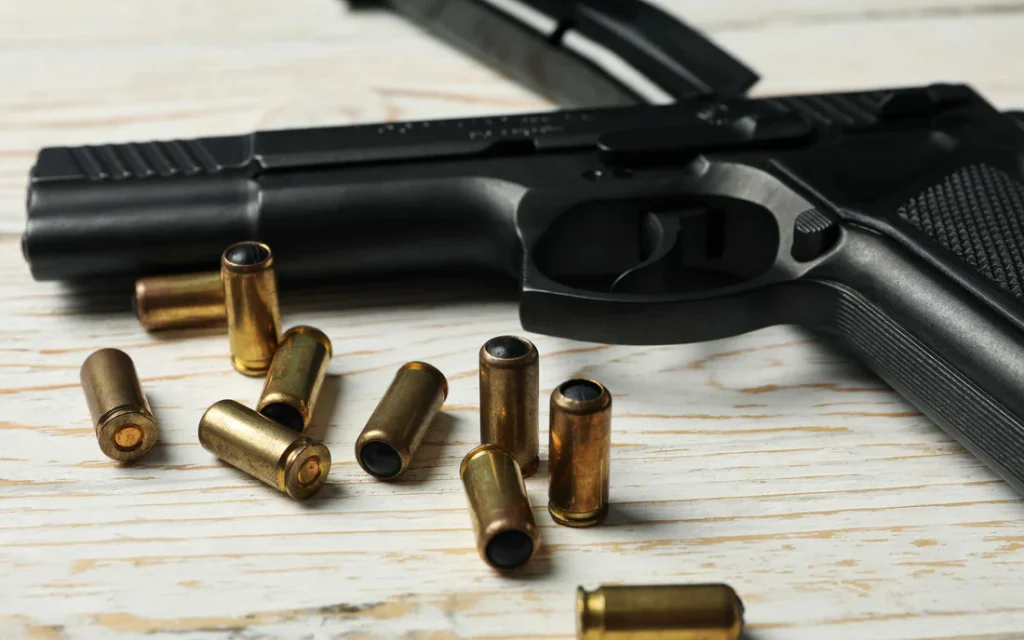
The most basic tradeoff came from mass. As polymer frames pushed duty-size pistols downward in overall weight, they also gave the gun less inertia to resist rearward and rotational movement. That is the same principle behind the recent return of heavier metal-framed striker-fired designs, which are marketed around calmer recoil behavior rather than novelty alone. A lighter gun is easier to carry, but a heavier one usually stays flatter once the slide starts moving.
2. Flex softened the hit, but changed the recoil shape
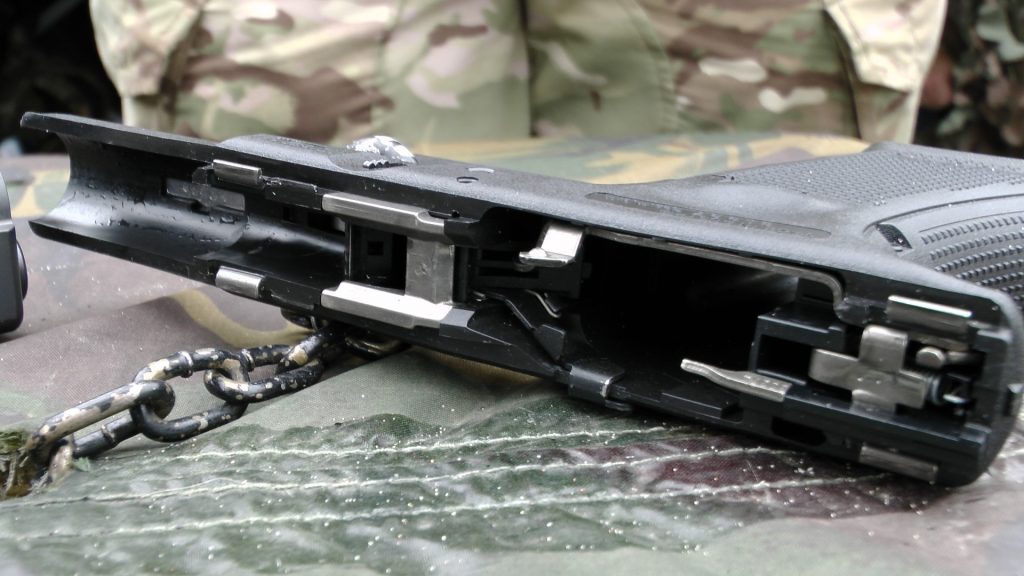
One of polymer’s quiet advantages is that it does not behave as rigidly as steel or aluminum. That flexibility can blunt part of the sharpness shooters feel in the hand, but it also changes the timing of recoil. Reference material describing polymer frames notes that the frame can flex during recoil, producing what some shooters interpret as a slightly stretched or extended impulse. The gun may feel less abrupt, yet that softer feel does not automatically mean less muzzle displacement or faster sight recovery.
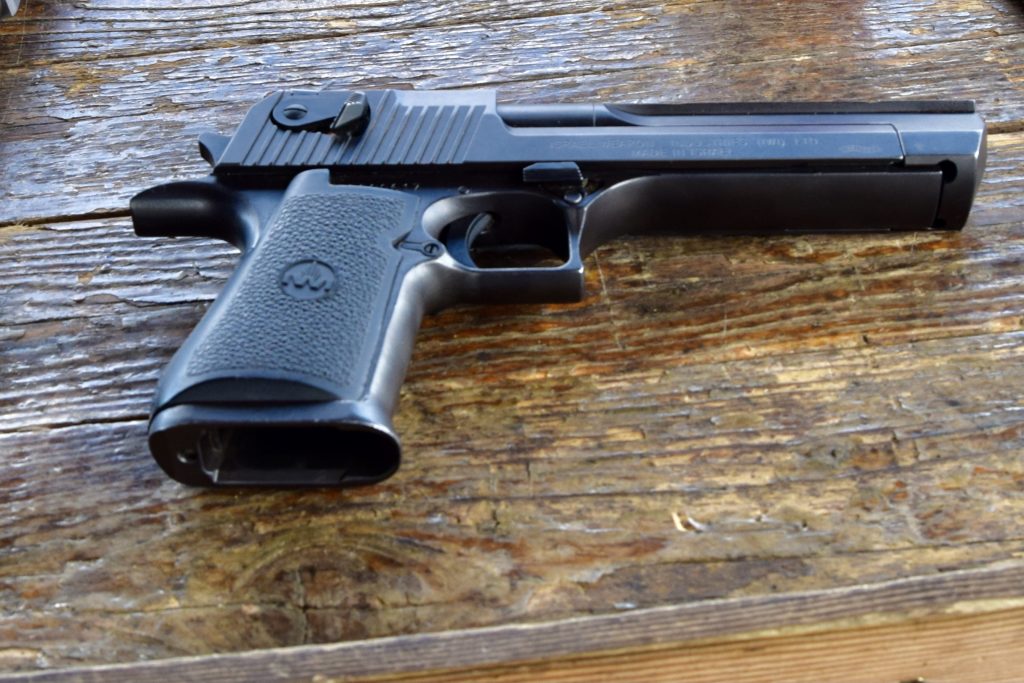
3. A higher center of gravity made pistols feel more top-heavy
When frame material loses weight while the slide and barrel remain steel, the balance point shifts upward. That altered center of gravity can make a pistol feel more top-heavy, especially as a magazine empties and removes weight from below the shooter’s hand. Discussion from experienced shooters repeatedly ties polymer pistols to greater perceived muzzle flip for exactly this reason: the weight is concentrated higher in the system. Recoil energy is not the only factor; where the mass sits matters just as much.
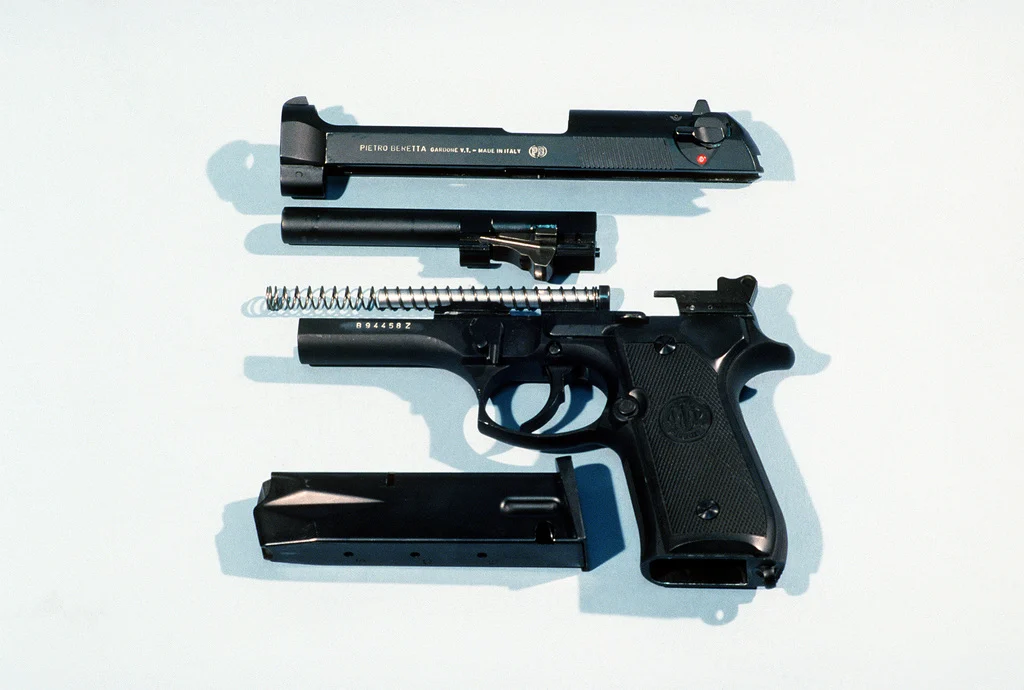
4. The slide became a bigger part of the recoil story
In any locked-breech semiautomatic, the moving slide strongly affects what the shooter feels after ignition. On a lighter frame, that motion becomes more noticeable because the reciprocating mass is working against a platform with less ballast. This is one reason competitive shooters often talk less about raw recoil and more about tracking, return-to-zero behavior, and whether the pistol snaps or rolls. Polymer did not eliminate those variables. It amplified their importance.
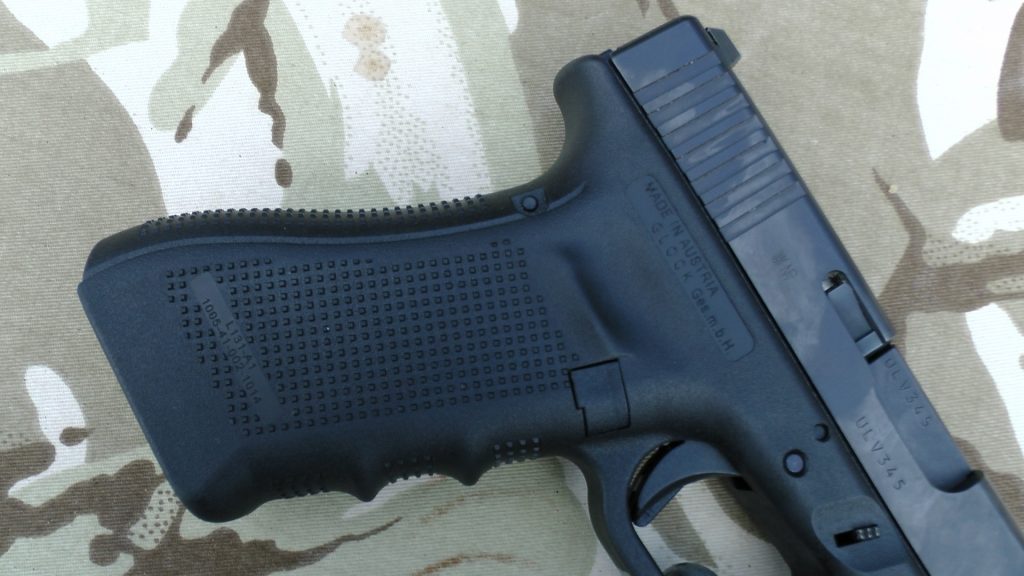
5. Bore height and grip geometry started mattering more
Once frames became lighter, other dimensions that were once secondary became harder to ignore. Bore axis, grip angle, beavertail shape, backstrap contour, and how high the hand can ride all began to play a larger role in recoil control. A polymer pistol with a favorable grip and low bore line can still shoot very flat, while a heavier pistol with less efficient geometry can feel slower to recover. Material changed the baseline, but ergonomics increasingly determined how much that baseline mattered.
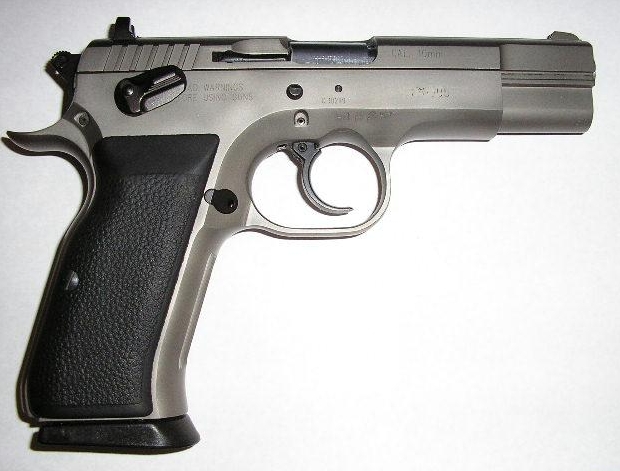
6. Manufacturers began adding stiffness back into polymer systems
Designers did not leave the problem alone. One response was to reinforce polymer pistols with more internal steel structure. Smith & Wesson, for example, has described how the extended steel chassis in M&P 2.0 models was intended to reduce frame flex compared with earlier versions. That detail says a great deal about the broader design arc. The industry embraced polymer for weight and manufacturability, then spent years tuning rigidity and balance back into the platform.
7. Competitive shooters kept proving that added weight still works
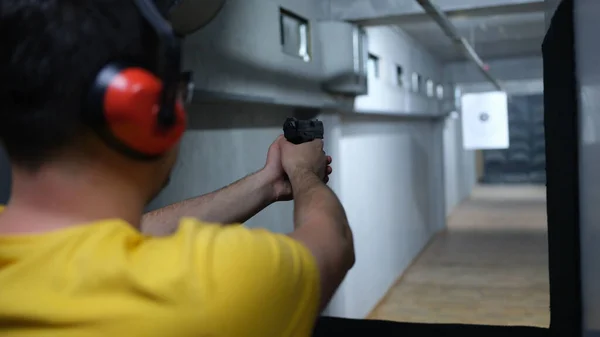
Competition has long served as a blunt instrument for exposing what helps a pistol shoot flatter. Shooters running polymer-framed guns in high-speed disciplines have often added external weights, weighted magazine wells, or heavy accessories to settle the muzzle. That practice aligns with a simple point repeated across the reference material: more mass, placed low in the gun, makes recoil control easier. Polymer’s success never repealed that rule. It just made the compromise acceptable for broader use.
8. The market’s swing back to metal confirmed the tradeoff
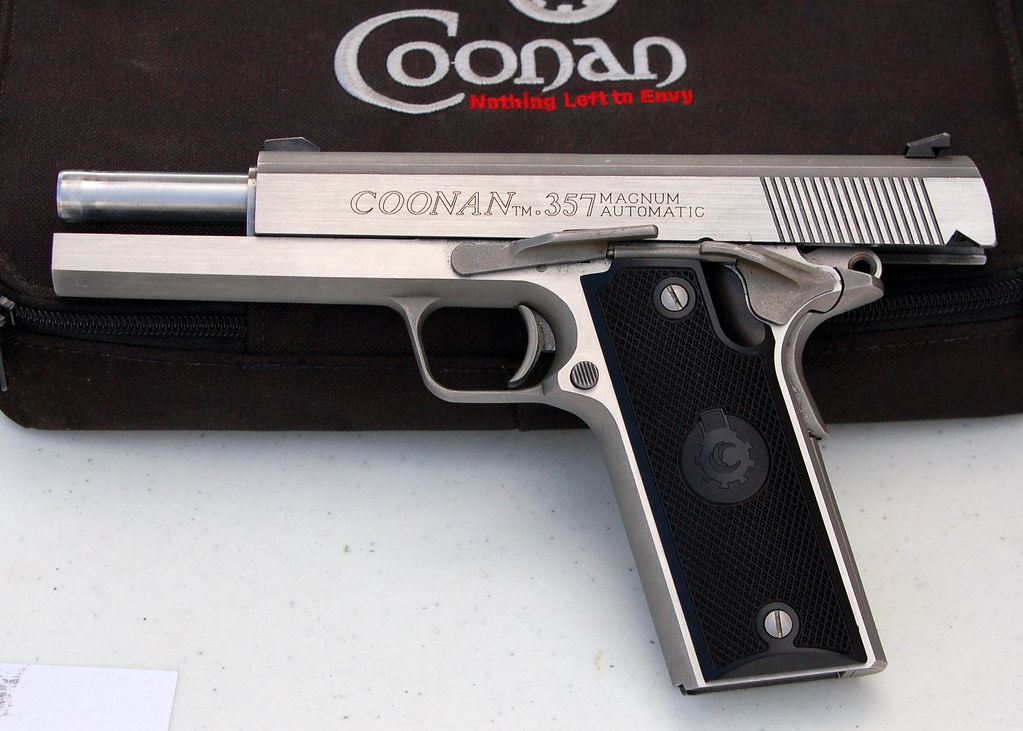
This may be the clearest sign of all. Polymer frames became the dominant modern format, yet manufacturers later introduced steel and aluminum versions of successful striker-fired pistols instead of replacing them outright. Walther’s steel-frame variants, Smith & Wesson’s metal M&P line, and models such as the SIG P320 XFive SXG at nearly 50 ounces all point in the same direction. Shooters accepted polymer for portability, reliability, and durability, then asked for weight and rigidity back when recoil behavior became the priority.
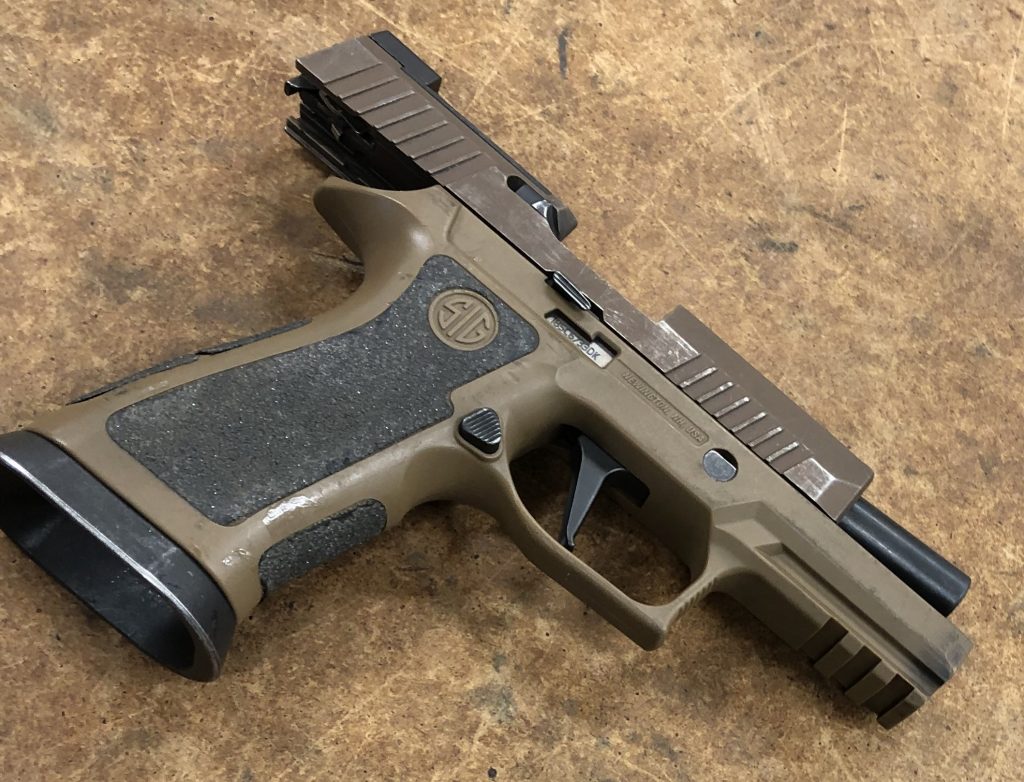
That is the real tradeoff polymer quietly introduced. It gave modern pistols lighter carry weight, corrosion resistance, and manufacturing efficiency, while shifting recoil control from passive mass to a more complicated mix of flex, geometry, slide timing, and shooter technique. In other words, polymer did not make recoil disappear. It made recoil management more dependent on design details that older all-metal pistols often handled simply by being heavier.


