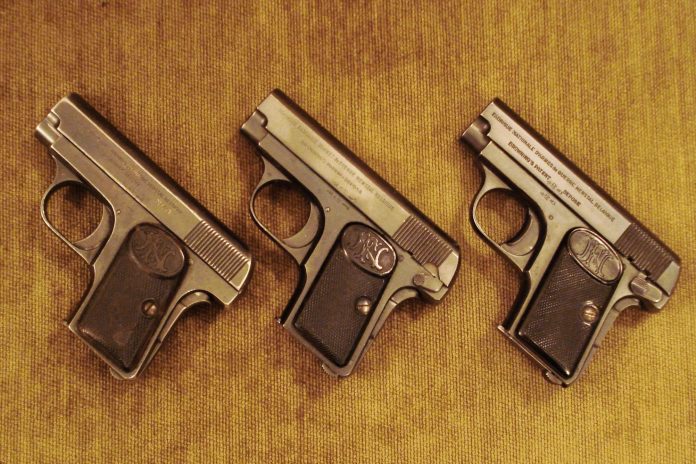
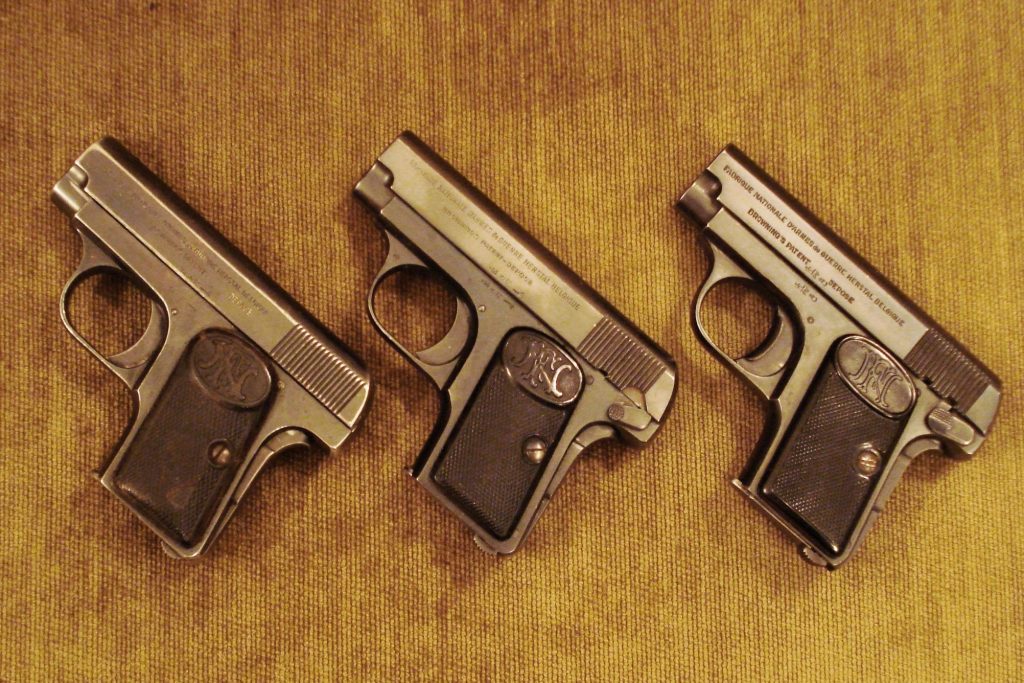
Pocket pistols occupy a stubborn corner of firearms design. They are built around concealment first, which means very short barrels, low mass, abbreviated sights, and cartridges that must do difficult work from minimal platforms.
That design brief runs headlong into the FBI’s 12- to 18-inch penetration standard in 10 percent ordnance gelatin. Small-caliber pocket guns are not automatically disqualified by that benchmark, but many common loads struggle to reach it consistently once short barrels, clothing barriers, and limited bullet weight start cutting into performance.
1. Short barrels rob small cartridges of the velocity they need
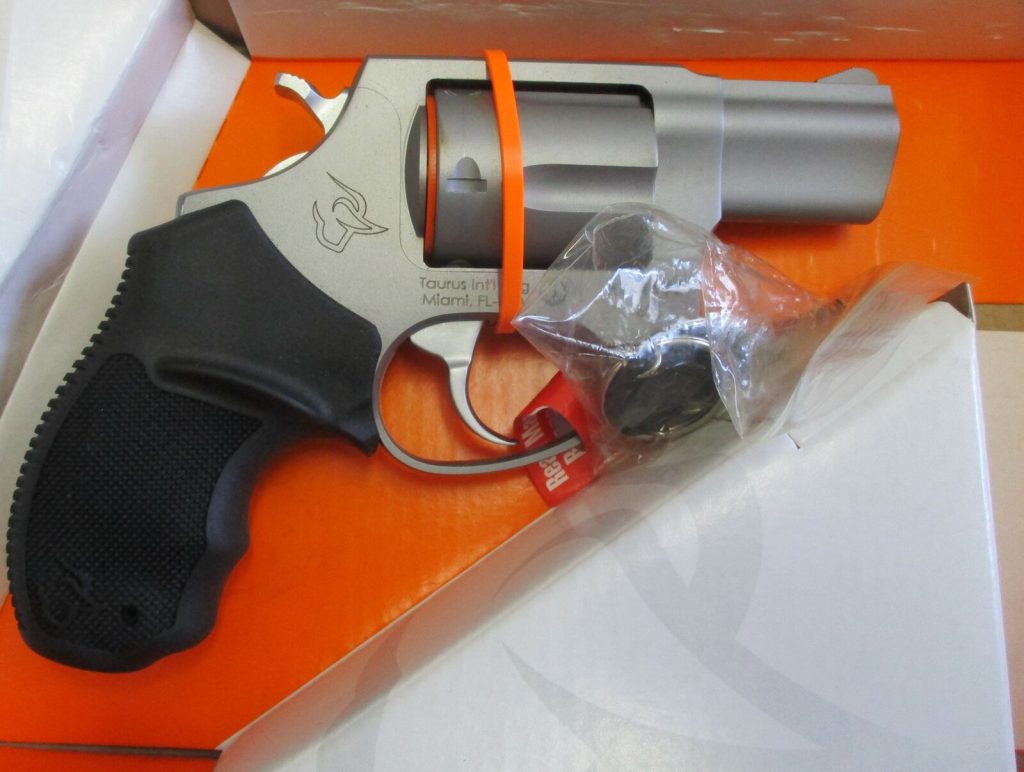
Most pocket pistols give up barrel length in exchange for concealability, and that trade has direct ballistic consequences. Smaller handgun cartridges depend heavily on velocity because they do not begin with much bullet mass or energy. When a cartridge loses speed in a 2-inch-class barrel, penetration and expansion both become harder to achieve at the same time. Testing across small calibers has repeatedly shown that even modest increases in barrel length can produce meaningful velocity gains, which is one reason a compact pistol often outperforms a true pocket gun with the same ammunition.
2. The FBI standard is harder than many pocket-gun discussions make it sound
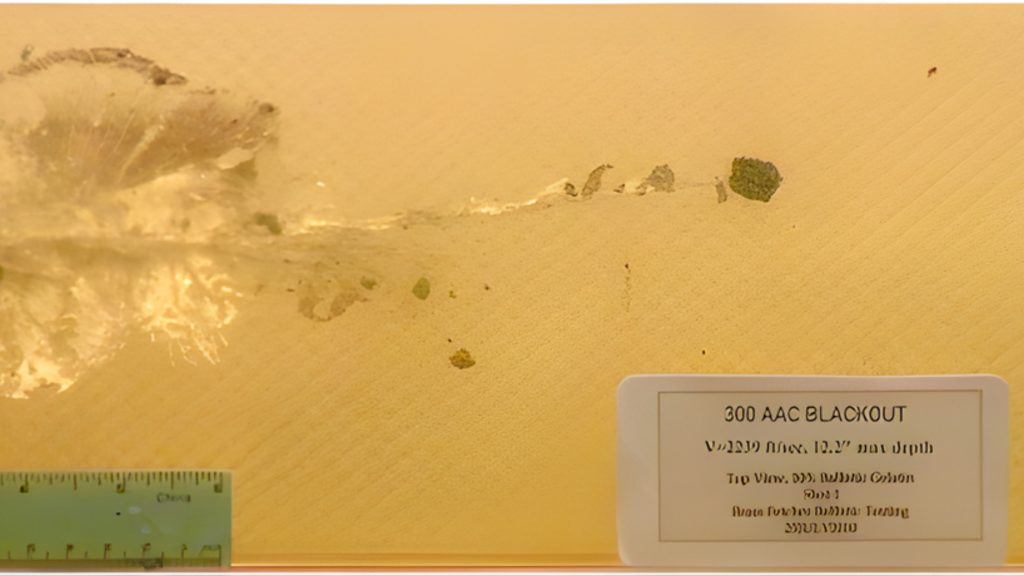
The common shorthand is simple: hit gelatin and see how deep the bullet goes. The actual protocol is more demanding. The FBI test family uses calibrated gelatin, controlled distances, and multiple barrier events, while many public discussions fixate only on bare-gel results. Even in simplified heavy-clothing tests, pocket calibers are already working near the edge. That is why loads that look acceptable in casual conversation can still fall short once they are measured against the six-event FBI protocol concept rather than a single soft target.
3. .22 LR often starts too light and too inconsistent for the job
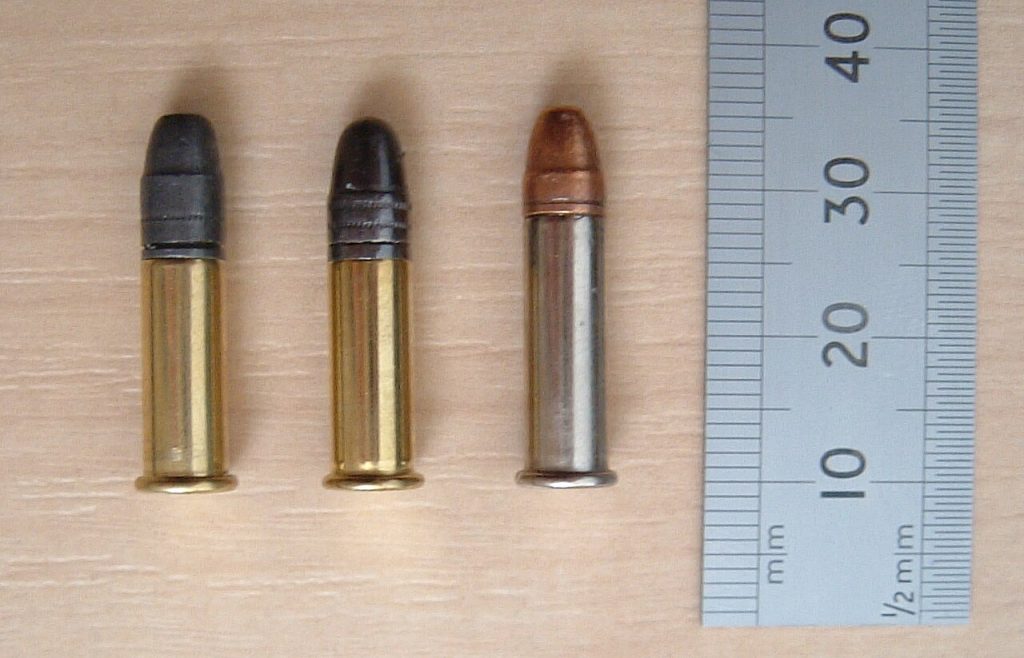
.22 LR remains popular in tiny handguns because recoil is mild and the guns can be extremely compact. The problem is that the cartridge is fighting two disadvantages at once: low bullet weight and rimfire ignition. In one pocket-pistol gel comparison, a 29-grain .22 LR load from a Beretta 21A fell short of the FBI minimum, while the wound track remained minimal. Separate testing of .22 LR loads in pocket-length barrels also found that expansion was rare and penetration depended heavily on load selection and barrel length. In practical terms, that leaves little margin for error in a class of handgun that already has little to spare.
4. Rimfire ignition adds reliability concerns before terminal performance is even considered
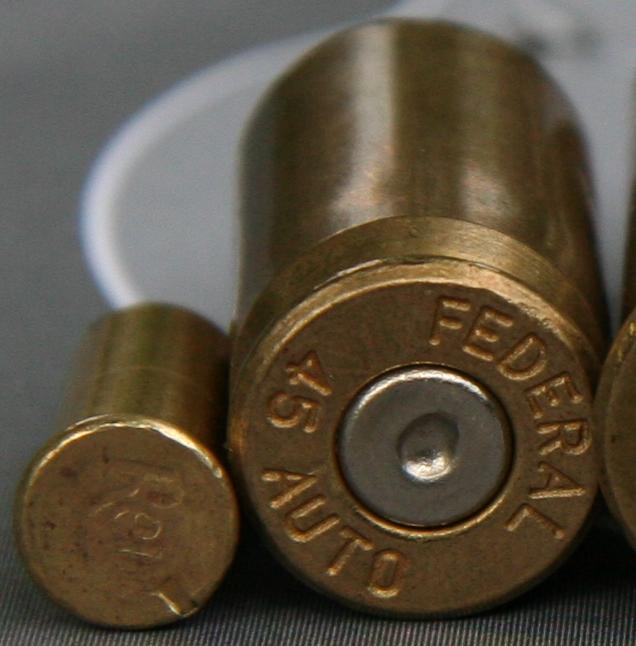
Ballistic standards focus on what happens after impact, but pocket pistols also live or die by reliability. Rimfire cartridges are inherently different from centerfire ammunition, and the smallest defensive handguns are not forgiving machines. The same mouse-gun comparison that tracked penetration noted occasional stove-pipe malfunctions with a .22 LR pocket pistol over time, even though the platform was otherwise well regarded. A load that is already marginal on penetration does not gain any practical advantage from being housed in a system with less ignition certainty than centerfire alternatives.
5. .25 ACP usually lacks the energy reserve to make up the difference
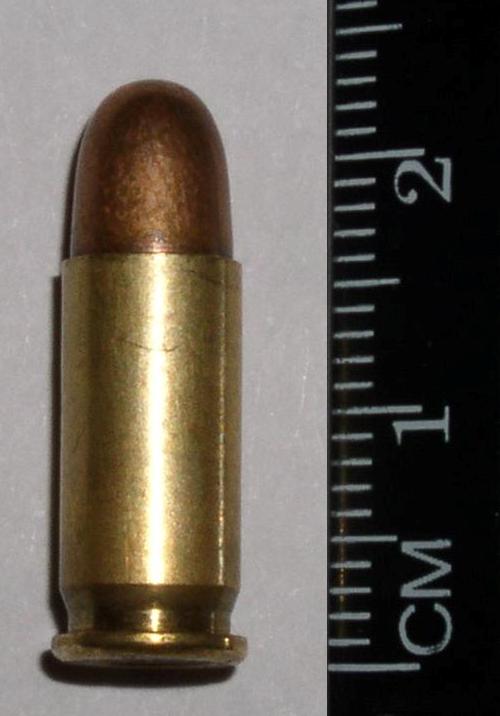
.25 ACP has long survived on the argument that centerfire ignition is preferable to rimfire in a very small pistol. That point remains relevant, but the cartridge’s terminal performance is still difficult to defend under modern gel standards. In the mouse-gun test, the 50-grain .25 ACP FMJ load failed to reach 12 inches of penetration. Broader pocket-pistol gelatin testing produced a similar picture, with .25 ACP showing modest and inconsistent penetration even when compared with other small cartridges. It is reliable for what it is, but “what it is” remains a very low-powered round from a very short barrel.
6. Expansion is usually a trap for the smallest calibers
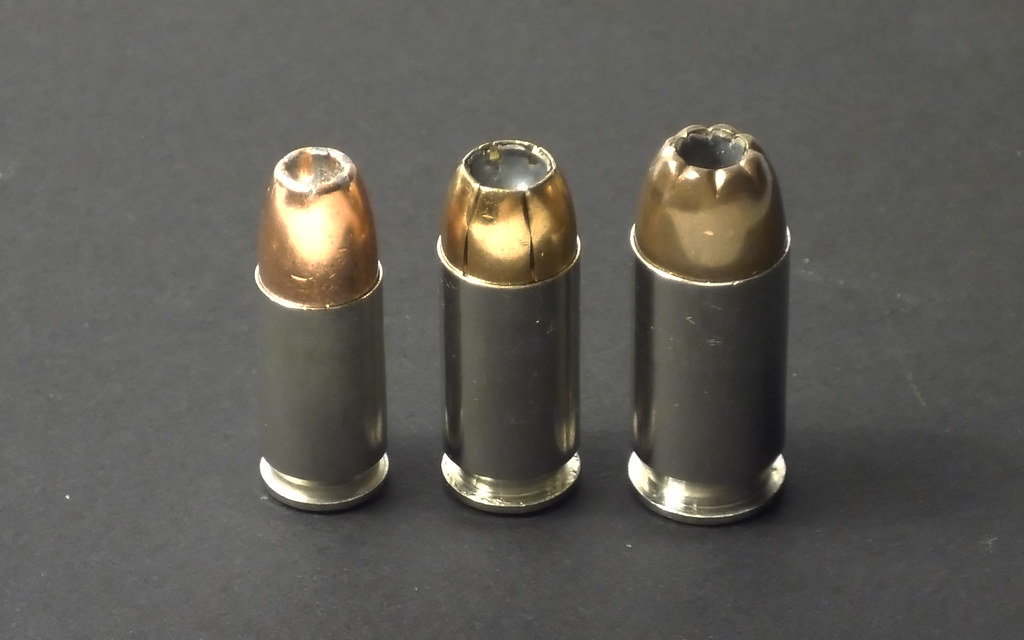
In service calibers, expansion is often pursued without sacrificing acceptable penetration. In pocket calibers, that balance is much harder to strike. Testing of .22 WMR and .32 ACP loads has shown a familiar pattern: expanding bullets may open, but penetration often suffers. With .22 LR and .25 ACP, the problem is sharper because there is so little extra velocity and mass available in the first place. That is why small-caliber FMJ loads sometimes outperform hollow points in gel when the goal is simply to reach adequate depth, even though they do little to enlarge the wound channel.
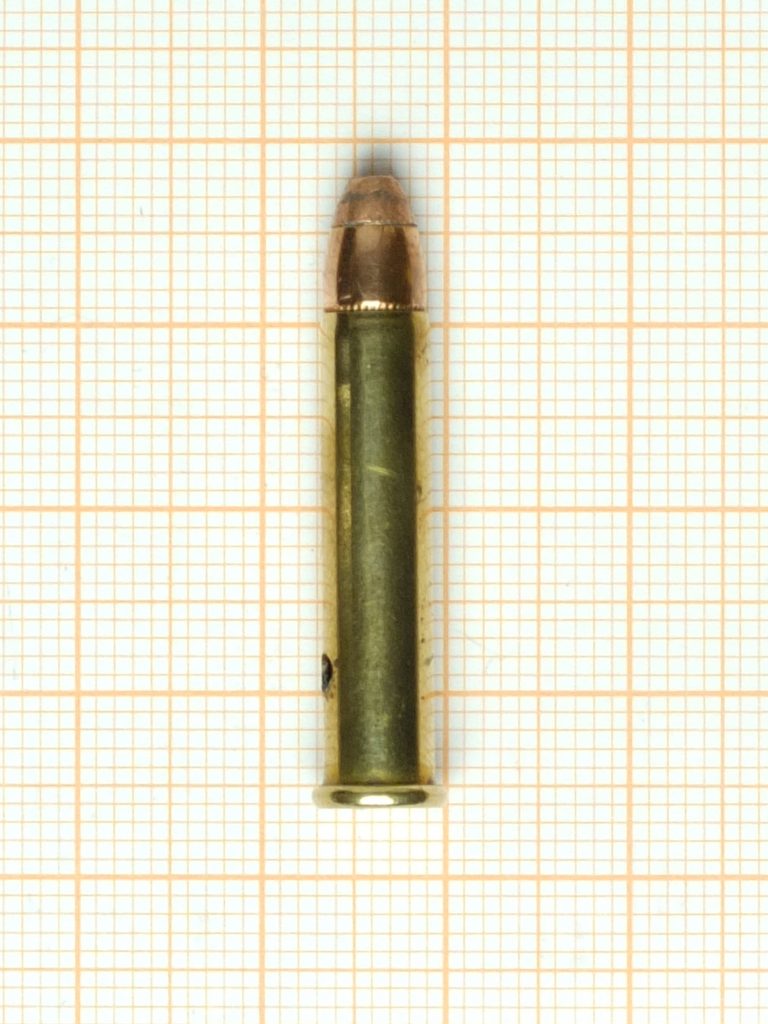
7. .22 WMR is better than many assume, but still ammunition-sensitive
.22 WMR has a reputation for being wasted in short barrels, yet dedicated testing has shown that belief is overstated. Pocket-length .22 Magnum handguns can produce meaningfully higher velocity than .22 LR, and in one mouse-gun gel test a 40-grain FMJ load reached 12.5 inches, just inside the usual FBI window. The catch is consistency. Loads designed to expand from short barrels have often given up depth, while conventional loads penetrate better but may not expand at all. That makes .22 WMR a viable outlier in the pocket-gun world, but not a broad solution.
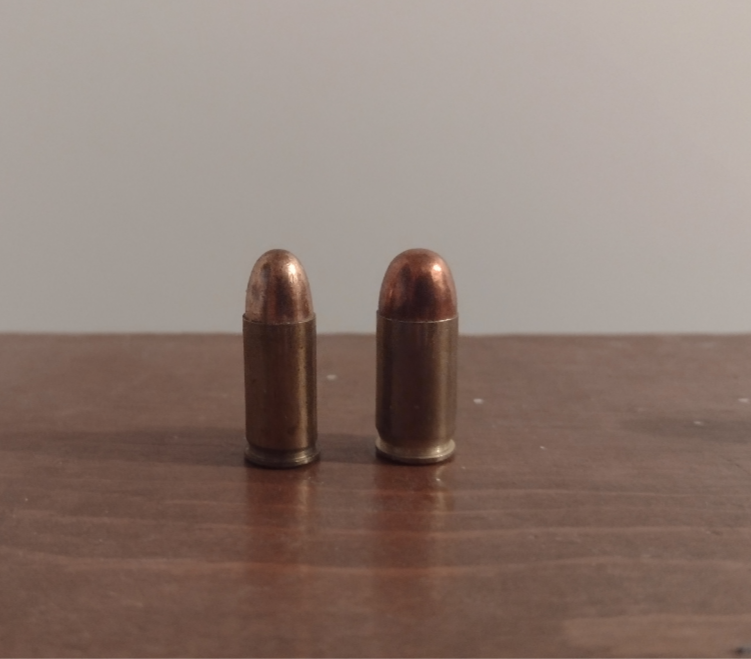
8. .32 ACP often meets the standard only when it avoids acting like a modern hollow point
.32 ACP is one of the more revealing calibers in this class because it shows how small cartridges can benefit from restraint. In the Guns.com test, a 71-grain FMJ load from a KelTec P32 passed through the full 16-inch block. Lucky Gunner’s pocket-pistol testing reached a similar conclusion, finding that FMJ loads in .32 ACP penetrated more consistently than the hollow points tested. The caliber can meet the penetration goal, but often only by giving up expansion and leaning on straight-line depth instead.
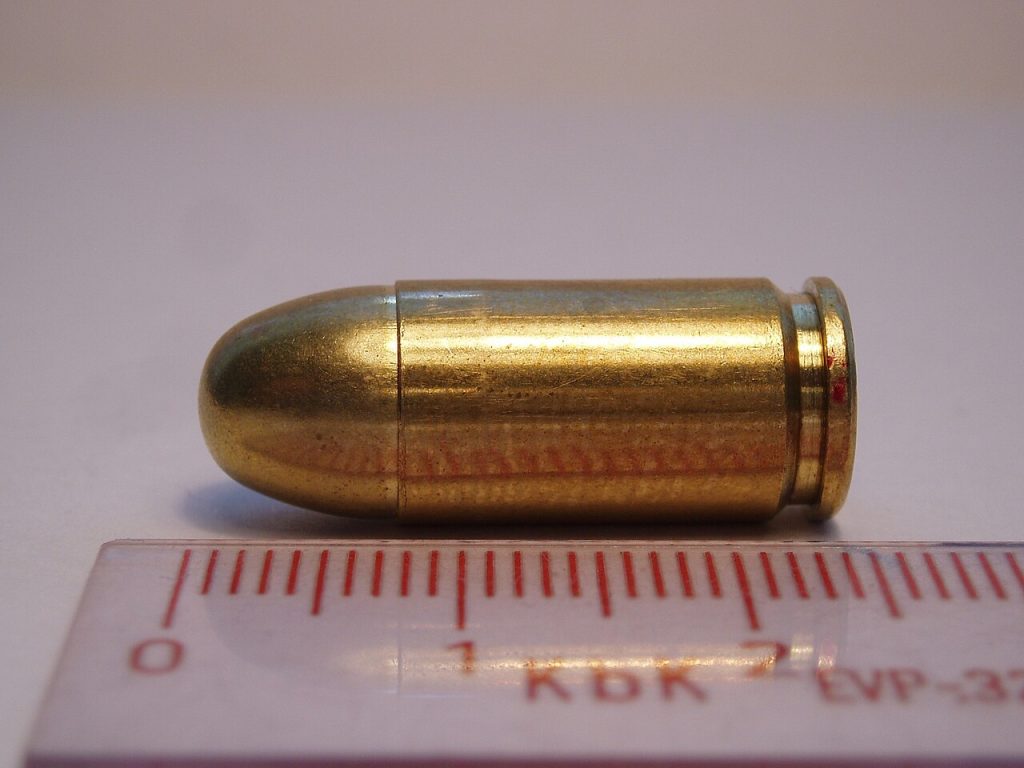
9. .380 ACP clears the bar more often, but pocket guns still complicate the result
.380 ACP dominates the modern pocket-pistol market for a reason. It usually offers enough energy to get into the FBI window, especially when ammunition is chosen carefully. In the same mouse-gun comparison, a 92-grain FMJ .380 ACP load completely traversed a 16-inch gel block, showing that the caliber has more margin than .22 LR or .25 ACP. Yet pocket-sized .380 pistols are still difficult hosts: they are light, often snappy, and commonly equipped with rudimentary sights and long triggers. The caliber may pass more often, but the gun still asks the shooter to manage a lot from very little.
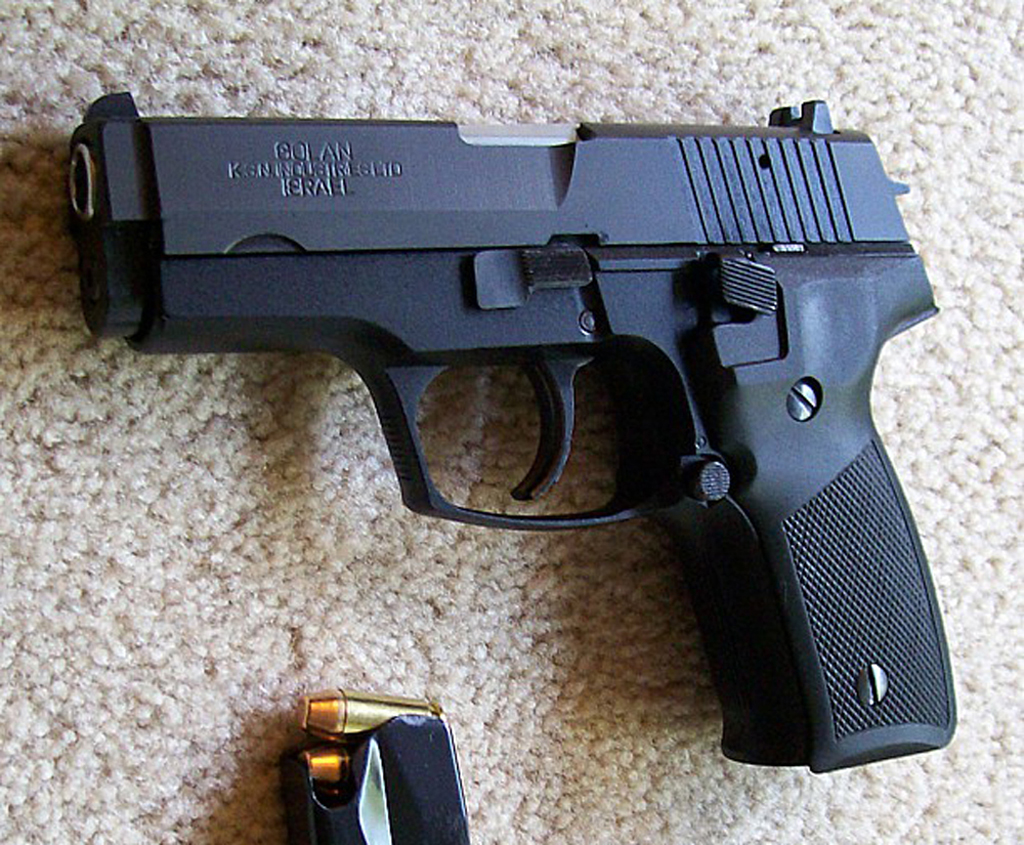
10. Pocket-pistol design priorities are the real reason these calibers struggle
The caliber alone is only part of the story. Pocket pistols are engineered around minimum size and weight, not around ideal ballistic performance. That means reduced controllability, lower practical accuracy, limited capacity, and mechanical compromises that would be less acceptable in larger handguns. When the platform shrinks, the cartridge has to work harder, and when the cartridge is already small, the test standard becomes more difficult to meet. This is why many of the weakest performers are not merely “bad loads” but products of a system where concealment outranks ballistic headroom from the beginning.
The recurring pattern is straightforward. The calibers most associated with true pocket pistols fail FBI-style benchmarks not because the standard is unrealistic, but because these rounds are being launched from guns that strip away velocity, handling, and margin for error. That leaves a narrow hierarchy inside the pocket category itself. .22 LR and .25 ACP commonly fall short, .22 WMR can work with the right load, .32 ACP often depends on FMJ for adequate depth, and .380 ACP remains the most likely of the traditional pocket-pistol calibers to satisfy the standard in a meaningful way. In every case, the engineering compromise starts with size.


