Some 9mm pistols became popular. A smaller group changed the rulebook. What separated them was not fashion or brand loyalty. Each one solved a stubborn engineering problem that shooters, police agencies, militaries, or concealed-carry users kept running into: how to add capacity without making the grip unusable, how to simplify operation under stress, how to cut weight without sacrificing durability, or how to shrink a pistol without turning it into a chore to shoot. Modern 9mm expectations still trace back to those design choices.
1. Browning Hi-Power
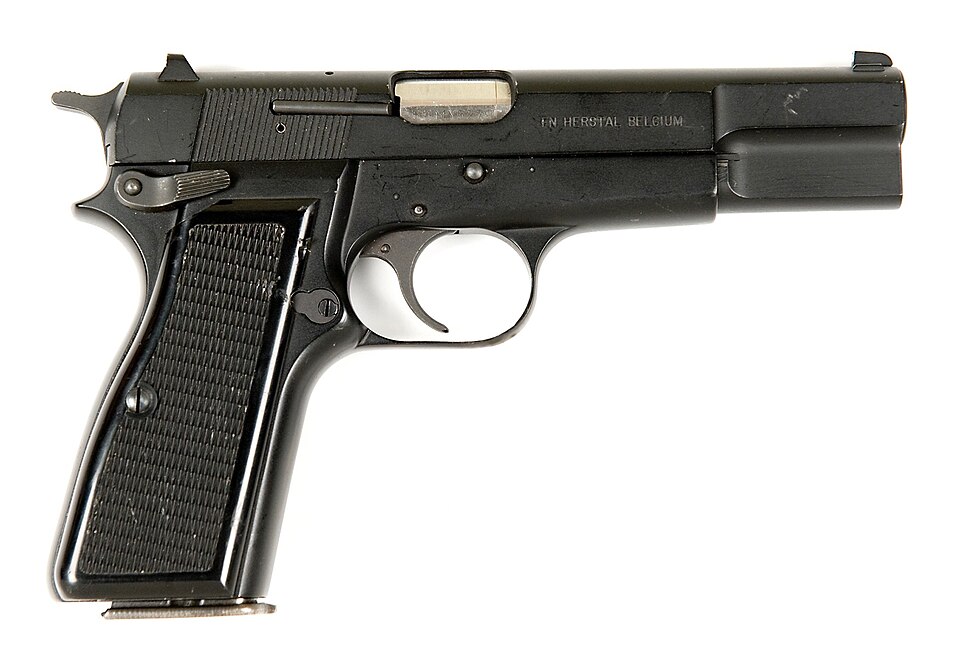
The Hi-Power normalized the idea that a serious service pistol could carry more than a token loadout without feeling oversized in the hand. Its double-stack magazine became a turning point for handgun design, and the finished pistol emerged from John Browning’s original work and Dieudonné Saive’s refinements into a platform that later service pistols kept echoing.
That influence runs deeper than magazine capacity alone. The Hi-Power’s linkless barrel system and grip shape helped define what a fast-pointing combat pistol should feel like, while its final production form carried 13 rounds at a time when that was a major departure. More than 50 armies eventually adopted some version of it, and the pistol’s architecture still shows up in designs that arrived decades later.
2. Glock 17
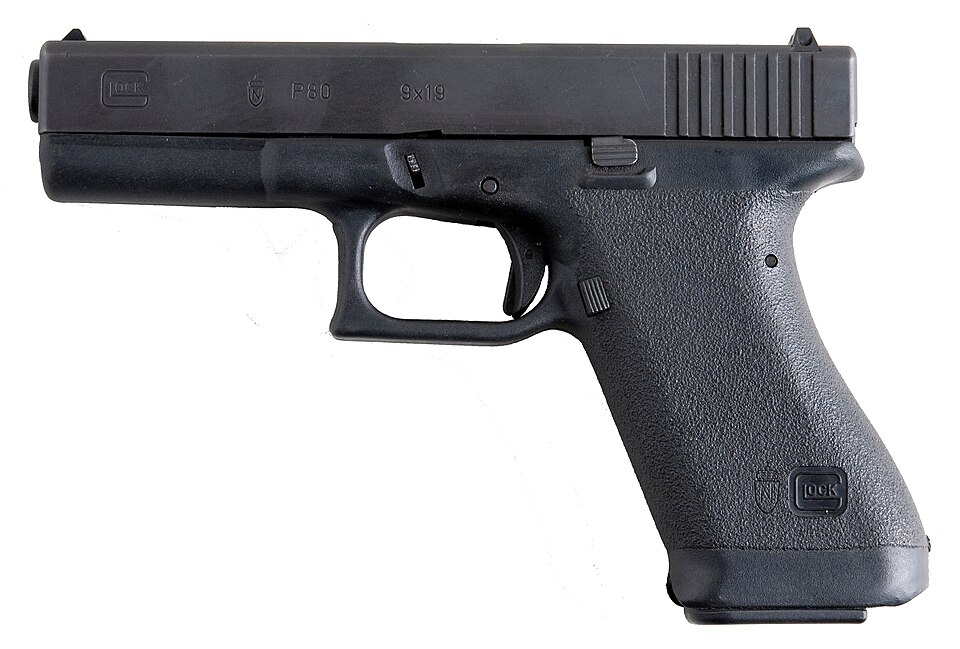
The Glock 17 did not invent the polymer-frame pistol, but it made the concept impossible to dismiss. By pairing a polymer frame with a striker-fired system and internal safeties, it turned a once-unusual material and action type into the mainstream formula for modern duty handguns.
Its real impact came from simplification. The pistol reduced parts count, kept the trigger feel consistent from shot to shot, and proved that a light service handgun could also be durable enough for institutional use. Glock’s own history notes an average of only 35 parts, and that stripped-down design philosophy helped move agencies away from more complex metal-framed sidearms. Once the Glock 17 succeeded, the market stopped asking whether polymer was acceptable and started competing over who could execute the idea best.
3. Glock 19
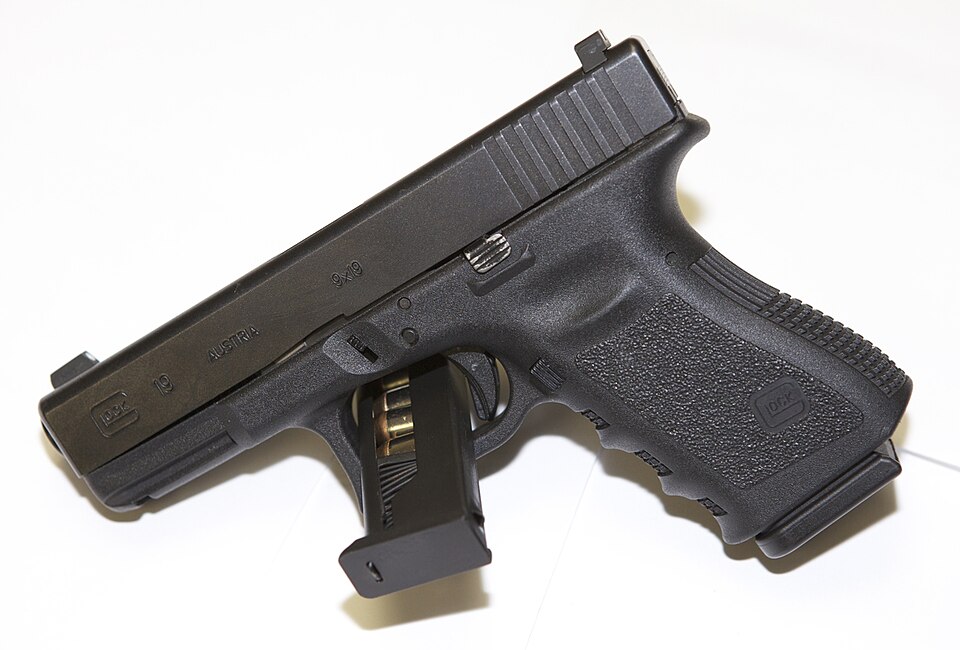
The Glock 19 took the Glock formula and put it into the size class that reshaped the handgun market. It was compact enough to conceal, large enough to handle like a duty pistol, and compatible with larger magazines, which made it unusually easy to use across multiple roles. That balance is why it became a reference point rather than just a scaled-down variant. The compact frame removed much of the penalty that used to come with carrying a service-capable pistol daily. Training programs, aftermarket support, and magazine compatibility turned it into a practical standard for shooters who wanted one handgun to cover as many jobs as possible.
4. Beretta 92/M9
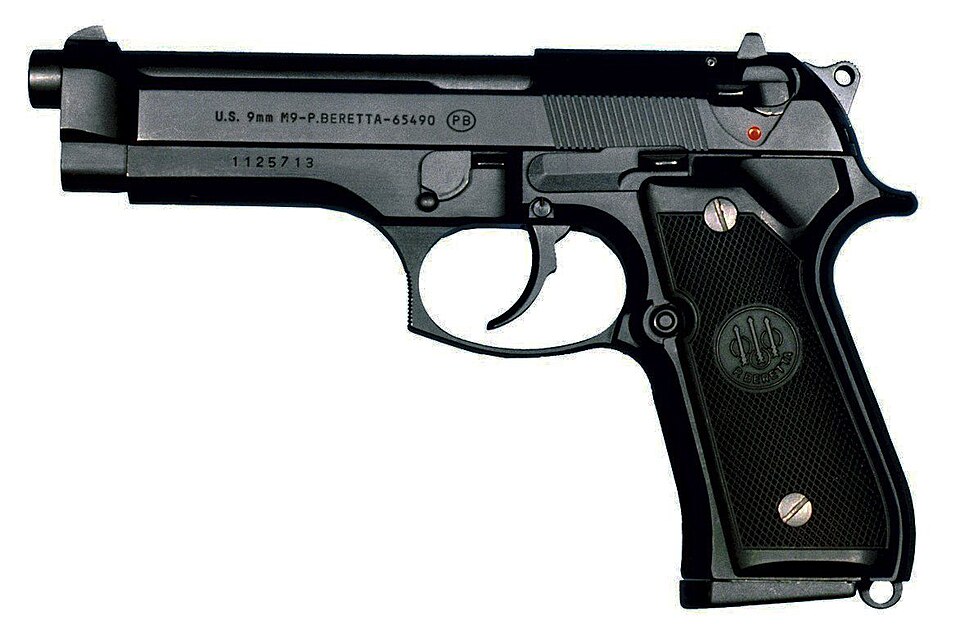
The Beretta 92 family became one of the clearest examples of how mechanical layout and institutional demands shape a pistol’s legacy. Its open-slide design, alloy frame, and locking-block system gave it a distinctive recoil feel and a reputation for smooth cycling, while long military service made every strength and weakness highly visible.
The design also kept evolving in response to user feedback. Early variants gave way to the 92F, 92FS, Vertec, Brigadier, and later railed and optics-capable versions, showing how a service pistol can stay relevant through incremental engineering rather than complete reinvention. Beretta’s 92 line has been in continuous production since 1976, and that long development path turned it into a living case study in durability fixes, ergonomics changes, and role-specific adaptation.
5. SIG Sauer P226
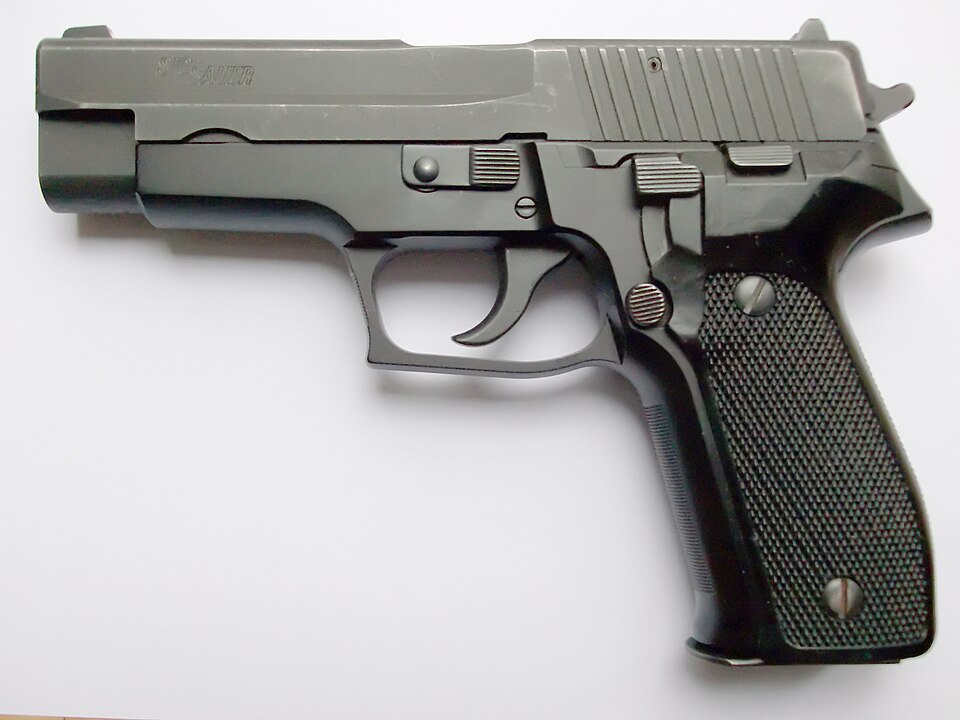
The P226 became the counterargument to the idea that only winners of big contracts define the market. Developed from the single-stack P220 into a double-stack 15-round service pistol for the XM9 trials, it built its reputation on durability, refined controls, and a DA/SA system that many agencies viewed as a deliberate, safety-minded manual of arms.
Its history remains tied to the XM9 competition, where it reached the final round against Beretta and lost on total package cost rather than a lack of capability. Later military and law-enforcement use gave it a second life, especially after Navy SEALs adopted the P226 in 1989. That service record, combined with continued variants and ergonomic updates, kept the platform relevant long after its original trial era.
6. Luger P08
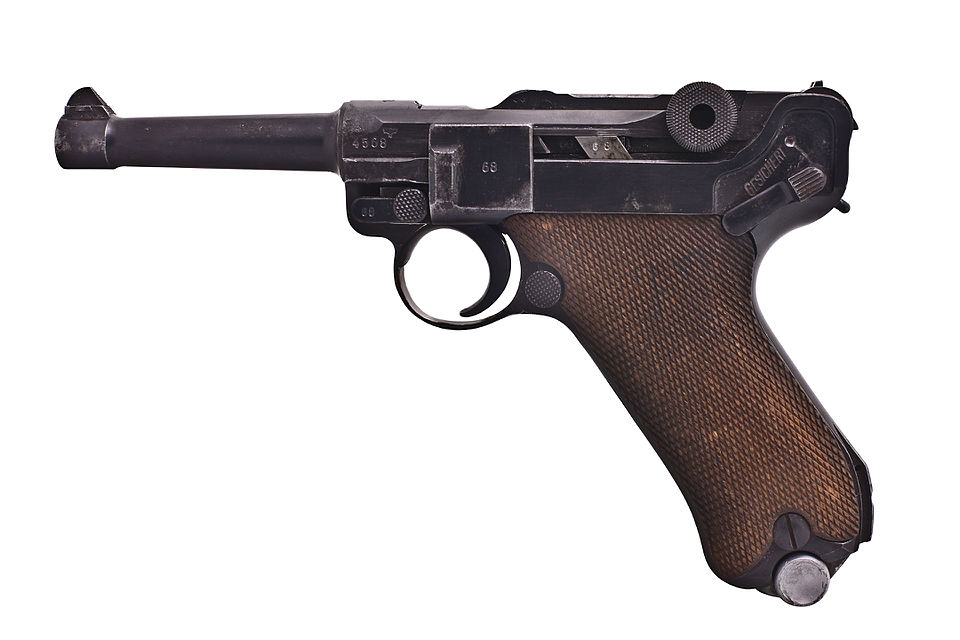
The P08 matters because it sits near the root of the entire 9mm story. Its toggle-lock action and sharply angled grip made it one of the most recognizable pistols ever built, but its bigger legacy is that it helped establish the cartridge that would dominate service and defensive handgun use for more than a century.
Even its striker-fired internals feel more modern than its silhouette suggests. The pistol linked mechanical distinctiveness with cartridge standardization, and the 9x19mm round associated with it became the enduring benchmark that later service pistols were built around.
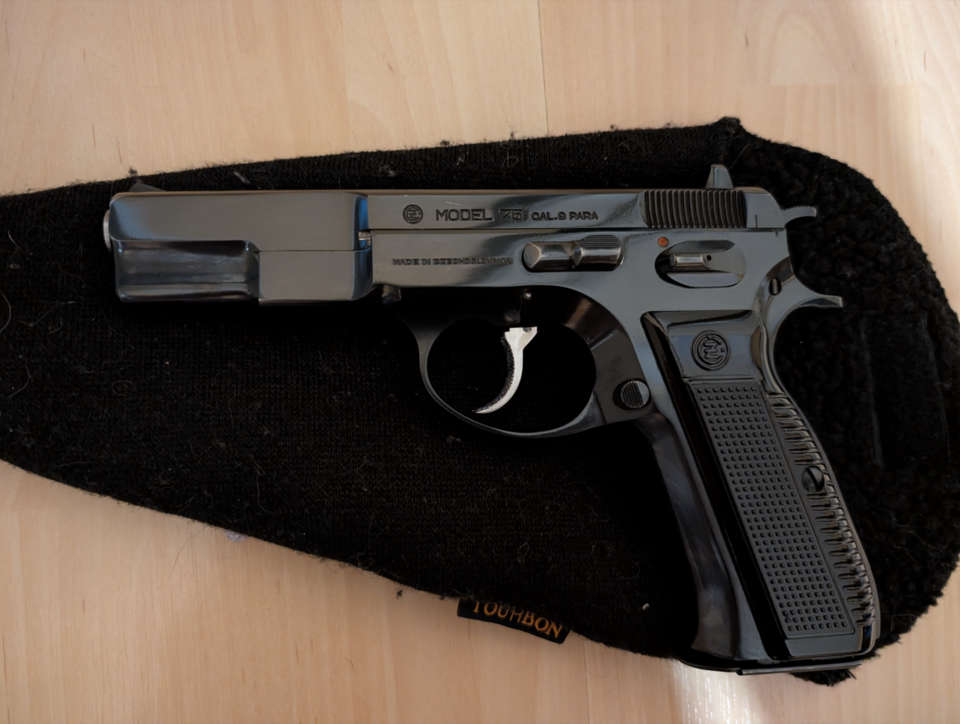
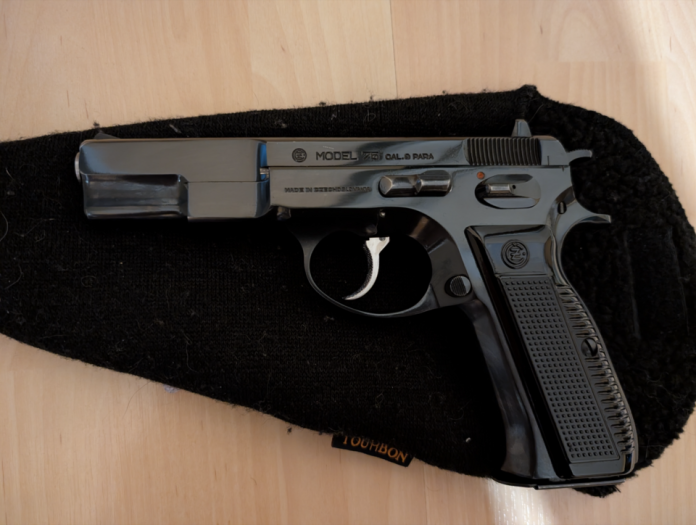
7. CZ 75
The CZ 75 became a long-term favorite because its ergonomics felt unusually sorted from the start. Its slide riding inside the frame rails, steel construction, and grip shape combined into a pistol known for controllability and practical accuracy without giving up full-size capacity. Its influence often showed up indirectly. Later designs borrowed its handling characteristics, internal layout ideas, and the basic notion that a duty pistol could be both high-capacity and exceptionally shootable. For many shooters, the CZ 75 became the benchmark for how a metal-framed 9mm ought to sit in the hand.
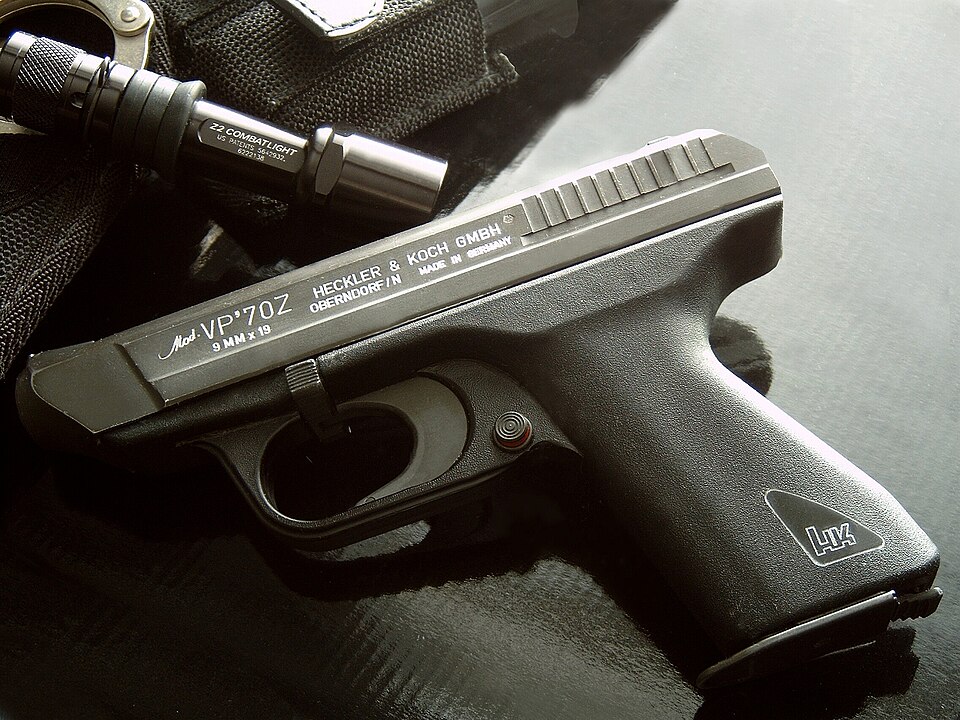
8. Heckler & Koch VP70
The VP70 looked ahead of its time because, in a real sense, it was. Long before polymer-framed striker-fired pistols dominated the market, it demonstrated that the material and action type could be combined in a functional service-capacity handgun. Its commercial impact was limited by its heavy trigger and unconventional ergonomics, but its historical role is hard to ignore. The VP70 showed the concept before the market was ready, clearing the way for later pistols that would refine the same basic direction into far more widely accepted form.
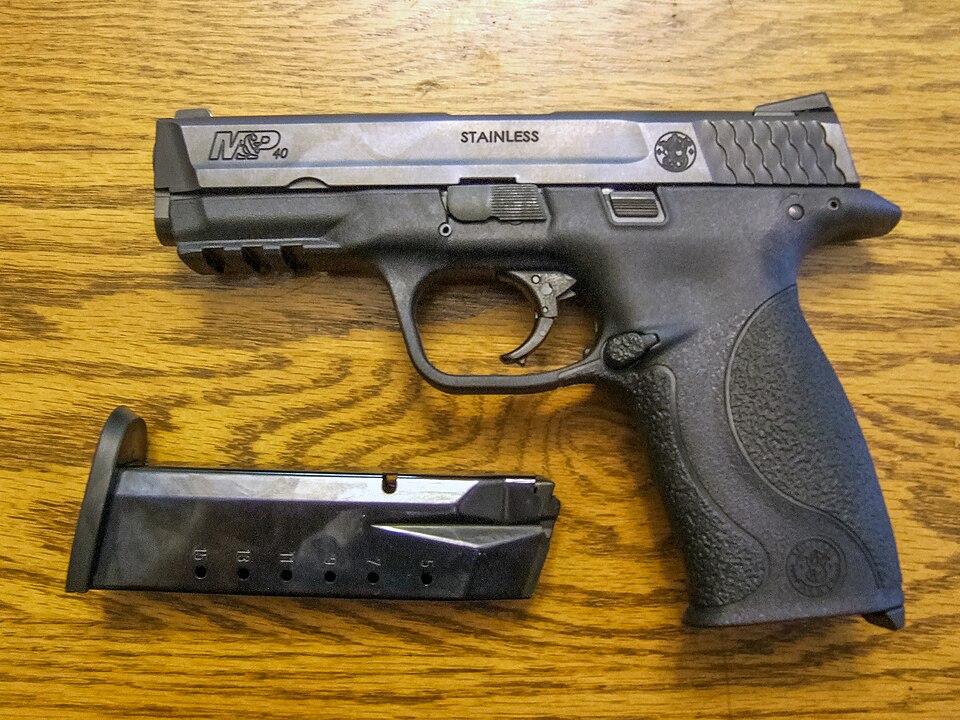
9. Smith & Wesson M&P Shield
The Shield marked the point where slim 9mm carry pistols stopped feeling like emergency-only tools. It delivered a flatter profile for concealed carry while staying manageable enough for regular training, which helped reset expectations for what an everyday 9mm should be something slim enough to conceal comfortably, yet stable, controllable, and practical enough to train with regularly without compromise.
That mattered because the concealed-carry market had already grown past tiny pistols with punishing handling. The Shield helped prove that a thin handgun could still be practical, comfortable, and serious enough for everyday use. In the broader market, it accelerated the shift toward carry-first pistols as a primary category rather than a backup compromise.
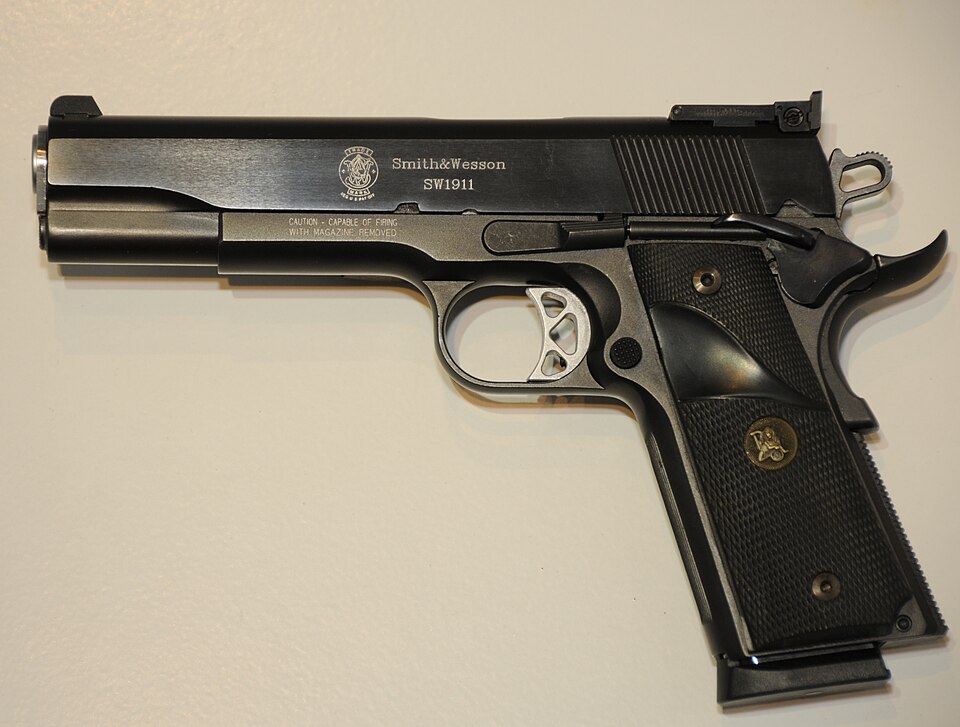
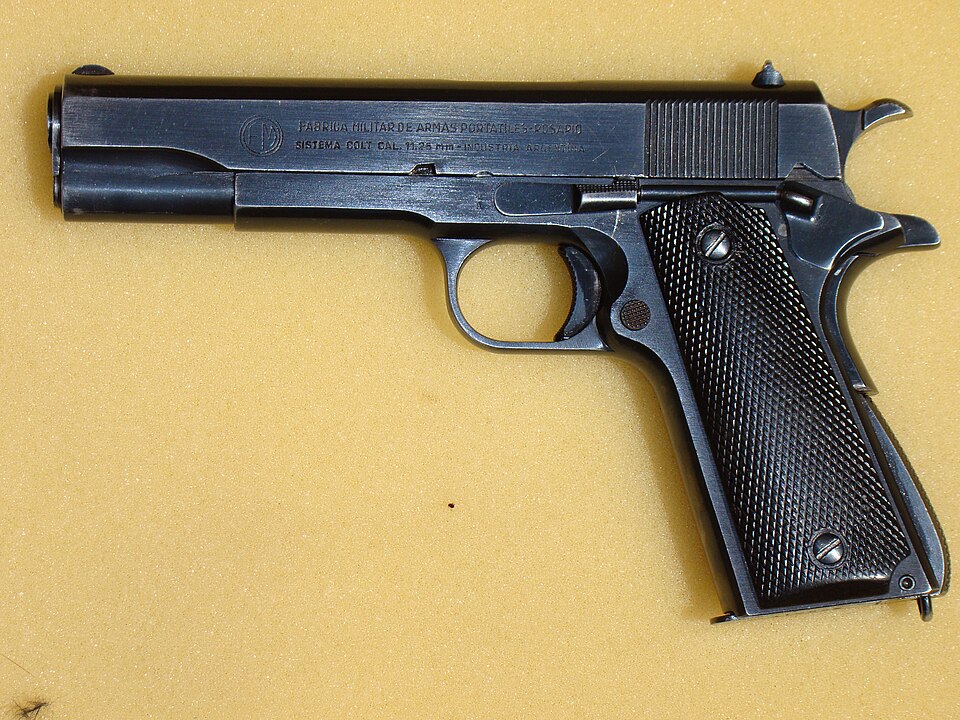
10. 1911-Pattern 9mm Pistols
A 9mm 1911 represents a different kind of influence. It shows that platform geometry and control layout can outlast the cartridge that made a design famous. The trigger, grip angle, and manual safety system remained attractive enough that makers kept adapting the pattern to higher-capacity and softer-shooting 9mm formats.
That evolution now stretches from traditional single-stack pistols to double-stack descendants and compact carry-oriented hybrids. Modern modular and double-column developments show how the old 1911 control scheme kept finding new relevance as the market leaned toward 9mm capacity and faster handling, instead of treating the platform as locked to one chambering or one era.
Taken together, these pistols did more than sell well. They established what shooters now treat as baseline requirements: useful capacity, manageable size, durable materials, safe handling under pressure, and controls that make sense when speed matters. That is why they still matter. The current 9mm market looks broad and modern, but many of its assumptions were settled years ago by a handful of handguns that forced everyone else to adapt.


