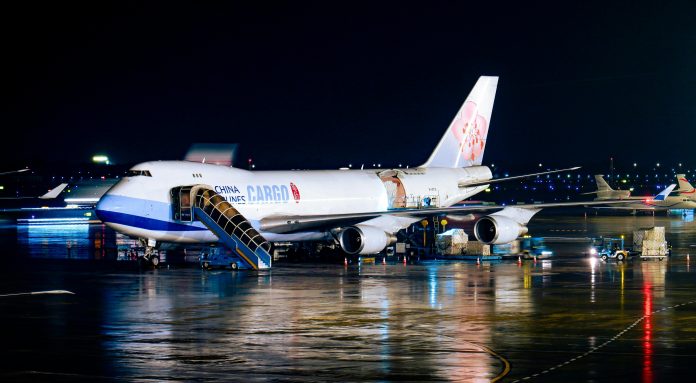
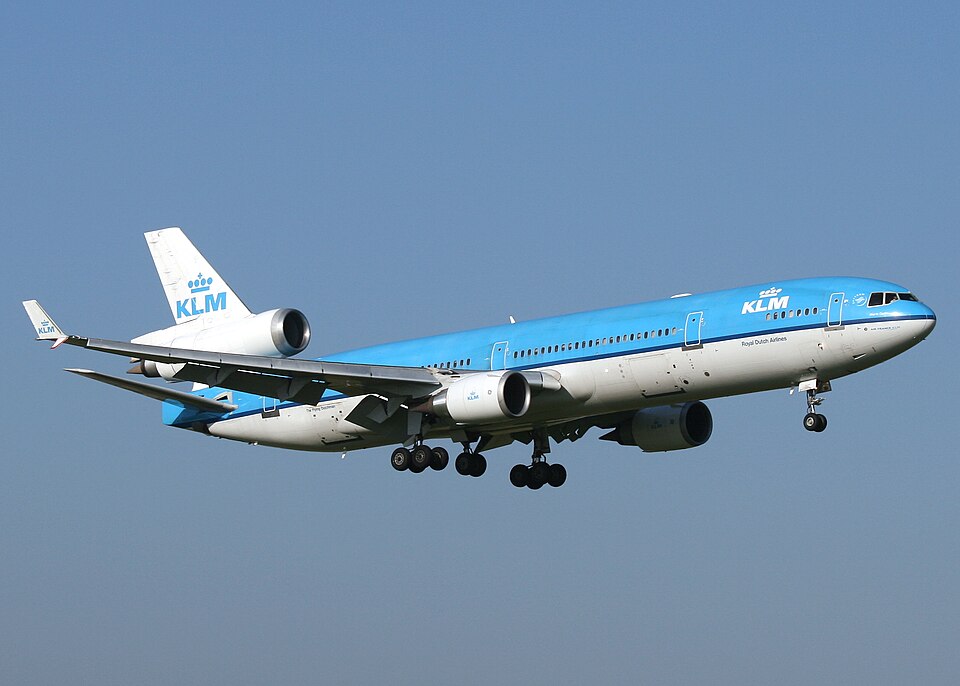
The loss of a UPS MD-11 shortly after departure from Louisville did more than focus attention on one aging freighter. It exposed how design legacy, inspection practice, fleet age, and cargo-industry dependence can collide in a matter of seconds.
For engineers, maintenance planners, and aviation readers who follow the machinery behind global logistics, the investigation has become a concentrated study in how older aircraft fail, how warning systems can be overtaken by events, and why a niche workhorse can suddenly become a fleet-wide concern.

1. The engine separation was the central mechanical break
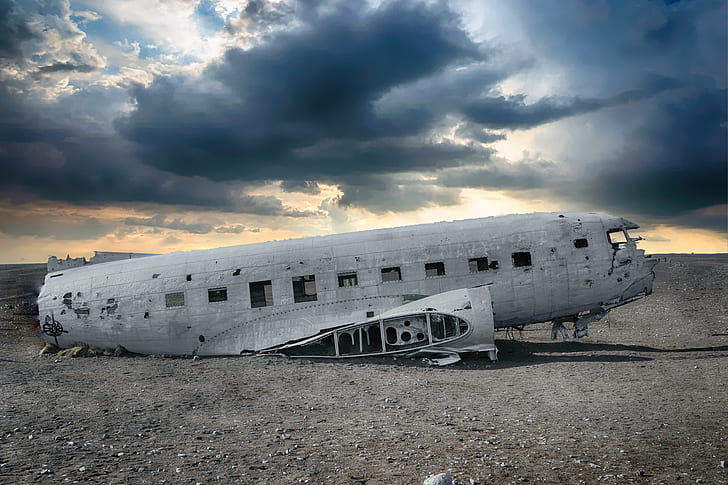
Investigators found that the left engine and pylon separated during takeoff rotation, turning a normal departure into a structural emergency almost immediately. The aircraft did not get higher than about 30 feet above ground level, leaving almost no margin for recovery. That detail matters because it frames the event less as a conventional engine-out case and more as a violent loss of attached structure at the worst possible phase of flight.
2. Fatigue cracking moved to the front of the inquiry
The most consequential clue in the early technical work was evidence of fatigue cracks in the left pylon aft mount lug. Investigators also noted overstress failure, suggesting the structure had been weakened over time before the final overload. Anthony Brickhouse described the cracks plainly: “That’s a major clue.” John Cox added, “It finally gets to a point where the force overcomes what the structure can withstand and that’s a point of failure.”
3. Inspection schedules may not match the realities of older freighters
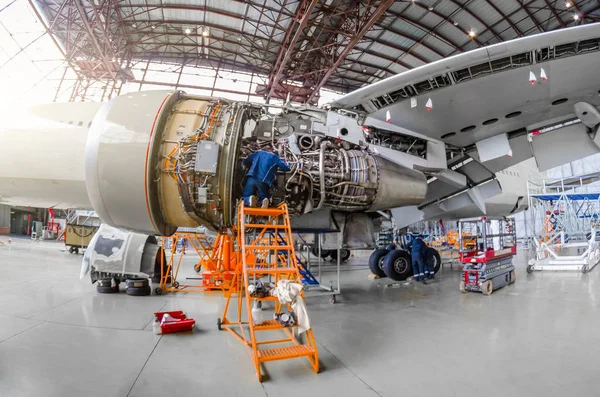
One of the hardest questions raised by the crash is why a critical crack could progress before a more invasive inspection was even due. The aircraft reportedly had not accumulated enough cycles to trigger that deeper check, even though the damaged area sat in a high-stress engine-support structure. That gap is now pushing attention toward whether aging freighters need shorter intervals, different thresholds, or more intrusive inspection methods for pylon attachments and related fittings.
4. The MD-11 inherited more than the DC-10’s shape
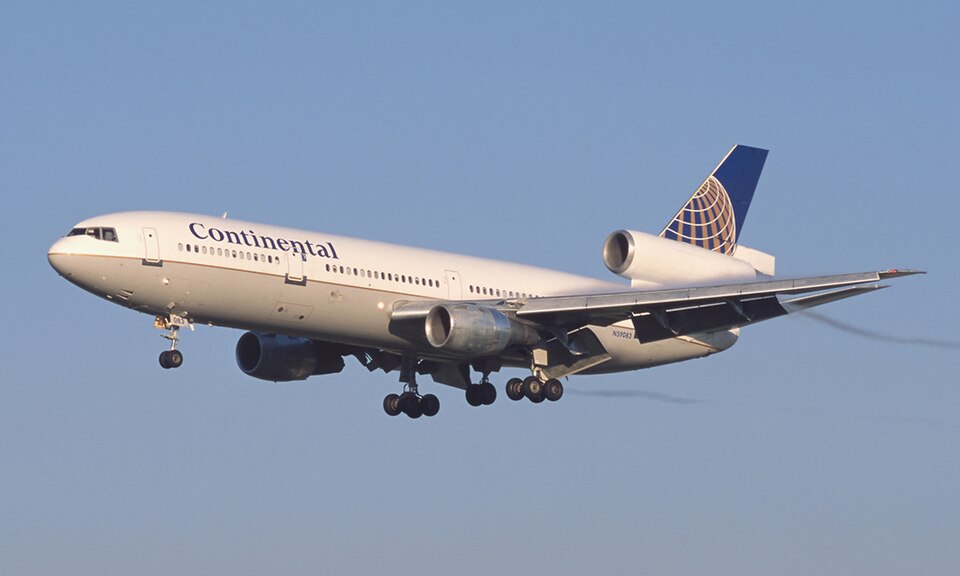
The investigation drew immediate comparisons to the 1979 American Airlines DC-10 crash in Chicago because both events involved engine-pylon separation during takeoff. The MD-11 is a wide-body trijet developed from the DC-10, and that lineage is not just visual. While the aircraft introduced updated avionics, winglets, and aerodynamic changes, its core architecture still carried forward structural concepts from an earlier era. That does not make the two aircraft identical, but it does explain why a failure in one attachment system can revive engineering concerns that many in the industry assumed had been pushed into history.
5. A rare grounding showed how seriously the risk was taken
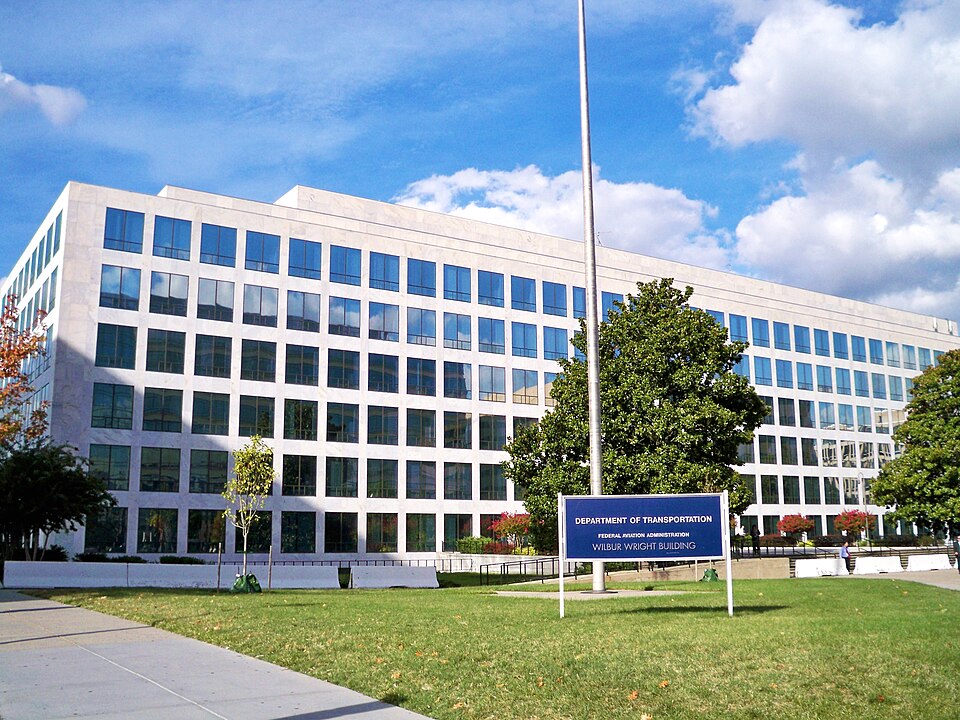
Boeing’s recommendation to halt MD-11 freighter operations stood out because manufacturers do not often move first in public on fleet stoppages. The FAA followed with an emergency directive that reached beyond the MD-11 to related DC-10 and MD-10 variants. In practical terms, the investigation stopped being about a single loss and became a design-family problem. That shift was unusually fast.
6. The aircraft’s age was not background detail
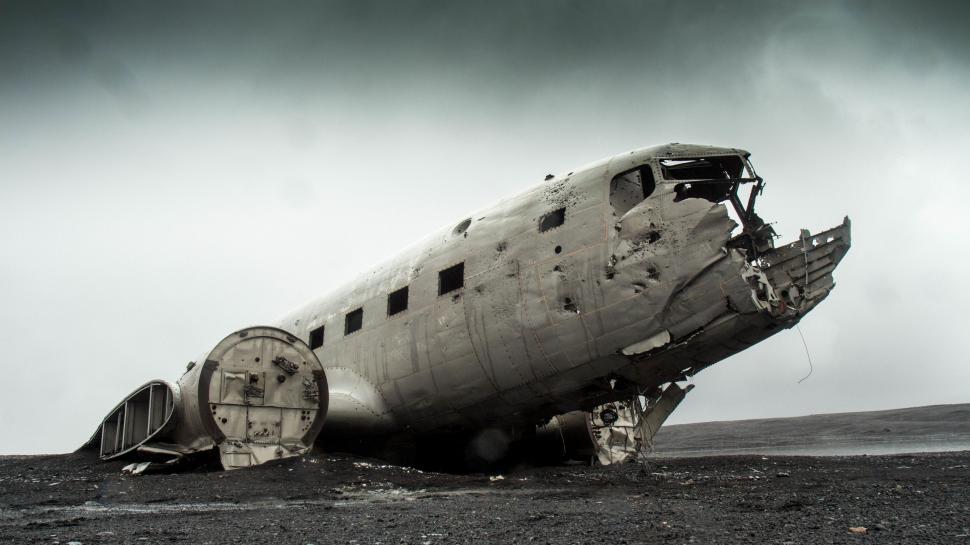
The crashed freighter was 34 years old, and that age matters when discussing cumulative fatigue, repeated load cycles, and maintenance planning for structures that spend decades absorbing vibration and thrust loads. Freighters often remain useful long after passenger service ends because cargo operators value volume, payload, and depreciated assets. But aging does not happen evenly across an airframe. It concentrates in joints, lugs, mounts, fastener holes, and other places where repeated stress can hide until it surfaces all at once.
7. The MD-11 always carried a narrower handling margin than many peers
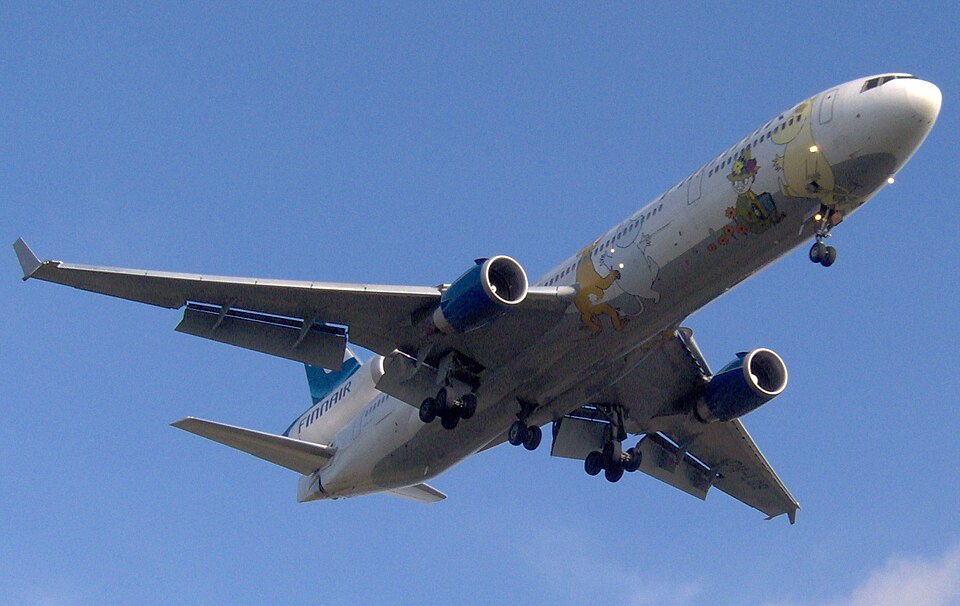
The Louisville crash centered on structural failure, not the type’s better-known landing reputation, but the MD-11’s broader operating history still matters. The aircraft used a reduced horizontal tail and a stability-augmentation strategy to improve efficiency, while its high wing loading helped cruise performance. Those choices also contributed to a jet that demanded careful handling, especially near the ground, and the type later accumulated one of the more scrutinized safety records among widebody airliners. By 2024, Boeing’s statistical summary showed the highest hull loss rate of any widebody commercial airliner.
8. Cargo networks were reminded how much they still rely on old trijets
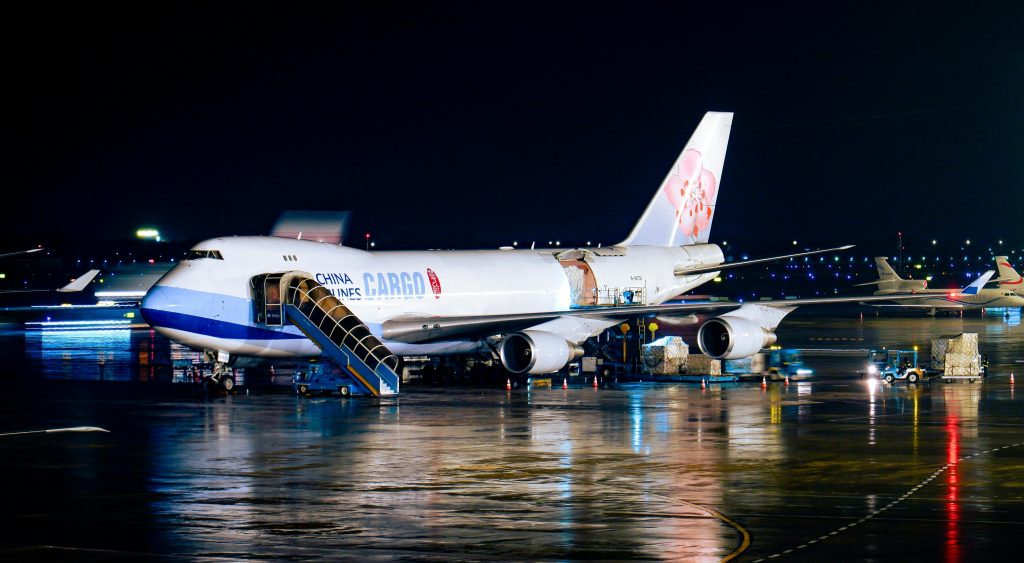
The grounding hit a fleet that remains deeply embedded in express logistics. Only about 200 MD-11s were ever built, and just a few dozen remained active by late 2025, mostly in cargo service. Yet those aircraft still carried an outsized share of lift for overnight networks, meaning a technical finding inside one pylon mount rippled outward into schedules, leased lift, reserve aircraft, and retirement plans.
9. The crash accelerated the endgame for the MD-11
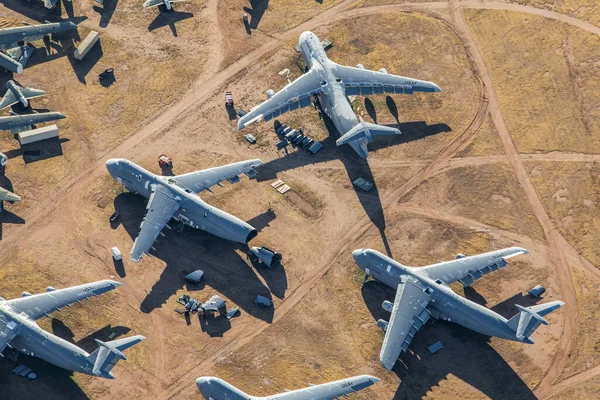
The MD-11 had already been drifting toward retirement as twin-engine freighters and newer widebodies took over long-term planning. After Louisville, that transition ceased to look gradual. UPS later disclosed that it had retired its entire MD-11 fleet, while other operators remained constrained by inspection and grounding requirements. For a trijet that once represented the last major evolution of the DC-10 family, the investigation did not just reopen old safety questions. It compressed the timetable for leaving service.
The deeper lesson is not only about one aircraft model. It is about how mature designs age inside modern cargo systems, where old structures are asked to support relentless utilization long after their original market era has passed. In that sense, the MD-11 investigation has become a hard-edged engineering case study: fatigue can outpace schedules, legacy design can reassert itself decades later, and a single failure point can force an industry to reconsider an entire fleet.


