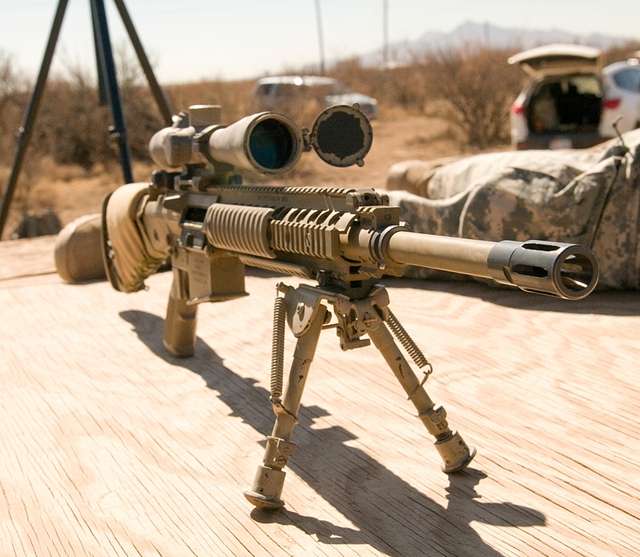
Long-range shooters often talk about speed as if more of it automatically fixes everything. It does not. A rifle can post impressive muzzle numbers, print tidy groups at 100 yards, and still become harder to manage once the shot spends real time in moving air.
The trap is not velocity by itself. The trap is building an entire rifle-and-ammo system around velocity while neglecting the parts that matter more downrange: drag, consistency, barrel life, stability, and how honestly the data matches reality.

1. Speed can hide a poor bullet choice
A fast launch looks good on paper, but drag decides what happens after the first part of flight. When shooters choose a lighter, lower-BC bullet just to gain muzzle speed, they often create a setup that looks flat at shorter distance and gets pushed around badly in wind. One comparison cited for two 150-grain .308 bullets showed the lower-BC version drifting nearly 3 feet in a 10 mph crosswind at 500 yards, while the sleeker bullet drifted about 21 inches. This is why experienced long-range builders place so much value on aerodynamic efficiency. Bryan Litz’s observation that cartridge popularity always follows bullet design points to the same reality: bullet shape and drag performance matter as much as raw launch speed.
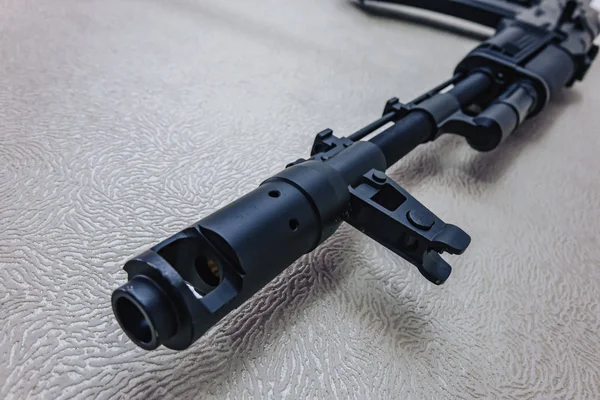
2. Chasing a few extra fps delivers surprisingly small returns
Velocity gains are real, but the payoff is often smaller than expected. In Applied Ballistics WEZ analysis cited by PrecisionRifleBlog, each 25 fps increase in muzzle velocity raised hit probability by about 0.75 percent in the tested scenario. That is measurable, but it is not the kind of improvement that rescues weak wind calls or poor ballistic inputs. The problem is that shooters frequently treat those tiny gains as if they are transformational. They are not. A load pushed hard for an extra sliver of speed may give up consistency, barrel life, or comfort in exchange for a benefit that is hard to feel outside of a spreadsheet.
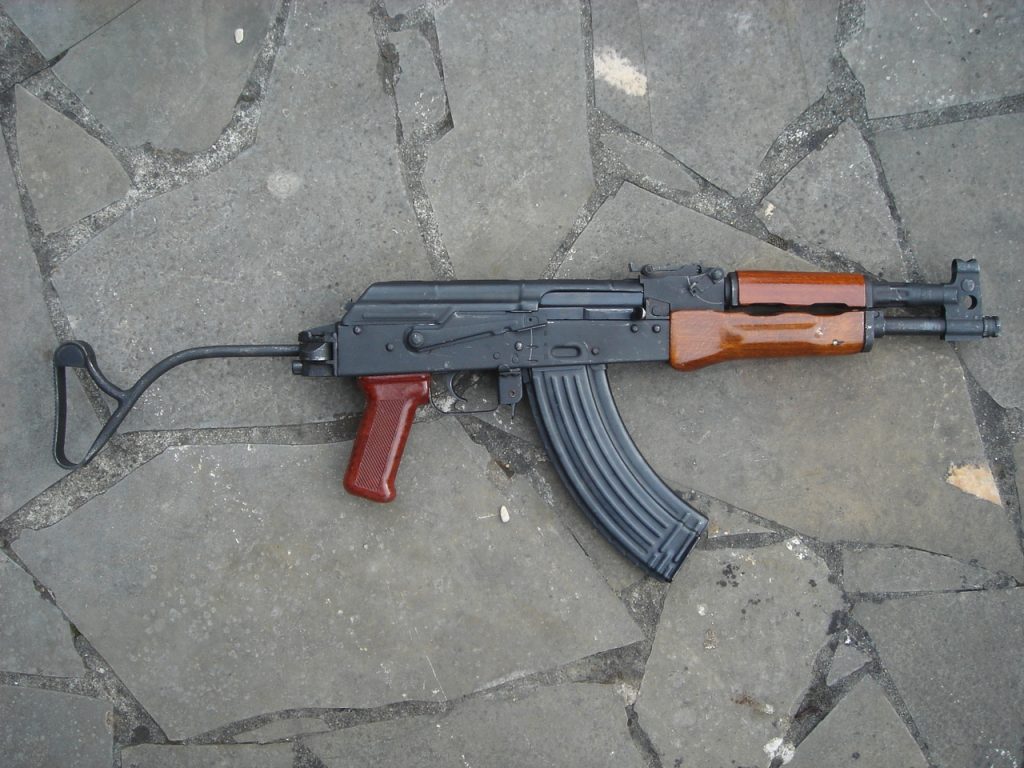
3. Short barrels can make wind less forgiving
Barrel length is often discussed as a handling choice, but it also determines usable velocity. Reference material on setup choices notes that velocity loss can run about 30 fps per inch down to 18 inches, then roughly 20 fps per inch below that. That matters because slower bullets stay in the air longer, giving wind more time to work. One cited example compared the same bullet weight at 2450 fps and 3020 fps, with drift at 900 yards in a 10 mph wind changing from 91 inches to 64 inches. A compact rifle may carry better, but a long-range shooter still has to account for what that lost speed does to time of flight.
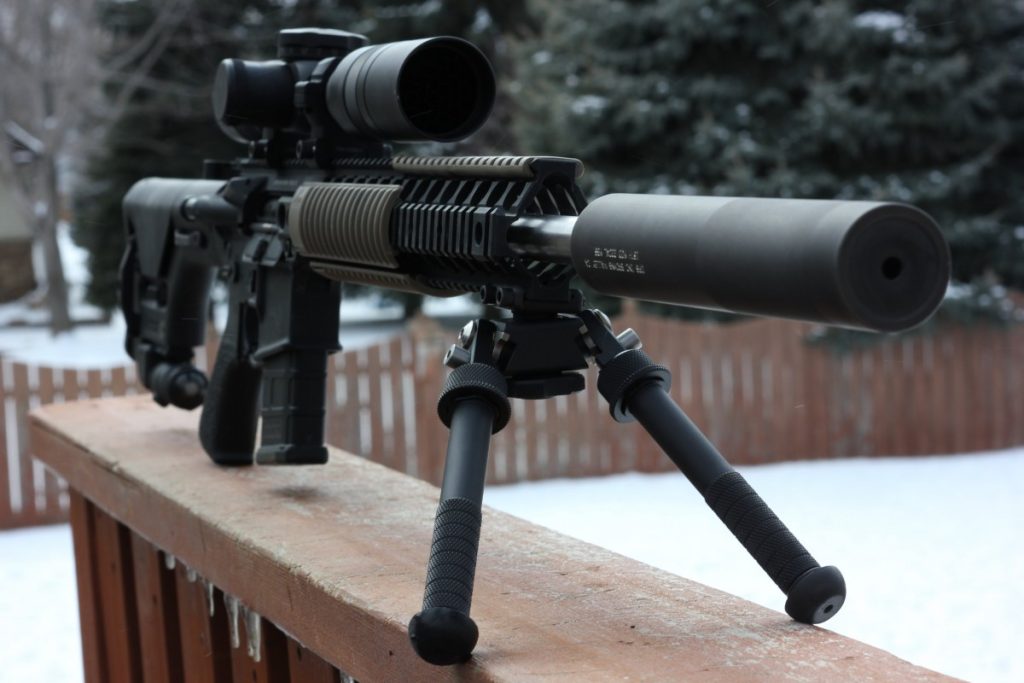
4. High velocity can accelerate barrel wear and move the goalposts
The faster a cartridge is pushed, the more pressure and heat it usually requires. That heat erodes throat geometry and can gradually change the load the rifle was built around. In the reference discussion of long-range load development, an extreme 7mm RUM example wore badly within 115 rounds, with pressure and velocity dropping as the barrel degraded. This is an important engineering problem, not just a maintenance note. A shooter may tune a rifle around one speed and one set of solver inputs, only to watch the system drift as barrel wear changes those numbers. The pursuit of maximum velocity can therefore make the rifle less stable over time, even if it looked brilliant early on.
5. The useful window is often a balance, not a maximum
Many proven long-range loads cluster in a middle band instead of at the edge. One reference source argued that a practical sweet spot for long-range work is roughly 2600 to 2800 fps from a 24-inch barrel, with about 2700 fps as an ideal target for balancing bullet weight, BC, and barrel life. The same piece listed common examples that land in that neighborhood, including 6.5 Creedmoor 140-grain loads around 2700 fps and .300 PRC loads around 2675 fps. That pattern matters because it shows how experienced shooters often value repeatability over peak output. Long-range accuracy is not won by the highest chronograph reading. It is built on a load a shooter can model, practice with, and keep consistent over thousands of rounds.
6. Solver errors get worse when BC assumptions are sloppy
A fast rifle still misses if the ballistic model is wrong. Published BC figures are not always interchangeable, and long modern bullets are often better represented by G7 than G1. If a shooter plugs in an optimistic drag number, the solver predicts less drop and less drift than the bullet actually delivers. That mistake stays hidden in easy conditions. It appears when the shot stretches out, the air gets messy, and the hold has to be right the first time. A velocity-focused setup with inflated BC assumptions is one of the easiest ways to build false confidence into long-range data.
7. Velocity consistency matters more than headline velocity
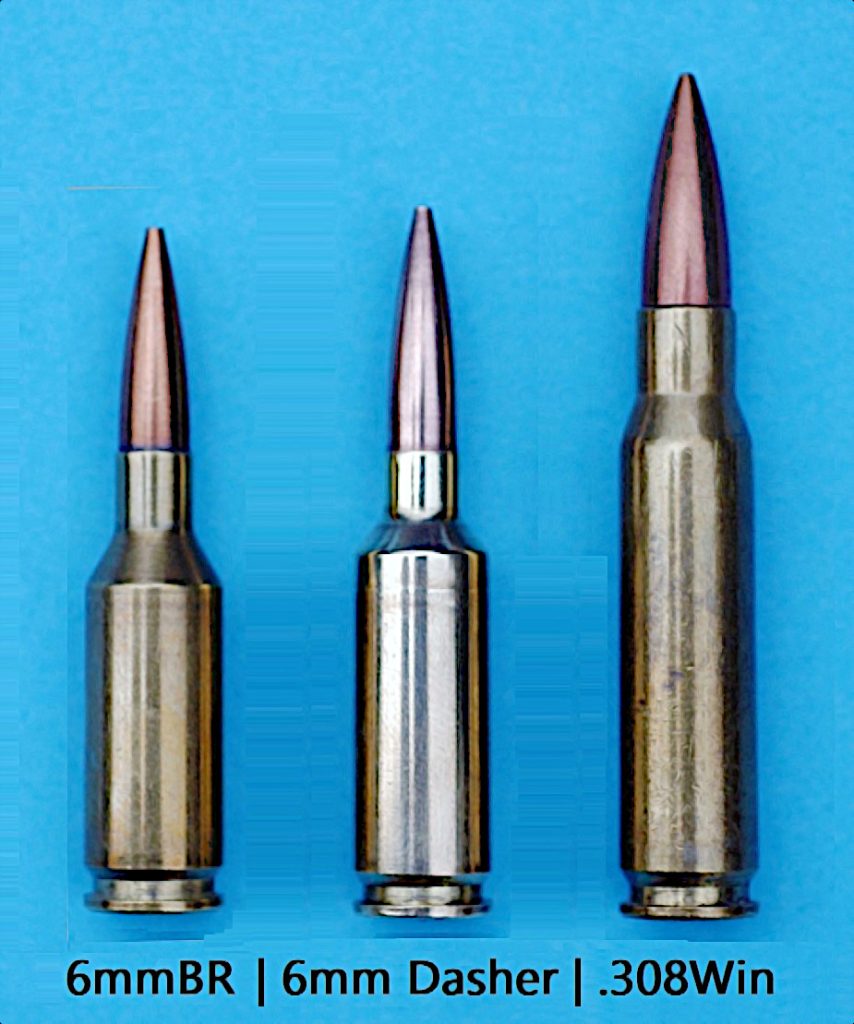
A load that runs fast but varies shot to shot can create vertical spread and alter drift because every shot spends a slightly different amount of time in flight. Top PRS shooters continue to value low SD loads for exactly that reason, and one 2024 survey noted that the 6mm Dasher was known for 3-5 fps SDs with very little load drama. This matters downrange twice. It shifts elevation and changes wind exposure. A rifle that groups beautifully at 100 yards can still be timing shots differently enough at 700 or 1,000 yards to make impacts look random.

8. Wind reading still outranks raw speed
No velocity figure cancels the atmosphere. Wind remains the dominant field variable, and even high-performance cartridges only reduce, rather than remove, the penalty for a bad call. Reference material on long-range misses emphasizes that the earliest part of flight matters most, because deflection near the shooter continues for the rest of the bullet’s path. That makes the velocity trap especially deceptive. Shooters can become so focused on squeezing another 25 or 50 fps from the rifle that they spend less time validating wind behavior, local conditions, and real-world dope. The bullet still has to pass through the same moving air.
The quiet failure in long-range setups is rarely that a rifle is too slow. It is that the entire system was optimized for muzzle speed instead of downrange behavior. A durable long-range rifle tends to look less dramatic on paper and more disciplined in practice: a high-BC bullet, honest drag inputs, stable velocity, enough barrel to support the task, and a load that does not burn the system down for tiny gains. That is how velocity stops being a trap and becomes one useful part of a complete accuracy plan.


