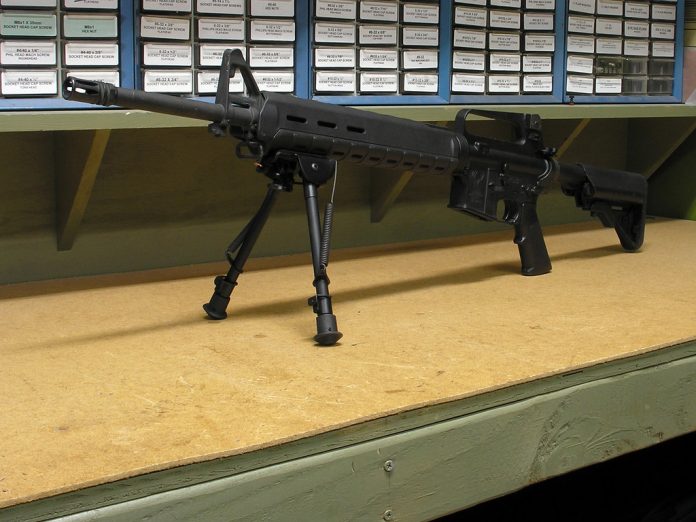
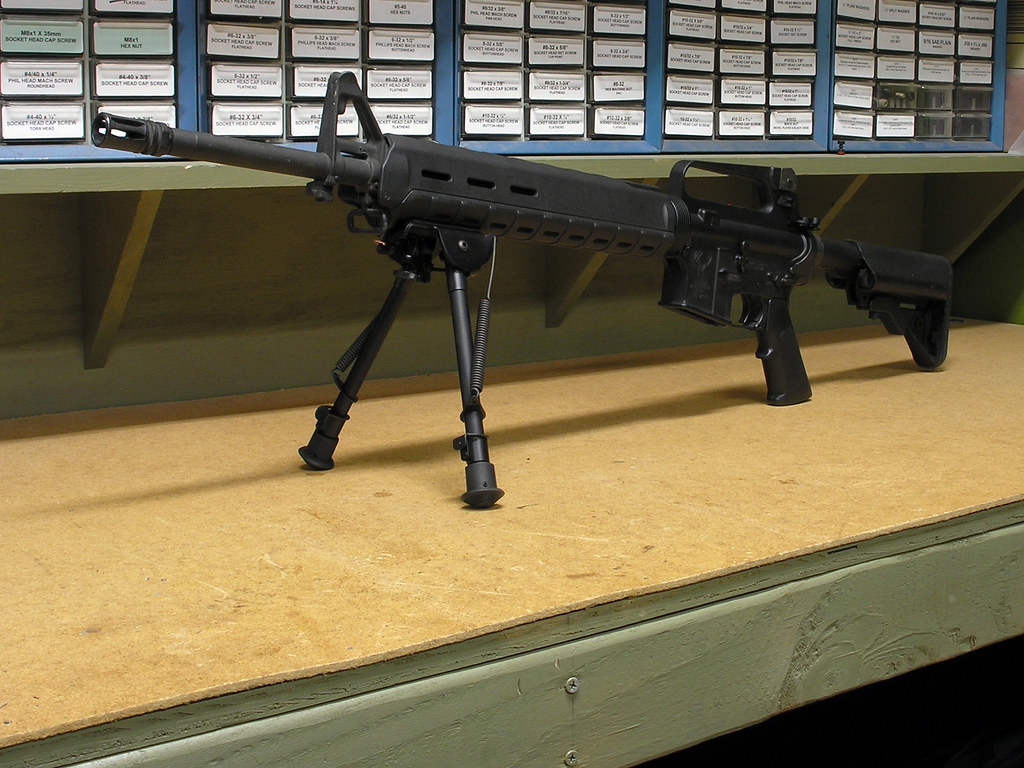
AR-15 accuracy problems often get blamed on barrels, optics, or ammunition. On the range, the real cause is usually less dramatic: repeated habits that introduce small errors into every shot. That matters because the AR-15 is a platform that rewards consistency. A stable position, repeatable sight picture, and a rifle that is actually zeroed for the distances being shot will usually reveal more than any hardware swap.
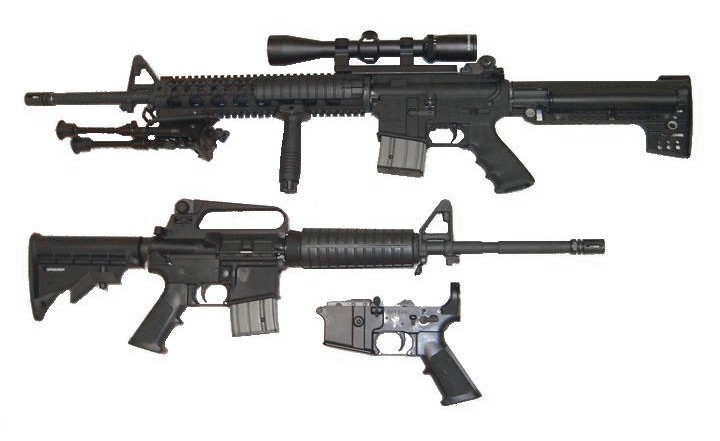
1. Letting recoil anticipation creep into every trigger press
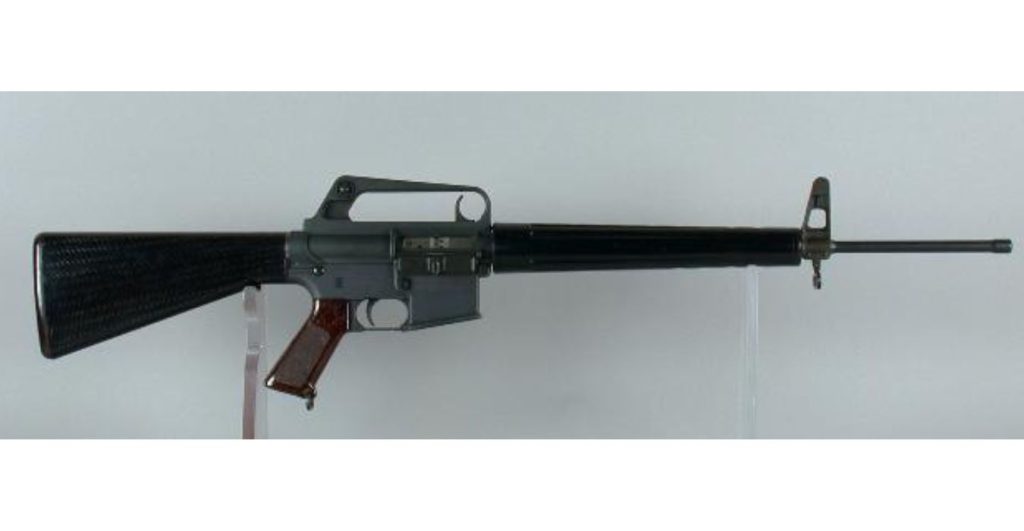
One of the most persistent accuracy liquidator is not recoil itself, but the shooter’s reaction to it. As explained in dry weapon training research and practice guidance, repeated shooting can build a flinch response into the firing sequence. On an AR-15, that often shows up as a subtle push, dip, or blink just before the shot breaks.
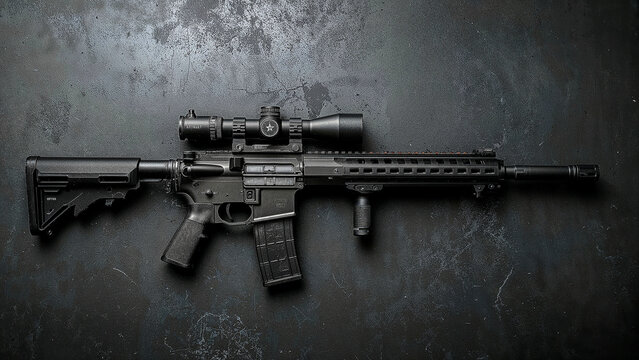
The mistake is easy to miss because it can feel like “trying to control the rifle.” In practice, anticipation moves the gun before the bullet leaves the barrel. The result is a pattern of low or inconsistent impacts that looks like an equipment problem but starts with timing and neuromuscular habit. Range sessions that focus only on sending rounds downrange can reinforce the error. Smooth dry-fire work, especially with attention to a motionless reticle or front sight during the trigger break, is what rebuilds the firing sequence without the disruptive blast and recoil impulse.
2. Using a hard grip and a soft stance at the same time
Many shooters try to solve control problems with their hands instead of their whole body. A tense firing hand, an overworked support hand, and a slight backward lean create a bad combination: more fatigue, more wobble, and less repeatability. Recoil follows basic physics, including Newton’s Third Law of Motion, so the rifle will always move. What matters is whether the shooter gives that movement a stable structure to work against.
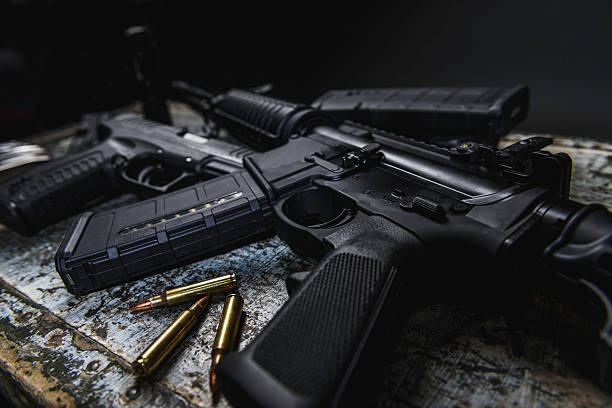
A forward, athletic stance with weight balanced over the feet and the stock seated consistently into the shoulder does more for practical AR-15 accuracy than crushing the pistol grip ever will. A rifle can be held firmly without being strangled. When the upper body stays organized and the grip pressure remains consistent instead of excessive, the sight picture settles faster and the rifle tracks more predictably from shot to shot.
3. Slapping the trigger instead of pressing through it
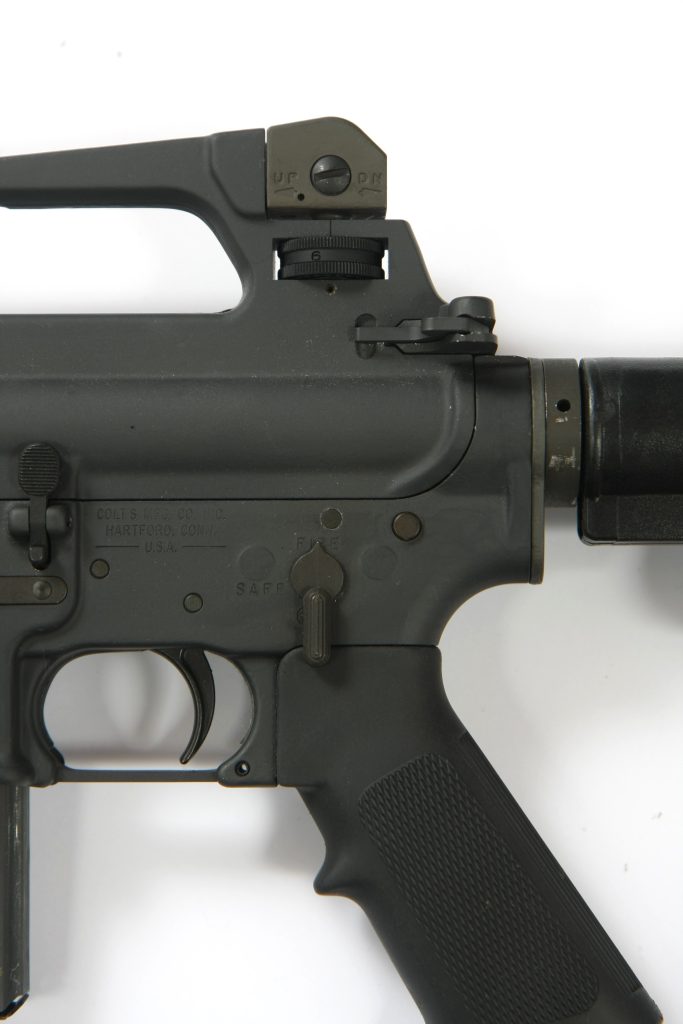
The AR-15 trigger does not need brute force, but it does punish abrupt input. Jerking the trigger, pinning too much finger onto it, or rushing the shot the instant the reticle crosses the target all disturb the rifle at the last possible moment. This habit is especially damaging because it can hide inside otherwise decent fundamentals. A shooter may have a good optic, a stable bench, and a sound zero, then still print erratic groups because the trigger press adds side pressure or a sudden downward movement.
Guidance on common AR-15 shooting mistakes consistently identifies smooth trigger control as a primary separator between random hits and repeatable accuracy. On the range, the fix is not speed reduction alone. It is a straight-to-the-rear press that keeps the rifle undisturbed through the break and into follow through.
4. Treating cheek weld like it does not matter
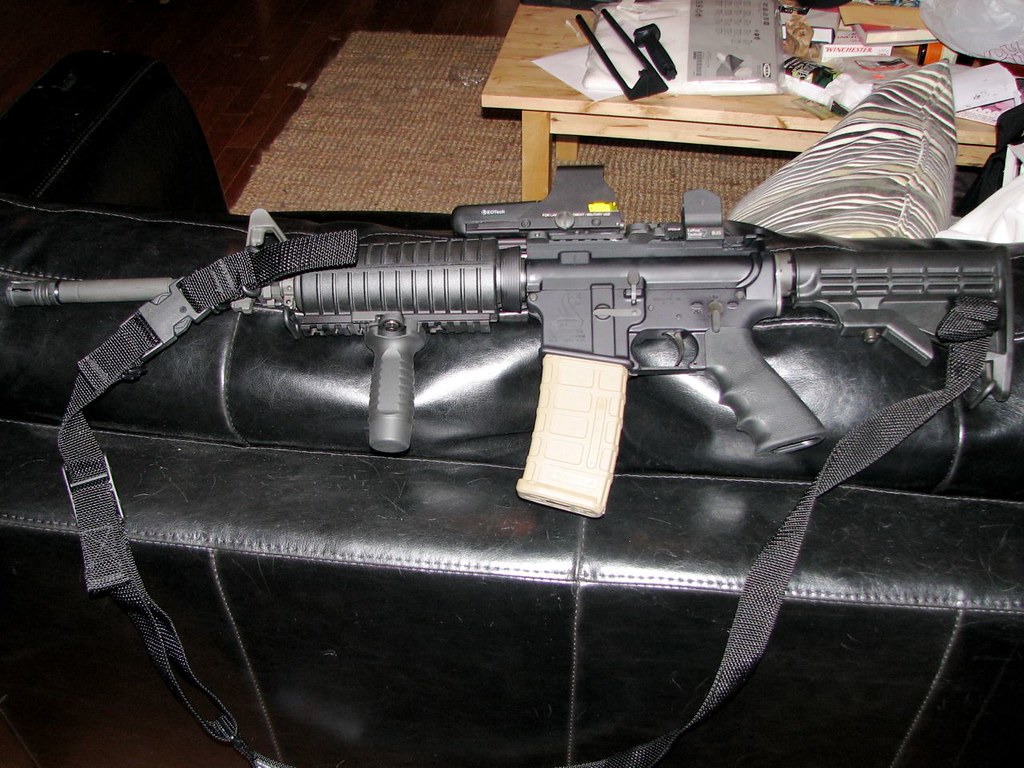
An AR-15 will not deliver consistent hits if the shooter’s eye lands in a different place behind the optic every shot. Inconsistent cheek weld changes sight alignment, eye relief, and the way the reticle appears against the target, especially with magnified optics. This is where the platform’s geometry becomes important. The AR’s straight line stock and receiver layout often need forward offset optic placement and a mount height that supports a natural head position.
If the optic sits in the wrong place, shooters often compensate by stretching the neck or floating the head off the stock. That compensation shows up on paper as shifting groups and poor repeatability. Good AR shooting looks boring in this respect. The face returns to the same spot, the eye sees the same sight picture, and the rifle presents the same way every time.
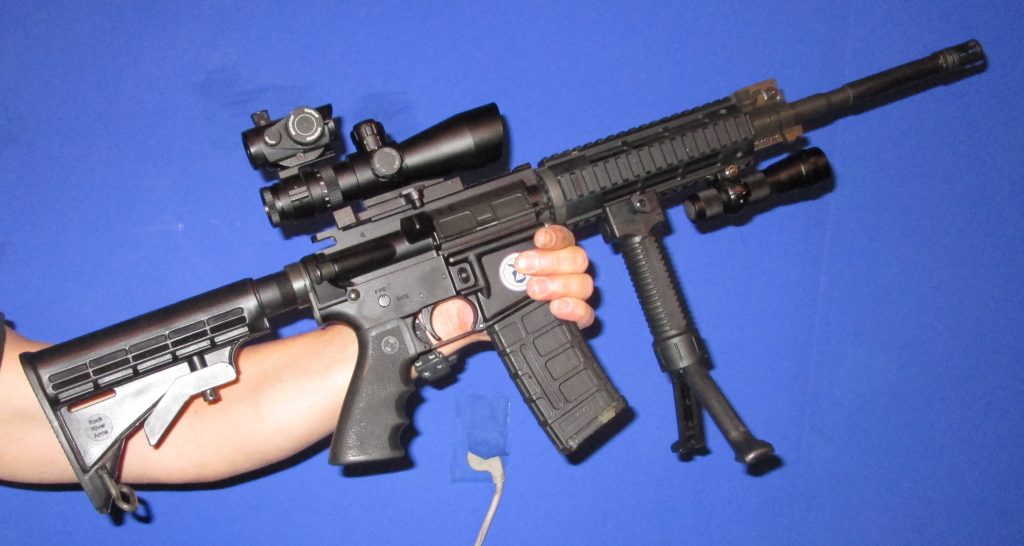
5. Zeroing once, then ignoring height-over-bore at close range
Many range frustrations begin when shooters assume the bullet travels where the optic points at every distance. It does not. The sight line and the bore line are separate, and on an AR-15 that offset is large enough to matter at short range. That is why close targets can produce surprising low impacts even when the rifle is properly zeroed farther out.
Discussions of sight height offset and bullet path repeatedly circle back to the same point: gravity acts immediately, and any apparent “rise” comes from the relationship between muzzle angle, optic height, and zero distance. Shooters who do not account for that will keep blaming fundamentals for misses that are actually predictable geometry. This habit quietly ruins accuracy because it teaches the wrong lesson. Instead of understanding holds, the shooter starts chasing zero or changing the optic to fix a problem that was already built into the setup.
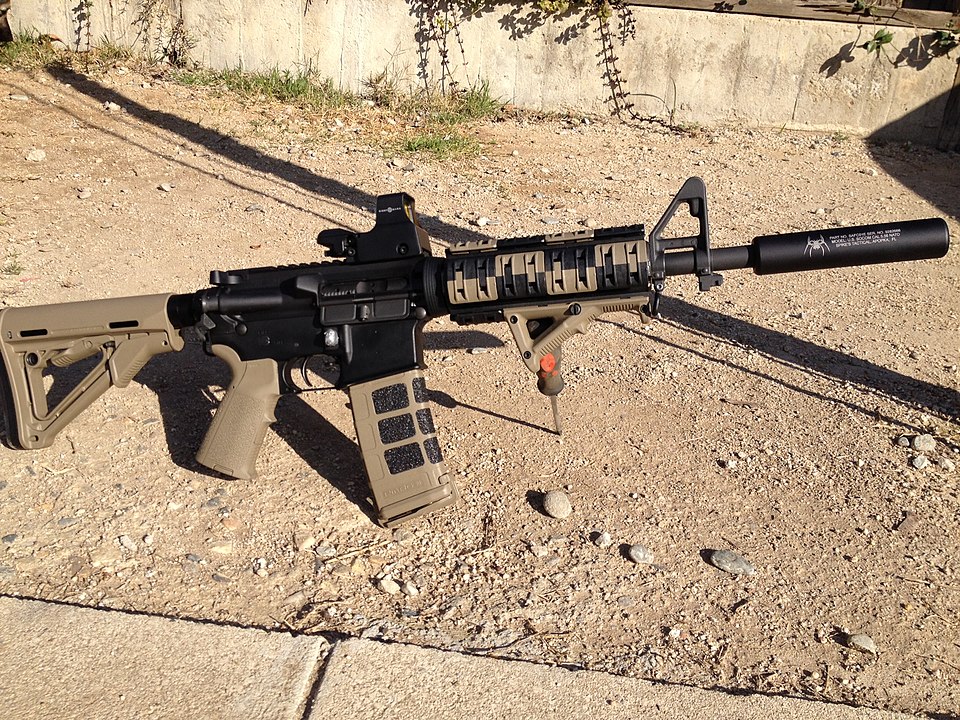
6. Assuming the optic is bad when the mount and setup are inconsistent
A surprising number of “bad scope” complaints start at the rail. Loose hardware, uneven ring tension, poor mount placement, or bridging an optic across the receiver and handguard can all shift point of impact without any failure in the glass itself. On AR platforms, a mount should stay on a single rigid surface, which is why guidance on keeping the optic entirely on the upper receiver matters. Handguards can flex independently. Add inconsistent torque or poor eye relief setup, and the shooter ends up chasing wandering groups that no amount of careful trigger work can solve.
This is the mechanical version of a bad shooting habit: a rifle that is never configured the same way twice. Accuracy depends on repeatability, and repeatability begins before the first round is fired. Most AR-15 accuracy problems are not dramatic failures. They are small, repeated actions that nudge the rifle off target, mask the true zero, or make every shot slightly different from the last. That is why disciplined range work matters. When stance, trigger press, cheek weld, zero knowledge, and optic setup all become repeatable, the rifle usually stops looking unpredictable and starts looking honest.


