Long-range misses often get blamed on the rifle, the load, or the optic. Wind is usually the real culprit. For precision shooters, wind is not one condition but a chain of conditions spread from muzzle to target. A clean break and a solid zero still fall apart when the shooter reads only one clue, reacts too late, or confuses shifting air for a steady value. The common errors below show where good shots start to unravel and what experienced shooters do instead.
1. Treating wind like a single number
A bad wind call often starts with oversimplification. Shooters frequently reduce the problem to one speed reading or one directional guess, then build the entire shot around it. That breaks down quickly because wind has direction, speed, and value, and those are not interchangeable terms.
A crosswind has the greatest left-right effect, while headwinds and tailwinds usually matter less laterally, though they can still alter vertical impact at distance. The more useful method is the clock system, where 3 or 9 o’clock is full value and 12 or 6 o’clock has little horizontal effect. The underlying principle is laid out clearly in the clock-based wind value method. A shooter who knows the wind speed but ignores whether it is half-value or full-value is already behind the shot.
2. Reading only the firing point and ignoring the rest of the range
Wind meters are useful, but only at the shooter’s position. That is their limit. A rifle bullet does not fly through the air beside the bench for very long. It spends most of its trip crossing terrain that may have different temperature layers, vegetation movement, and gust patterns. Grass near the target, a flag at midrange, dust along a berm, and brush off to one side can all show different behavior.
Precision shooters improve their calls by scanning multiple points along the bullet path instead of trusting one local reading. Even a precise instrument only establishes a baseline, as noted in the limitation of handheld wind meters.
3. Using mirage incorrectly
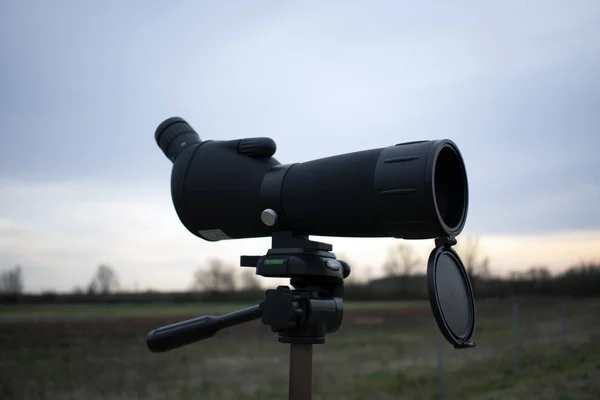
Mirage is one of the best wind indicators available, and one of the easiest to misuse. Many shooters either never learn to read it or look through a sharply focused target image and wonder why the signal seems weak. The more effective technique is to focus a spotting scope or optic somewhere between the shooter and the target so the air column becomes more visible. Experienced competitors often work around the midpoint of the distance.
Under the right light, mirage rising straight up suggests little wind, angled flow suggests moderate crosswind, and flatter, faster motion indicates stronger air movement. But mirage is not constant; cloud cover can weaken it, and stronger wind can flatten it until it becomes difficult to interpret. Practical guidance on focusing midway to see mirage better is consistent across match shooters who rely on it regularly.
4. Failing to identify the predominant condition and the bracket
Long-range wind is rarely dead steady. It usually shows a prevailing condition with stronger or weaker variations around it. Shooters who do not establish that pattern before firing are forced into hurried guesses after every shot. Competitive wind coaching places heavy emphasis on determining the dominant condition, then learning the extremes around it. That spread is often called the bracket.
Once the shooter knows the main condition and the likely high and low edges, the correction becomes more disciplined. In slow fire, that allows reasoned shot-to-shot changes. In faster strings, it supports a hold or setting that accounts for the most likely movement instead of chasing every flicker. This is one of the biggest differences between informed wind work and random correction.
5. Confusing equipment adjustment with wind management
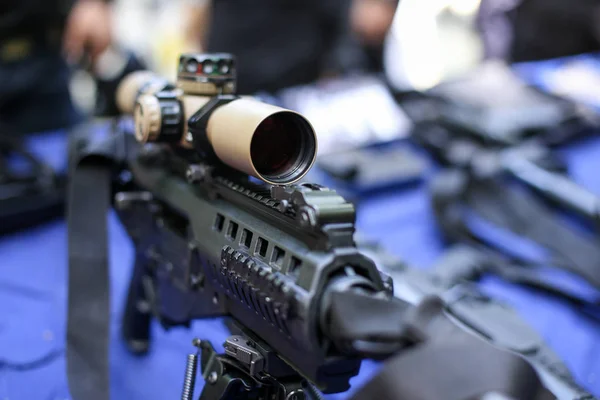
Some misses come from too much turret activity and not enough observation. Every change to the rifle needs to be deliberate, especially when the condition is moving back and forth. Skilled shooters separate two tasks: estimating what the wind is doing now and deciding whether that condition is stable enough to dial.
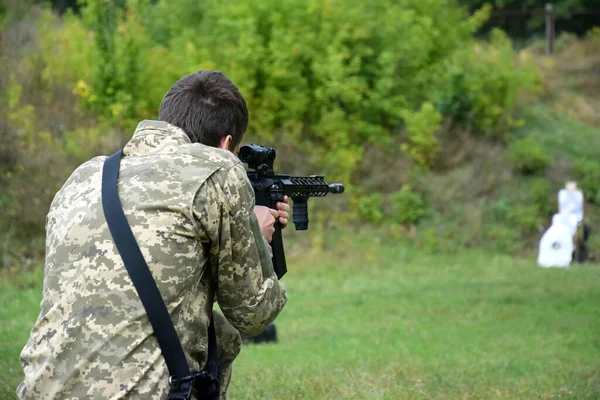
In variable wind, many prefer to hold with the reticle instead of constantly changing the scope. In steadier air, dialing can make sense. The error appears when a shooter keeps adding “one more minute” based on memory rather than knowing the rifle’s current wind setting with certainty. USAMU guidance stresses the importance of always knowing the exact wind adjustment on the rifle. Losing track of that setting ruins otherwise correct calls.
6. Ignoring bullet time of flight and cartridge behavior
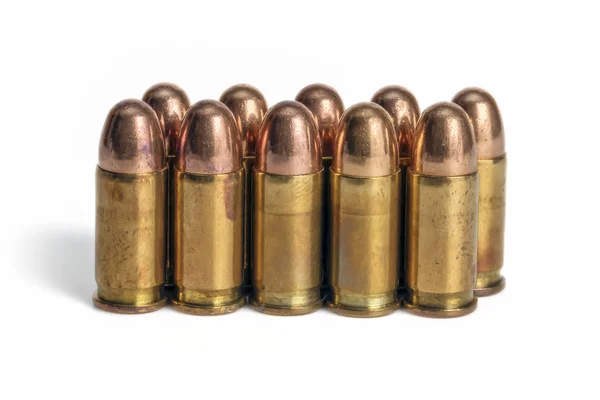
Wind does not push every bullet the same way. Drift grows with exposure time, which means distance, velocity, and ballistic efficiency all matter. A lighter, slower projectile spends more time available to be moved, while a faster, more efficient bullet usually gives wind less time to work.
That is why long-range shooters build data around a specific rifle and load instead of relying on generic assumptions. The job is not just reading the wind but matching that read to how a particular bullet responds. A wind call that works for one setup may miss badly with another because the drift constant is different.
7. Refusing to build a wind memory
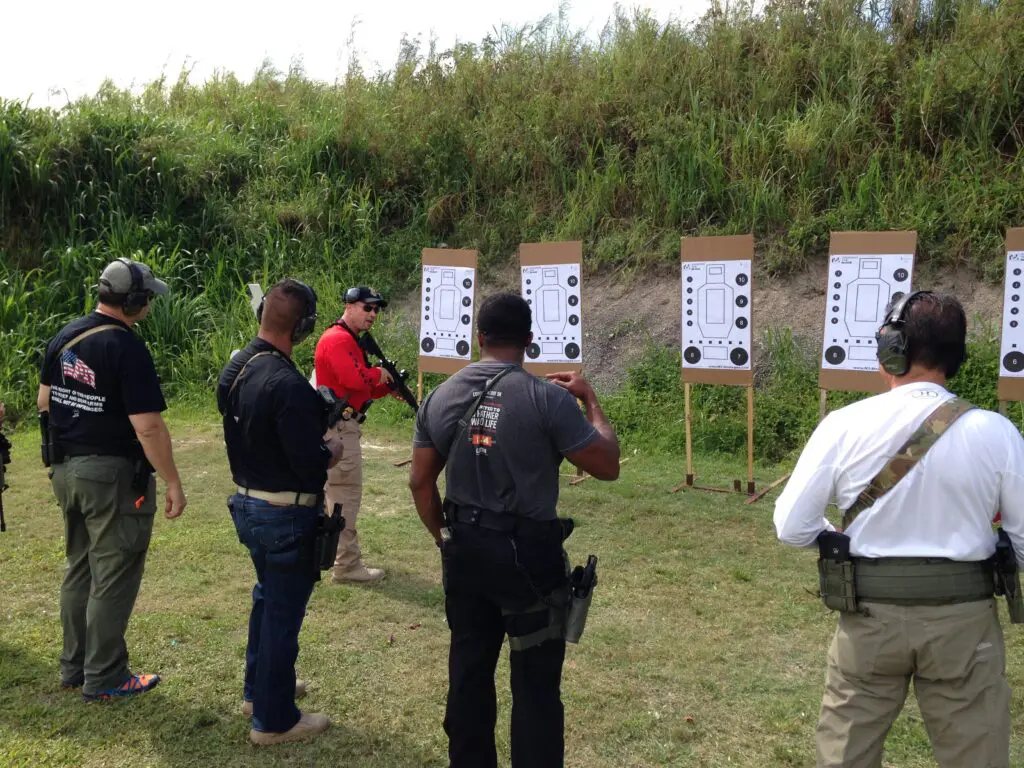
Wind reading does not become reliable through theory alone. It improves when observation is tied to impact, then recorded and repeated. Serious shooters log conditions, note the call, and compare it with the actual result. Over time, the visual cues become familiar: a certain flag angle, a certain bend in grass, a certain mirage lay, a certain amount of drift at a known distance. That running library matters more than gadgets or guesswork. Even experienced competitors describe wind reading as a practiced skill rather than an automatic talent, and that is why match time on difficult days teaches more than calm-range comfort ever will.
The hardest part of wind is that it punishes partial attention. It rewards shooters who observe early, compare multiple indicators, understand value, and keep their corrections organized. At long range, misses that seem mysterious usually trace back to one of these mistakes. Better wind calls start before the shot, continue through the bullet’s flight path, and improve only when every condition gets tied to real impact on target.


