Some rifle cartridges look excellent on paper until the target gets far enough away to expose their weak points. Inside normal hunting distances, many of them are easy to like. Past 800 yards, small flaws in bullet design, velocity retention, chamber geometry, or recoil management start showing up as missed calls, vertical spread, and sudden sensitivity to wind.
That is where long-range shooting stops being about raw muzzle speed and starts being about efficiency. Shooters who work regularly between 800 and 1,200 yards tend to care less about headline velocity and more about staying supersonic, keeping extreme spread tight, and using bullets that remain composed as they approach the transonic range.
1. .308 Winchester with 168-grain Match Loads
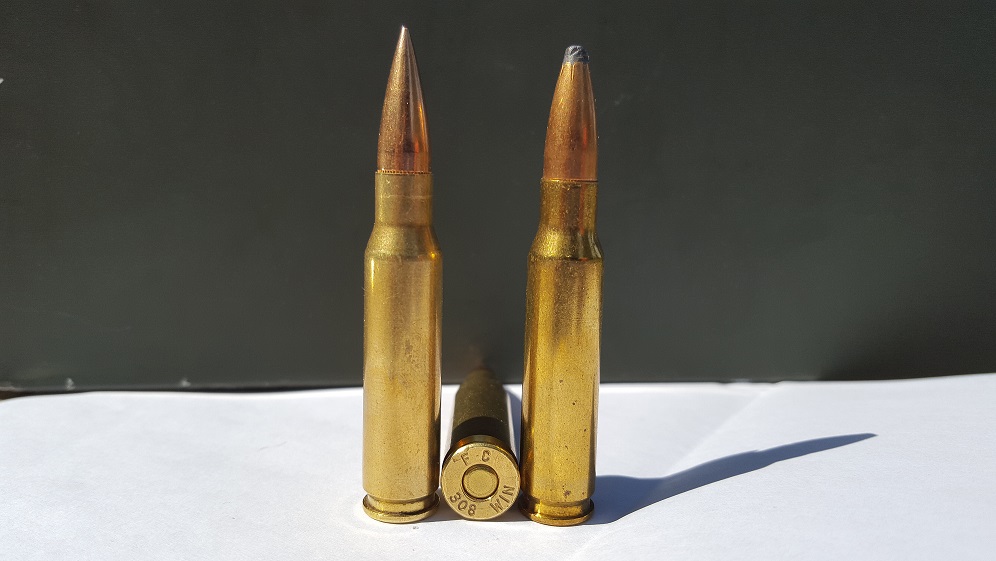
The .308 Winchester remains one of the most useful general-purpose rifle cartridges ever made, but one specific long-range trap keeps catching shooters: the classic 168-grain match load. At moderate distance it is famously accurate. Past 800 yards, it can become a different animal. That problem is tied less to the cartridge itself than to the bullet profile. Experienced long-range shooters have long noted that older 168-grain HPBT designs can lose composure as they move into transonic flight. In discussion around .308 at 1,000 yards, the 168-grain Sierra MatchKing and similar short-range match bullets are repeatedly flagged as poor choices once distance stretches. The result is not dramatic failure every time. It is worse than that: a load that seems fine at 600 can quietly turn erratic when conditions get harder to read.
2. .308 Winchester from Short Barrels
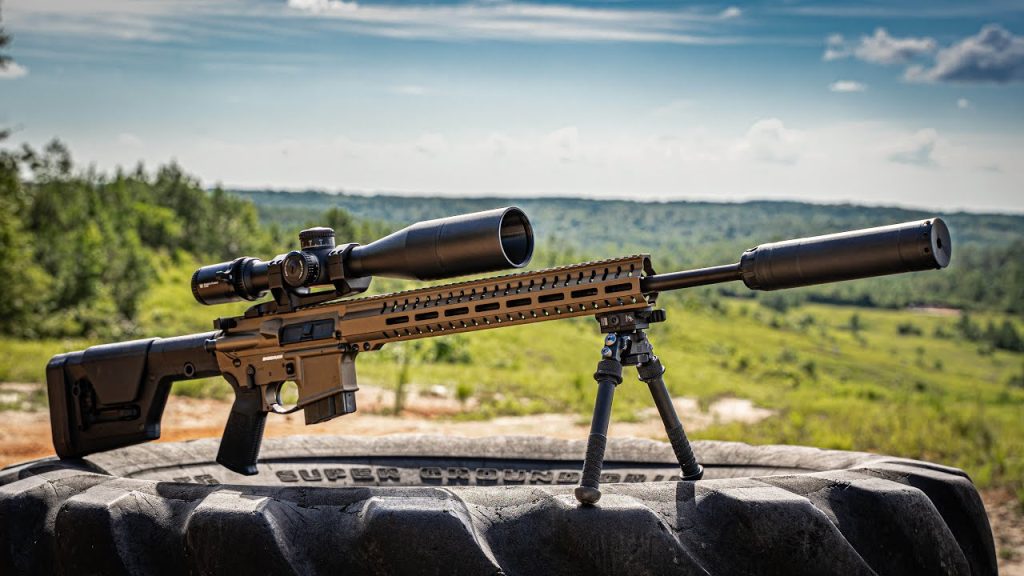
The .308 can still reach 1,000 yards, but short barrels narrow the margin fast. A 20-inch rifle gives away velocity that the cartridge can barely afford to lose if the goal is consistent long-range performance. That matters because the .308 is already close to the edge at 1,000 with many common loads. On AccurateShooter, contributors discussing a 20-inch .308 staying supersonic at 1,000 yards described the setup as difficult to make both accurate and competitive. Heavy bullets can help, but recoil rises, muzzle blast increases, and the cartridge starts demanding careful handloading just to remain in the game. None of that means the .308 stops working. It means the shooter is spending more effort overcoming cartridge limitations than reading the wind.
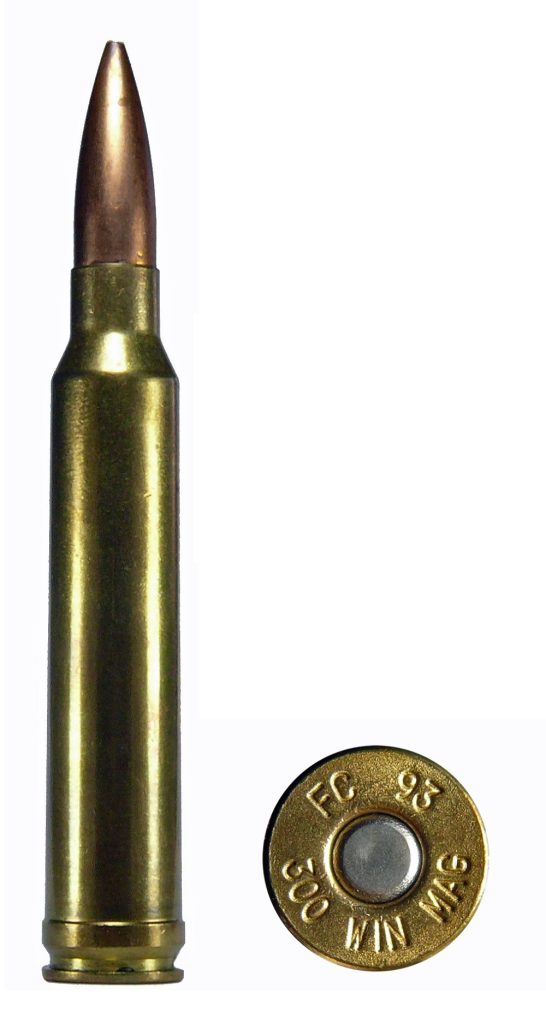
3. .300 Winchester Magnum with Early 180-grain OTM Service Loads
The .300 Winchester Magnum has real long-range ability, but it also provides a useful lesson in how a strong cartridge can be undermined by the wrong bullet configuration. One of its best-known stumbles appeared when modified 180-grain match bullets were used in service ammunition. Outdoor Life noted that when the tips of 180-grain Sierra MatchKing bullets were altered for military compliance, the bullets became slightly shorter and unstable and inaccurate at 800 yards and beyond. That episode matters because it highlights a bigger truth: magnum velocity does not automatically rescue a poor long-range bullet. A cartridge can have excellent case capacity, plenty of speed, and still lose its edge once bullet stability and drag behavior turn against it.
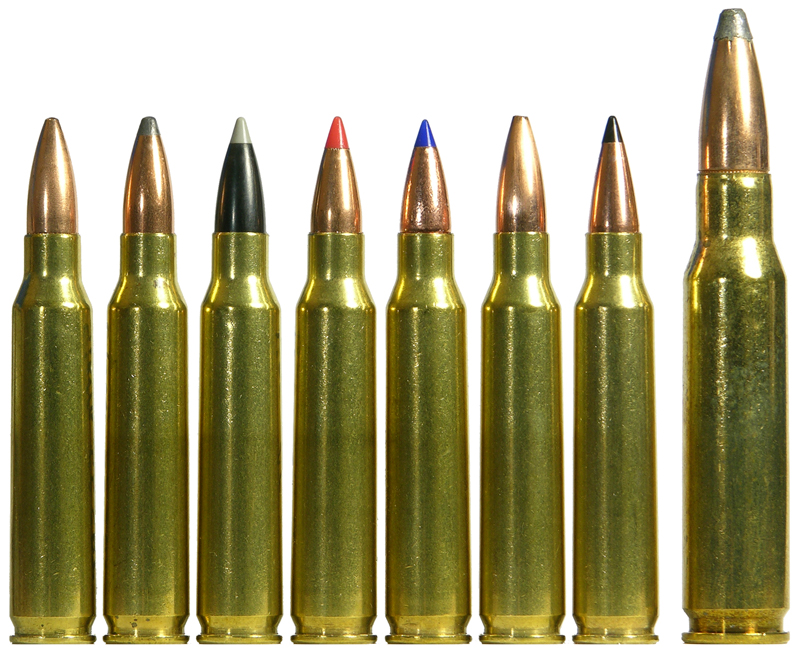
4. 5.56 NATO and .223 Remington with Light Bullets
The small .22 centerfires are capable of surprising distance, but only when the rifle, twist rate, and bullet choice are aligned. Light varmint-style or legacy-weight bullets tend to run out of usefulness before 800 yards and then fade quickly. That is because the cartridge depends heavily on high-BC bullets to hang onto speed. Outdoor Life’s long-range discussion pointed out that 5.56 can reach 1,000 yards with bullets of 70 grains and up and fast twist barrels. The inverse is the important part here. Without those bullets, the cartridge sheds velocity rapidly, drifts more in wind, and becomes much less forgiving as it nears the sound barrier. It can still ring steel, but consistency becomes scarce.
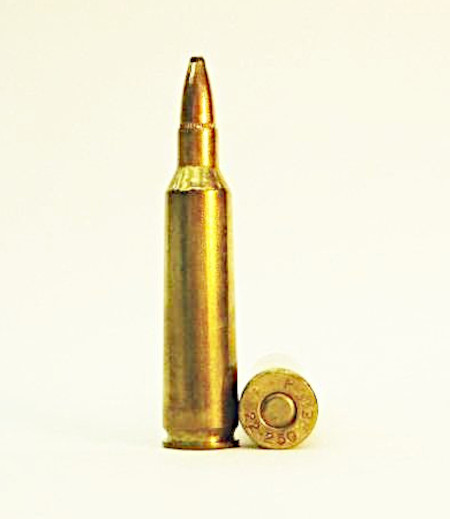
5. 22-250 Remington in Traditional Twist Rates
The 22-250 has all the surface appeal of a long-range cartridge: high speed, flat trajectory, and familiar brass. Yet older rifles with slower twist rates expose why velocity alone is not enough. A detailed discussion of long-range load design from The Ballistic Assistant explained that many 22-250 rifles were built around lighter bullets and a 1:12 twist, which limits the cartridge to roughly 55-grain bullets in traditional form. That keeps the shooter from using the heavier, sleeker bullets that make modern long-range shooting easier. Past 800 yards, the flat-shooting image fades and the cartridge starts paying for its old design priorities.
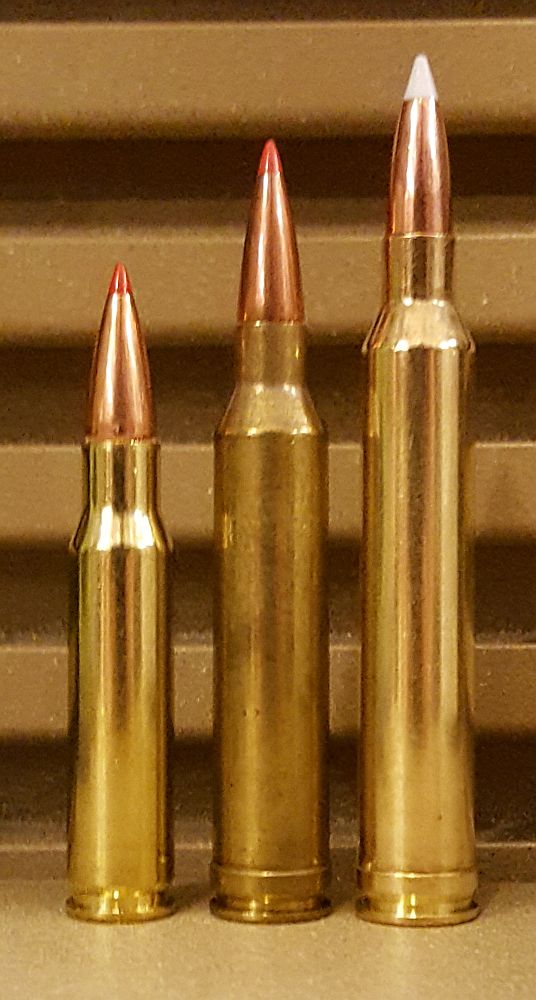
6. 7mm Remington Ultra Magnum at Extreme Velocity
The 7mm RUM can produce impressive speed, but speed is not the same thing as a durable long-range system. When shooters chase maximum velocity with light-for-caliber bullets, the cartridge’s overbore nature starts taking a toll. One example from The Ballistic Assistant described severe throat erosion while developing a high-speed 145-grain load, with measurable decline appearing very early in the barrel’s life.
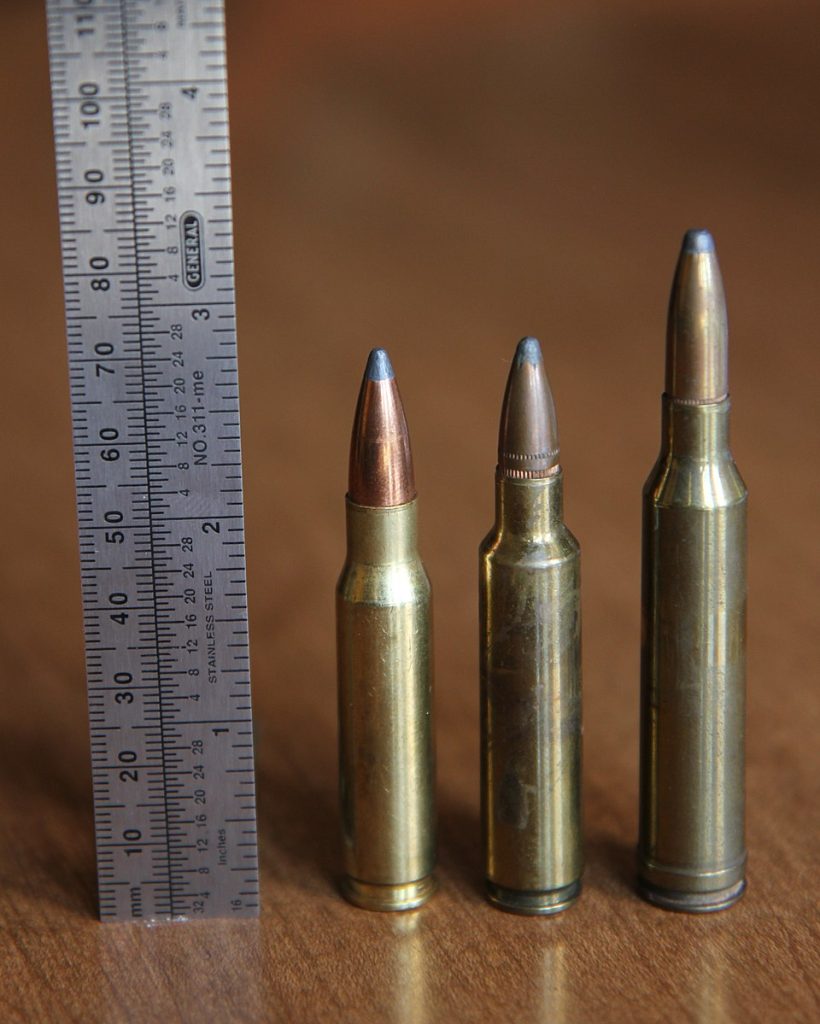
That does not make the cartridge inaccurate by definition. It does mean that a setup built around extreme velocity can quietly become harder to tune, harder to maintain, and less consistent over time. Once a barrel begins losing the uniformity that long-range work demands, misses past 800 yards stop looking mysterious.
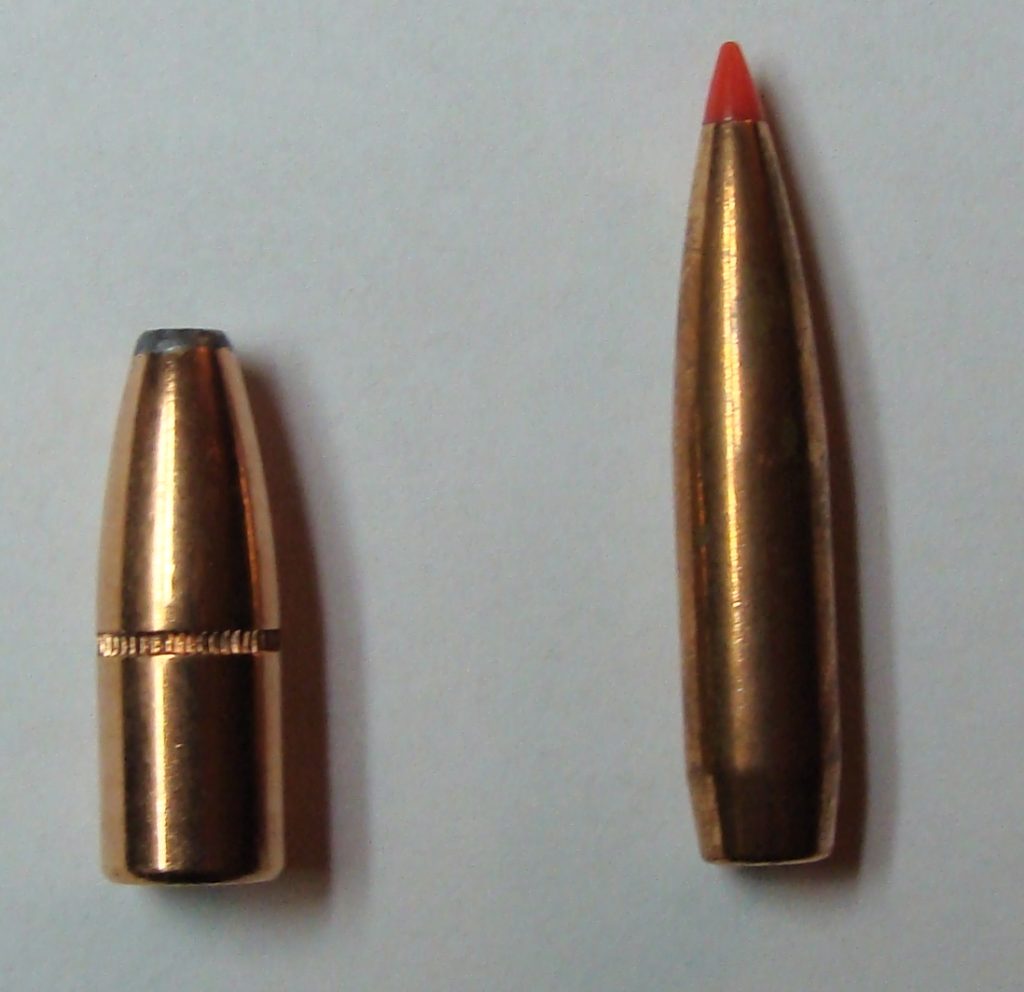
7. Legacy Magnum Cartridges That Cannot Seat Modern High-BC Bullets Cleanly
Some older magnums break down at distance not because their ballistics are weak, but because their original dimensions were built for a different era of bullet design. Modern low-drag bullets are long, and long bullets demand room. That issue shows up clearly in older magnum chambers and magazines. The Ballistic Assistant described how certain legacy designs, including the .300 Win. Mag. in traditional form, may not handle long-ogive bullets gracefully because of magazine length and throat constraints. That can force seating compromises or single-feeding, and both work against consistent field use.
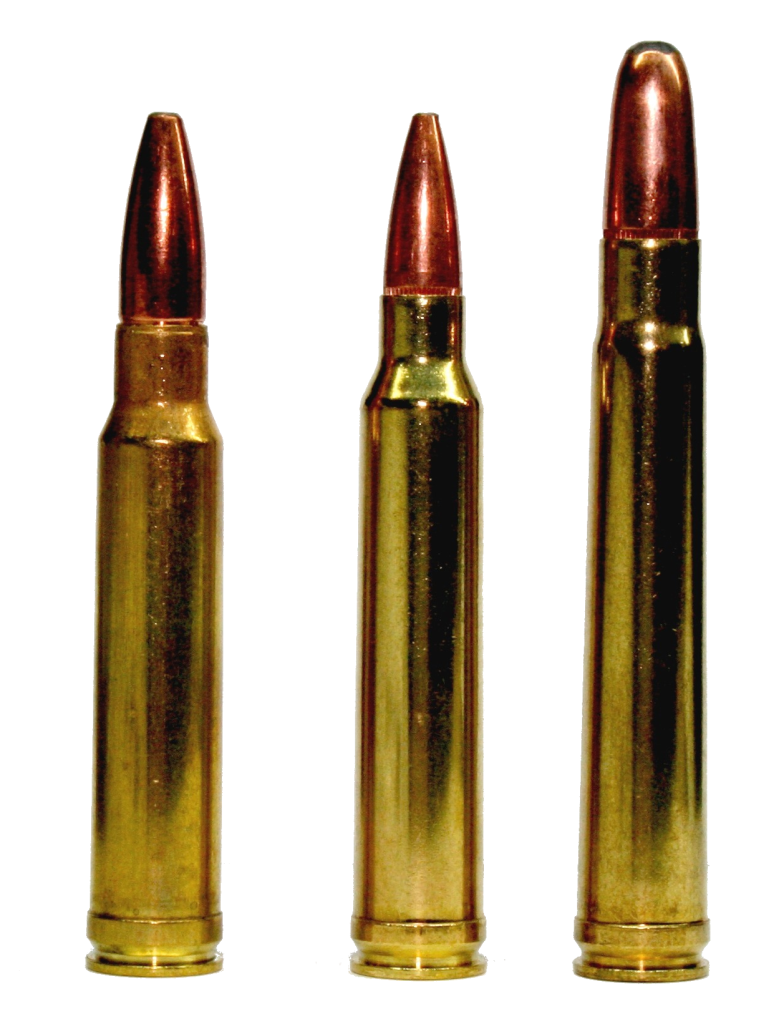
By the time the shot stretches beyond 800, those packaging limits start acting like ballistic limits. Long-range performance usually fails quietly before it fails completely. A cartridge might still hit steel, but its margin for error shrinks, its wind calls get touchier, and its groups open just enough to matter. That is why the most dependable 800-yard-plus cartridges are rarely defined by speed alone. They combine efficient bullets, sensible recoil, stable transonic behavior, and enough design headroom to keep working when distance stops being theoretical.


