

Duty pistols have long been judged on familiar engineering priorities: reliability, durability, controllability, and ease of maintenance. In the last few years, another requirement has moved closer to the center of the design brief: resistance to illegal full-auto conversion devices commonly known as switches or auto sears.
That shift is not about adding a flashy feature. It reflects a broader recognition that a pistol’s rear slide geometry, trigger-bar interface, and internal clearances can become part of a larger safety and liability problem once illegal aftermarket parts begin exploiting them at scale.
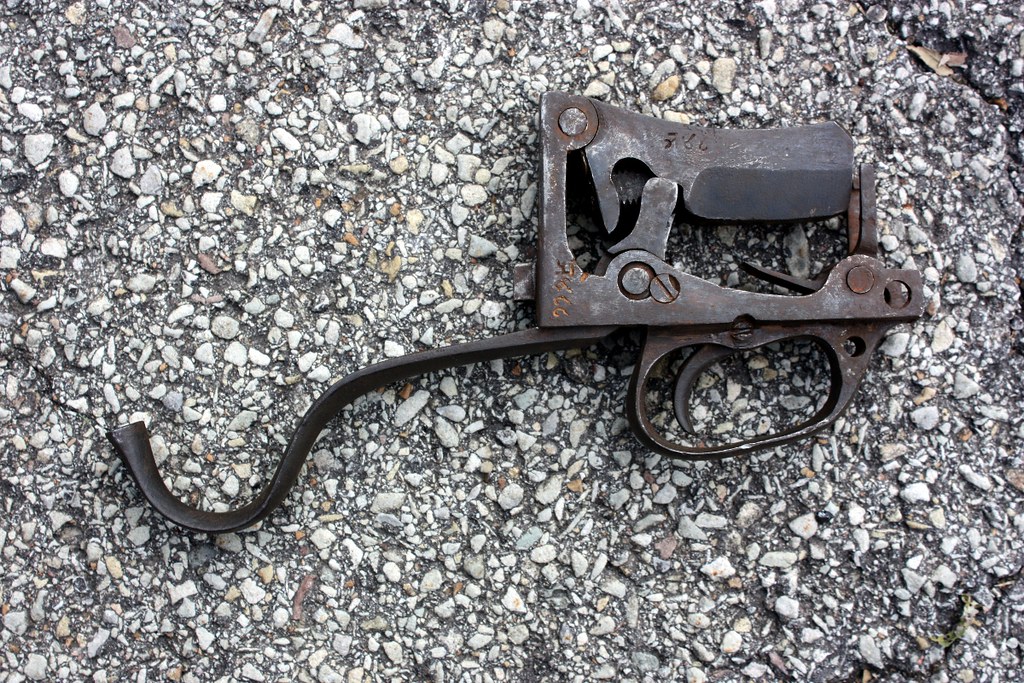
1. Illegal conversion devices turned a design weakness into a major engineering target
Auto sears for pistols work by disrupting the normal relationship between the slide and trigger components so the gun continues firing as it cycles. In Glock-pattern conversions, the device is typically mounted at the rear of the slide and manipulates the trigger bar during recoil. The result can be rates of fire around 1,200 rounds per minute, far beyond what a standard service pistol was built to handle safely or controllably. Once that exploit became widely understood, the rear portion of the slide stopped being just a packaging detail. It became a vulnerability. Anti-switch design changes are therefore less about adding capability and more about denying an attachment point and interrupting the geometry that made simple conversions possible.

2. Recovery numbers showed the problem was no longer isolated
Design priorities change fastest when a rare abuse pattern becomes a repeatable one. Federal recovery data pointed in that direction. Law enforcement recovered 11,088 auto sears between 2019 and 2023, according to figures cited in the reference material, with 5,816 recovered in 2023 alone. Those numbers matter because they suggest a manufacturing and distribution ecosystem rather than a handful of one-off workshop experiments. Imported parts, home machining, and 3D printing all reduce the barriers to entry. For pistol makers, that makes conversion resistance a fleet-wide concern instead of a niche compliance issue.
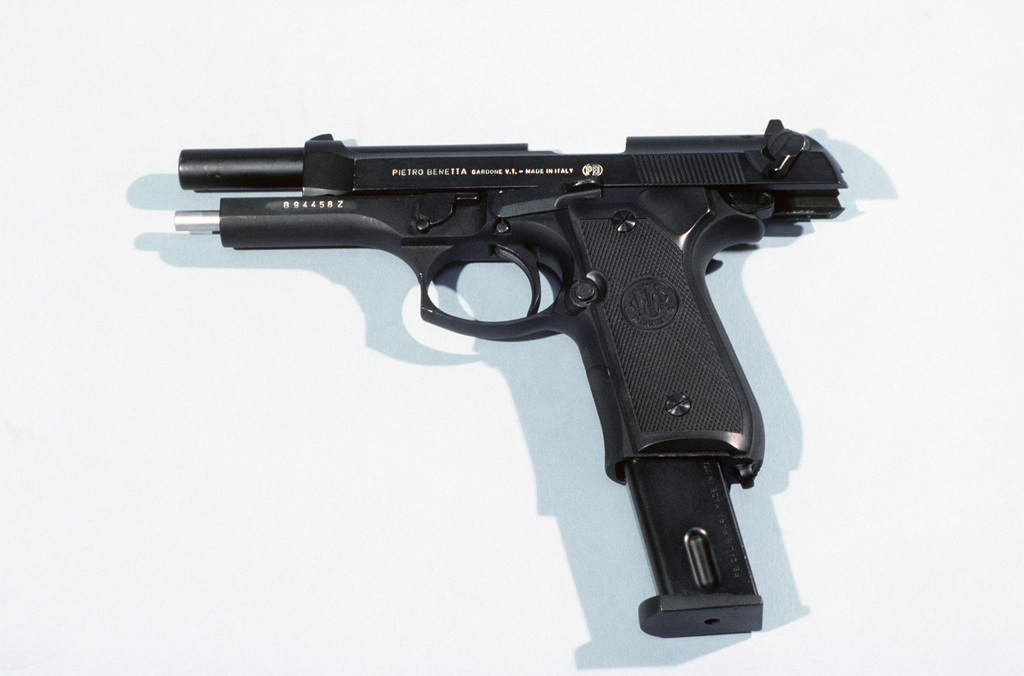
3. The back of the slide became a specific point of redesign
One of the clearest examples in the source material is Glock’s revised approach. The newer pattern described in the references adds a short steel rail at the rear of the pistol to obstruct switch installation, replacing an earlier arrangement that relied on a plastic nub that could be altered more easily. That is the practical engineering story behind anti-switch work. Instead of treating the issue as an external law-enforcement problem, the pistol itself is being reshaped to make illicit interference harder. In duty-gun terms, that means reinforcing the area most often exploited and reducing the chance that simple hand tools can defeat the original layout.

4. Legal pressure pushed manufacturers toward design changes
Modern duty pistols do not evolve in a vacuum. Court cases, state laws, and public-sector lawsuits increasingly affect what gets redesigned and how quickly it reaches production. The reference material describes lawsuits from cities and state attorneys general, along with new laws aimed at pistols that can be converted with ordinary tools. That pressure changes the incentives for manufacturers. A company may still argue that illegal parts are made by third parties, but once courts and lawmakers start focusing on convertibility, the mechanical details of the host pistol become harder to ignore. Anti-switch design becomes part of risk management as much as product development.

5. Duty-gun makers are trying to separate lawful function from criminal misuse
A service pistol is expected to fire one round per trigger pull, repeatedly and predictably. A switch defeats that operating logic. From an engineering standpoint, anti-switch measures are an attempt to preserve the intended firing cycle and prevent an external add-on from hijacking the mechanism. This matters especially in duty-oriented handguns because they are built around consistency under stress. A conversion device introduces extreme cyclic speed, accelerated parts wear, and loss of controllability. Even when the device is illegal and unsanctioned, the host pistol’s architecture determines how easily that misuse can happen. Designers are increasingly treating resistance to that abuse as part of the gun’s baseline integrity.

6. 3D printing and small-batch fabrication changed the threat model
Older assumptions about conversion parts depended on scarcity. That no longer holds. The reference material notes that switches and related auto sears can be imported, made in machine shops, or produced through home fabrication and distributed online. That is a different engineering environment. A manufacturer can no longer assume that blocking one commercial accessory ends the problem. Anti-switch design has to account for rapid iteration by third parties, including altered backplates and revised dimensions. In practical terms, pistol companies are designing against a moving target.
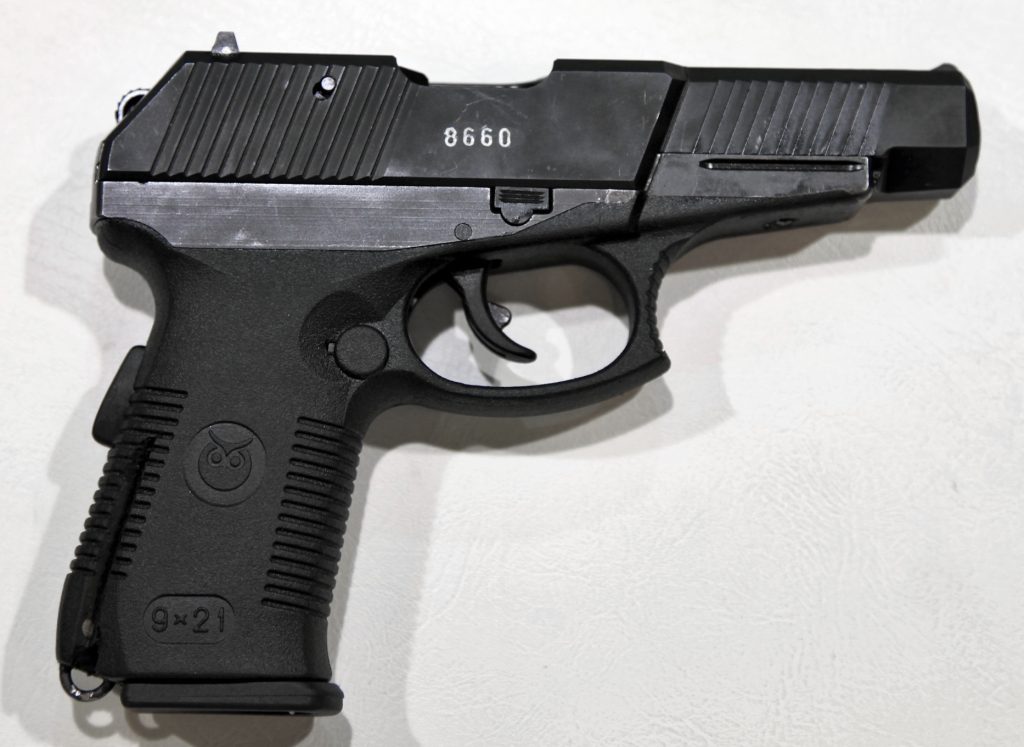
7. “Harder to convert” is now a market expectation for duty platforms
Even without promotional framing, a pattern is visible: duty pistols are increasingly expected to show some resistance to obvious conversion pathways. That expectation comes from agencies, legal departments, and product planners who do not want a sidearm associated with easy machine-gun conversion. It is also a reputational issue. Once a pistol family becomes closely linked in public discussion to illegal switches, manufacturers have a strong incentive to demonstrate that new generations are not mechanically identical in the exact areas being exploited.
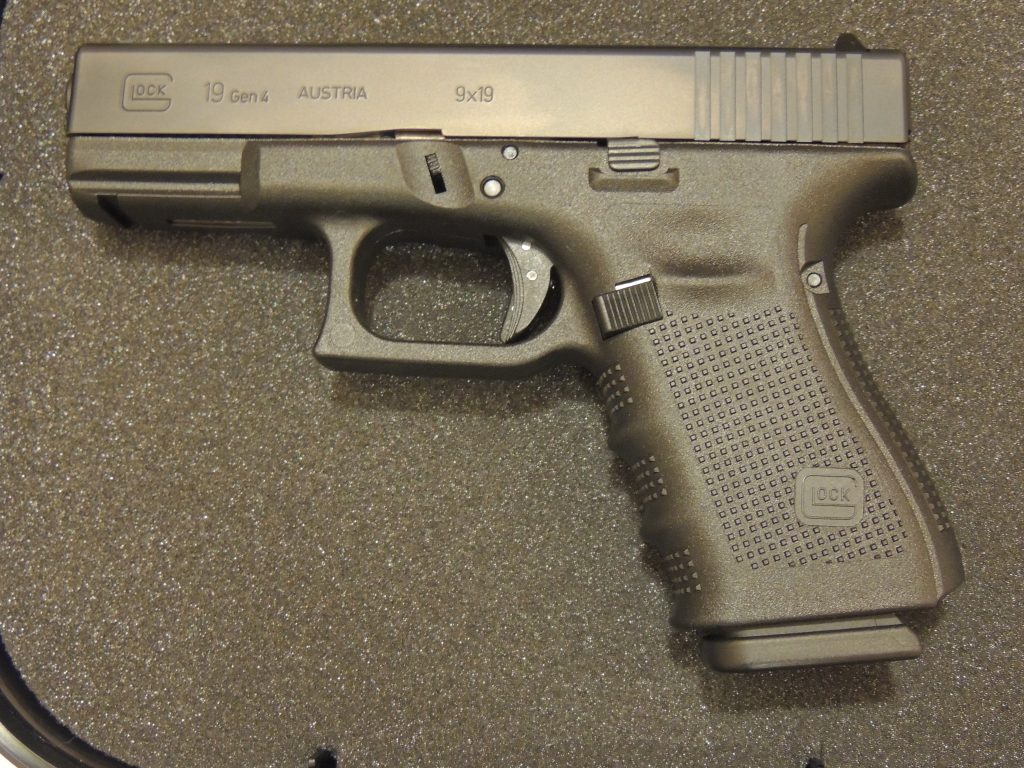
8. Anti-switch features reduce easy compatibility, not the broader adaptation cycle
Redesign does not end the contest. One reference describes reports of new switch compatibility with revised Glock-pattern pistols, indicating that bad actors may adapt after a product change appears. That does not make anti-switch engineering irrelevant. It changes the threshold. If older pistols could be altered with very basic methods while newer ones require more involved modification or machining, the barrier has still been raised.
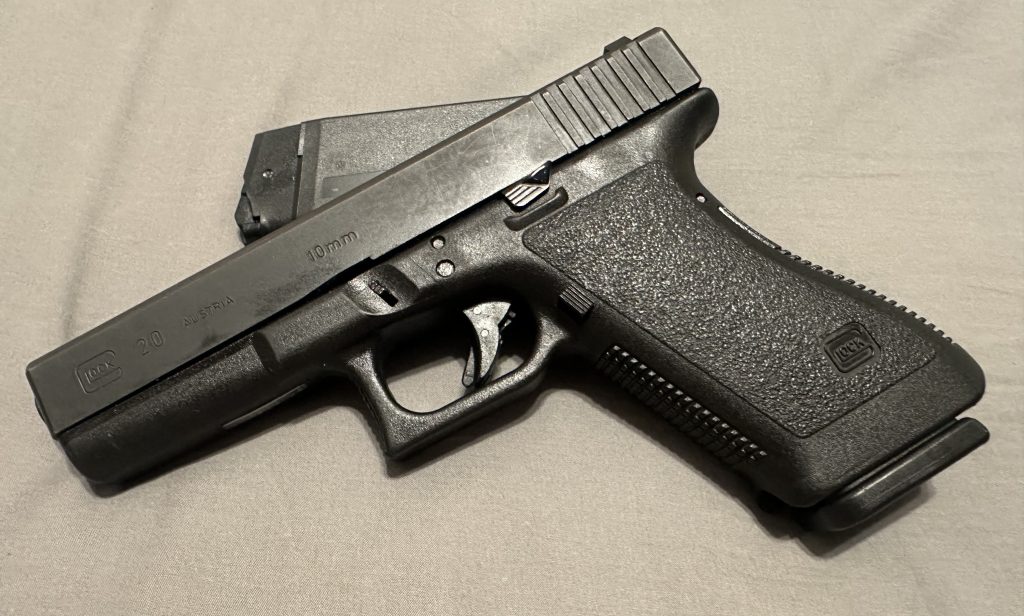
For duty pistols, that is often the immediate goal: reduce casual compatibility, complicate illegal conversion, and make the exploit less accessible. The larger trend is clear. Anti-switch design is becoming part of the modern duty-pistol checklist because convertibility is now treated as a design problem, a legal problem, and a systems problem at the same time. That does not turn a service handgun into a static object. It turns it into a platform whose internal geometry is being shaped not only by performance demands, but also by the need to resist misuse pathways that have become too visible to ignore.


