Firearm design often looks settled on paper long before it proves itself in hands, holsters, pockets, or stressful handling. The gap between a controlled engineering target and real-world use tends to appear in small places first: a trigger geometry that reacts badly to impact, a takedown procedure that depends too much on perfect sequencing, or an electronic lock that works until the environment stops cooperating. That pattern matters because guns are unforgiving systems. A design can be technically clever, commercially successful, or heavily marketed and still reveal a mismatch between lab assumptions and actual use.
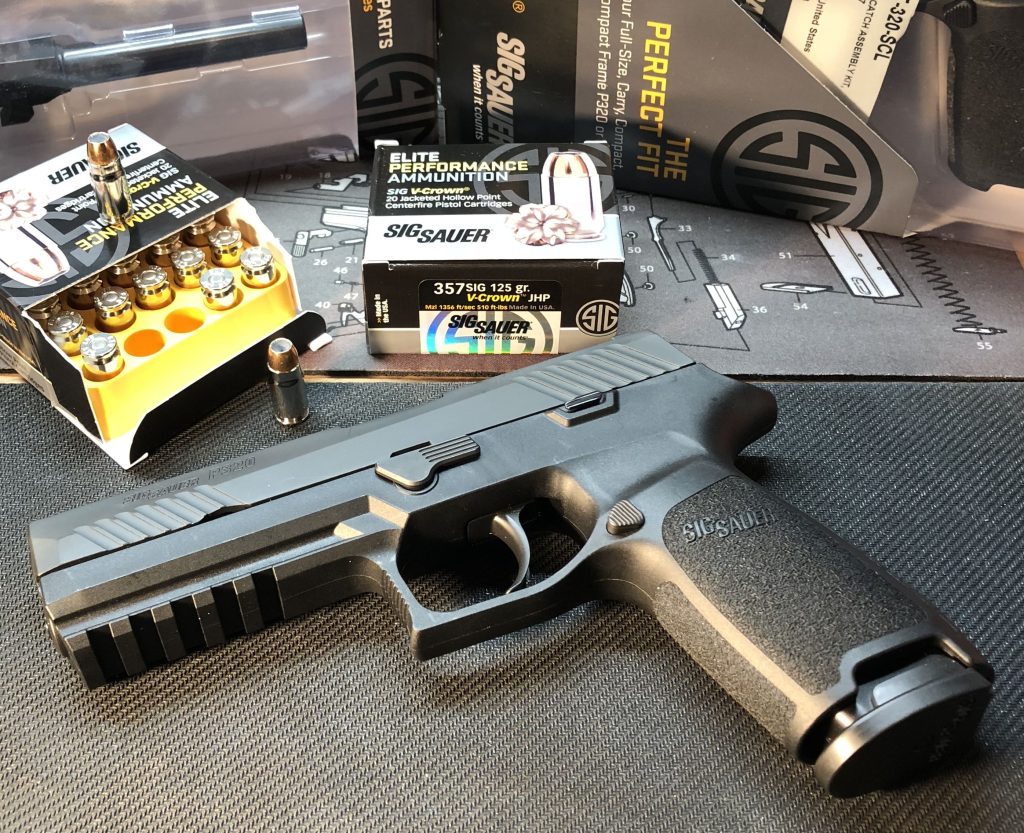
1. SIG Sauer P320
The P320 became one of the clearest modern examples of how a successful modular handgun can still run into basic handling-risk questions. Its most damaging early issue was the 2017 drop-fire issue, in which the pistol could discharge under certain impact conditions without a trigger press.
What made the case significant was not only the defect itself, but the lesson behind it: mechanical safeties and striker systems have to account for forces generated outside normal firing inputs. A pistol may function flawlessly in ordinary range use and still fail an unexpected-use test that matters more. The later legal debate around the design also highlighted how difficult firearm causation questions become once holsters, carry methods, and user interaction enter the picture. In engineering terms, the design problem was not isolated to one part; it sat at the intersection of trigger mass, internal geometry, and the realities of daily carry.
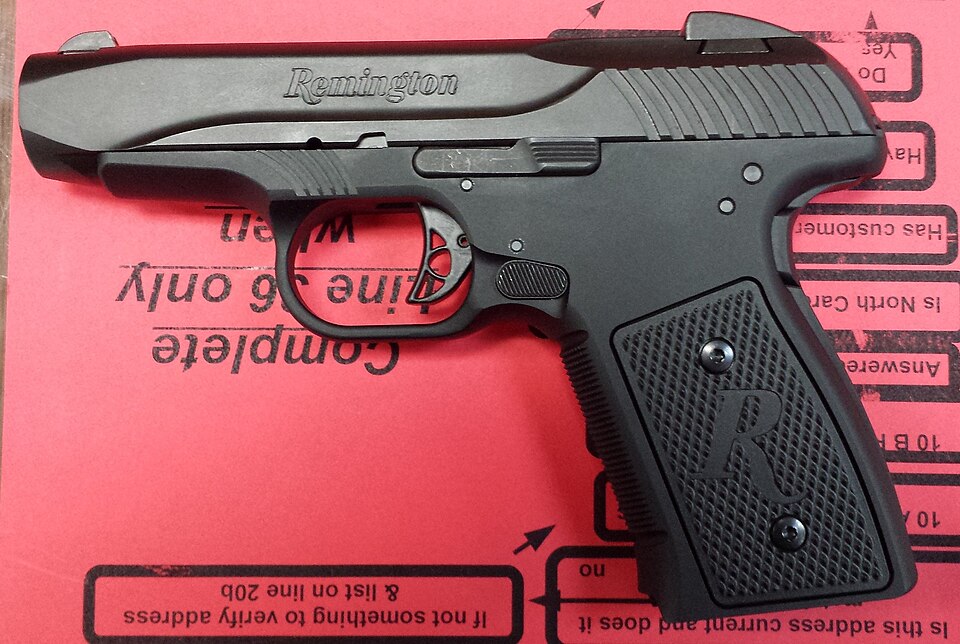
2. Remington R51
The R51 arrived with the appeal of a revived historic concept, but the market version exposed what happens when an interesting mechanism reaches users before its reliability envelope is fully proven. Early pistols were marked by cycling problems, misfeeds, and accelerated wear, leading Remington to pull the gun back and later reintroduce it.
This was a classic case of design ambition colliding with production readiness. A handgun can be compact and mechanically distinctive, yet still fail if tolerances, material behavior, and feeding dynamics are not robust enough for high-volume consumer use. The R51’s reputation suffered because users were not evaluating a concept sketch; they were dealing with stoppages in an item sold as a working defensive pistol.
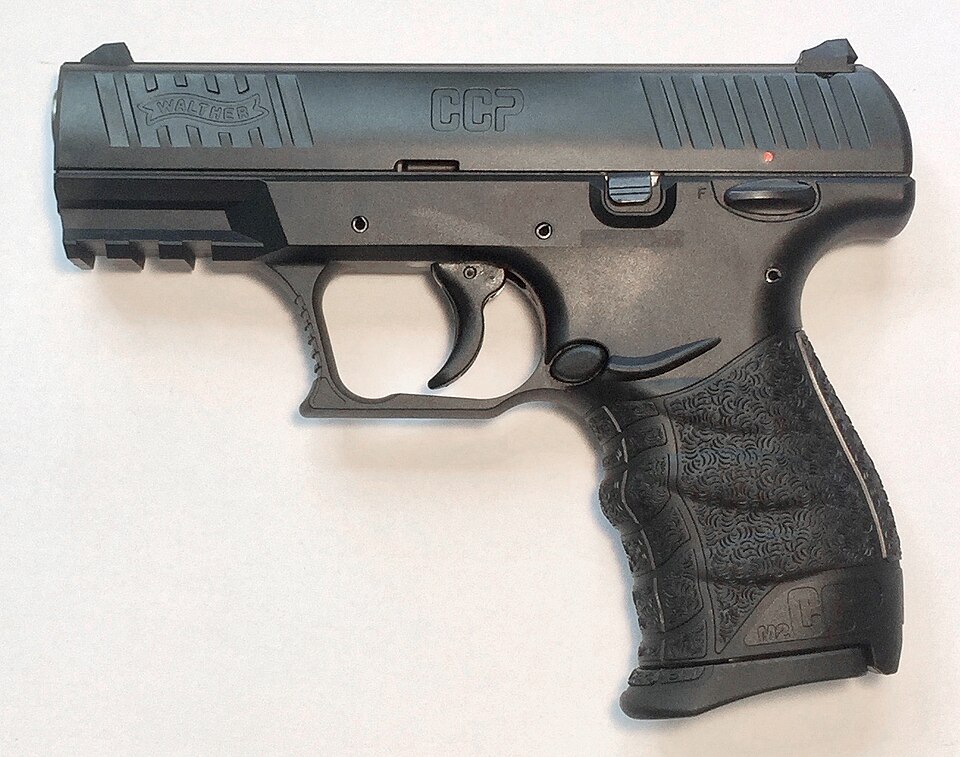
3. Walther CCP M1
The original CCP M1 showed how disassembly can become a safety issue when a design asks too much precision from the user. Reports tied the pistol to a takedown flaw that could lead to accidental discharge, and the platform was later revised in the M2. That matters because maintenance is part of real use, not a side activity. Any firearm intended for ordinary owners has to survive cleaning, fieldstripping, and reassembly without relying on narrow margins for error. When a pistol’s takedown procedure becomes awkward enough to undermine confidence, the engineering failure is not only mechanical. It is also a human-factors failure.
4. Springfield Armory XD-S
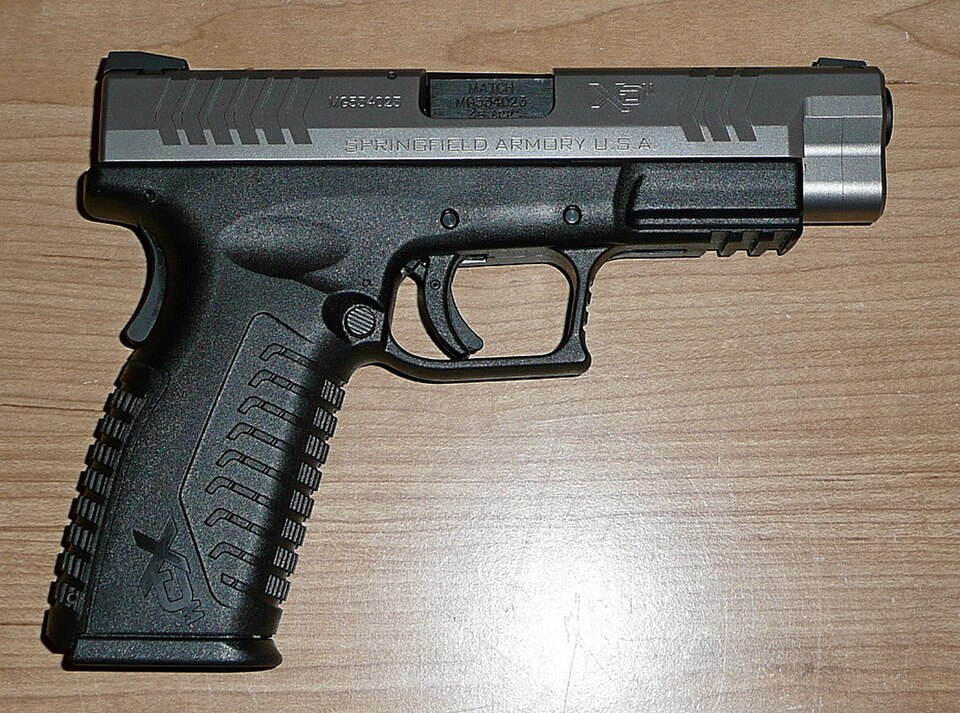
The original XD-S recall centered on a particularly alarming problem: discharge while chambering a round. That kind of malfunction cuts directly across the assumption that the gun is safest during deliberate loading. Designers often focus on ignition during trigger actuation, but loading and chambering generate their own sequence of stresses, momentum, and sear engagement demands. If a pistol cannot manage those transitions safely, the user is left with a weapon that behaves unpredictably at one of the most routine moments in handling. The XD-S episode showed how the most dangerous defects are sometimes revealed not in firing strings, but in the basic manipulations every owner performs.
5. Smith & Wesson M&P Shield EZ 9mm
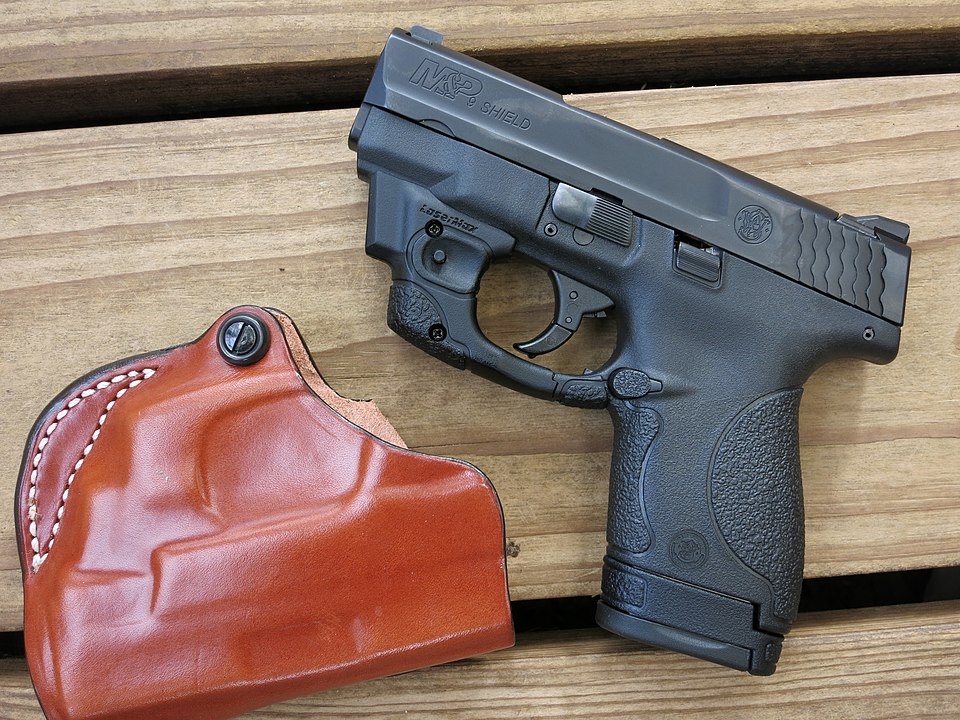
The Shield EZ was built around accessibility, especially easier slide operation and approachable controls. That goal made the later recall over a faulty hammer especially revealing, because the defect could cause the pistol to fire unexpectedly or fail to fire at all. Accessible design is not the same as simplified engineering. In fact, products aimed at newer or less forceful users often need even larger safety margins because they will be trusted precisely for their ease of use. When a firearm marketed for user-friendliness develops a fault in its firing system, it highlights a deeper truth: reducing physical effort does not reduce the need for rigorous internal durability and fault tolerance.
6. Beretta Pico
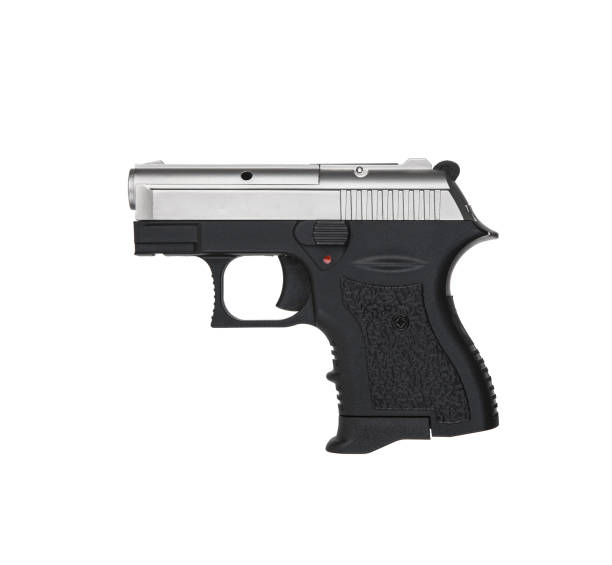
The Pico occupied a niche where users expect a tiny pistol to trade comfort for concealability, not structural durability. Yet some early examples reportedly developed frame cracks, prompting Beretta to revise the alloy used in manufacturing. Micro-pistols live under severe packaging constraints. There is less mass to absorb recoil, less room for generous stress distribution, and little forgiveness if material choices are marginal. That makes them a useful reminder that shrinking a handgun is not merely a scaling exercise. Once dimensions compress, loads do not become proportionally easier to manage.
7. Ruger SR22
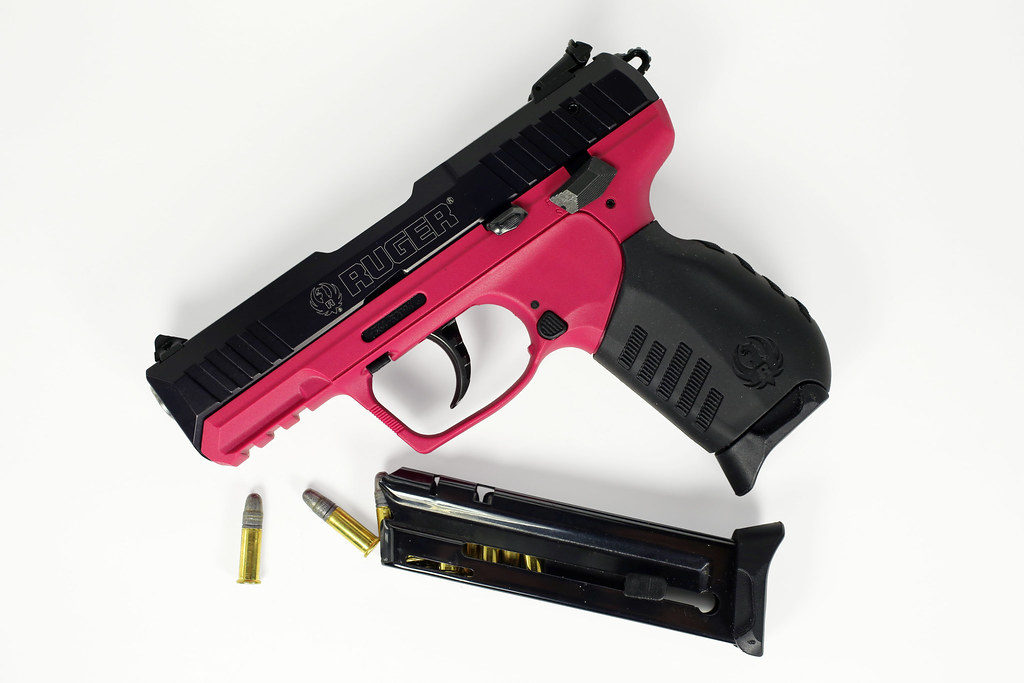
The SR22’s issue sounded minor at first: the barrel screw could come loose. But simple parts often expose the biggest disconnect between design confidence and use reality. A small fastener in a rimfire pistol may not seem like the heart of the system, yet the firearm depends on such components staying secure through vibration, repeated cycling, and owner maintenance. If one screw backing out can affect cycling or damage the frame, then the design has very little tolerance for ordinary variation. In consumer products, elegance often depends on mundane retention details working every time.
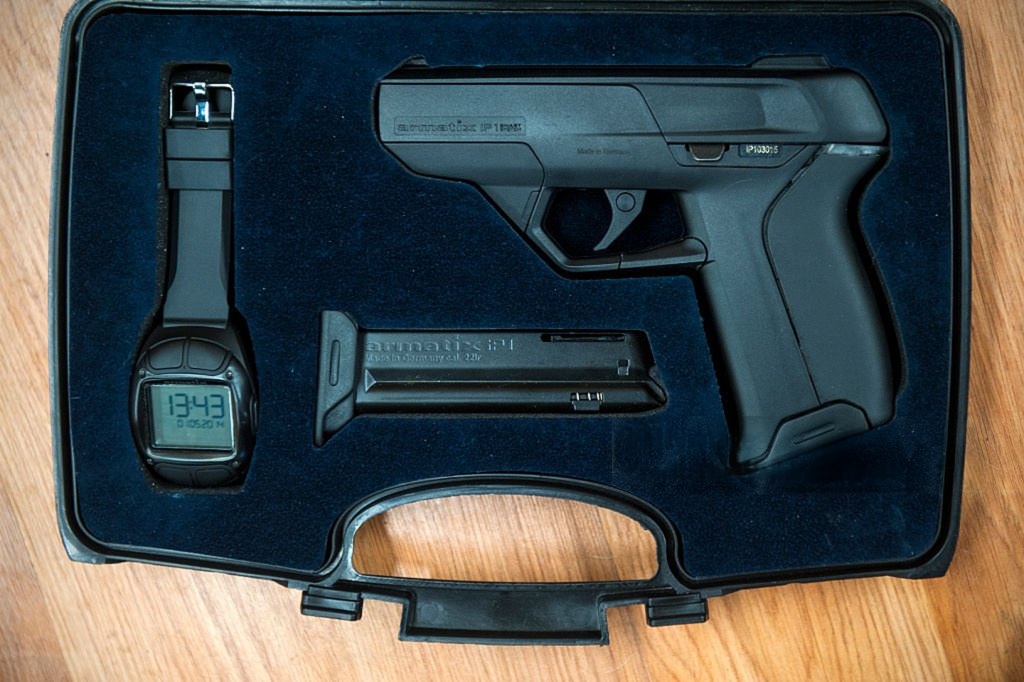
8. Armatix IP1 Smart Gun
The Armatix IP1 demonstrated that adding electronics does not automatically add safety. Its owner-authentication concept depended on a paired watch and radio link, but a $15 stack of magnets could defeat the locking mechanism, while other tests showed relay and jamming vulnerabilities.
This example exposed a different kind of engineering gap: the divide between product security theory and adversarial real-world conditions. In a conventional firearm, reliability questions usually involve springs, lockup, extraction, or wear. In a smart gun, they also include radio interference, spoofing, power dependence, and physical bypasses. The IP1 showed that a system can meet a design brief and still fail because it was not hardened against the kinds of abuse, interference, and low-tech attacks that real products inevitably face. As Plore told WIRED, “Misplaced trust is worse than no trust at all.”

These designs failed in different ways, but the underlying pattern stayed consistent. Firearms are not judged by concept, novelty, or catalog promise. They are judged by what happens when tolerances stack, users make ordinary mistakes, materials age, and handling departs from the ideal scenario. That is where engineering becomes real use. And in this category, the gap is never theoretical for long.


