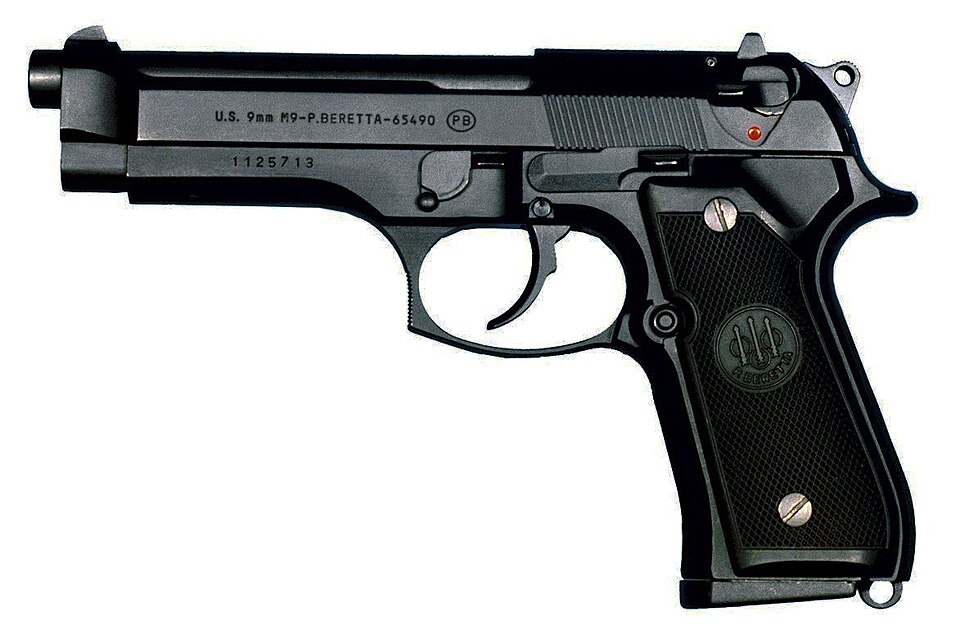
The Beretta M9 lasted far longer than many service pistols ever do. Adopted in the 1980s and carried for more than three decades, it earned a place as a familiar sidearm across the U.S. military while also collecting a reputation shaped by age, maintenance headaches, and changing expectations.
The Army’s decision to move on was not about one dramatic flaw. It was the result of several practical pressures that had built up over time, from modernization and ergonomics to logistics and the growing appeal of a more adaptable handgun platform.
1. The M9 had become a legacy design in a modular era
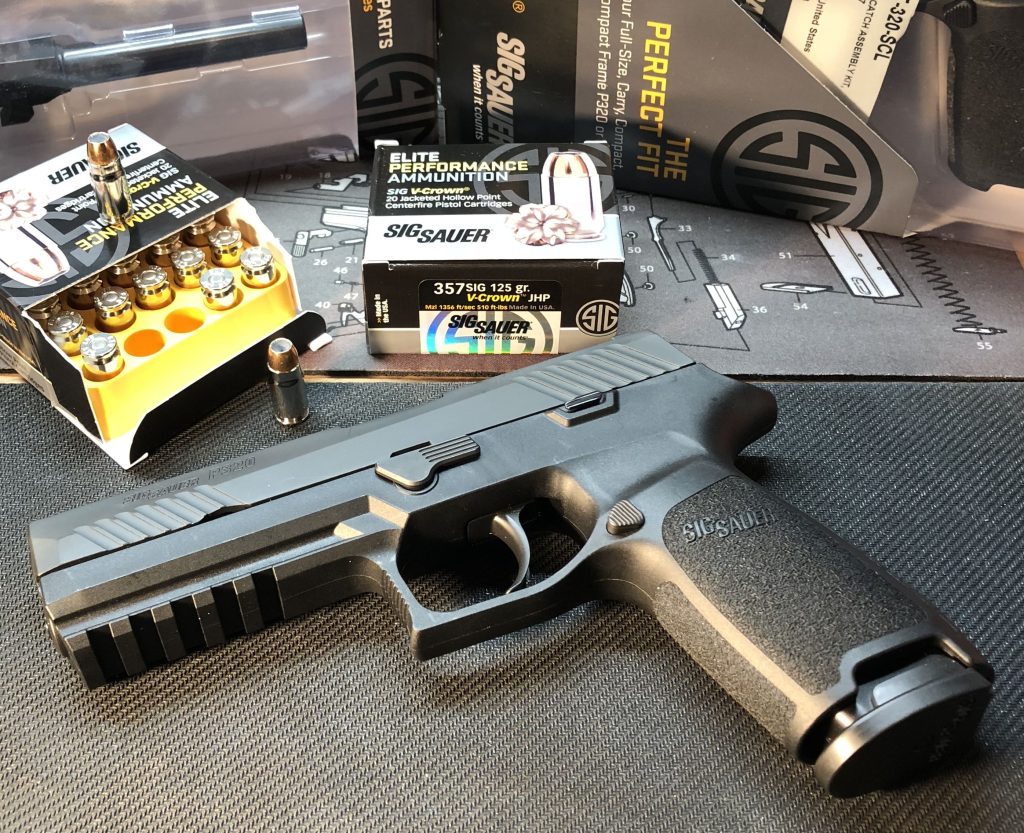
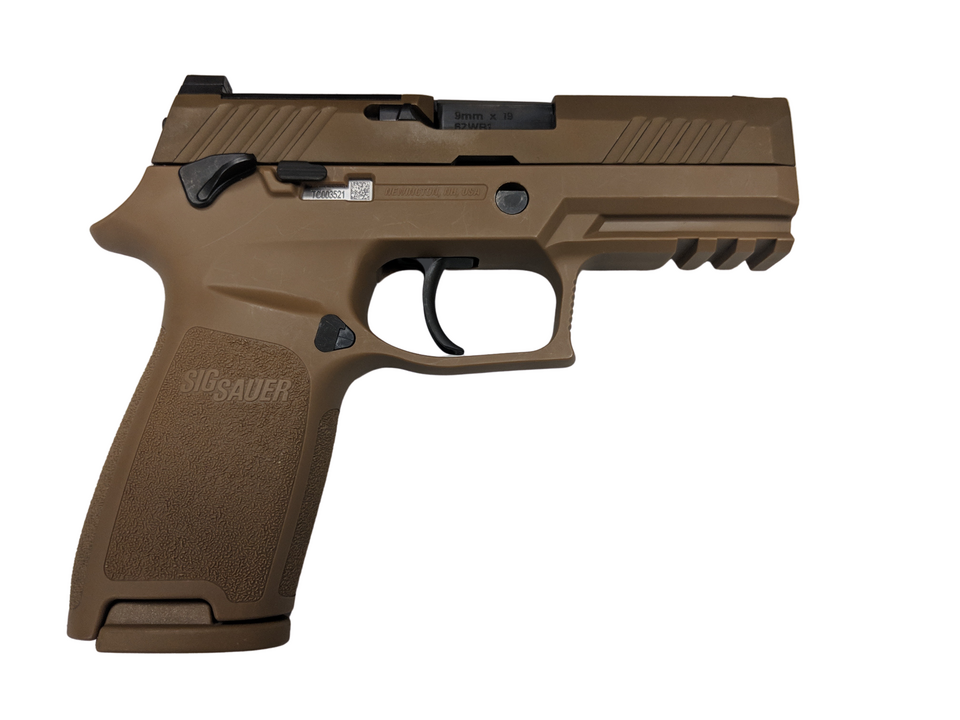
The Army’s replacement effort was built around the idea of a handgun system, not just a handgun. The pistol that emerged from the competition was the Modular Handgun System, a family of service pistols derived from the SIG Sauer P320. That alone explains much of the shift. The M9 came from an earlier procurement mindset, when a fixed configuration could remain standard for decades. By the 2010s, the Army wanted a platform designed for easier adaptation, broader role coverage, and more modern accessory integration.
2. Weight and bulk were harder to justify
The M9’s aluminum frame once looked relatively light for a military sidearm. Over time, that advantage faded. Compared with newer polymer-framed handguns, the Beretta had become a large service pistol that asked users to carry more size and mass than many newer designs required. That mattered because pistols are often secondary weapons. A sidearm carried by vehicle crews, leaders, military police, and support troops benefits from being easier to haul, store, and handle over long periods.
3. Newer ergonomics made the old controls feel dated
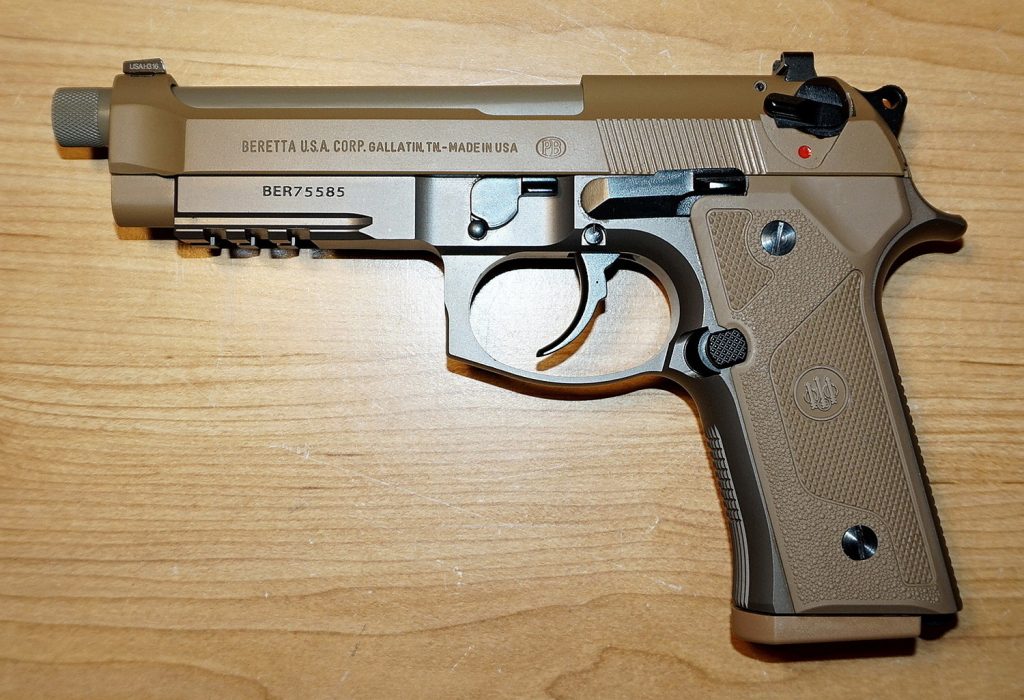
The M9 was widely regarded as accurate and shootable, but its control layout reflected older design priorities. Modern striker-fired pistols simplified the manual of arms with a more consistent trigger pull and fewer control transitions than the double-action/single-action Beretta system. In Army use, the M17 was described as offering better balance in the overall weapon and stronger ergonomics than the M9 and M11. That kind of user feedback aligned with a broader industry trend. Simpler handling reduces friction in training, especially for personnel who do not spend most of their time mastering a pistol.
4. The Army wanted better integration for modern accessories
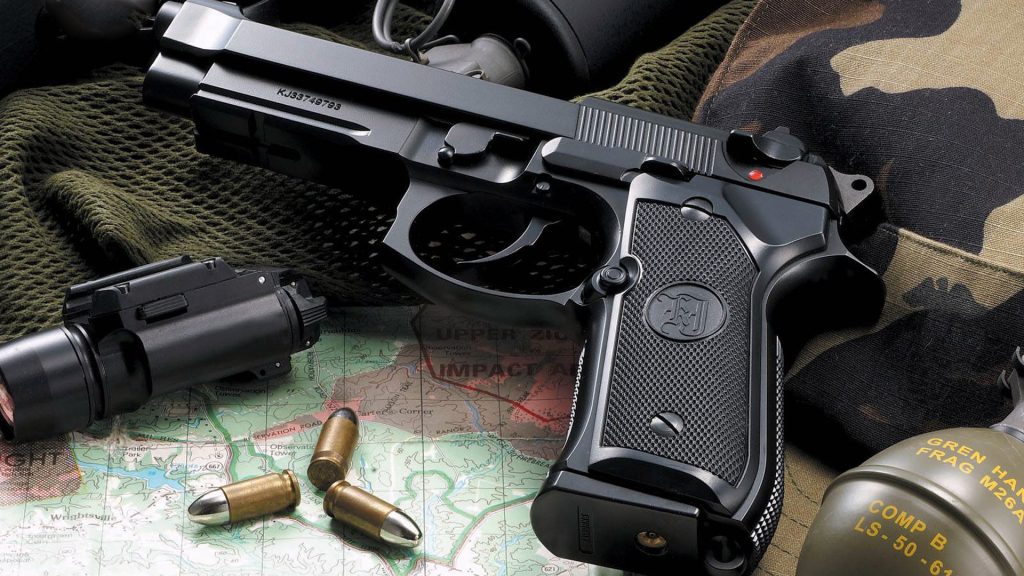
The M9 could be improved, and the Marine Corps proved that with the M9A1, which added a rail and durability upgrades. But those changes also highlighted the core issue: the original M9 needed updating to keep pace. The M17 arrived with an integrated rail, low-light sights, and a slide arrangement intended to support optics-ready variants and suppressor-related configurations. The Army was no longer looking for a sidearm frozen in its original form.
5. Maintenance had become part of the pistol’s reputation
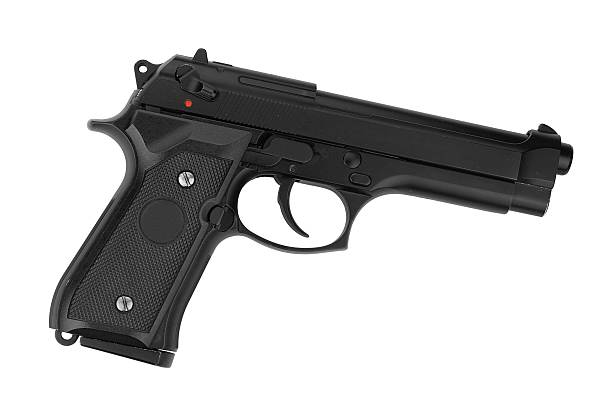
One of the most persistent themes in the M9’s service history was that performance often depended on how carefully it was maintained. Detailed accounts from Marine Corps users and small-arms specialists pointed to worn recoil springs, locking blocks, and out-of-spec replacement parts as recurring sources of trouble. The pistol could run well, but it demanded attention. Over a long service life, that dependence on timely parts replacement became harder to ignore. By the time replacement plans matured, many pistols had spent years in harsh conditions. The design itself was not the whole problem. Age, inconsistent upkeep, and fleet wear had become inseparable from the M9 story.
6. The Army had already seen what modernization could look like
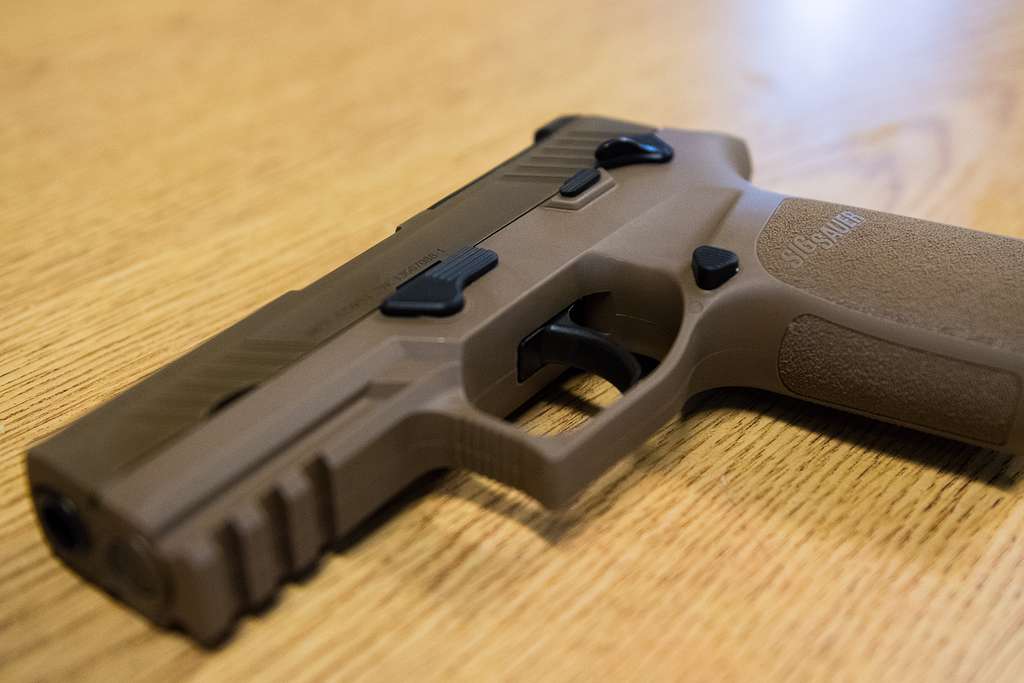
The Beretta family had gone through multiple attempts at staying current, from safety modifications after the 1980s slide-failure controversy to later magazine and rail updates. Those changes kept the platform viable, but they also showed the limits of incremental improvement. A pistol designed around newer requirements could bake in corrosion resistance, debris control, and updated disassembly features from the start. The M17 included a corrosion-resistant finish, revised internal protections, and design changes meant to support field use without relying on a 1980s baseline.
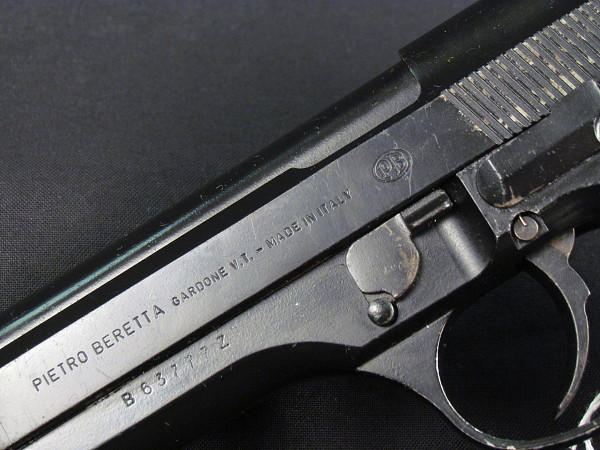
7. Sidearm expectations had changed since the XM9 trials
When the Beretta won the XM9 competition in 1985, it did so in a world shaped by NATO standardization, magazine capacity demands, and the need to replace aging .45-caliber pistols and revolvers. In that context, the M9 made sense. It was reliable in testing, easier for many shooters to use than worn M1911A1 pistols, and part of a standardization push that Congress strongly favored.
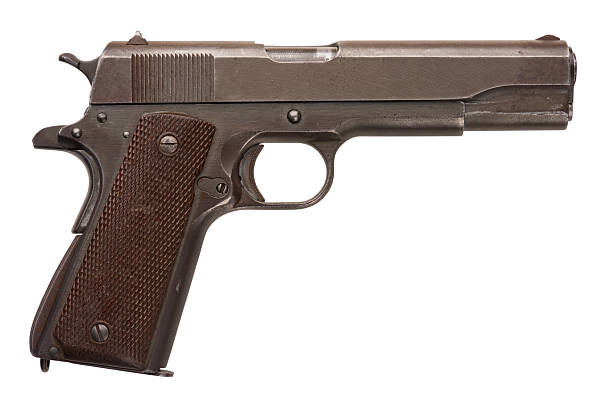
Three decades later, the Army’s requirements had changed again. The pistol did not need to defeat the M1911’s legacy anymore. It needed to fit a force that expected rails, improved adaptability, easier training, and a sidearm that felt current rather than inherited.
8. The replacement was backed by measurable performance gains
The Army did not replace the M9 merely because a newer pistol looked more modern. The selected SIG variant was described as delivering better accuracy, ergonomics, and tighter dispersion than the Beretta M9. Those are concrete reasons in a procurement setting. Even for a secondary weapon, better hit potential and easier handling matter. The scale of adoption also showed confidence in the shift. The M17 and M18 spread across five service branches, with plans for up to 421,000 weapons in total, turning the replacement into a broad modernization move rather than an isolated Army preference.
In the end, the M9 was not replaced because it had no value left. It was replaced because the Army had outgrown what it was designed to be. The Beretta had solved the military’s handgun problem in the 1980s, but the service that adopted it was operating under a different set of assumptions by the 2010s. The M17 answered those newer demands with a lighter, more adaptable, and more contemporary system. That made the transition less about abandoning a classic sidearm and more about acknowledging that a long-serving design had finally reached the edge of its era.


